How to Decorate a Betta Fish Tank
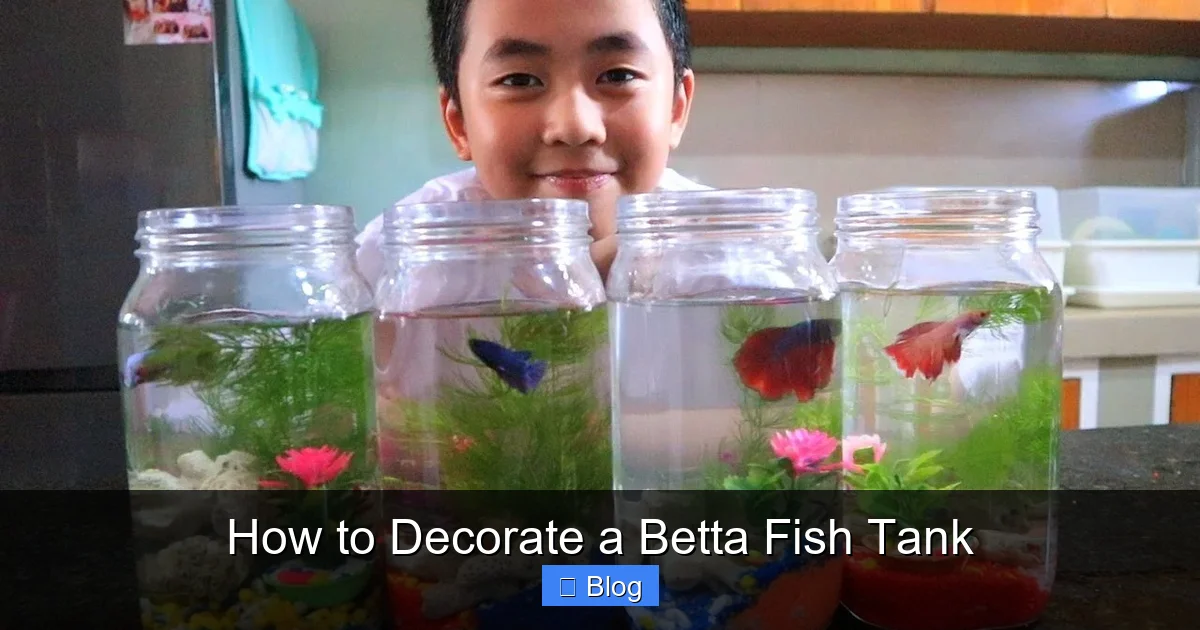
Decorating a betta tank is about more than just looks—it’s about creating a safe, enriching environment that mimics the betta fish’s natural Southeast Asian habitat. Prioritize smooth, non-abrasive decor to protect their delicate fins, and always use a heater and gentle filtration. Incorporate living plants or silk alternatives for exploration and resting spots, while avoiding sharp edges and toxic materials. The goal is a balanced aquascape that reduces stress, encourages natural behaviors, and provides a visually captivating display for both you and your fish.
Key Takeaways
- Tank Size is Fundamental: A minimum of 5 gallons is essential for a healthy, stable environment where decoration has purpose and doesn’t crowd the fish.
- Safety First: All decorations must have smooth, rounded edges. Sand down any rough spots on driftwood or rocks, and avoid plastic plants with stiff, sharp tips.
- Plants are Non-Negotiable: Live or silk plants provide crucial resting spots near the water’s surface, reduce stress, and improve water quality. Betta fish love to lounge on broad leaves.
- Create Vertical Layers: Design your aquascape with height in mind. Use tall plants, stacking rocks, or driftwood that breaks the water surface, giving your betta levels to explore.
- Hideouts are Essential: Provide at least one cave or covered hiding spot (like a coconut shell or ceramic pot) to give your betta a secure retreat and reduce territorial aggression.
- Gentle Water Flow: Betta fish originate from slow-moving waters. Ensure your filter output is baffled or directed away from the fish to prevent fin fatigue and stress.
- Cycle Before Introducing Fish: Never place a betta in an uncycled tank. The nitrogen cycle must be complete to establish beneficial bacteria that process waste from your decorations and fish.
📑 Table of Contents
- Why Decorating Your Betta Tank is More Than Just Aesthetics
- Section 1: The Foundation – Tank Selection & Essential Equipment
- Section 2: The Groundwork – Substrate & Base Layers
- Section 3: The Jungle – Plants & Natural Decor
- Section 4: The Architecture – Hardscape, Caves & Hiding Spots
- Section 5: The Atmosphere – Lighting, Temperature & Final Touches
- Section 6: The Cycle – Patience Before the Betta
- Conclusion: Building a Thriving Betta Home
Why Decorating Your Betta Tank is More Than Just Aesthetics
When you bring a betta fish home, you’re not just getting a pet; you’re becoming the curator of its entire world. That small, shimmering creature with the personality of a tiny dragon is completely dependent on the environment you provide. This is where the art and science of tank decoration come in. For the betta, or Betta splendens, decoration isn’t about pretty rocks and plants—it’s about survival, comfort, and mental well-being. In the shallow, vegetated rice paddies and slow streams of Thailand, bettas are surrounded by dense plant cover, soft substrates, and dappled light. Your goal is to replicate those key elements within the confines of a glass box.
A well-decorated betta tank does several critical things. It provides enrichment, preventing the boredom that can lead to lethargy or repetitive glass-surfing. It offers security, with plants and caves that break lines of sight and give the betta places to retreat when feeling Threatened. Most importantly for their iconic fins, it creates a physically safe space free from sharp edges that can snag and tear their flowing, delicate appendages. Decoration is, therefore, a fundamental pillar of responsible betta husbandry, directly impacting their health, color vibrancy, and overall happiness. Let’s dive into how to build that perfect, safe, and stunning betta sanctuary.
Section 1: The Foundation – Tank Selection & Essential Equipment
Before you even think about plants or ornaments, you must establish the correct foundation. You cannot build a stable, beautiful home on a shaky base. For bettas, this means starting with the right tank and the non-negotiable equipment that supports life and makes decoration possible.
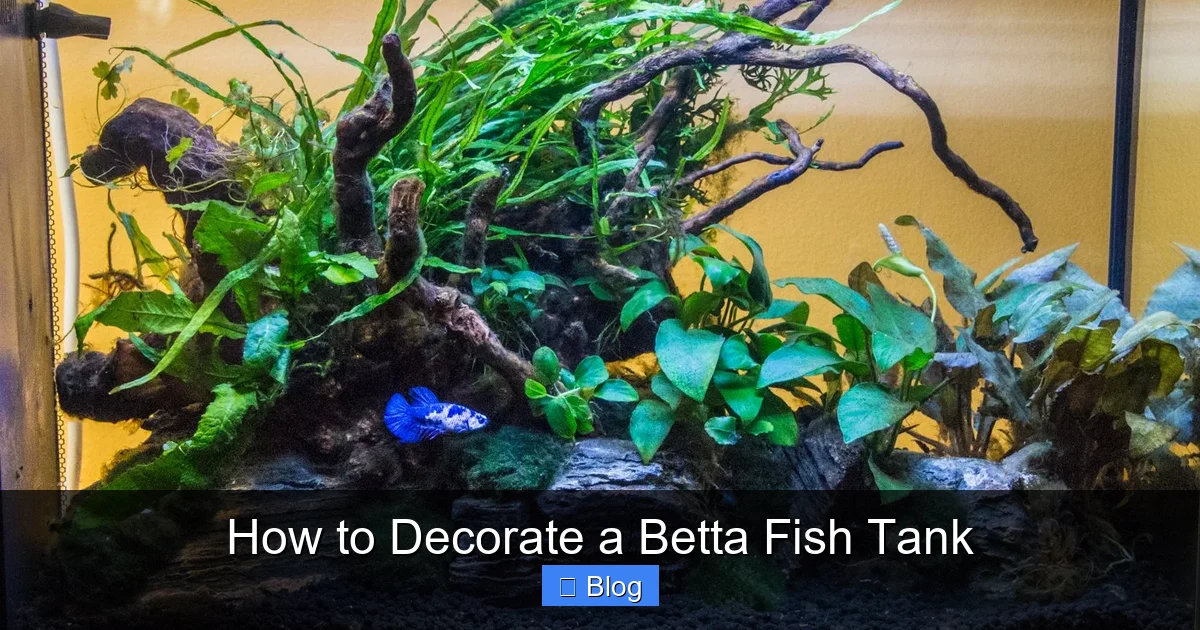
Visual guide about How to Decorate a Betta Fish Tank
Image source: fishlab.com
The 5-Gallon Minimum (And Why Bigger is Often Better)
The persistent myth that bettas live in tiny puddles is just that—a myth. While they can survive in small volumes of water, they absolutely do not thrive there. A 5-gallon (19-liter) tank is the absolute minimum we recommend. Why? Firstly, water quality is more stable in a larger volume of water. Toxins like ammonia from fish waste are diluted, making it easier to maintain safe levels. Secondly, a 5-gallon tank provides enough horizontal and vertical space to create a proper aquascape with distinct zones—a foreground, midground, and background—without everything feeling cramped. This space allows your betta to patrol its territory, explore, and exhibit more natural behaviors. If you have the space and budget, a 10-gallon tank is even better, offering more stability and creative freedom for your aquascape.
The Heater: A Non-Negotiable Piece of “Decor”
Bettas are tropical fish. They require a consistent water temperature between 78°F and 80°F (25.5°C – 26.5°C). A reliable, adjustable aquarium heater is not optional equipment; it is a piece of life-support infrastructure that influences every other decision you make. Cold water suppresses a betta’s immune system and metabolism, leading to lethargy and disease. When choosing a heater, get one rated for your tank size (a 25-watt heater is typically sufficient for a 5-gallon). Place it near a water flow (like the filter outlet) to distribute heat evenly, but ensure no part of the heater is exposed to air, which can cause it to crack or shatter. The warmth this provides is the first step in replicating the betta’s native environment.
Filtration: Gentle, Adjustable, and Essential
The second pillar of water quality is filtration. A filter is crucial for cycling the tank and removing physical debris. However, bettas have those magnificent, fragile fins and come from still waters. A strong, direct filter current is a recipe for disaster, causing fin damage, stress, and exhaustion. You need a filter that is low-flow and adjustable.
- Sponge Filters: Excellent choice. They provide gentle, even aeration and mechanical filtration via the sponge, with almost no current. They’re also perfect for spawning and fry.
- Hang-On-Back (HOB) or Canister Filters: These can work if you heavily baffle the outflow. Use a pre-filter sponge over the intake to protect fins, and direct the spray bar output against the glass or use it to create a gentle surface ripple without a strong undertow.
- Internal Power Filters: Often come with strong flows. Look for models with adjustable nozzles and always diffuse the output with a sponge or by positioning decorations to break the current.
The rule of thumb: you should be able to place a floating plant or a small piece of paper near the filter output and have it drift slowly downstream, not be pinned to the glass.
Section 2: The Groundwork – Substrate & Base Layers
With your tank, heater, and filter in place, it’s time to build from the bottom up. The substrate is the canvas for your aquascape and plays a vital role in the tank’s ecosystem.
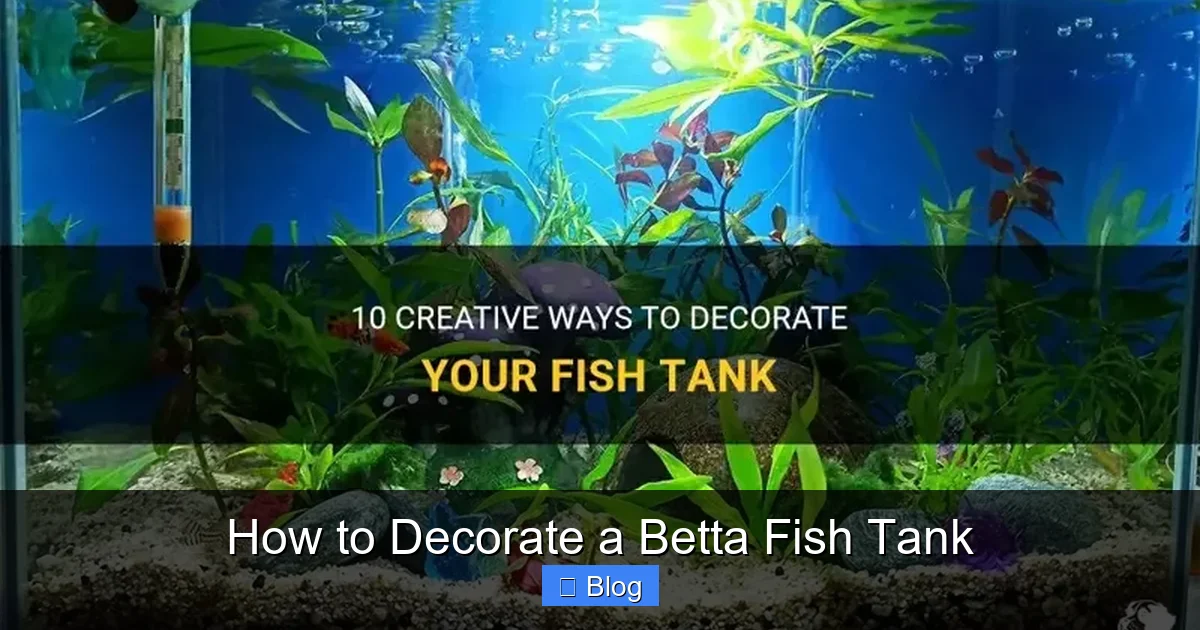
Visual guide about How to Decorate a Betta Fish Tank
Image source: petshun.com
Choosing the Right Substrate for Bettas
Bettas are bottom-dwellers to an extent; they will sift through the substrate foraging for food. Therefore, the texture is paramount. Avoid large, sharp gravel. Those jagged edges can easily puncture or tear a betta’s fins as it rests on or swims close to the bottom. Your best options are:
- Fine Sand: The closest mimic to the soft, silty bottoms of their natural habitat. It’s soft underfoot and easy for bettas to navigate. Be aware it can compact, so occasionally stir it lightly. Play sand (rinsed thoroughly) or aquarium-specific sand are good choices.
- Small, Rounded Gravel: If you prefer gravel, choose a grade where each piece is no larger than a pea and has been fully tumbled to be completely smooth. Rinse it meticulously before adding.
- Soil-Based Substrates (for planted tanks): If you’re going heavily into live plants, a nutrient-rich aquasoil like ADA Amazonia is a fantastic option. It’s soft, supports plant growth, and is completely safe for bettas. It can lower pH slightly, which bettas also appreciate.
Depth: Aim for a substrate depth of 1.5 to 2 inches. This allows for healthy root growth for plants and provides a nice, soft bedding.
Layering for Function and Form
For a truly functional and beautiful base, consider a layered substrate approach. Start with a nutrient layer (like aquarium soil or even a thin layer of laterite) at the very bottom. This feeds your plant roots. Then, cap it with your chosen top layer of sand or smooth gravel. This cap prevents the nutrient-rich soil from clouding the water and makes it safer for your betta to interact with the bottom. This layered approach is the secret to lush, long-term plant growth in a betta tank.
Section 3: The Jungle – Plants & Natural Decor
This is where your tank truly comes to life. Plants are the single most important decorative element for a betta. They provide oxygen, absorb nitrates, offer hiding places, and, most importantly, give those lazy floater-fins a place to rest.
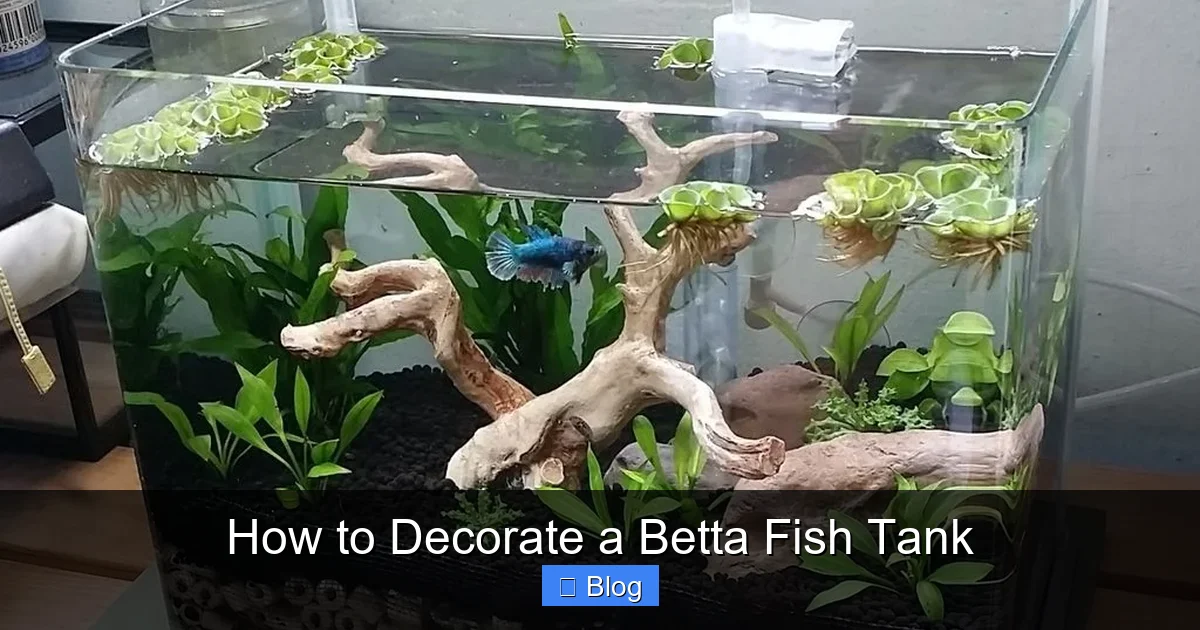
Visual guide about How to Decorate a Betta Fish Tank
Image source: i.pinimg.com
Live Plants vs. Silk Plants: The Great Debate
Live Plants: The gold standard. They improve water quality, create a more natural ecosystem, and grow and change over time, providing dynamic interest. They require proper lighting (more on that later) and sometimes supplementation (like liquid fertilizer or root tabs). However, many beginner-friendly live plants are incredibly hardy.
- Top Picks for Bettas: Anubias and Java Fern are champions. They have thick, broad leaves perfect for perching, grow slowly, and can be attached to driftwood or rock (never buried in substrate, as their rhizome will rot). Cryptocorynes offer beautiful, varied foliage and are also very tough. Marimo Moss Balls are fun, low-light “plants” that roll around.
Silk Plants: A fantastic, zero-maintenance alternative. Look for high-quality silk plants with soft, flexible leaves. The worst thing you can do is buy cheap plastic plants with stiff, sharp edges—they are fin-rippers. Quality silk plants look remarkably real, move gently in the current, and provide all the structural benefits (hiding spots, resting places) without the care requirements. They are a perfect choice for beginners or low-light setups.
Never use cheap, hard plastic plants. If you can’t bend a leaf easily with your fingers, it’s too risky for a betta.
Plant Placement: Creating a Betta’s Paradise
Think in layers and open spaces.
- Background: Use taller, background plants like Amazon Swords (if your tank is large enough and you have nutrient-rich substrate) or tall, stemmed plants to create a lush wall.
- Midground: This is your focal area. Place your Anubias and Java Fern here on pieces of driftwood or rock. Add clusters of Cryptocorynes.
- Foreground: Use low-growing, carpeting plants like Dwarf Hairgrass or Java Moss (which can also be used to cover rocks or driftwood) to create a grassy look. This opens up swimming space.
- The Resting Perch: This is critical. Ensure you have at least one broad-leafed plant (live or silk) whose leaf reaches the water’s surface. Bettas are labyrinth fish; they often gulp air from the surface and will rest on these leaves. A Betta Leaf Hammock (a suction-cup mounted fake leaf) is a popular and effective addition.
Section 4: The Architecture – Hardscape, Caves & Hiding Spots
Hardscape refers to the non-living, hard elements: rocks, driftwood, and ceramic structures. These provide structure, hiding places, and visual interest.
Driftwood: The Organic Masterpiece
Driftwood is arguably the best hardscape element for a betta tank. It looks natural, provides endless nooks and crannies, and can be used to anchor plants like Anubias and Java Fern. When choosing driftwood:
- Pre-soak it: Soak the wood in a bucket of water for 1-2 weeks, changing the water daily, to remove tannins that will otherwise turn your water tea-colored (which isn’t harmful, but can look messy). Boiling it can speed up the process.
- Sand sharp edges: Carefully run your hands over every branch and knot. Use sandpaper to smooth any rough spots that could injure your betta.
- Stabilize it: Driftwood can float initially. Weigh it down with rocks or let it soak until it becomes waterlogged and sinks on its own.
Popular Types: Malaysian Driftwood (dense, sinks well), Mopani Wood (beautiful two-tone, very hard), and Spider Wood (lots of fine branches).
Rocks: Choosing Safe & Beautiful Stone
Not all rocks are safe. Avoid any rocks that might contain harmful minerals or metals (like those from ocean beaches, which can leach salts). Safe, common choices include:
- Lava Rock: Porous, lightweight, great for attaching plants. It’s inert.
- River Stones: Smoothed by water, naturally rounded. Ensure they are inert (test with vinegar; no fizzing means safe).
- Dragon Stone (Ohko Stone): Porous, clay-based stone with a unique texture, excellent for attaching mosses.
- Quartz: Completely inert and very hard.
Always stack rocks securely! An unstable rock pile can collapse and trap or injure your betta. Use aquarium-safe glue (like Seachem Reef Glue) to bond rocks if creating caves or arches. Never use soap or detergent to clean rocks; just rinse with dechlorinated water.
Caves & Hiding Spots: The Non-Negotiable Shelter
Every betta needs a place to call its own when it wants to feel secure. This is not optional. A stressed, exposed betta is a sickly betta.
- Natural Options: A hollowed-out piece of driftwood, a carefully stacked rock cave, or a clay pot (ensure it is unglazed, food-safe, and has no sharp edges—file the rim smooth).
- Commercial Options: There are many safe, ceramic or resin caves available at pet stores. Inspect them carefully for any rough mold lines or sharp spots.
- Placement: Place the cave in a mid-to-background location, possibly partially obscured by a plant or two. This makes it feel like a true den, not just an open-topped box.
Section 5: The Atmosphere – Lighting, Temperature & Final Touches
Lighting is the final layer that brings your entire aquascape together and profoundly affects plant health and the tank’s overall mood.
Lighting: Balancing Plant Growth & Algae Control
Light intensity and duration must match your plant choices.
- Low-Light Plants: Anubias, Java Fern, Cryptocorynes thrive under low to medium light. A simple, low-wattage LED fixture or even a desk lamp with a “daylight” bulb placed above the tank is sufficient.
- Medium-High Light Plants: Stem plants and carpeting plants require stronger, full-spectrum LED aquarium lights.
- The Rule: Start with lower light. It’s easier to increase than to deal with a massive algae outbreak from too much light. A consistent photoperiod of 6-8 hours per day is plenty for a betta tank. Use a timer for consistency.
Remember, your betta does not need intense light. A softly lit tank with dappled shadows from plants mimics its natural habitat better than a bright, spotlighted exhibit.
Temperature & The Betta’s Comfort Zone
We’ve established the heater is essential. Now, where you place it and how you monitor it matters. Use a reliable, separate aquarium thermometer (the stick-on kind or a digital probe) to verify your heater’s setting. Place the heater in a location with good water flow but away from direct, strong filter current. The water temperature should be stable, with fluctuations of no more than 1-2 degrees Fahrenheit. A stable 78°F is far better than a fluctuating 80°F.
Final Aesthetic Touches & The “Less is More” Principle
Now, step back and look at your tank. Is there a clear swimming path for your betta? Is there a mix of heights and textures? Here are the final polish items:
- Indian Almond Leaves: A fantastic natural addition. A single leaf will slowly release tannins, lowering pH slightly and providing natural antibacterial properties. It also mimics the leaf litter of its home and provides a tannin-stained water that many bettas find calming.
- Floating Plants: Duckweed, Water Sprite, or Frogbit are excellent. They provide shade, reduce stress by covering the glass, and give your betta a feeling of security under a canopy. They also absorb excess nutrients, fighting algae.
- Color & Texture: Use a variety of plant greens—from the deep green of Anubias to the bright green of Java Fern. Incorporate different textures with smooth river stones, rough driftwood, and soft mosses.
- Negative Space: Leave one open area, perhaps in the foreground, as a clear swimming lane. A cluttered tank with no open water is stressful for a fish that likes to patrol.
Remember: Less is often more. It’s better to have a few well-chosen, safe elements than a crowded mess of questionable decor. Your betta needs space to swim.
Section 6: The Cycle – Patience Before the Betta
This is the most critical step that beginners skip, leading to “New Tank Syndrome” and dead fish. You must cycle your fully decorated tank before adding your betta.
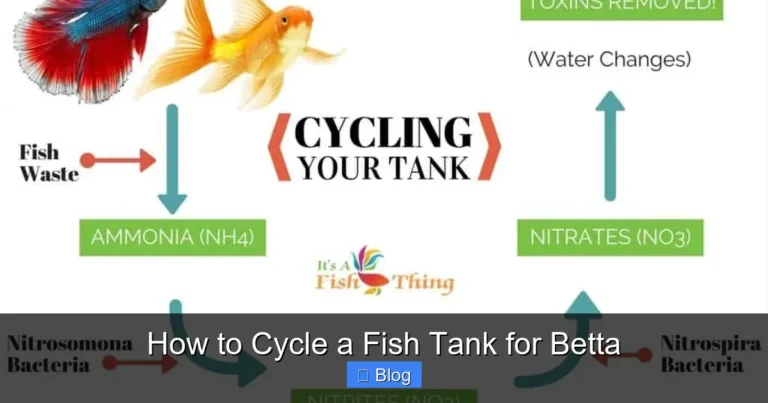
The nitrogen cycle is the process of establishing colonies of beneficial bacteria that convert toxic fish waste (ammonia) into less harmful nitrite, and then into much less harmful nitrate. This bacteria lives on every surface—in the filter media, on the substrate, on the driftwood, and on the rocks. Your decorations provide the surface area for this bacteria to grow.
How to Cycle a Betta Tank:
- Set up the tank with all decorations, substrate, filter, and heater.
- Fill with dechlorinated water.
- Add a source of ammonia. This can be a few drops of pure ammonia, a piece of shrimp, or (most reliably) a bacterial starter supplement like Seachem Stability or Tetra SafeStart.
- Test the water daily with a liquid test kit (API Freshwater Master Test Kit is the industry standard).
- The cycle is complete when you see ammonia and nitrite spike and then fall to 0 ppm, and you have a consistent, measurable nitrate reading (usually 5-20 ppm). This takes 4-6 weeks.
Only once your tank is fully cyclated and showing stable parameters (ammonia & nitrite = 0, low nitrate) should you carefully acclimate and introduce your betta. The bacteria colonies on your decorations are now ready to process its waste.
Conclusion: Building a Thriving Betta Home
Decorating a betta tank is a deeply rewarding process that blends creativity with biology. By starting with the right-sized tank and essential equipment, you create a stable platform. From there, you build a world that speaks to your betta’s instincts: a soft, sandy floor; a forest of broad-leafed plants offering rest and seclusion; the intricate, safe branches of driftwood to explore; and a dark, quiet cave for ultimate security. Every rock you sand, every plant you position, is an act of care. The result is not just a beautiful piece of living art in your home, but a vibrant, active, and healthy life for your betta fish. You’re not just decorating a tank; you’re crafting a kingdom. Take your time, prioritize safety, enjoy the process, and watch your little sovereign flourish in the paradise you’ve built.
Frequently Asked Questions
Can I use regular aquarium gravel for a betta?
Yes, but only if it is smooth, rounded, and pea-sized or smaller. Sharp, jagged gravel can easily tear a betta’s delicate fins as it rests or swims near the bottom. Always inspect and rinse gravel thoroughly.
Are plastic plants safe for betta fish?
Only if they are made of ultra-soft, flexible silk. Cheap, hard plastic plants with stiff, pointed leaves are one of the most common causes of fin rot and damage in bettas. If you can’t bend a leaf easily with your fingers, do not use it.
Do betta fish need a filter?
Absolutely. A filter is essential for establishing and maintaining the nitrogen cycle, which removes toxic fish waste. However, the flow must be very gentle. Use a sponge filter or heavily baffle the output of a hang-on-back filter to create a calm water environment.
How often should I clean my betta tank decorations?
During your weekly water change, gently rinse any decorations (like rocks or driftwood) in the old tank water you’ve removed. Never use soap, detergent, or untreated tap water, as this will kill the beneficial bacteria that live on the surfaces and are crucial for your cycle.
Can I put a betta in a tank with other fish?
It’s possible, but extremely tricky and not recommended for beginners. Bettas are often aggressive, especially males. If attempting a community tank, it must be a large, heavily planted tank (20+ gallons) with peaceful, non-flighty tankmates like neon tetras (in a large school) or corydoras catfish. Always have a backup plan.
Is it okay for my betta to rest on the bottom of the tank?
Occasional resting on the substrate is normal, especially if the betta is tired or the water is slightly cool. However, if your betta is constantly lethargic and lying on the bottom, it is a sign of illness (like swim bladder disease, velvet, or dropsy), poor water quality, or that the water temperature is too low. Check your parameters and temperature first.