How to Feed Betta Fish with Pellets
Feeding betta fish with pellets is simple but critical for their health. Choose high-quality, betta-specific pellets, feed only what they can eat in 2-3 minutes (typically 2-3 pellets per meal), and do so once or twice daily. Never overfeed, as it pollutes water and causes health issues. Always observe your fish and remove uneaten pellets promptly to maintain a clean, thriving aquarium environment.
Key Takeaways
- Select the Right Pellets: Choose high-quality, betta-specific pellets with balanced ingredients; avoid generic fish food that can cause digestive issues.
- Master Portion Control: Feed only 2-3 pellets per meal, once or twice a day, removing any uneaten food after 2-3 minutes to prevent water contamination.
- Soak Pellets When Necessary: Soak dry pellets in tank water for a minute before feeding to soften them, aiding digestion and preventing swim bladder problems.
- Prioritize Water Quality: Overfeeding is the primary cause of poor water quality; consistent partial water changes are non-negotiable when feeding pellets.
- Observe and Adjust: Watch your betta during feeding for enthusiasm and signs of fullness; adjust portions based on age, activity, and individual metabolism.
- Establish a Routine: Feed at consistent times daily to reduce stress and create a predictable schedule for your betta’s biological rhythms.
- Variety is Still Key: Even with pellets, supplement occasionally with high-protein frozen or live foods like brine shrimp for optimal nutrition and enrichment.
📑 Table of Contents
- Welcome to the World of Betta Pellet Feeding
- Chapter 1: Choosing the Perfect Pellet – It’s More Important Than You Think
- Chapter 2: The Golden Rule of Portion Control – How Much is “Enough”?
- Chapter 3: The Feeding Ritual – Step-by-Step from Pellet to Belly
- Chapter 4: Water Quality – The Invisible Consequence of Every Pellet
- Chapter 5> Troubleshooting: When Things Go Wrong
- Conclusion: You’ve Got This, Keeper
Welcome to the World of Betta Pellet Feeding
So, you’ve got a betta fish. That stunning, flowing, grumpy little diva swimming in your tank or proudly displayed on your desk. You want to do right by them, right? You’ve heard pellets are a convenient, nutritionally complete option. But then you Google “how to feed betta fish with pellets” and are met with a confusing mix of opinions, warnings about bloating, and tales of disastrous water quality. Suddenly, feeding this tiny fish feels like defusing a bomb. Don’t worry. It’s not. Feeding bettas with pellets is one of the best things you can do for their long-term health and your sanity—when done correctly. This guide will walk you through every single step, from the bag to the belly, and turn you from a nervous newbie into a confident betta caretaker. Let’s dive in.
Think of your betta not as a simple pet, but as a specialized carnivorous predator from the shallow, warm waters of Southeast Asia. In the wild, they munch on insects, larvae, and tiny crustaceans. Their digestive systems are short and designed for protein, not plant matter. Many problems—constipation, swim bladder disorder, faded colors—stem from improper feeding. Pellets, when chosen and used correctly, can perfectly mimic this high-protein diet. The trick is understanding that “correctly” is a precise science. We’re going to master it together.
Chapter 1: Choosing the Perfect Pellet – It’s More Important Than You Think
Not all pellets are created equal. Walking into a pet store and grabbing the first bag of “betta pellets” is a gamble. The ingredient list is your best friend here. Your goal is to find a pellet where animal-based proteins are the first three to five ingredients. Look for things like whole fish, shrimp meal, squid meal, or krill. Avoid pellets where fillers like wheat, soy, corn, or potato starch dominate the top of the list. These are indigestible carbs that can cause digestive havoc.
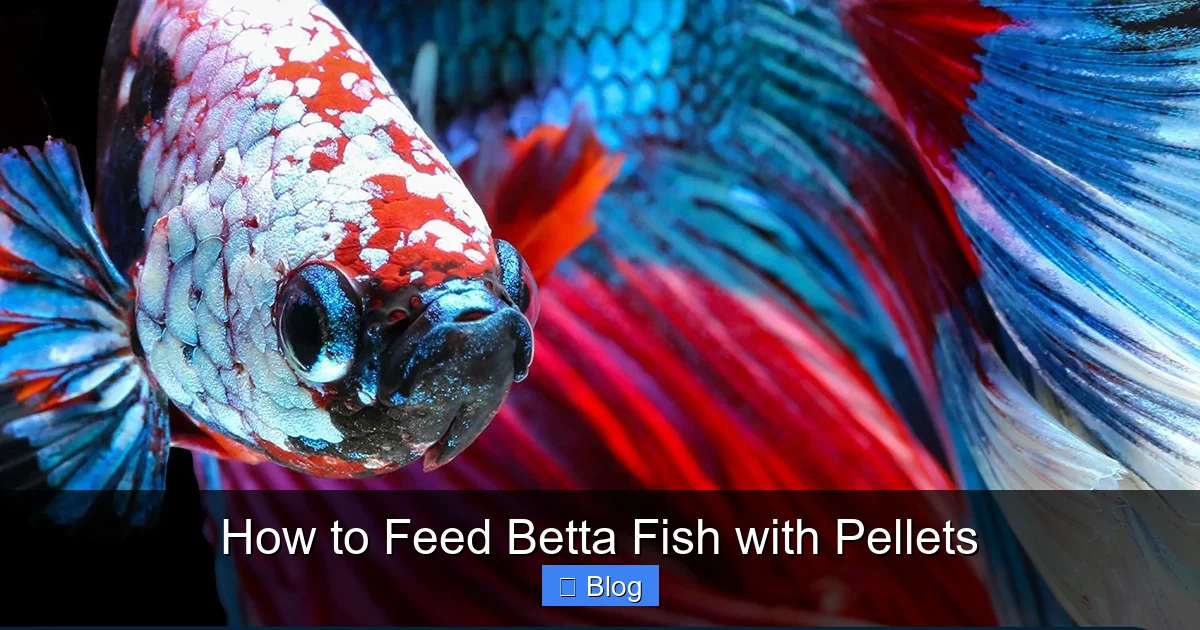
Visual guide about How to Feed Betta Fish with Pellets
Image source: cdn11.bigcommerce.com
Decoding the Ingredient List: Your Pellet Detective Guide
Grab a bag and put on your detective hat. A high-quality pellet will proudly list specific animal proteins. “Whole salmon” or “Pacific krill” are fantastic. “Fish meal” is acceptable but vague. “Seafood blend” is a red flag—it’s a mystery mix. You should also see sources of essential fatty acids, like marine oils (for omega-3s), and minimal, if any, artificial colors or preservatives. A good rule of thumb: if you can’t pronounce half the ingredients, your betta probably shouldn’t be eating them. Brands like Hikari Betta Bio-Gold, New Life Spectrum Opti-Grow, and Omega One Betta Buffet are consistently praised for their quality.
Size Matters: Micro-Pellets vs. Standard Pellets
This is a critical, often overlooked detail. Betta mouths are tiny. A standard-sized pellet meant for larger fish is like you trying to eat a bowling ball. It’s uncomfortable, difficult to swallow, and often leads to the betta spitting it out or gulping air, causing buoyancy issues. Always, always choose micro-pellets or pellets specifically sized for bettas. They should be no larger than the size of your betta’s eye. This ensures easy consumption and proper digestion. If a pellet looks huge next to your fish, it is.
The Floating vs. Sinking Debate
Most quality betta pellets are designed to float slowly or suspend in the water column. This is ideal, as bettas are surface and mid-level feeders. They’re adapted to grab food from the top. Sinking pellets can fall to the bottom, where your betta might not find them, leading to waste and water quality issues. However, if you have a very shy or bottom-dwelling betta, you can gently pre-soak pellets to make them sink slightly. But for the vast majority, a slow-sinking or floating pellet is perfect.
Chapter 2: The Golden Rule of Portion Control – How Much is “Enough”?
Here is the single most important piece of information in this entire guide: betta stomachs are roughly the size of their eyeball. That’s not a cute saying; it’s biological fact. Overfeeding is the #1 cause of betta health problems and dirty tanks. So, how do you measure such a tiny amount?
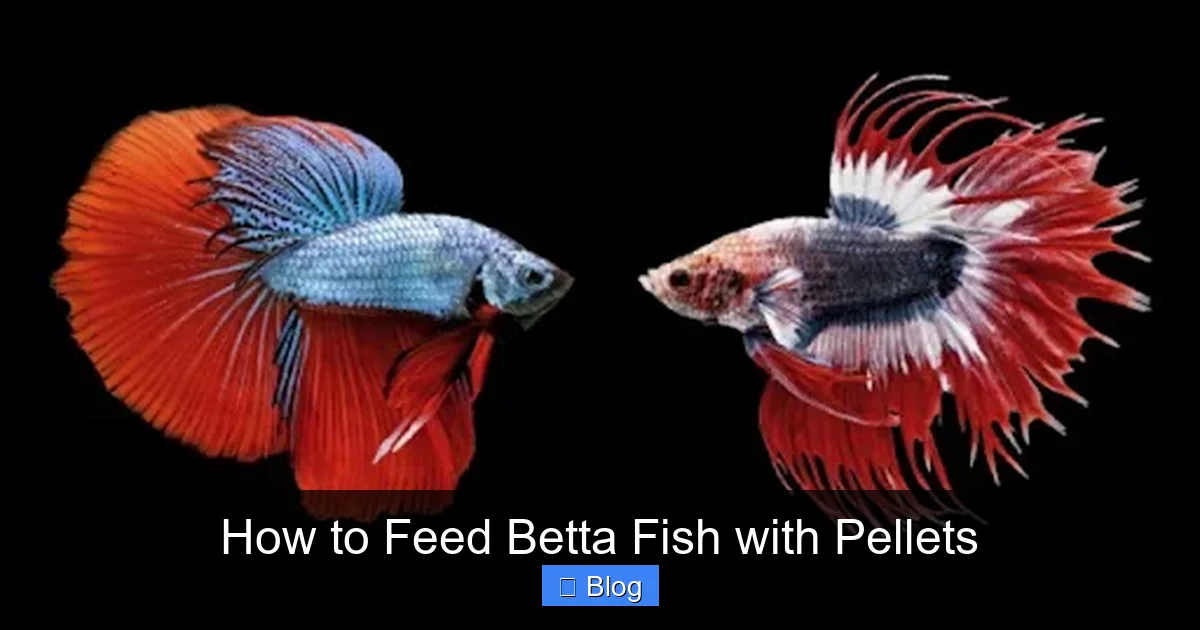
Visual guide about How to Feed Betta Fish with Pellets
Image source: missinglinkrecords.com
The “Eyeball Method” – Your New Best Friend
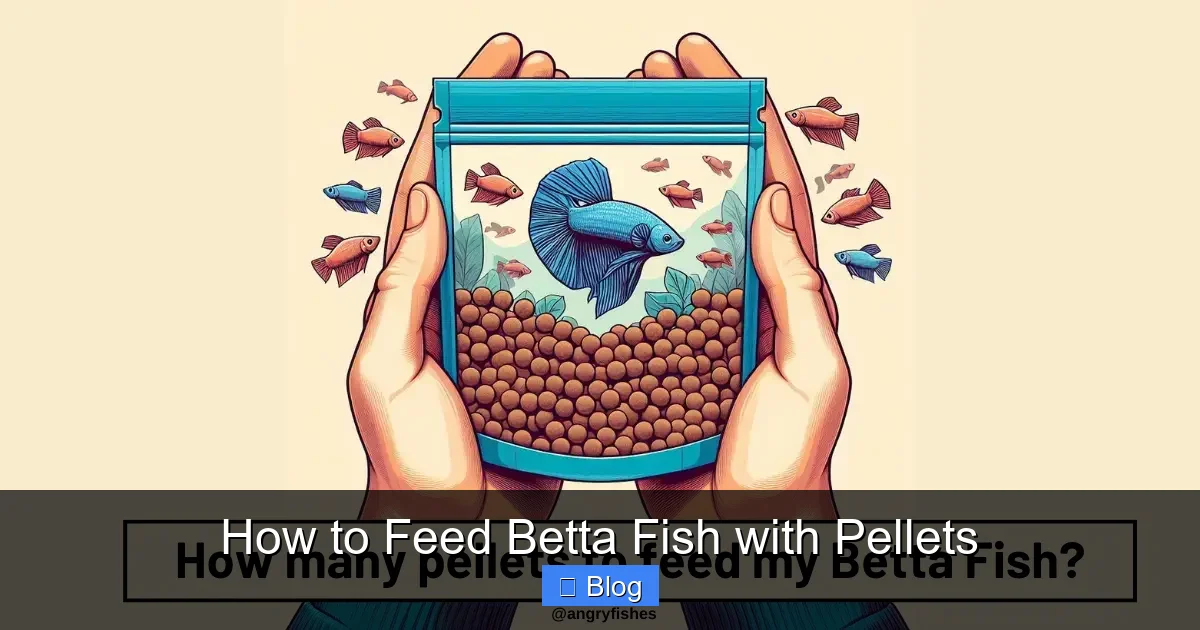
Forget scales or measuring spoons. The simplest, most accurate method is visual. Take 2-3 micro-pellets. That’s it. For a younger, smaller betta, start with 2. For a larger, more active adult, 3 might be appropriate. This is your baseline for one meal. If you’re using a slightly larger pellet, you may only need 1-2. The goal is a meal your betta can consume in about 30-60 seconds, not a buffet that sits for hours.
The 2-3 Minute Rule: The Cleanup Deadline
Here’s the procedure: Drop the 2-3 pellets into the tank. Watch your betta find and eat them. They should be gone, swallowed, within 2-3 minutes. If any pellet remains floating or sinks untouched after this time, you have overfed. Use a small aquarium net or a turkey baster (a secret weapon of seasoned betta keepers) to scoop out the uneaten pellets immediately. This simple act prevents decomposition and ammonia spikes. It’s non-negotiable.
Feeding Frequency: Once or Twice a Day, No More
Bettas have fast metabolisms but tiny stomachs. Feeding them once a day is perfectly sufficient for most adult bettas. Some keepers prefer two very small feedings (morning and evening) to mimic natural foraging patterns, but this increases the risk of accidental overfeeding. If you’re new, start with once daily. It’s simpler and safer. Never, under any circumstances, feed more than twice a day. Their digestive systems need a full 16-18 hours to process food. Constant snacking leads to constipation and toxin buildup.
Chapter 3: The Feeding Ritual – Step-by-Step from Pellet to Belly
Now that you have the right pellets and the right portion, let’s execute the feeding. A calm, consistent routine reduces stress for your betta.
Visual guide about How to Feed Betta Fish with Pellets
Image source: angryfishes.com
Step 1: Preparation is Key
Before you even approach the tank, have your pellets ready in a small container or your hand. This prevents fumbling and over-pouring. Have your cleanup tool (net or baster) nearby. Ensure your water temperature is stable (78-80°F is ideal), as cold water slows digestion.
Step 2: The Approach and Drop
Move calmly. Sudden movements stress fish. Gently lower your hand or container near the water’s surface. Drop the pellets one by one, or in a small cluster, directly in front of your betta. This encourages natural hunting behavior and ensures they see the food. If your betta is shy, you can drop the pellets near a plant or decor they frequent.
Step 3: The Soak (When and Why)
While not always necessary, soaking dry pellets for 30-60 seconds in a small cup of tank water is a smart practice for several reasons. It softens the pellet, making it easier to chew and digest—a huge benefit for preventing constipation, a common betta ailment. It also prevents the pellet from swelling in your betta’s gut, which can cause bloating. If your betta has ever had swim bladder issues or seems to spit pellets out, soaking is your first troubleshooting step. Just don’t soak them for more than a few minutes, or they disintegrate.
Step 4: The Watchful Wait and Swift Cleanup
Now, observe. Is your betta darting to the top, grabbing pellets with enthusiasm? Good. Are they eating slowly, taking breaks? Normal. Are they ignoring the food? Check water parameters first—poor water quality suppresses appetite. After 2-3 minutes, if anything remains, execute the cleanup. This is the most vital part of the ritual for tank health.
Chapter 4: Water Quality – The Invisible Consequence of Every Pellet
You cannot talk about feeding without talking about water. Every uneaten pellet and every bit of waste your betta produces becomes ammonia. Ammonia is toxic. This is the core of the “why” behind all the rules.
How Pellets Directly Impact Your Nitrogen Cycle
A single overfed pellet that decays contributes to the bio-load. In a cycled tank, beneficial bacteria convert ammonia to nitrite, then to less harmful nitrate. But if you consistently overfeed, you overwhelm this system. Ammonia and nitrite spikes occur, burning your betta’s gills, suppressing their immune system, and leading to disease like fin rot or ich. The cloudy water you see after overfeeding? That’s a bacterial bloom celebrating the all-you-can-eat buffet you provided. Clean water is a direct result of correct feeding.
Your Water Change Schedule: The Non-Negotiable Maintenance
Even with perfect feeding, a 25% water change once a week is standard for a filtered betta tank. If you are still establishing a cycle or have a very small tank (under 5 gallons), you may need 25% changes twice a week. When you overfeed, you must immediately do an extra 25-50% water change to dilute the pollutants. Think of feeding and water changes as two sides of the same coin. You cannot neglect one without consequences for the other. Use a water conditioner to remove chlorine and chloramines with every change.
Chapter 5> Troubleshooting: When Things Go Wrong
Even with the best intentions, issues can arise. Here’s how to diagnose and fix them.
“My Betta Spits Out the Pellets!”
This is almost always a pellet size or texture issue. The pellets are too large, too hard, or unfamiliar. Solution: Switch to a different brand of micro-pellets immediately. Soak them for a full minute before feeding. Try a different flavor (some bettas prefer shrimp-based over fish-based). Persistence is key; offer the new soaked pellets for a few days before giving up.
“My Betta is Bloated/Constipated!”
The classic signs: a swollen abdomen, pineconing (raised scales), lethargy, and difficulty swimming. This is a dietary emergency, almost always caused by overfeeding or feeding hard, dry pellets without soaking. Action plan: Immediately stop feeding for 48 hours. This gives the digestive system a chance to clear. On day three, offer a cooked, de-shelled pea (a natural laxative for fish) or a daphnia (a natural diuretic). Resume feeding with soaked pellets at a drastically reduced portion (1 pellet) for a week. Ensure your water is pristine with more frequent changes.
“My Water Gets Dirty So Fast!”
The diagnosis is unequivocally overfeeding. You are putting more food into the system than your betta can consume and your filter can handle. Re-evaluate your portion size (down to 2 pellets max). Be ruthless with the 2-3 minute cleanup rule. Check your filter—is it clogged? Increase your weekly water change percentage temporarily to 30-40% until stability returns.
Conclusion: You’ve Got This, Keeper
Feeding betta fish with pellets isn’t a mystery; it’s a practice. It’s about knowledge, observation, and consistency. You now know to seek out high-quality, appropriately-sized micro-pellets. You understand the sacred rule of the eyeball-sized portion and the 2-3 minute cleanup window. You see the direct line between a measured meal and crystal-clear water. You have tools to troubleshoot common issues like spitting and bloating.
Your betta’s vibrant colors, active swimming, and eager greeting at feeding time will be your reward. They are living jewels, and their health reflects the care you provide. Start with these steps today. Be patient with yourself and your fish as you find the perfect rhythm. The journey to becoming a confident betta keeper is paved with small, correct actions—and it all starts with a single, well-chosen pellet.
Frequently Asked Questions
Can I feed my betta pellets only, without any other food?
Yes, you can maintain a healthy betta on a high-quality pellet-only diet. However, supplementing 1-2 times a week with frozen or live foods like brine shrimp, daphnia, or bloodworms provides essential variety, stimulates natural hunting instincts, and offers nutritional boosts that pellets may lack.
How long can a betta go without eating?
A healthy adult betta can comfortably fast for 7-10 days. Short, planned fasts (24-48 hours) are actually beneficial for digestive rest and can help resolve minor constipation. However, if your betta refuses food for more than 3 days, test your water parameters and check for signs of illness.
Should I soak betta pellets before feeding?
Soaking is highly recommended, especially for new bettas, older fish, or any with a history of digestive issues. It softens the pellet, prevents swelling in the gut, and aids digestion. A 30-60 second soak in a bit of tank water is sufficient. It’s a simple habit that prevents many common problems.
My betta isn’t eating the pellets. What should I do?
First, rule out water quality issues (test for ammonia, nitrite, nitrate). Then, try soaking the pellets to soften them. Ensure you’re offering a tiny, appropriate-sized portion. Some bettas are picky; try a different brand or flavor. If refusal persists for several days, consult a vet as it could indicate internal parasites or illness.
Are floating or sinking pellets better for bettas?
Floating or slow-sinking pellets are best. Bettas are natural surface and mid-level feeders, with an upturned mouth designed to grab food from above. Sinking pellets can fall to the bottom and be missed, leading to waste and poor water quality.
What do I do if I’m going on vacation?
Avoid automatic feeders for pellets, as they can dump too much food. The safest method is a large, stable tank with a reliable filter and a recent 50% water change. A healthy betta can fast for a week. For longer trips, have a trusted friend manually feed a tiny, measured portion (2 pellets) every other day. Never use vacation “food blocks” for bettas.