How to Feed Betta Fish Pellets
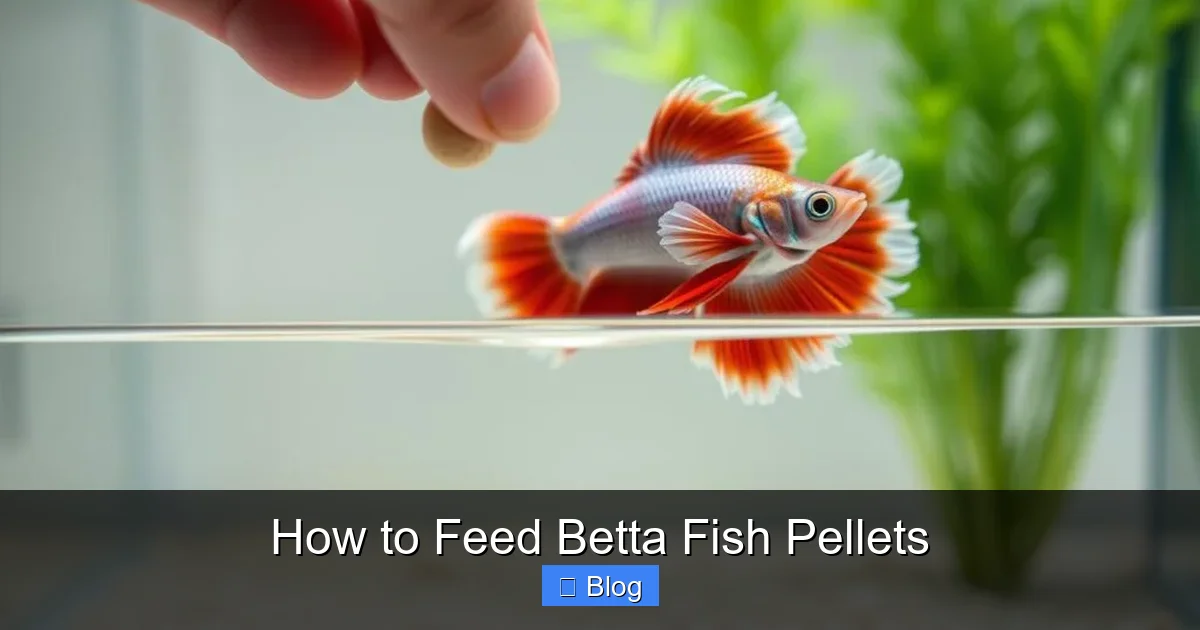
how to feed betta fish pellets is an essential topic that provides valuable insights and practical knowledge for anyone interested in learning more about this subject.
How to Feed Betta Fish Pellets
Have you ever watched a betta fish, with its flowing fins like silk underwater and its vibrant colors catching the light, and wondered, “Am I feeding this little king or queen right?” I know I have. When I first brought home my betta, Bubbles, I was overwhelmed. The pet store aisle was a maze of flakes, frozen foods, and tiny jars of what looked like colored sand. I chose flakes because they were cheap and easy. Big mistake. Bubbles became lethargic, his colors dulled, and he’d scatter whenever I approached the tank. That’s when a seasoned aquarist friend sat me down and said, “Buddy, it’s time you learned how to feed betta fish pellets properly.” It was a game-changer. This isn’t just about dropping food in the water; it’s about understanding your betta’s carnivorous nature, preventing common health issues, and unlocking their true, dazzling potential. If you’ve ever felt that nagging doubt that you’re not getting your betta’s diet quite right, you’re in the right place. Let’s dive in together.
Feeding betta fish pellets seems simple, but it’s a cornerstone of their care that many get wrong. Overfeeding leads to constipation and dirty water. Underfeeding leaves them listless and vulnerable. The wrong pellets can cause bloating and swim bladder issues. But when you master it, you see a transformation: brighter colors, more active exploration, playful flaring, and a longer, healthier life. This guide will walk you through everything, from selecting the perfect pellet to the exact technique for serving a gourmet meal your betta will adore. Forget guesswork; we’re going for precision and care.
Key Takeaways
- Understanding how to feed betta fish pellets: Provides essential knowledge for making informed decisions
- Practical applications: Can be applied in various real-world scenarios
- Key benefits: Offers significant advantages when properly implemented
- Important considerations: Requires attention to specific details and best practices
- Future implications: Continues to evolve and impact related fields
📑 Table of Contents
Why Pellets Are a Great Choice for Your Betta
Before we get to the “how,” let’s talk about the “why.” Why should pellets be the staple of your betta’s diet? It comes down to their biology. Betta fish are carnivores by nature. In the shallow rice paddies and streams of Southeast Asia, they snack on insects, larvae, and tiny crustaceans. Flakes, often the go-to for beginners, are usually plant-based and lack the essential animal proteins bettas crave. Pellets, when chosen correctly, are designed to mimic this high-protein, meaty diet.
Nutritional Powerhouses in Every Pellet
Quality betta pellets are formulated with a specific nutrient profile. They’re packed with animal-based proteins (like fish meal, shrimp, or krill) that provide essential amino acids for growth and vibrant coloration. They also contain healthy fats for energy and vital vitamins and minerals to boost immunity. Think of a good pellet as a complete multivitamin and steak dinner rolled into one bite-sized package. This balanced nutrition is harder to achieve with a varied diet of live or frozen foods alone, which can be inconsistent and carry disease risks.
Convenience, Control, and Cleanliness
Let’s be honest: life gets busy. Pellets offer unbeatable convenience. They have a long shelf life, are easy to store, and portion control is a breeze—no more guessing with a scoop of frozen bloodworms. This control is critical for preventing overfeeding, the #1 cause of digestive issues and water quality problems in betta tanks. Pellets also create less mess and waste compared to crumbly flakes or thawing frozen foods, helping you maintain a cleaner aquarium with less effort.
Choosing the Right Pellets for Your Betta
Not all pellets are created equal. Walking into a pet store and grabbing the first bag with a betta on the cover is a recipe for disappointment. The wrong pellet can be too large, too starchy, or nutritionally deficient. Choosing the right one is the first, most crucial step in how to feed betta fish pellets successfully.
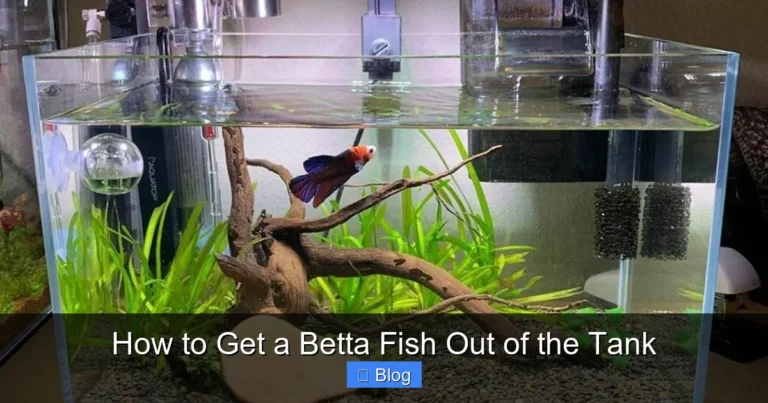
Visual guide about How to Feed Betta Fish Pellets
Image source: koibettafish.com
The Golden Rule: Pellet Size Matters
This is non-negotiable. A betta’s mouth is tiny—about the size of a grain of rice. Pellets must be small enough for them to eat comfortably. A pellet that’s too large can cause choking, stress, and is often simply ignored. Look for pellets specifically labeled for bettas or “micro-pellets” or “nano-pellets.” A good rule of thumb is that the pellet should be no wider than the space between your betta’s eyes. For young bettas (fry) or particularly small specimens, you may need to crush pellets gently between your fingers into a finer powder.
Decoding the Ingredient List: What to Look For
Become a label detective. Turn the bag over and read the ingredients. The first three ingredients should be high-quality, named animal proteins: fish meal, shrimp meal, squid meal, or krill meal. Avoid products where “wheat flour,” “soybean meal,” or “corn” appear at the top of the list—these are fillers that bettas can’t digest well and can lead to constipation and bloating. Also, look for added nutrients like spirulina (for digestion and color), beta-carotene, and vitamins C and E. A short, recognizable ingredient list is usually a good sign.
Top Pellet Types: Floating vs. Sinking
Most betta pellets are designed to float, which is ideal since bettas are surface and mid-level feeders. Floating pellets allow you to monitor exactly how much your betta eats and easily remove any uneaten bits with a net after 5 minutes. Sinking pellets are generally not recommended for bettas as they can get lost in the substrate, decompose, and foul the water. Stick with high-quality floating varieties.
Data Table: Quick Guide to Pellet Selection
| Betta Life Stage | Recommended Pellet Size | Feeding Frequency | Key Ingredient Focus |
|---|---|---|---|
| Adult (3+ months) | Small micro-pellet (1-2mm) | 1-2 times daily | High protein (40%+) from fish/krill |
| Juvenile (1-3 months) | Very small or crushed | 2-3 times daily | High protein, easy to digest |
| Fry (0-1 month) | Infusoria or powdered fry food | Multiple small feedings | Specialized fry formula, not adult pellets |
Note: Always research specific brands. When in doubt, consult reviews from experienced betta keepers.
How to Feed Betta Fish Pellets: A Step-by-Step Guide
Alright, you have the perfect pellets. Now, the ritual. How you feed is just as important as what you feed. A consistent, calm routine reduces stress and ensures your betta gets the nutrition it needs without the waste. Here’s my foolproof method, born from trial and error (and a few cloudy water crises).
Visual guide about How to Feed Betta Fish Pellets
Image source: koibettafish.com
Step 1: Prepare Your Pellets (The Soak Debate)
This is a hot topic in betta forums. Should you soak pellets before feeding? My experience says yes, for most pellets. Dry pellets expand in a betta’s stomach. If they eat them dry and then drink water, the pellets can swell inside them, leading to serious constipation and swim bladder disorder. To prevent this, place your measured pellets in a small cup of tank water for 5-10 minutes before feeding. They’ll soften and sink slightly, making them easier to eat and digest. Exception: Some high-quality, pre-soaked or “gel-based” pellets are designed to be fed dry. Check the package instructions. When in doubt, a quick soak is a safe bet.
Step 2: Determine the Right Portion Size
This is where most people fail. The rule of thumb is: feed an amount your betta can consume in 2-3 minutes, approximately 2-3 pellets per feeding for an adult. Their stomachs are roughly the size of their eye. Overfeeding is not kindness; it’s a fast track to health problems. I use a dedicated, dry feeding spoon or tweezers to measure. It feels ridiculously small at first, but trust me, your betta will be more active and healthier for it. For younger bettas, adjust portion size accordingly—they need more frequent, smaller meals.
Step 3: The Feeding Ritual
Consistency is key. Feed at the same times each day, ideally morning and evening. This creates a routine your betta can anticipate, reducing stress. Here’s how I do it:
- Signal Your Arrival: Gently tap the tank glass or call your betta’s name. This teaches them feeding time is coming.
- Drop the Pellets: Using your spoon or tweezers, drop the pre-soaked pellets directly in front of your betta. If they’re shy, you can drop them near a plant or decor they frequent.
- Watch and Wait: Observe your betta eat. They should dart up, grab the pellet, and chew. If they ignore it, try gently wiggling a pellet with tweezers to mimic movement.
- Clean Up: After 3-5 minutes, use a net to scoop out any uneaten pellets. This is crucial for water quality. Leftover food rots, creating ammonia spikes.
Step 4: Fasting is Your Friend
Yes, you read that right. I fast my betta one day a week, usually Sunday. This gives their digestive system a break, mimics natural feeding patterns where food isn’t always abundant, and helps prevent constipation. It’s one of the best things I’ve done for Bubbles’ long-term health. On fasting day, simply skip the feeding. Your betta will be fine and may even be more enthusiastic at the next meal.
Common Mistakes to Avoid When Feeding Pellets
Even with the best intentions, it’s easy to slip up. Recognizing these pitfalls is half the battle in learning how to feed betta fish pellets correctly. Let’s troubleshoot the most common errors.
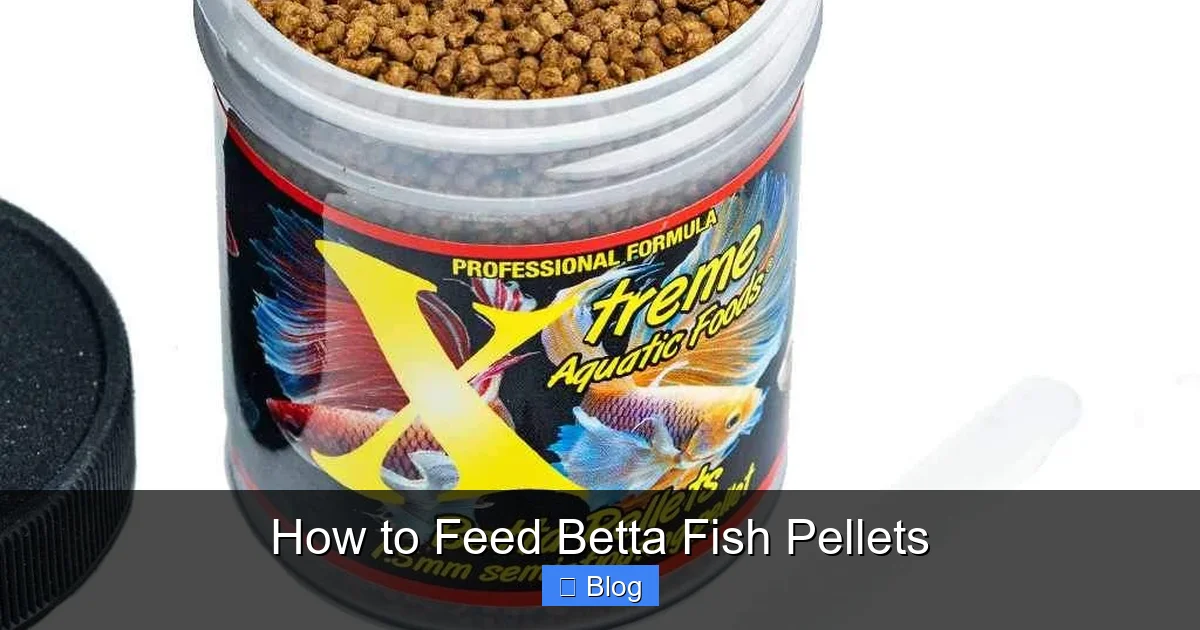
Visual guide about How to Feed Betta Fish Pellets
Image source: cdn.shopify.com
Mistake 1: The “Just One More Pellet” Syndrome
Your betta looks at you with those pleading eyes, swimming up and down the glass. It’s tempting to toss in an extra pellet. Resist! This is the fastest way to overfeed. Overfeeding leads to constipation (visible as a swollen belly and stringy feces), which can escalate to a life-threatening swim bladder disorder where your betta can’t swim upright. It also dirties the water rapidly. Stick to your measured portion, no exceptions.
Mistake 2: Ignoring Pellet Expansion
As mentioned, dry pellets expand. Feeding them dry is like giving your betta a expanding sponge in their stomach. Always soak unless the product specifically states it’s pre-soaked or gel-based. If you notice your betta getting bloated after meals, this is likely the culprit.
Mistake 3: Using Old or Improperly Stored Pellets
Pellets lose nutritional value and can become rancid over time, especially once the bag is opened and exposed to air and humidity. Always check the “best by” date. Store pellets in a cool, dry, dark place—not next to the humid aquarium! An airtight container in a pantry is ideal. If pellets smell off or have changed color, discard them.
Mistake 4: Relying Solely on Pellets (The Monotony Trap)
While pellets should be the staple, a varied diet is the gold standard. Think of pellets as your betta’s daily bread and butter. Supplement 2-3 times a week with high-protein treats: a small piece of blanched pea (for fiber), a few frozen or live daphnia, or a tiny bit of high-quality frozen bloodworm. This variety provides different nutrients and keeps your betta mentally stimulated.
The Link Between Proper Pellets and Betta Health
When you get how to feed betta fish pellets right, the benefits are spectacular and directly tied to your betta’s wellbeing. It’s not just about preventing sickness; it’s about promoting vibrant vitality.
Vibrant Colors and Fin Development
Ever seen a betta with colors so intense they look like living jewels? That starts with diet. Quality pellets rich in natural color enhancers like spirulina, krill, and astaxanthin (a carotenoid) boost reds, blues, and yellows. Proper protein supports strong, flowing fin development. A betta on a poor diet often has faded, washed-out colors and ragged or clamped fins.
Energy, Activity, and Behavior
A well-fed betta is an active betta. You’ll see them exploring every inch of the tank, flaring at their reflection (a sign of health and confidence!), and building bubble nests (a happy male’s hobby). They have steady, graceful swimming, not hovering at the bottom listlessly. Proper nutrition fuels their metabolism and immune system, making them more resilient to stress and disease.
Longevity and Disease Prevention
This is the big one. A betta fed a proper pellet-based diet, with appropriate portions and variety, can live 3-5 years, sometimes longer. Contrast that with a poorly fed betta that might succumb to fin rot, dropsy, or chronic constipation within a year. Good nutrition strengthens their immune system, helps them heal from minor injuries, and supports all vital organ functions. It’s the single most important factor you control for their lifespan.
Troubleshooting: When Your Betta Refuses Pellets
What if you’ve done everything right—chosen tiny, high-quality pellets, soaked them, offered them consistently—and your betta just turns up its nose? Don’t panic. This is a common issue, especially with bettas used to live foods or transitioning from a pet store’s diet. Patience and strategy are key.
Rule Out Health Issues First
A sudden loss of appetite is often the first sign of illness. Check for other symptoms: clamped fins, white spots, fraying fins, or lethargy. If you see these, test your water parameters immediately (ammonia, nitrite, nitrate, pH) and consider a common betta illness. Sometimes, a brief fast (24-48 hours) can help a constipated betta feel better and regain appetite.
The Gradual Transition Method
If your betta is healthy but picky, you need to transition slowly. Start by mixing a tiny amount of crushed pellets with their favorite food (e.g., frozen daphnia). Over 2-3 weeks, gradually increase the pellet ratio while decreasing the treat. Another trick: use tweezers to hold a single pellet and gently wiggle it in the water to mimic live prey movement. The goal is to associate the pellet with food and excitement.
Try Different Brands and Textures
Some bettas are just picky. One brand’s pellet might be too hard or have an unappealing flavor. Try a few different high-quality brands. Some pellets are softer “gel” based, others are crisper. You might also try “sinking” pellets that rest on the bottom, as some bettas prefer to forage down there. Persistence and variety (within healthy options) usually win out.
Conclusion
Feeding your betta fish pellets isn’t just a chore; it’s a daily act of care and connection. It’s about understanding that this little fish, with its royal demeanor, thrives on a diet that honors its carnivorous roots. We’ve walked through the why—the nutritional superiority and convenience of pellets. We’ve covered the critical first step of selecting the right size and ingredients. We’ve detailed the precise, gentle technique of preparation and feeding. We’ve highlighted the pitfalls to avoid, from overfeeding to ignoring pellet expansion. And we’ve seen how this simple practice directly fuels vibrant colors, boundless energy, and a long, thriving life.
My journey with Bubbles taught me that expertise isn’t about knowing everything from the start. It’s about observing, adjusting, and caring enough to get it right. Your betta doesn’t need a gourmet chef, but it does need a mindful caretaker who respects its simple, specific needs. Start today: check your pellet bag, soak those tiny bites, measure that minuscule portion, and watch the transformation. The most rewarding part isn’t just seeing brighter colors; it’s the trust that builds when your betta swims eagerly to the surface at the sound of your voice, knowing you’re about to provide exactly what it needs. That’s the real magic of how to feed betta fish pellets—it’s the foundation of a beautiful, healthy relationship between you and your aquatic companion.
Frequently Asked Questions
What is how to feed betta fish pellets?
how to feed betta fish pellets is an important topic with many practical applications and benefits.
How can how to feed betta fish pellets help me?
Understanding how to feed betta fish pellets can improve your knowledge and provide practical solutions.