How to Tell If Your Betta Fish Is Depressed
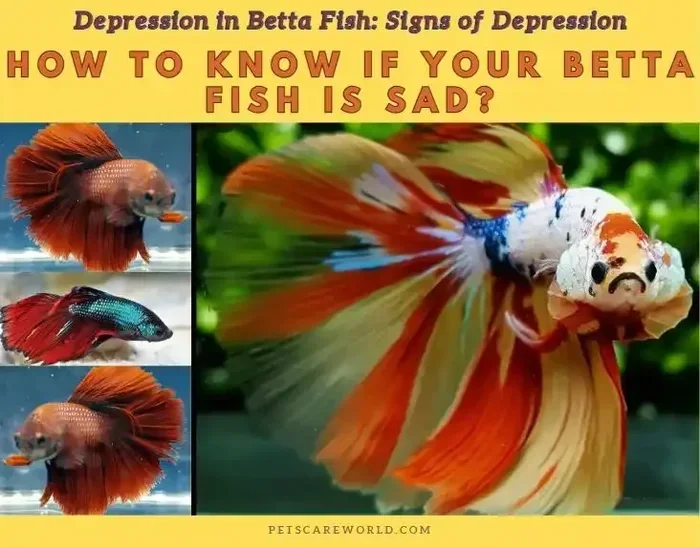
Figuring out how to tell if your betta fish is depressed starts with watching for key behavioral changes like lethargy, loss of appetite, and hiding. A depressed betta fish may lose its vibrant colors, stop exploring its tank, or show signs of boredom. The good news is that simple changes to your fish’s environment, diet, and routine can make a big difference in restoring your betta’s happiness and vitality.
Key Takeaways
- Lethargy and low energy are the most common signs that your betta fish is feeling down.
- Loss of color and appetite often signal emotional or physical distress in betta fish.
- A boring or cramped tank is one of the leading causes of betta fish depression.
- Adding enrichment, plants, and hiding spots can dramatically improve your betta’s mood.
- Regular water changes and proper tank mates play a big role in keeping your betta fish healthy and happy.
- Early detection matters — catching signs of depression early makes recovery much easier.
- Consult a vet if your betta fish shows severe symptoms that don’t improve with home care.
📑 Table of Contents
How to Tell If Your Betta Fish Is Depressed
Your betta fish is more than just a pretty face swimming around your living room. These little guys have personalities, moods, and emotional needs. Just like any pet, a betta fish can become depressed. And when that happens, it affects everything from their energy levels to their immune system. So how do you know when something is off? Let’s walk through the signs, causes, and solutions together.
Knowing how to tell if your betta fish is depressed is an essential skill for every betta owner. The signs are often subtle at first. You might think your fish is just being lazy or moody. But once you learn what to look for, the clues become much clearer. This guide breaks down everything you need to know, from the earliest warning signs to actionable steps you can take right now.
Whether your betta has been acting strange lately or you simply want to be a better fish parent, you are in the right place. We will cover the top symptoms, the most common causes, and the best ways to lift your betta’s spirits. Let’s dive in.
Top Signs Your Betta Fish Is Depressed
Betta fish are expressive creatures. They communicate how they feel through their behavior and appearance. Here are the most common signs that your betta fish may be depressed.
1. Lethargy and Low Energy
A healthy betta fish is curious and active. They explore their tank, swim to the surface for food, and interact with their environment. If your betta fish spends most of the day lying at the bottom of the tank or floating motionless, something is wrong. Lethargy is one of the first and most obvious signs of a depressed betta fish.
Now, let me be clear. Bettas do sleep. They rest during the night and sometimes take short naps during the day. But if your fish seems unusually tired all the time, it is worth paying attention. A betta that refuses to move or explore is not just relaxing. They are likely feeling low.
2. Loss of Appetite
Bettas are not picky eaters by nature. They get excited at feeding time. So when your betta fish starts ignoring food or leaving flakes uneaten, that is a red flag. A loss of appetite often goes hand in hand with depression in bettas. It can also signal illness, so it is important to rule out health problems.
Try offering their favorite food and see how they respond. If they still show zero interest after a day or two, it is time to investigate further. You can also check out what to do when your betta fish won’t eat for helpful tips on addressing feeding issues.
3. Fading Colors
One of the most striking signs of a depressed betta fish is a dulling of their vibrant colors. Healthy bettas display bright reds, deep blues, and vivid greens. When a betta becomes depressed or stressed, their colors fade. They may look pale or washed out.
This happens because stress hormones affect the pigment cells in a fish’s skin. It is similar to how humans might look tired or pale when they are feeling down. If your betta’s colors have lost their sparkle, it is worth looking at their overall well-being.
4. Hiding and Clownfish Behavior
Betta fish like to explore. They swim through plants, investigate decorations, and claim their territory. A depressed betta often hides behind plants, inside caves, or in corners of the tank. They may also clamp their fins close to their body instead of spreading them out.
This hiding behavior is a clear signal that your fish does not feel safe or content. It is their way of withdrawing from the world around them. If your betta suddenly becomes a recluse, take notice.
5. Excessive Gill Breathing
If you notice your betta fish breathing rapidly or gasping at the surface, do not ignore it. Rapid gill movement can indicate stress, poor water quality, or emotional distress. While this can also be a sign of physical illness, it is closely linked to a depressed state in many cases.
Check your water parameters first. Ammonia and nitrite spikes can cause breathing difficulties. But if the water is clean and your fish is still breathing heavily, emotional factors may be at play.
Common Causes of Betta Fish Depression
Understanding the root cause is the key to helping your betta recover. Here are the most common reasons betta fish become depressed.
1. Too Small a Tank
This is the number one cause of betta depression. Many people keep bettas in tiny bowls or vases. A betta fish needs space to swim and explore. A tank smaller than five gallons is generally too small for a single betta. The confined space can feel like a prison, leading to boredom and sadness.
If you are currently keeping your betta in a small bowl, consider upgrading to a larger tank. Even a simple tank decoration setup in a bigger space can transform your fish’s quality of life.
2. Lack of Enrichment
Just like any pet, bettas need mental stimulation. A bare tank with nothing to do gets boring fast. Without plants, caves, or things to explore, a betta fish can become depressed from sheer boredom. They need an environment that challenges their natural instincts.
Adding live or silk plants, driftwood, and gentle water flow can make a huge difference. You can also play games with your betta fish to keep their mind active and engaged.
3. Poor Water Quality
Dirty water stresses fish out. Ammonia buildup, high nitrates, and fluctuating pH levels all contribute to a depressed state. Bettas are sensitive to water conditions. Even small changes in water quality can affect their mood and health.
Regular water changes are essential. Aim for a 25 to 30 percent water change every week. You can also learn more about maintaining clean water in this guide on how to change your betta fish water.
4. Loneliness and Lack of Companionship
Bettas are solitary fish, but that does not mean they do not get lonely. In the wild, they still interact with their environment and other creatures. A completely empty tank with no movement or life can feel isolating for your betta.
Some owners add peaceful tank mates like snails or shrimp. Others simply spend time near the tank, talking to their fish or providing visual stimulation. Whatever works, the goal is to make your betta feel connected to the world around them.
5. Sudden Changes in Routine
Bettas thrive on routine. Moving their tank to a different location, changing the lighting schedule, or rearranging decorations can all cause stress. These disruptions can trigger a depressed response in sensitive fish.
If you need to make changes, do them gradually. Give your betta time to adjust. Consistency in feeding times, lighting, and tank placement helps your fish feel secure.
How to Help Your Depressed Betta Fish
Now that you know the signs and causes, let us talk about solutions. The good news is that betta fish depression is often reversible with the right adjustments.
1. Upgrade the Tank
If your betta is living in a bowl or a tank smaller than five gallons, upgrade now. A larger tank with proper filtration gives your fish room to thrive. A 10-gallon tank is an excellent starting point for a single betta.
2. Add Plants and Decorations
Live plants are ideal because they also help clean the water. Silk plants are a good alternative if live plants are too tricky to maintain. Add caves, rocks, and driftwood to create a stimulating environment. Your betta will love exploring and claiming new territories.
3. Improve Water Quality
Test your water regularly. Keep ammonia and nitrite at zero. Nitrates should stay below 20 ppm. Perform regular water changes and vacuum the substrate to remove waste. Clean water equals a happier, healthier betta.
4. Provide a Balanced Diet
Variety is key. Feed your betta a mix of high-quality pellets, frozen bloodworms, and brine shrimp. Avoid overfeeding, which can lead to health problems. A nutritious diet supports both physical and emotional well-being.
5. Interact with Your Fish
Spend time near your tank. Talk to your betta gently. Move your finger slowly along the glass (only if your betta is comfortable with it). You can also try teaching your betta fish tricks to build a bond and provide mental stimulation.
6. Monitor and Be Patient
Recovery does not happen overnight. It may take days or even weeks for your betta to bounce back. Keep monitoring their behavior, appetite, and colors. Celebrate small improvements. And if things do not get better, consult a veterinarian who specializes in fish health.
Betta Fish Depression vs. Illness: How to Tell the Difference
Here is an important distinction. Many symptoms of depression overlap with symptoms of illness. A betta fish that is lethargic and not eating could be depressed, or it could be sick. You need to evaluate the full picture.
If your betta is showing physical symptoms like white spots, torn fins, swollen body, or unusual discharge, illness is likely the cause. In those cases, how to help a betta fish that is sick should be your first priority. Treating the illness often resolves the emotional symptoms as well.
However, if your betta looks physically healthy but still shows behavioral changes like hiding, lethargy, and disinterest in food, depression is the more likely culprit. In these cases, focus on environmental and lifestyle changes rather than medical treatment.
| Symptom | Likely Depression | Likely Illness |
|---|---|---|
| Lethargy | Yes, especially with a boring tank | Yes, especially with other physical symptoms |
| Loss of Appetite | Gradual, intermittent | Sudden, persistent |
| Faded Colors | Slow fading over days or weeks | Rapid color loss, often with other symptoms |
| Hiding | New behavior, no physical signs | May include clamped fins or visible spots |
| Rapid Breathing | Water quality issues, stress | Infection, parasites, poor water |
If you are ever unsure, it is always safe to check how to tell if my betta fish is sick as well. Better to rule out illness first before focusing solely on emotional causes.
Prevention: Keeping Your Betta Fish Happy Long-Term
Prevention is always better than cure. Here are simple habits that keep your betta fish feeling great every day.
- Keep the tank at least five gallons with a gentle filter and heater.
- Perform weekly water changes of 25 to 30 percent.
- Add live or silk plants and plenty of hiding spots.
- Feed a varied diet with high-quality pellets and occasional treats.
- Stick to a consistent routine for feeding and lighting.
- Spend time near the tank to provide social interaction and stimulation.
- Observe your betta daily so you catch changes early.
Taking these steps dramatically reduces the risk of depression. A well-cared-for betta fish is a happy betta fish. And a happy betta is a joy to watch and care for every single day.
Final Thoughts
Learning how to tell if your betta fish is depressed is one of the most valuable things you can do as a betta owner. Your fish cannot tell you in words when something is wrong. But they show you through their behavior, their colors, and their appetite. The signs are there if you know where to look.
The most important thing to remember is that you have the power to make a difference. Small changes to the tank, the diet, and the daily routine can transform your betta’s mood and overall health. Be patient, be observant, and be consistent. Your betta fish will thank you with vibrant colors, energetic swimming, and a happy, healthy life.
If you want to go deeper into keeping your betta joyful, check out how to make your betta fish happy for even more tips and strategies. Your fish deserves a great life, and you now have the knowledge to give it to them.
Frequently Asked Questions
Can betta fish really get depressed?
Yes, betta fish can become depressed. They are intelligent and sensitive creatures that respond to their environment. A boring tank, poor water quality, or lack of stimulation can all lead to depressive symptoms in bettas.
How long does it take for a betta fish to recover from depression?
Recovery time varies depending on the severity of the depression and how quickly you make changes. Some bettas show improvement within a few days, while others may take several weeks. Consistency with tank maintenance and enrichment is key.
Is my betta fish depressed or just sleeping?
Bettas do sleep, especially at night or in dim lighting. A sleeping betta will still be responsive when disturbed and will resume normal activity after waking. A depressed betta shows persistent lethargy, loss of appetite, and disinterest even during active hours.
What tank size is best for preventing betta depression?
A tank of at least five gallons is recommended for a single betta. Larger tanks, such as 10 gallons, provide even more space for swimming and exploration. A bigger tank with proper enrichment significantly reduces the risk of depression.
Can adding tank mates help a depressed betta fish?
Sometimes. Peaceful tank mates like snails or small shrimp can provide stimulation without stressing your betta. However, bettas are solitary fish, so tank mates should be chosen carefully. Never add another male betta or a flashy, fin-nipping fish.
When should I see a vet for my depressed betta fish?
If your betta shows no improvement after making environmental changes, or if physical symptoms like white spots, swollen body, or torn fins appear, consult a fish veterinarian. These could indicate an underlying illness that needs medical treatment alongside emotional care.
=== INTERNAL LINKS USED ===
Internal links used: 4