
Can Betta Fish Eat Freeze Dried Brine Shrimp
Freeze‑dried brine shrimp are a safe, nutritious treat for most betta fish when prepared correctly. They offer protein, variety, and can boost color, but must be rehydrated and fed in moderation to avoid digestive issues.
Key Takeaways
- Safe with preparation: Freeze‑dried brine shrimp are fine for bettas once re‑hydrated and rinsed.
- Protein boost: They provide high‑quality protein that supports growth and vibrant fins.
- Moderation matters: Over‑feeding can cause constipation and water quality problems.
- Watch for additives: Choose products without preservatives, coloring, or added salt.
- Variety is key: Use brine shrimp as a supplement, not a staple, alongside pellets or flakes.
- Observe your fish: Every betta reacts differently; monitor for appetite and digestion.
- Easy prep: A quick soak in water (room temperature or slightly warm) makes them perfect for bettas.
Quick Answers to Common Questions
What is the best way to rehydrate freeze‑dried brine shrimp?
Place a pinch in room‑temperature water for 2‑3 minutes, let them swell, then gently discard excess water before feeding.
Can I feed freeze‑dried brine shrimp to a juvenile betta?
Yes, but only half a shrimp once a week and always rehydrated to avoid digestive stress.
Do freeze‑dried brine shrimp contain added salt?
Some brands add salt for preservation; choose “no‑salt added” varieties to keep tank salinity safe.
How often should I feed freeze‑dried brine shrimp?
For adults, 1‑2 pieces 2‑3 times per week is ideal; treat them as a supplement, not a staple.
Will my betta get all the nutrients it needs from brine shrimp alone?
No. Brine shrimp are high in protein but lack many vitamins and minerals found in complete betta pellets or flakes.
📑 Table of Contents
- Introduction: Why the Question Comes Up
- Understanding Freeze‑Dried Brine Shrimp
- Can Betta Fish Eat Freeze Dried Brine Shrimp? The Short Answer
- Preparing Freeze‑Dried Brine Shrimp for Your Betta
- Feeding Frequency and Portion Control
- Benefits of Freeze‑Dried Brine Shrimp for Betta Health
- Potential Risks and How to Avoid Them
- Practical Tips for Everyday Feeding
- Conclusion: Making an Informed Decision
Introduction: Why the Question Comes Up
If you’ve ever watched a betta flick its fins at a moving speck of food, you know these little warriors love a good hunt. Many hobbyists wonder, “can betta fish eat freeze dried brine shrimp?” The answer isn’t a simple yes or no—it depends on how you prepare the shrimp, how often you offer them, and what else your betta is already eating.
Freeze‑dried brine shrimp (often sold as “BR‑S”) are a pantry staple for many aquarists. They’re lightweight, long‑lasting, and pack a protein punch. For a betta that spends most of its day perched on a leaf or plant, a tiny shrimp can be an exciting, natural‑looking snack.
In this guide we’ll break down the nutritional profile of freeze‑dried brine shrimp, walk through step‑by‑step preparation, discuss feeding frequency, and answer the most common concerns. By the end you’ll know exactly how and when to feed this treat, and whether it fits into your betta’s overall diet.
Understanding Freeze‑Dried Brine Shrimp
What Are They?
Brine shrimp (Artemia) are tiny crustaceans that thrive in salty ponds. Commercially, they are harvested, cleaned, and then flash‑frozen before being dried at low temperatures. The process locks in nutrients while creating a shelf‑stable product.

Visual guide about Can Betta Fish Eat Freeze Dried Brine Shrimp
Image source: cdn.4travel.jp
Nutritional Highlights
- Protein: 55‑65% dry weight – excellent for muscle growth.
- Essential fatty acids: Omega‑3s that help keep a betta’s fins bright.
- Vitamins: B‑complex, vitamin A, and trace minerals.
- Low fat: Helps prevent obesity in captive bettas.
These numbers make freeze‑dried brine shrimp a “superfood” compared to many processed flakes, but they are still a treat, not a complete diet.
Can Betta Fish Eat Freeze Dried Brine Shrimp? The Short Answer
Yes—provided you rehydrate them properly and feed them in small amounts. A healthy adult betta can safely consume a few pieces a few times a week. Juvenile bettas, however, have more delicate digestive systems and may need extra caution.
For a deeper dive into related foods, check out our article on what can betta fish eat. It outlines other protein sources and how they compare to brine shrimp.
Preparing Freeze‑Dried Brine Shrimp for Your Betta
Step 1: Choose the Right Product
Look for brands that list “100% freeze‑dried brine shrimp” as the sole ingredient. Avoid those with added preservatives, artificial colors, or high salt content. A clean label means fewer surprises for your fish’s gut.
Step 2: Rehydrate Properly
1. Measure a pinch (about 1‑2 shrimp) into a small cup.
2. Add room‑temperature water—just enough to cover the shrimp.
3. Let them sit for 2‑3 minutes. They will swell to roughly double their size.
4. Gently stir and discard excess water.
Why rehydrate? Dry shrimp expand in the stomach, which can cause constipation. A quick soak restores their natural texture and makes them easier to swallow.
Step 3: Rinse (Optional but Recommended)
If you’re concerned about dust or any residual chemicals, give the rehydrated shrimp a quick rinse under filtered water. This step adds a few seconds to prep time but can improve water quality.
Step 4: Serve
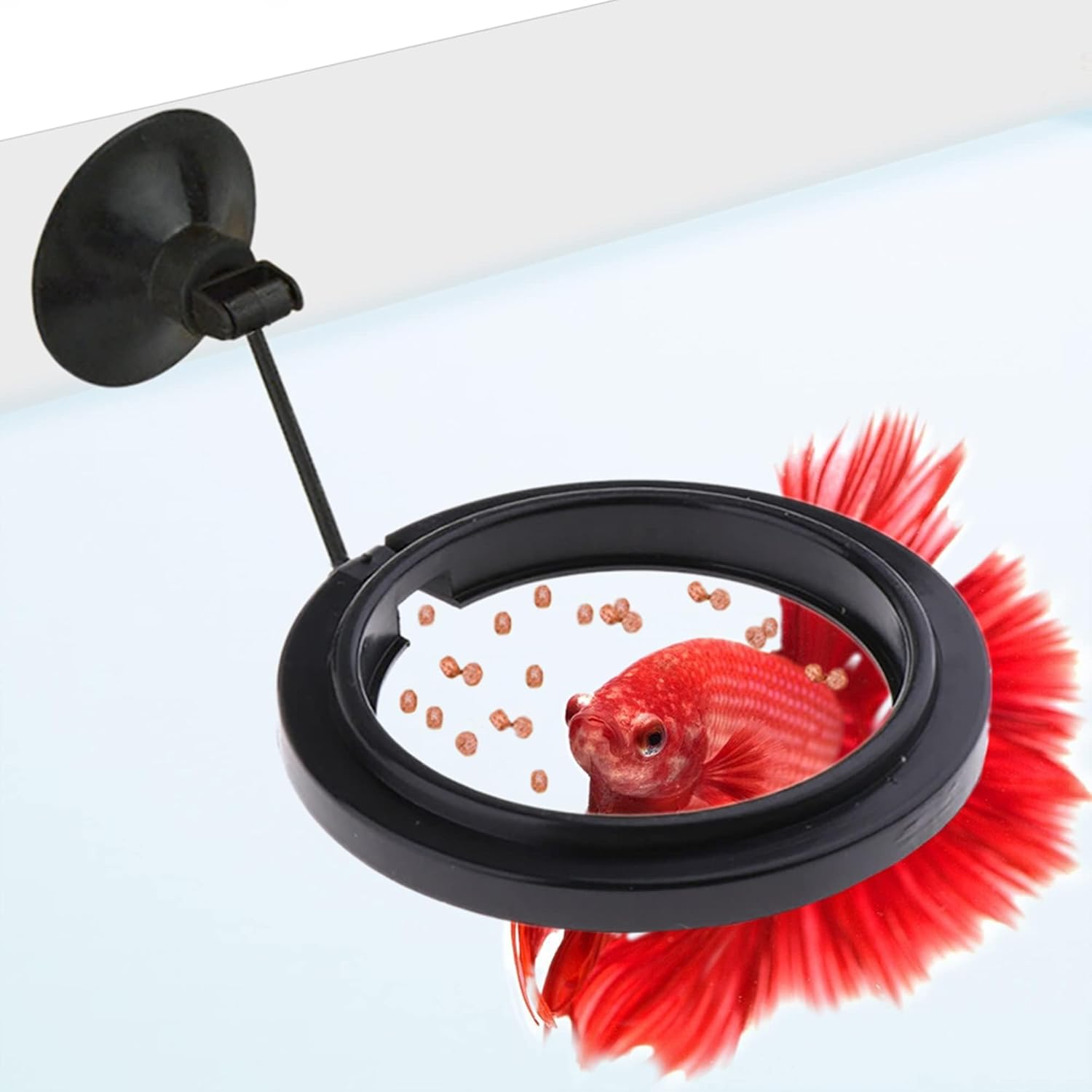
Use a pair of tweezers or a feeding spoon to place the shrimp near the surface where your betta usually feeds. Watch as it darts for the moving morsel—this is natural hunting behavior that keeps them mentally stimulated.
Feeding Frequency and Portion Control
How Much Is Too Much?
A typical adult betta eats about 2‑4% of its body weight per day. Freeze‑dried brine shrimp are dense, so a single shrimp (after rehydration) often satisfies a small portion of that requirement. Over‑feeding can lead to:
- Constipation
- Cloudy water from excess waste
- Loss of appetite for their staple diet
Suggested Schedule
- Adult betta: 1‑2 rehydrated shrimp, 2‑3 times per week.
- Juvenile betta: Half a shrimp, once a week, monitoring for any signs of digestive upset.
- Special occasions: Use larger pieces as a “treat” during breeding or color‑enhancement phases.
Combining With Other Foods
Never replace a balanced pellet or flake diet with brine shrimp alone. Pair a small serving of shrimp with a high‑quality betta pellet to ensure vitamins and minerals are covered. For more ideas on balanced meals, see our guide on can betta fish eat tropical flakes.
Benefits of Freeze‑Dried Brine Shrimp for Betta Health
Protein Power
Protein is the building block for muscle and fin tissue. Bettas that receive adequate protein often display richer coloration and stronger fins—especially important during breeding season.
Improved Digestion
When rehydrated, brine shrimp act like a soft, easy‑to‑digest snack. They can help move food through the gut, reducing the risk of constipation that sometimes occurs with dry pellets.
Natural Hunting Instinct
Live or moving food triggers a betta’s predatory drive. Even a rehydrated shrimp that drifts slowly can stimulate this instinct, reducing boredom and stress.
Potential Color Enhancement
The omega‑3 fatty acids in brine shrimp may enhance the intensity of reds and blues in some bettas. While genetics are the main factor, a diet rich in healthy fats can give that extra sparkle.
Potential Risks and How to Avoid Them
Constipation and Swim‑Bladder Issues
If you skip the rehydration step, the dry shrimp can expand inside the stomach, leading to blockage. Always follow the 2‑minute soak rule.
Water Quality Decline
Uneaten shrimp quickly decompose, releasing ammonia. Feed only what your betta can consume in a few minutes, and perform regular water changes.
Allergic Reactions or Sensitivities
Some bettas may be sensitive to the chitin in shrimp shells. If you notice lethargy, loss of appetite, or unusual spots after feeding, stop offering shrimp and consult a vet.
Added Salt or Preservatives
Brands that spray shrimp with salt to improve shelf life can raise the salinity in a small betta tank, stressing the fish. Choose “no‑salt added” products.
Practical Tips for Everyday Feeding
Batch Prep
Soak a small batch (5‑10 shrimp) in a container and store the rehydrated shrimp in the refrigerator for up to 24 hours. This saves time during busy weeks.
Use a Feeding Schedule
Mark your calendar: Monday and Thursday—reconstituted shrimp; other days—pellets. Consistency helps maintain stable water parameters.
Observe and Adjust
Watch your betta’s reaction. If it eagerly eats every piece, you’re likely feeding the right amount. If leftovers pile up, cut the portion in half.
Combine With Live Foods
Occasional live or frozen brine shrimp can add variety. Freeze‑dried shrimp are a convenient backup when live foods aren’t available.
Conclusion: Making an Informed Decision
So, can betta fish eat freeze dried brine shrimp? Absolutely—when you rehydrate, rinse, and feed them responsibly. They offer a protein‑rich, engaging snack that can improve color and stimulate natural hunting behavior. However, they should complement a balanced diet of high‑quality pellets or flakes, not replace it.
By following the preparation steps, monitoring portion sizes, and keeping an eye on water quality, you’ll give your betta a tasty treat that supports health and happiness. Remember, every betta is unique; start with a tiny amount, watch the response, and adjust as needed. Happy feeding!
Frequently Asked Questions
Can betta fish eat freeze dried brine shrimp without rehydrating?
It is not recommended. Dry shrimp can expand in the stomach, causing constipation and potential swim‑bladder issues.
Are there any health benefits to feeding brine shrimp?
Yes. They provide high‑quality protein, essential fatty acids, and can help enhance fin coloration when fed regularly.
What should I do if my betta shows signs of constipation after eating shrimp?
Offer a small amount of peeled peas (cooked and mashed) to aid digestion and perform a partial water change.
Can I mix freeze‑dried brine shrimp with other treats?
Absolutely. Combine them with occasional live or frozen brine shrimp for variety, but keep the overall protein intake balanced.
Is it safe to feed freeze‑dried brine shrimp to a betta that lives with shrimp?
Yes, as long as you use a separate feeding spot. For more on cohabitation, read our article on can betta fish live with shrimp.
How long can rehydrated brine shrimp be stored?
Stored in the refrigerator, they stay fresh for up to 24 hours. Discard any that develop an off‑smell or cloudiness.




One Comment