How to Tell If Your Betta Fish Is Getting Old
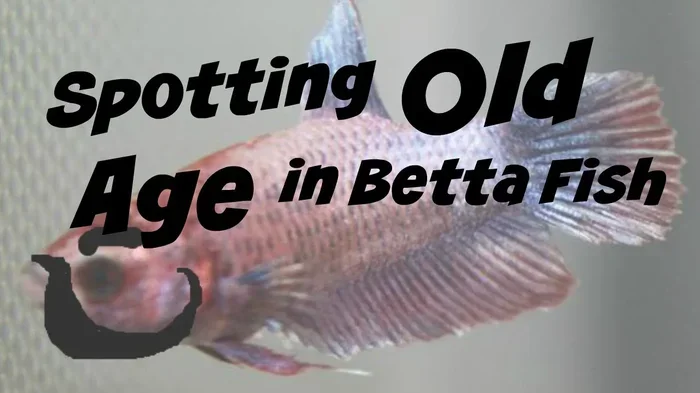
Knowing how to tell if your betta fish is getting old helps you provide better care. Your betta may show changes in color, activity level, and appetite as it ages. This guide covers all the key signs and what you can do to support your aging fish.
Have you had your betta fish for a while and noticed some changes? Maybe its colors seem a bit faded, or it doesn’t swim around as much as it used to. These could be signs that your betta is getting old. Knowing how to tell if your betta fish is getting old is important for every fish owner. It helps you give your friend the best life possible in its later years.
The average betta fish lifespan is about 3 to 5 years. Some well-cared-for bettas live even longer. As they age, their bodies and behavior change in noticeable ways. This article will walk you through each sign step by step. You will learn what to look for and how to respond. By the end, you will feel confident in caring for your aging betta.
Key Takeaways
- Color Fading: One of the most visible signs that your betta is aging is a dulling or fading of its vibrant colors.
- Reduced Activity: Older bettas tend to swim less and rest more often than younger fish.
- Appetite Changes: A aging betta may eat less or show less interest in food.
- Fin Deterioration: Fins may become ragged, shorter, or show signs of wear in older fish.
- Spotting Early: Catching aging signs early lets you adjust care routines to keep your betta comfortable.
- Veterinary Care: Regular check-ups help distinguish normal aging from illness in senior bettas.
📑 Table of Contents
Understanding the Betta Fish Aging Process
Just like people, betta fish go through changes as they grow older. Their bodies slow down. Their immune systems weaken. Their vibrant colors may fade. Understanding this process is the first step in providing great care for a senior betta.
A betta fish goes through different life stages. In the first year, it grows rapidly. By year two, it reaches full size and peak health. Around year three and beyond, subtle changes begin. These are normal parts of the aging process. They are not always a cause for alarm.
What makes this topic so important is that many fish owners miss the early signs. They think their betta is just being lazy or picky. In reality, the fish may be showing clear aging betta symptoms. Catching these signs early gives you time to adjust the care routine. This can make a huge difference in your betta’s comfort and quality of life.
How Long Do Betta Fish Live?
Most bettas live between 3 and 5 years. Some live up to 6 years with excellent care. Factors like diet, water quality, and tank conditions play a big role. A betta kept in a small bowl with poor water may only live 1 to 2 years. A betta in a clean, warm tank with a good diet often thrives longer.
If you have had your betta for several years, you are likely entering the senior phase. This is when you need to pay extra attention. Small changes in behavior or appearance become more meaningful. They are your clues that your fish is entering a new stage of life.
Physical Signs Your Betta Fish Is Getting Old
The body of your betta tells you a lot about its age. Watch for these physical changes carefully. They are among the most reliable aging betta signs.
Color Fading and Fading Colors
One of the first things you will notice is color fading. Young bettas have bright, vivid colors. Their reds are deep. Their blues are rich. Their fins look almost translucent and vibrant. As your betta ages, these colors may become dull. The reds might look more pink. The blues might look more grey. This is a completely normal part of aging.
Some bettas also develop pale patches or white spots on their bodies. These are not always a sign of illness. They often appear simply because the fish is getting older. However, you should still keep an eye on them. If the spots spread quickly or seem to bother your fish, check for disease.
Fin Deterioration and Fin Wear
Fin deterioration is another clear sign. Young bettas have long, flowing fins that look healthy and smooth. As they age, fins may become shorter and more ragged. The edges might look torn or frayed. This happens because the fish’s body slows down its ability to repair and grow fins.
You might also notice that the fins curl or droop more than before. This is common in older bettas. It does not always mean something is wrong. But you should keep the water clean to prevent infections. Damaged fins in senior fish heal much slower than in younger ones.
Body Shape Changes
Older bettas may change in body shape. Some become thinner as their appetite decreases. Others may develop a slightly rounded belly. This can happen from overeating or from a condition called dropsy. Dropsy is more common in aging fish because their organs weaken over time.
If you notice sudden swelling or a very thin body, this is worth investigating. Normal aging changes happen slowly. Sudden changes often point to a health problem that needs attention.
Behavioral Changes in Aging Betta Fish
Behavior changes are some of the easiest signs to spot. You know your betta better than anyone. You know how active it is and what it likes to do. When behavior shifts, it is often one of the first clues that something is changing.
Reduced Activity and Lethargy
A young betta loves to explore. It swims around the tank, checks out its decorations, and builds bubble nests. An aging betta swims much less. It may spend more time resting near the bottom of the tank or floating in one spot. This reduced activity level is a normal sign of aging.
Do not mistake this laziness for illness right away. Many older bettas simply have less energy. They move at a slower pace. If your fish is still eating and breathing normally, the low energy might just be age. But if your betta stops eating entirely or seems to struggle to breathe, that is a different story.
Changes in Sleep Patterns
Older bettas tend to sleep more. They may rest for longer periods during the day. Some bettas become very still at the bottom of the tank and barely move. This is not always a problem. But if your betta seems overly tired or unresponsive, check the water temperature. Cold water can make older fish even more sluggish.
Keeping the tank at a steady 78 to 80 degrees Fahrenheit helps aging bettas stay comfortable. Warm water supports their metabolism and keeps them more active. This is a simple change that can make a big difference.
Loss of Interest in Food
Appetite changes are very common in senior bettas. A young betta will eagerly swim to the top every feeding time. An older betta might not react at all. It may eat slowly or leave food behind. This is a natural part of the aging process.
However, you need to make sure your betta is still getting enough nutrition. Try offering smaller portions more often throughout the day. Soak dry food before feeding it. This makes it easier for older fish to digest. If your betta completely refuses food for more than two days, look into how to help a betta fish that is sick. Loss of appetite can also signal illness, not just age.
Bubble Nest Changes
Male bettas build bubble nests as part of their natural behavior. In older fish, these nests may become smaller or less frequent. Some senior males stop building them altogether. This is perfectly normal and does not mean anything is wrong with your fish.
If your betta has stopped building bubble nests, do not worry. It is simply a sign that its breeding drive has weakened with age. This is one of those changes that is purely about getting older and not a health concern.
How to Tell the Age of Your Betta Fish
If you are not sure how old your betta is, there are a few ways to estimate its age. Knowing the approximate age helps you understand what changes to expect. It also helps you plan the right care routine.
One of the best ways to learn more about this is to check out how to tell the age of a betta fish. That guide covers the specific markers you can look for, like color development, fin length, and body size. It is a great companion piece to this article.
Age Markers to Look For
Young bettas under one year tend to have very bright colors and long fins. They are active and curious. They build bubble nests regularly. By around age two, they reach full maturity. Between ages three and four, you will likely start noticing the first signs of aging. Colors may dull slightly. Activity may decrease a bit. By age five and beyond, most bettas show clear signs of being senior fish.
If you bought your betta from a pet store, it was likely around 4 to 6 months old. This means it is already halfway through its life by the time you bring it home. Keep this in mind as you plan for the long term.
Why Knowing the Age Matters
Knowing how old your betta is helps you set the right expectations. You will not panic when you see color fading at age four. You will understand that it is normal. On the other hand, if your betta is only one year old and showing aging signs, something else might be going on. Early aging can point to poor water quality, stress, or illness.
Being aware of your betta’s age also helps you make smart decisions about its care. You can adjust the diet, the tank setup, and the cleaning schedule to match its needs. This proactive approach is the best thing you can do for an aging fish.
How to Care for an Aging Betta Fish
Once you know your betta is getting older, you can take steps to make its life better. Senior bettas need a little extra attention. Small adjustments to their routine go a long way.
Adjust the Diet
Older bettas have slower digestion. They do not process food the same way young fish do. Switch to easily digestible foods. Soak pellets before feeding them. Offer live or frozen foods like bloodworms and brine shrimp in small amounts. Feed smaller portions twice a day instead of one large meal.
Avoid overfeeding. Uneaten food rots in the tank and pollutes the water. Poor water quality hits older fish harder because their immune systems are weaker. A clean tank is one of the best things you can do for a senior betta.
Keep the Water Clean and Warm
Water quality becomes even more important for aging fish. Do partial water changes every week. Use a gentle gravel vacuum to remove waste. Test the water parameters regularly. Ammonia and nitrite should always be at zero. Nitrate should stay below 20 ppm.
Temperature is also critical. Keep the tank between 78 and 80 degrees Fahrenheit. Use a reliable heater with a thermostat. Older bettas are more sensitive to temperature swings. A stable warm environment helps them stay comfortable and supports their immune system.
Reduce Stress in the Tank
Stress weakens the immune system. This is especially true for older fish. Keep the tank in a quiet area of your home. Avoid placing it near loud speakers or high-traffic walkways. Use soft lighting and avoid sudden changes in the tank setup.
If you have other fish in the tank, consider whether they are causing stress. Older bettas are less able to defend themselves. They may get chased or bullied. A peaceful tank setup is essential for a senior betta. If you want to make your fish happier, you can also explore how to make your betta fish happy. That guide has great tips for enriching your betta’s environment at any age.
When to See a Vet
Sometimes it is hard to tell the difference between aging and illness. This is where professional advice becomes valuable. If you notice sudden changes, seek help from a fish vet or an experienced aquarist. Signs that need immediate attention include:
- White spots on the body or fins
- Labored breathing or gasping at the surface
- Complete refusal to eat for more than two days
- Visible swelling or bloating
- Loss of balance or swimming sideways
These symptoms could point to illness rather than normal aging. The sooner you act, the better the chances of helping your fish recover. Learning how to tell if my betta fish is sick can help you distinguish between age-related changes and disease symptoms.
Common Mistakes When Caring for Senior Betta Fish
Even well-meaning owners make mistakes with older bettas. Being aware of these pitfalls helps you avoid them.
Ignoring the Signs
The biggest mistake is dismissing changes as “just getting old.” While some changes are normal, others are not. Ignoring warning signs can lead to unnecessary suffering. Always stay observant and take notes on any changes you notice.
Overfeeding
Older bettas eat less, but some owners try to force-feed them. This does more harm than good. Overfeeding causes bloating, constipation, and poor water quality. Follow a feeding schedule and remove uneaten food after a few minutes.
Making Sudden Tank Changes
Aging fish are sensitive to change. Rearranging the tank decorations or changing the filter media all at once can stress them out. Make changes slowly and one at a time. This gives your betta time to adjust.
Skipping Regular Maintenance
Some owners think that because the fish is old, it does not need clean water. This is wrong. In fact, older fish need clean water even more. Their weakened immune systems make them more vulnerable to toxins. Keep up with your regular maintenance schedule without cutting corners.
Final Thoughts on Aging Betta Fish
Caring for an aging betta is a rewarding experience. It gives you the chance to give back to a fish that has brought you joy for years. By learning how to tell if your betta fish is getting old, you are already ahead of the game. You are showing your fish love and attention in its later years.
Remember that every betta ages differently. Some show clear signs by age three. Others stay bright and active well into their fifth year. Watch your fish closely. Trust your instincts. And when in doubt, seek expert advice. Your senior betta deserves the best care you can give it.
If you want to strengthen the bond you share with your aging fish, consider exploring how to grow a bond with your betta fish. It is never too late to build a deeper connection with your companion. The time and attention you give now will make these final years meaningful for both of you.
Frequently Asked Questions
How do you know if your betta fish is getting old?
You can tell if your betta fish is getting old by watching for fading colors, reduced activity, appetite changes, and fin deterioration. These are the most common aging signs. If your betta is over three years old and showing these changes, it is likely entering its senior years.
What age is a betta fish considered old?
A betta fish is generally considered old around age three to four. Most bettas live between 3 and 5 years. By age three, you may start noticing subtle changes in behavior and appearance. This is the time to adjust your care routine to support your aging fish.
Can aging betta fish still be happy?
Yes, aging betta fish can still be happy with the right care. Keep the water clean, maintain a warm temperature, and offer easy-to-digest food. Reducing stress and providing a peaceful environment goes a long way. You can also learn how to know if your betta fish is happy to better understand its comfort level.
Is my old betta fish dying or just aging?
It can be hard to tell the difference between aging and dying. Normal aging happens gradually over months. Signs of a dying betta come on suddenly and severely. Look for symptoms like loss of balance, extreme lethargy, labored breathing, and complete refusal to eat. If you notice these, seek help immediately.
What should I feed an old betta fish?
Feed older bettas small, easily digestible meals. Soak pellets before offering them. Live or frozen foods like bloodworms and brine shrimp are excellent choices. Feed twice a day in small portions. Avoid overfeeding, as older fish have slower digestion and are more prone to constipation.
How can I tell if my betta fish is sick or just old?
Normal aging changes happen slowly and mildly. Illness causes sudden and severe symptoms. Check for white spots, swelling, rapid breathing, and loss of balance. If you are unsure, compare your fish’s symptoms with a guide on how to tell if my betta fish is sick. When in doubt, consult a fish veterinarian for a proper diagnosis.
=== INTERNAL LINKS USED ===
Internal Links in This Article: