Betta fish often leap from their tanks because of stress, water problems, or a natural instinct to explore. Understanding the root causes—like poor water quality, inadequate cover, or sudden temperature changes—lets you create a safer environment and prevent future jumps. Simple adjustments such as adding a lid, improving filtration, and monitoring temperature can make all the difference.
Key Takeaways
- Stress is a major trigger: Loud noises, aggressive tank mates, and sudden changes can make bettas jump.
- Water quality matters: High ammonia, low oxygen, or improper temperature push bettas to seek better conditions.
- Tank design influences behavior: Open tops, lack of hiding spots, and slippery surfaces encourage leaping.
- Health issues can cause jumps: Parasites, constipation, or swim‑bladder problems create discomfort that leads to escapes.
- Prevention is simple: A secure lid, proper heating, regular water changes, and enrichment keep bettas calm.
- Quick response saves lives: If a betta lands outside, act fast with a shallow water bowl and gentle handling.
- Regular monitoring prevents surprises: Keep an eye on temperature, pH, and tank mates to catch problems early.
📑 Table of Contents
- Introduction: The Mystery of the Leaping Betta
- 1. Natural Instincts: Why Jumping Isn’t Always a Panic Move
- 2. Environmental Stressors That Push a Betta to Jump
- 3. Health Issues That Can Lead to Leaping
- 4. Prevention: Building a Jump‑Proof Betta Habitat
- 5. What to Do If Your Betta Has Already Jumped
- 6. Long‑Term Care Tips to Keep Your Betta Happy
- Conclusion
Introduction: The Mystery of the Leaping Betta
Betta fish are famous for their dazzling colors and feisty personalities, but many owners are shocked when their prized fish suddenly launches itself out of the aquarium. It feels like a scene from a cartoon, yet it’s a real problem that can end badly for a delicate betta.
In this article we’ll answer the question “why do betta fish jump out of the tank?” by exploring the biological instincts, environmental stressors, and health issues that drive this behavior. You’ll also get practical, step‑by‑step tips to prevent jumps, create a safer habitat, and rescue a betta that’s already taken a tumble.
1. Natural Instincts: Why Jumping Isn’t Always a Panic Move
1.1. Wild Roots and Surface Breathing
In their native Southeast Asian rice paddies, bettas (Betta splendens) grow up in shallow, oxygen‑poor water. They have a specialized organ called the labyrinth that allows them to gulp air from the surface. This habit makes them comfortable near the water’s edge and sometimes encourages a quick “hop” to reach fresh air.
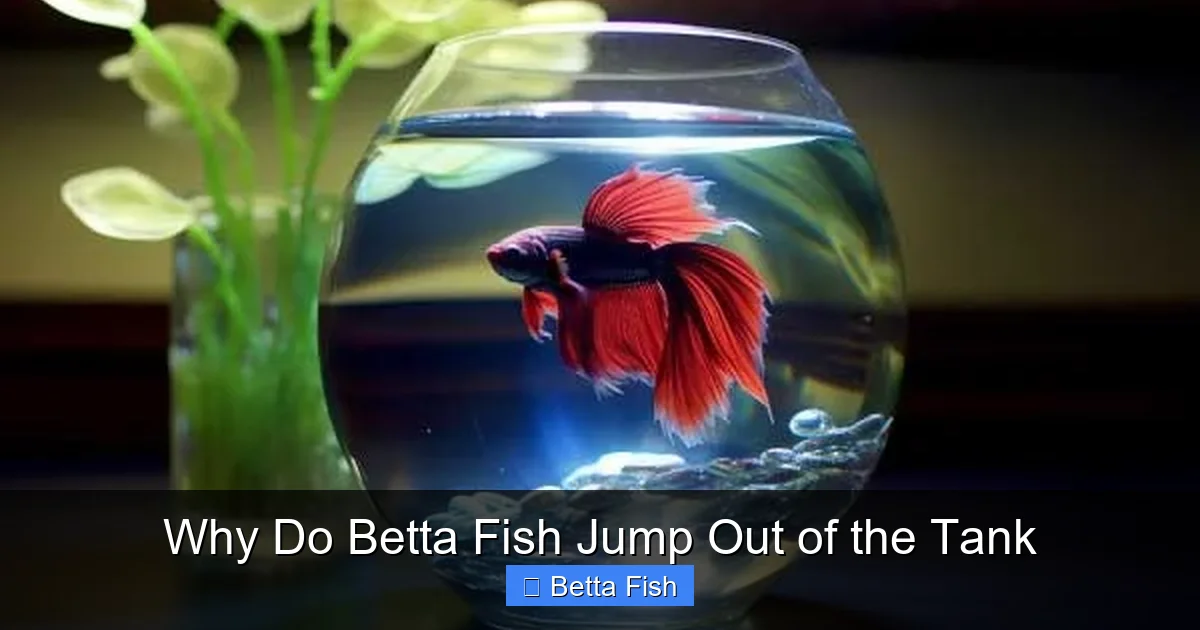
Visual guide about Why Do Betta Fish Jump Out of the Tank
Image source: bettafishnest.com
1.2. Territory Exploration
Male bettas are territorial fighters. In the wild they will flare, puff, and even jump to chase rivals away from their bubble nests. In a small home tank, the same instinct can turn into a leap when the fish feels its space is being invaded—by a reflection, a moving shadow, or a new decoration.
2. Environmental Stressors That Push a Betta to Jump
2.1. Poor Water Quality
Ammonia spikes, high nitrite, or low dissolved oxygen are immediate red flags. Betta’s sensitive gills can’t tolerate a sudden drop in oxygen, prompting them to jump in search of fresher water. Regular testing and partial water changes keep the chemistry stable.

Visual guide about Why Do Betta Fish Jump Out of the Tank
Image source: acaquarium.com
2.2. Temperature Fluctuations
Betta fish thrive between 76°F and 82°F (24°C‑28°C). A heater that malfunctions or a draft from a window can cause a rapid temperature dip, making the fish restless. Using a reliable heater and a thermometer eliminates this risk.
2.3. Inadequate Cover
Open‑top tanks without a lid are the most common cause of escapes. Even a small gap lets a curious betta push its head out and tumble. A simple acrylic or mesh lid provides a barrier while still allowing airflow.
2.4. Overcrowding and Aggressive Tank Mates
Betas are not community fish by nature. If housed with fin‑nipping species or other bettas, the constant harassment can trigger a jump. For a peaceful setup, keep a single male or a carefully monitored pair in a spacious tank.
3. Health Issues That Can Lead to Leaping
3.1. Swim‑Bladder Disorder
A malfunctioning swim bladder makes the fish feel unbalanced. It may try to “reset” itself by jumping. Feeding a diet of peas (blanched and mashed) can relieve constipation, a common cause of swim‑bladder problems.
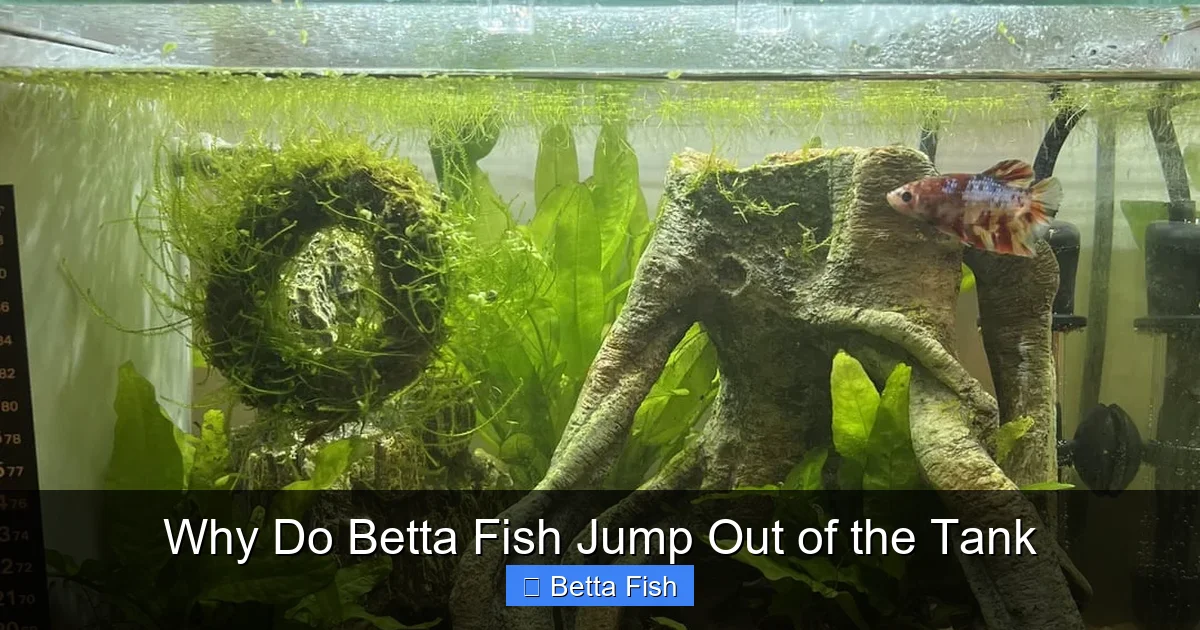
Visual guide about Why Do Betta Fish Jump Out of the Tank
Image source: flakefood.com
3.2. Parasites and Infections
Internal parasites irritate the gut, causing discomfort and erratic swimming. External infections (like fungal patches) can make the skin itchy, prompting the fish to hop out of the water.
3.3. Nutritional Deficiencies
A diet lacking essential nutrients leads to lethargy and stress. High‑quality betta pellets supplemented with occasional frozen or live foods keep the fish healthy and less likely to act out.
4. Prevention: Building a Jump‑Proof Betta Habitat
4.1. Secure the Top
The easiest fix is a snug lid. Choose a clear acrylic cover with a small ventilation hole, or a mesh screen that lets air flow but keeps the fish inside. This single change can cut escape incidents by over 90%.
4.2. Optimize Water Parameters
Maintain ammonia at 0 ppm, nitrite at 0 ppm, and nitrate below 20 ppm. Use a gentle filter designed for betta tanks—like a sponge filter—to improve oxygen without creating strong currents. For more on water care, see our guide on how to change the water in a betta fish tank.
4.3. Keep Temperature Stable
Invest in a reliable submersible heater and a digital thermometer. Set the heater to maintain 78°F (25.5°C) and check it daily for consistency.
4.4. Provide Hiding Places
Live plants, silk moss, or ceramic caves give the betta places to retreat. When the fish feels safe, it’s less likely to explore the tank’s edge.
4.5. Reduce External Stressors
Place the tank away from windows, loud TVs, and heavy foot traffic. Dim the lights during the night to mimic natural dusk, which helps the betta relax.
5. What to Do If Your Betta Has Already Jumped
5.1. Immediate Rescue Steps
1. Gently scoop the fish with a soft net or a clean cup.
2. Place it in a shallow bowl of dechlorinated water (same temperature as the tank).
3. Keep the bowl covered to prevent another jump.
5.2. Assess for Injuries
Look for torn fins, bleeding, or signs of stress. If you notice damage, treat with a mild antibacterial bath (e.g., a short soak in a diluted aquarium salt solution).
5.3. Re‑evaluate the Tank
After the rescue, double‑check the lid, temperature, and water quality. Often the jump reveals an underlying issue that needs fixing.
6. Long‑Term Care Tips to Keep Your Betta Happy
6.1. Regular Maintenance Schedule
• Weekly water tests (ammonia, nitrite, nitrate, pH).
• Bi‑weekly 25% water changes.
• Monthly filter cleaning or replacement.
6.2. Enrichment and Interaction
Betas love to explore. Rotate decor items, add floating toys, or gently tap the glass to encourage natural foraging behavior. This mental stimulation lowers stress levels.
6.3. Monitoring Health
Watch for changes in appetite, coloration, or swimming patterns. Early detection of problems prevents jumps caused by discomfort.
Conclusion
Understanding why do betta fish jump out of the tank is the first step toward a safe, thriving aquarium. Most jumps are not random acts of rebellion but clear signals that something in the environment or the fish’s health needs attention. By securing the tank’s lid, maintaining pristine water, stabilizing temperature, and providing plenty of hiding spots, you create a calm haven where your betta can display its vibrant colors without the risk of an unwanted leap.
Remember, a happy betta is a healthy betta. Keep a close eye on water parameters, feed a balanced diet, and give your fish a stress‑free environment. If a jump does happen, act quickly, assess any injuries, and adjust the tank setup to prevent repeat performances. With these proactive steps, you’ll enjoy many years of watching your betta glide gracefully—never again fearing a sudden splash onto the floor.
Frequently Asked Questions
Why does my betta fish jump out of the tank suddenly?
Sudden jumps are usually caused by stress, poor water quality, temperature shifts, or a lack of cover. Identifying and fixing the trigger will stop the behavior.
Is a tank lid necessary for betta fish?
Yes. A secure lid prevents accidental escapes and keeps out insects or pets that could harm the fish.
Can water temperature cause a betta to jump?
Betas need stable temperatures between 76°F‑82°F. Rapid drops or spikes make them restless and more likely to leap.
What should I do if my betta lands outside the tank?
Gently place the fish in a shallow bowl of dechlorinated water at the same temperature, cover the bowl, and check for injuries before returning it to the tank.
How often should I change the water to prevent jumps?
Changing 20‑30% of the water every week keeps ammonia and nitrate levels low, which reduces stress and jumping.
Are there any specific tank mates that increase jumping risk?
Fin‑nipping species, aggressive gouramis, or other male bettas can cause stress. For a single betta, a peaceful community of small, non‑aggressive fish is safest.

