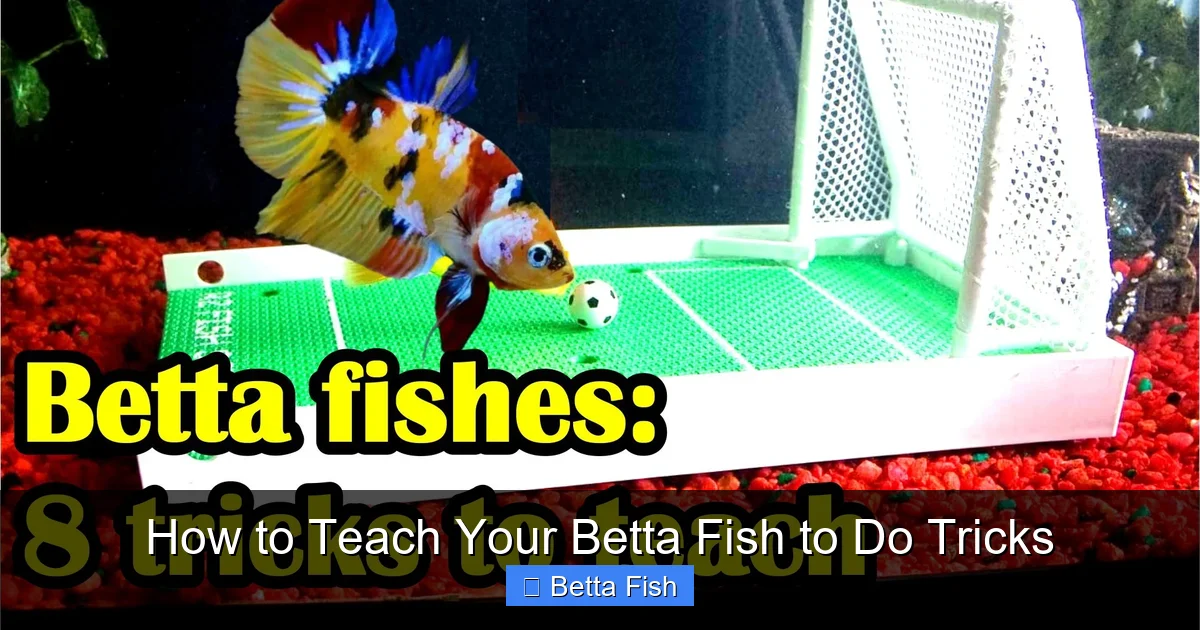
How to Teach Your Betta Fish to Do Tricks
Teaching a betta fish tricks is easier than you think. With patience, proper conditioning, and a stress‑free environment, you can enjoy interactive performances that strengthen your bond. Follow our step‑by‑step guide and watch your betta shine.
Key Takeaways
- Start with a healthy, happy betta: A stress‑free fish learns faster.
- Use positive reinforcement: Small food rewards work best.
- Keep sessions short: 5‑10 minutes prevents fatigue.
- Teach one trick at a time: Mastery builds confidence.
- Maintain optimal water conditions: Clean water equals better focus.
- Be patient and consistent: Repetition is key to success.
- Celebrate progress: Even tiny movements are victories.
📑 Table of Contents
- Introduction: Why Train Your Betta?
- 1. Preparing the Perfect Training Environment
- 2. Understanding Betta Behavior and Readiness
- 3. The Basics of Positive Reinforcement
- 4. Step‑by‑Step Tricks to Teach
- 5. Troubleshooting Common Issues
- 6. Maintaining a Happy, Healthy Betta After Training
- Conclusion: Celebrate the Journey
Introduction: Why Train Your Betta?
Betta fish are famous for their vibrant colors and flowing fins, but many owners don’t realize they are also curious and intelligent. When you teach your betta fish to do tricks, you give it mental stimulation, strengthen your bond, and turn a simple aquarium into a stage for fun.
Training is not about forcing the fish to perform. It’s about rewarding natural behaviors and encouraging new ones in a safe, low‑stress environment. Below you’ll find a friendly, step‑by‑step plan that works for beginners and experienced hobbyists alike.
1. Preparing the Perfect Training Environment
Tank Setup Matters
A clean, well‑filtered tank is the foundation of any successful training routine. Make sure the water temperature stays between 76‑82°F (24‑28°C) and the pH is stable around 6.5‑7.5. A clutter‑free tank with a few hiding spots lets your betta focus on you, not on dodging decorations.

Visual guide about How to Teach Your Betta Fish to Do Tricks
Image source: images.heb.com
For more on water care, see our guide on how to do a water change for a betta fish. Regular partial water changes keep ammonia low and your fish alert.
Lighting and Noise
Train during the day when the lights are on but not too bright. Dim the room lights slightly to reduce glare on the water surface. Keep background noise low; sudden sounds can startle a betta and break its concentration.
Choosing the Right Rewards
Betta fish love tiny, high‑protein foods. Freeze‑dried bloodworms, brine shrimp, or specially formulated betta pellets work well. Use a tiny amount—just a single bite per successful response—to keep motivation high without overfeeding.
Learn more about feeding in our article how to feed your betta fish.
2. Understanding Betta Behavior and Readiness
Is Your Betta Happy?
A content betta flares its fins, swims actively, and explores the tank. If it’s hiding constantly or appears lethargic, it may be stressed. Check how to tell if your betta fish is happy before starting any training.
Visual guide about How to Teach Your Betta Fish to Do Tricks
Image source: n.sinaimg.cn
Health Check
Before you begin, ensure your fish shows no signs of disease. Look for torn fins, white spots, or abnormal swimming. If you notice anything unusual, refer to how do you know if your betta fish is sick and treat the issue first.
Age and Size
Young adults (3‑6 months old) are the easiest to train because they are energetic yet still adaptable. Older bettas can learn tricks too, but they may need longer sessions and more patience.
3. The Basics of Positive Reinforcement
What Is Positive Reinforcement?
Positive reinforcement means giving a reward right after the desired behavior occurs. The betta associates the action with something pleasant and repeats it.

Visual guide about How to Teach Your Betta Fish to Do Tricks
Image source: wiki.arcaea.cn
Timing Is Everything
Deliver the food reward within one second of the correct response. A delayed reward confuses the fish and slows learning.
Clicker or Visual Cue?
Many trainers use a small “clicker” sound to mark success. If you don’t have a clicker, a gentle tap on the tank lid works as a consistent audible cue.
4. Step‑by‑Step Tricks to Teach
Trick 1: The “Come” Command
Goal: Betta swims to a designated spot (e.g., a small platform).
- Place a tiny, flat platform near the front of the tank.
- Show the fish a piece of food just above the platform.
- When the betta swims toward it, click or tap, then give the reward.
- Repeat 5‑10 times per session, gradually moving the platform farther away.
Consistency builds a clear association between the cue (“come”) and the reward.
Trick 2: The “Tail‑Wiggle”
Goal: Betta wags its tail in response to a finger cue.
- Hold a finger just above the water surface.
- When the betta looks up, gently tap the water near its nose.
- If it flicks its tail, click and reward.
- Practice until the tail wiggle happens on the tap alone.
This trick is great for visual learners and adds a cute “hello” gesture.
Trick 3: The “Jump” (Surface Leap)
Goal: Betta briefly jumps out of the water to grab floating food.
- Use a floating lure or a small piece of food that stays on the surface.
- Place it just out of reach, encouraging the betta to leap.
- When it jumps, reward immediately.
- Only attempt this if the tank has a secure lid to prevent escape.
Jumping is a natural predatory response, so it feels rewarding for the fish.
Trick 4: The “Spin”
Goal: Betta does a 360° turn on command.
- Hold a small, bright object (like a plastic bead) near the tank wall.
- Move the bead in a circular motion; the betta will follow.
- When it completes a full circle, click and reward.
- Gradually reduce the bead’s movement until the fish spins on a visual cue alone.
Combining Tricks
Once your betta masters two tricks, you can create a short “routine”—come, spin, then tail‑wiggle. Keep the entire performance under two minutes to avoid fatigue.
5. Troubleshooting Common Issues
Betta Doesn’t Respond
Check water quality first; poor conditions can make fish lethargic. Reduce stressors like bright lights or loud noises. Ensure you’re using a reward the betta finds highly motivating.
Overfeeding Concerns
Use a tiny amount of reward each time—no more than a pea‑sized piece. Overfeeding can cloud the water and lead to health problems.
Loss of Interest
Mix up the tricks and vary the reward type (switch between bloodworms and brine shrimp). Short, varied sessions keep the fish engaged.
6. Maintaining a Happy, Healthy Betta After Training
Regular Care Routine
Continue with a consistent water‑change schedule, weekly tank cleaning, and a balanced diet. A healthy environment reinforces the confidence your betta gained during training.
Enrichment Beyond Tricks
Provide floating toys, plants, and occasional “puzzle feeders” to keep your betta mentally stimulated. For more ideas, read how to entertain your betta fish.
Monitoring Happiness
Watch for signs of stress—pale colors, clamped fins, or frantic swimming. If you notice any, give your betta a few days of rest before resuming training.
Conclusion: Celebrate the Journey
Teaching your betta fish to do tricks is a rewarding adventure that deepens the bond between you and your aquatic companion. By setting up a clean tank, using positive reinforcement, and keeping sessions short and fun, you’ll see progress in just a few weeks. Remember, every splash, wiggle, and spin is a step toward a smarter, happier betta. So grab that tiny treat, be patient, and enjoy the show!
Frequently Asked Questions
How long does it take for a betta to learn a trick?
Most bettas show signs of learning after 5‑7 short sessions (5‑10 minutes each). Full mastery may take 2‑3 weeks, depending on consistency and the fish’s personality.
Can I use live food as a reward?
Yes, live or frozen bloodworms are excellent rewards because they’re highly motivating. Just be sure to rinse them well to keep the tank clean.
Is it safe to train a betta that lives in a small bowl?
Training is best in a proper tank with a lid. Small bowls lack space for movement and can stress the fish, making learning difficult.
What if my betta gets stressed during training?
Stop the session immediately, check water parameters, and give the fish a day or two to recover. Reduce session length and try again with a calmer approach.
Do I need a special clicker for fish?
No special equipment is required. A simple tap on the tank lid or a gentle click from a household clicker works fine as long as it’s consistent.
Can older bettas still learn tricks?
Yes, older bettas can learn, but they may need longer, more patient sessions. Adjust expectations and keep rewards highly enticing.