How to Help a Betta Fish That Is Sick
Seeing your betta fish unwell is stressful, but quick, informed action can save its life. The foundation of treatment is almost always pristine water quality, so testing and partial water changes are your first and most critical steps. Always isolate a sick betta in a hospital tank to prevent stress and allow for precise medication dosing. Carefully identify symptoms to target treatment—common issues include fin rot, velvet, and swim bladder disorder—and use only betta-safe medications. Support recovery with high-quality, easily digestible foods and minimize all stressors like tank mates and bright lights. Patience and consistency are key; never rush treatments or skip water changes during the healing process.
Key Takeaways
- Observation is Step One: Closely watch for changes in behavior (lethargy, hiding), appearance (clamped fins, spots, frayed edges), and appetite to catch illness early.
- Water Quality is Non-Negotiable: Poor water is the root cause of most betta ailments. Test parameters (ammonia, nitrite, nitrate, pH, temperature) and perform regular, gentle water changes.
- Quarantine is Essential: Move a sick betta to a simple, bare hospital tank. This reduces stress, allows for accurate medication dosing, and protects any tank mates.
- Diagnose Before You Medicate: Misdiagnosis and wrong medication can kill your betta. Research symptoms thoroughly. When in doubt, start with broad-spectrum antimicrobials like Methylene Blue or Malachite Green in a hospital tank.
- Support, Don’t Just Cure: Treatment involves supportive care: feed high-protein, easily digestible foods (like daphnia or soaked pellets), maintain pristine hospital water, and eliminate all environmental stressors.
- Know When to Seek Expert Help: For persistent, severe, or confusing symptoms, consult an aquatic veterinarian or a highly reputable local fish store with certified staff.
📑 Table of Contents
- How to Help a Betta Fish That Is Sick: A Comprehensive, Step-by-Step Guide
- Step 1: Immediate Action & The Hospital Tank Setup
- Step 2: Identifying the Common Betta Ailments
- Step 3: The Treatment Arsenal – Medications & Methods
- Step 4: Supportive Care & Nutrition for Recovery
- Step 5: When to Say Goodbye & When to Seek a Professional
- Conclusion: Prevention is the Best Medicine
How to Help a Betta Fish That Is Sick: A Comprehensive, Step-by-Step Guide
There’s nothing quite as heartbreaking as watching your vibrant, personality-filled betta fish—your “Siamese fighting fish”—become listless, discolored, or sickly. These beautiful, intelligent fish are often misunderstood as low-maintenance pets, but their delicate labyrinth organs and aggressive territorial nature mean they are susceptible to specific health issues. Knowing how to help a betta fish that is sick is a critical skill for any owner. The good news? With swift, correct action, many common betta illnesses are treatable. This guide will walk you through everything from the initial panic to the final recovery, focusing on practical, compassionate care.
The Golden Rule: Your Betta’s Health Starts in the Water
Before we dive into specific diseases, you must internalize one fundamental truth: for betta fish, water quality is health quality. Over 80% of health problems in captive bettas stem directly from poor water conditions. Their natural habitat is shallow, warm, slow-moving rice paddies with abundant plant cover. In a glass tank, waste (fish poop, uneaten food) quickly breaks down into toxic ammonia. A betta’s relatively small size and big appetite mean they produce a significant bioload for their tank volume. Even trace amounts of ammonia or nitrite can burn their gills, suppress their immune system, and open the door for opportunistic infections like fin rot.
Therefore, the very first step in helping a sick betta is always to assess and correct the water. This is non-negotiable. No medication will work long-term in a toxic environment. Think of it like trying to treat pneumonia while the patient is still breathing smog. You must remove the pollutant first.
Step 1: Immediate Action & The Hospital Tank Setup
You’ve noticed something’s wrong. Your betta is floating listlessly at the top, clamped tight against its body, or has developed unsightly white spots. Panic is natural. Breathe. Your systematic response is what will save your fish.
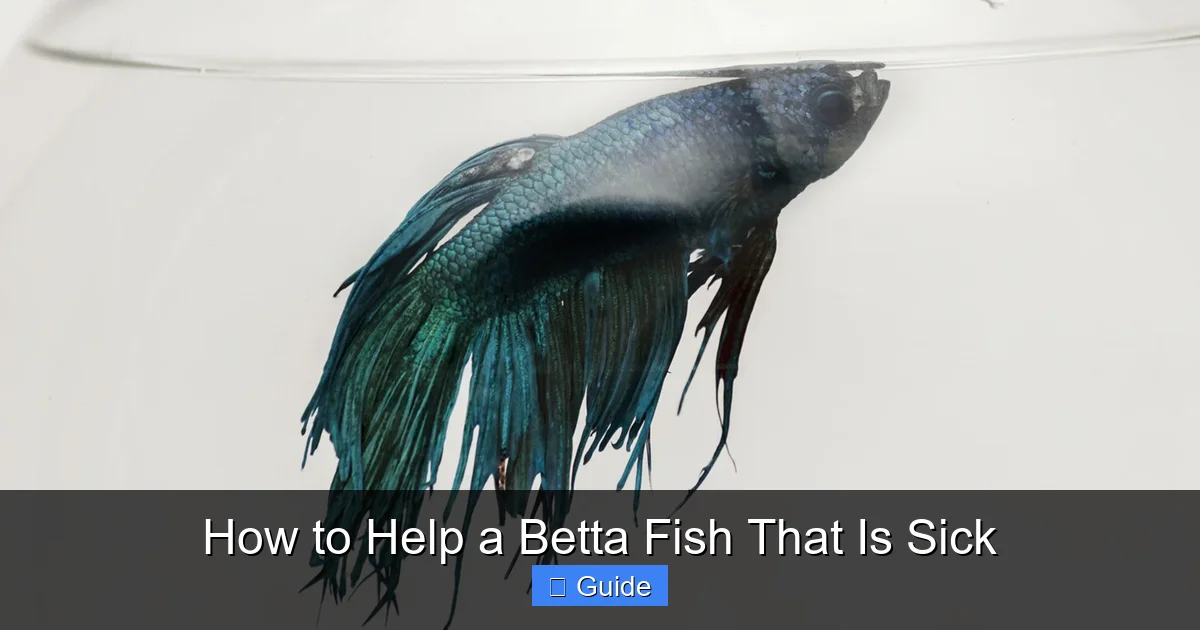
Visual guide about How to Help a Betta Fish That Is Sick
Image source: cf.ltkcdn.net
Isolate Immediately: The Hospital Tank
The single most important action you can take is to move your sick betta to a dedicated hospital tank. This should be a simple, clean setup—a 2.5 to 5-gallon aquarium or a large, clean plastic tub with a secure lid (betta fish are jumpers!). Avoid gravel and decorations initially; a bare bottom is easiest to keep sterile. Use a simple, adjustable heater to maintain a stable temperature between 78°F and 80°F (25.5°C – 27°C). A small, gentle sponge filter (air-driven, not too powerful) is ideal to provide minimal water movement and biological filtration without stressing the fish. The goal is a calm, clean, controlled environment where you can administer treatment without harming other livestock and where you can perform 100% water changes with minimal disruption.
The Initial Assessment & Water Testing
Once your betta is in the clean, warm hospital water with conditioned water at the same temperature and pH as its main tank, begin your investigation. Grab your liquid water test kit (API Freshwater Master Test Kit is the industry standard). Test the water in both the main tank and the new hospital water. You are looking for:
- Ammonia (NH3/NH4+): Should be 0 ppm. Any detectable amount is toxic.
- Nitrite (NO2-): Should be 0 ppm. Highly toxic.
- Nitrate (NO3-): Should be below 20 ppm for bettas. High levels cause stress and disease susceptibility.
- pH: Stable between 6.5 and 7.5 is ideal. Extreme swings are dangerous.
- Temperature: Must be stable. Fluctuations of more than 2 degrees in a day stress bettas immensely.
Record these numbers. If your main tank shows any ammonia or nitrite, you have a cycling problem or are overstocked/overfeeding. This must be fixed for any fish to thrive long-term.
The Gentle 100% Water Change
After the betta has acclimated to the hospital tank (drip acclimation is best), perform your first 100% water change. This instantly removes any lingering toxins from the transport and dilutes any pathogens. Use a water conditioner that detoxifies ammonia, nitrite, and heavy metals (like Seachem Prime). Ensure the new water is exactly the same temperature as the tank water to prevent thermal shock. This process—100% water changes with treated, temperature-matched water—will become a daily or every-other-day ritual during treatment.
Step 2: Identifying the Common Betta Ailments
With your fish isolated and water quality under control, you can now start to diagnose the problem. Look at your betta from above and from the side. Use a magnifying glass if needed. Here are the most common illnesses you’ll encounter.

Visual guide about How to Help a Betta Fish That Is Sick
Image source: cafishvet.com
Fin Rot & Body Rot
Symptoms: Fins (or sometimes the body) appear torn, shredded, jagged, or blackened/red at the edges. The rot may start as a small white or transparent rip and progress to a disintegrated, cotton-like appearance. Often a secondary infection from poor water or injury.
Cause: Bacteria (Aeromonas, Pseudomonas) exploiting a weakened immune system due to poor water quality, stress, or physical damage (from tank decor or fin nipping).
Treatment: Meticulous water quality is 50% of the cure. In the hospital tank, use a broad-spectrum antibacterial medication. Kanamycin-based or Furan-2 (Nitrofurazone) are excellent choices for gram-negative bacteria common in fin rot. Methylene Blue dip (see below) is also very effective. Salt (aquarium salt, NOT table salt) can be added at 1 tsp per gallon to the hospital tank to help reduce osmotic stress on the fish and inhibit some bacteria, but do not use with organic medication like Melafix.
Velvet Disease (Oodinium)
Symptoms: A fine, gold or rust-colored “dust” or velvety coating on the body and fins. The fish will scratch or “flash” against objects due to intense itchiness. Gills may be rapid and labored. Often mistaken for ich, but the spots are much finer and more uniform.
Cause: A parasitic protozoan (Oodinium sp.). It thrives in poor water and cooler temperatures (below 78°F). It’s highly contagious.
Treatment: Raise the hospital tank temperature slowly to 82-84°F (28-29°C) to speed the parasite’s life cycle. Use a copper-based medication (like Cupramine or CopperSafe) strictly according to dosage instructions, as copper is toxic to invertebrates and can harm fish if overdosed. Alternatively, a Methylene Blue bath is a safe and effective treatment for velvet. Treat for at least 10-14 days, as the parasite has a life cycle outside the fish.
Ich (White Spot Disease)
Symptoms: Distinct, salt-like white dots (cysts) on the body and fins. Fish will scratch, clamp fins, and become lethargic. The spots are larger and more discrete than velvet.
Cause: A parasitic protozoan (Ichthyophthirius multifiliis). Like velvet, it has a life cycle in the water column where it is vulnerable to medication.
Treatment: The classic treatment is a formalin or malachite green-based medication (like Ich Attack or formalin dip). Heat therapy alone is risky for bettas, as they can only tolerate up to 86°F (30°C) for short periods. A safer, modern approach is using a copper-based medication or a herbal treatment like Herbtopia Ich & Fungus Treatment. The key is to treat for a full life cycle (at least 7-10 days) even after spots disappear.
Swim Bladder Disorder (SBD)
Symptoms: The fish struggles to maintain buoyancy. It may float upside down, nose-down, or sink and be unable to rise. It may swim in circles or rest on the bottom, unable to swim normally.
Cause: This is a symptom, not a disease itself. Causes include: 1) Constipation (from overfeeding or low-quality food), 2) Bacterial or parasitic infection of the swim bladder, 3) Physical injury (from a fall or bump), 4) Genetic defects (common in extreme-finned bettas).
Treatment: First, fast your betta for 3 days to clear any constipation. On day 4, offer a small, skinned pea (cooked, de-shelled) or a daphnia-based food to act as a natural laxative. Keep water quality impeccable. If no improvement in 48 hours, suspect infection and treat with a broad-spectrum antibiotic (like Maracyn 2) in the hospital tank. For suspected injury, pristine water and Epsom salt (magnesium sulfate) baths (1/4 tsp per gallon for 15-30 minutes) can reduce swelling and inflammation.
Dropsy (Advanced Symptom)
Symptoms: Severe, generalized swelling or bloating of the body (often starting near the spine). Scales become raised and protruding, resembling a pinecone. This is almost always a sign of a severe, internal bacterial infection causing organ failure and fluid buildup.
Cause: Usually a gram-negative bacterial infection (like Aeromonas) that has entered the bloodstream (septicemia). Triggered by chronic poor water quality and immense stress.
Treatment: Dropsy has a very poor prognosis. Aggressive, immediate treatment is the only chance. Move to a hospital tank. Use a strong, broad-spectrum antibiotic effective against internal infections, such as Kanamycin + Nitrofurazone combo or Maracyn 2. Administer via medicated baths or food (soak pellets in medication). Salt (Epsom salt baths) can help draw out fluid. However, be prepared for a low survival rate. Prevention through impeccable water quality is the only true cure for dropsy.
Step 3: The Treatment Arsenal – Medications & Methods
With a tentative diagnosis, you can select your treatment. Always treat in the hospital tank. Never add medication to a main community tank unless it is explicitly safe for all inhabitants (most are not).

Visual guide about How to Help a Betta Fish That Is Sick
Image source: a-z-animals.com
Medicated Baths (Dips)
This is a highly effective, controlled method. You treat a small volume of water (1 gallon) with the full dose of medication, place the betta in it for 15-30 minutes (monitoring closely for distress), then return it to clean hospital water. Repeat 1-2 times daily. This method delivers a high concentration directly to the fish while minimizing medication in the main environment. Great for Methylene Blue, formalin, or copper dips.
Medicated Soaks (Food)
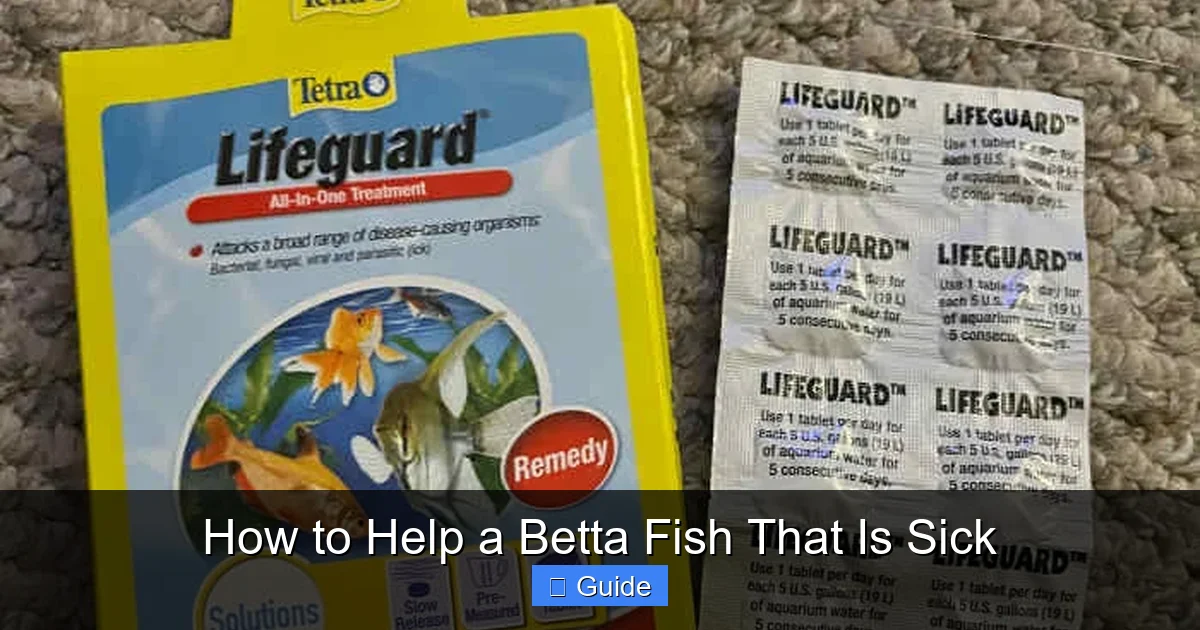
For internal infections (like suspected SBD infection or dropsy), soaking high-quality betta pellets or frozen brine shrimp in a liquid medication (like Maracyn 2) and feeding them can target the infection from the inside. Use a small amount of medication per the package directions, soak food for 5-10 minutes, then feed. This is less precise but useful.
Methylene Blue: The Betta Owner’s Swiss Army Knife
This is arguably the safest and most versatile first-line treatment for a mysterious sickness. It is an antifungal and mild antibacterial/antiparasitic. It’s safe for betta fry and can be used as a bath or as a tank-wide treatment (it will stain everything blue). A 1% solution (common in pet stores) is used at 1 tsp per 10 gallons of water for a bath, or 2-3 tsp per 10 gallons for a tank treatment. It’s an excellent starting point for fin rot, velvet, ich, and fungal infections while you confirm a diagnosis.
Salt: The Controversial Helper
Aquarium salt (sodium chloride) can help reduce osmotic stress on a fish by making the water slightly saltier than the fish’s internal fluids, helping to draw out excess fluid and kill some external parasites and bacteria. Use at 1 tsp per gallon in the hospital tank. BUT: Bettas are freshwater fish from soft, low-mineral water. Prolonged salt use can harm them, especially if they have underlying kidney issues (common in older bettas). Never use salt with organic medications (Melafix, Pimafix) or in a tank with live plants or invertebrates. Use it for short courses (5-7 days) for bacterial/fungal issues, and always dissolve it in water before adding to the tank.
Step 4: Supportive Care & Nutrition for Recovery
Medication fights the pathogen. Supportive care helps the betta’s own body win the war. This is just as important as the medicine.
Feeding the Sick Fish
A sick betta often loses its appetite. Do not force feed. A fast of 2-3 days is not harmful and can help clear constipation. When you do offer food, make it the best, most easily digestible food available. High-quality frozen or live foods are ideal:
- Daphnia: The ultimate betta superfood. It’s a natural laxative, high in protein, and easy to digest. Excellent for SBD and general recovery.
- Bloodworms / Brine Shrimp (frozen, not freeze-dried): Rich in protein and enticing. Thaw a small piece and offer.
- Soaked Pellets: Soak your high-quality betta pellets in a little tank water or garlic juice (a natural appetite stimulant and antiparasitic) until soft. This makes them easier to digest.
Feed tiny amounts 1-2 times a day. Remove any uneaten food immediately with a turkey baster to prevent water quality crashes.
Minimizing Stress: The Invisible Killer
Stress suppresses the immune system. A stressed fish cannot heal. In the hospital tank, eliminate all stressors:
- Lighting: Keep the tank in a quiet room with subdued light. Direct, bright light is stressful. Use a tank lid or cloth to dim it further.
- Noise & Vibration: Place the tank away from loud speakers, TVs, and high-traffic areas. Avoid tapping on the glass.
- Flow: Ensure the filter output is very gentle. Bettas hate strong currents. Use a sponge filter or baffle a hang-on-back filter with a sponge.
- Visual Stress: The hospital tank should be bare. No mirrors, no other fish, no complex decor that they can get stuck on. A single, smooth-leafed plant (like a silk anubias) or a floating betta log can provide a sense of security without risk.
Step 5: When to Say Goodbye & When to Seek a Professional
As much as we want to save every fish, sometimes the kindest act is to prevent prolonged suffering. And sometimes, we need an expert eye.
Recognizing a Poor Prognosis
If your betta shows the following signs, the likelihood of recovery is extremely low, and you must consider humane euthanasia to end suffering:
- Advanced dropsy (severe pineconing, extreme bloating).
- Complete loss of all color and extreme, constant lethargy (not just resting).
- Inability to maintain upright position or swim at all for more than 24-48 hours despite treatment.
- Severe, extensive fin rot that has consumed most of the body.
Humane Euthanasia: The most humane method is overdose with a fish anesthetic like Finquel (tricaine methanesulfonate). Clove oil is a common alternative but can be messy and less reliable. Your local vet or a very experienced fish store can often perform this. Never flush a live fish down the toilet.
Consulting an Aquatic Veterinarian
For persistent, confusing, or severe cases, a veterinarian specializing in fish (yes, they exist!) is your best resource. They can perform diagnostics like skin/gill cytology (looking at cells under a microscope) or even bacterial cultures to prescribe the exact, targeted antibiotic. This is often more effective and less harmful than broad-spectrum guesswork. Search online for “aquatic veterinarian near me” or “exotic pet vet.” Many will consult via phone or email with pictures.
Conclusion: Prevention is the Best Medicine
Learning how to help a betta fish that is sick is a journey that underscores the profound responsibility of pet ownership. While this guide provides a roadmap for crisis management, the ultimate goal is to never need it. A healthy betta is a happy betta, and that happiness is built on a foundation of:
- A properly cycled, appropriately sized tank (minimum 5 gallons for a single betta).
- A rigorous, consistent water change schedule (25-50% weekly, with gravel vacuuming).
- A reliable heater and thermometer to maintain a stable 78-80°F.
- A gentle filter that doesn’t create a torrential current.
- A high-protein, varied diet fed sparingly (2-3 times max, only what they eat in 2 minutes).
- Stimulating, safe décor with soft plants and hiding spots.
By mastering water chemistry and providing a stress-free environment, you empower your betta’s immune system to do its job. When illness does strike, you now have the knowledge to act swiftly, isolate carefully, diagnose thoughtfully, and treat patiently. Your betta’s resilience is remarkable. With your informed and compassionate care, you can give it the fighting chance it deserves. Remember, in the world of betta fish, an ounce of prevention is worth a pound of cure.
Frequently Asked Questions
Should I treat my main tank if one betta is sick?
No, you should never add medication to a main community tank unless it is explicitly labeled as safe for all inhabitants (including invertebrates like shrimp and snails, which most medications will kill). Always isolate the sick betta in a separate hospital tank. This allows for accurate dosing, prevents healthy fish from being stressed by the medication, and protects them from the illness.
How often should I do water changes in a hospital tank?
During active treatment, perform 100% water changes daily or every other day. This is crucial to remove waste products, excess medication, and any pathogens released by the sick fish. Always use fully conditioned, temperature-matched water. This frequent water change regime is far more important than any medication for recovery.
Is it safe to use human medications or home remedies for my betta?
Generally, no. Human medications are dosed for much larger bodies and can be lethal to a fish. “Home remedies” like tea tree oil, garlic (in large amounts), or table salt are often ineffective and can harm your fish by altering water chemistry dangerously. Stick to medications specifically formulated and dosed for aquarium fish, and always research them first.
My betta has a swollen belly. Is it dropsy or constipation?
It could be either, and the treatment starts the same: fast for 3 days, then offer a skinned pea or daphnia. If the swelling reduces, it was likely constipation. If it worsens or the scales start to raise (pineconing), it is almost certainly dropsy, which requires immediate, aggressive antibiotic treatment in a hospital tank and carries a grave prognosis.
What are the absolute signs my betta is dying and I should consider euthanasia?
Look for: complete and prolonged inability to swim or maintain buoyancy (floating upside down, sinking), extreme and constant lethargy with no response to stimuli, severe pineconing (raised scales) from dropsy, or extensive, spreading body rot that has consumed most of the fish’s tissue. If your betta is in visible, constant distress with no improvement after 24-48 hours of correct treatment, humane euthanasia is the compassionate choice.
How long does it take for a betta to recover from a common illness like fin rot?
Recovery time varies. With immediate isolation, perfect water, and correct medication, you should see visible improvement (stopping of the rot, beginning of regrowth) within 5-7 days. Full fin regeneration can take weeks to months, as fin tissue grows slowly. Continue treatment for at least 5-7 days after all symptoms have vanished to ensure the pathogen is fully eradicated.