How to Care for a Black Orchid Male Betta Fish
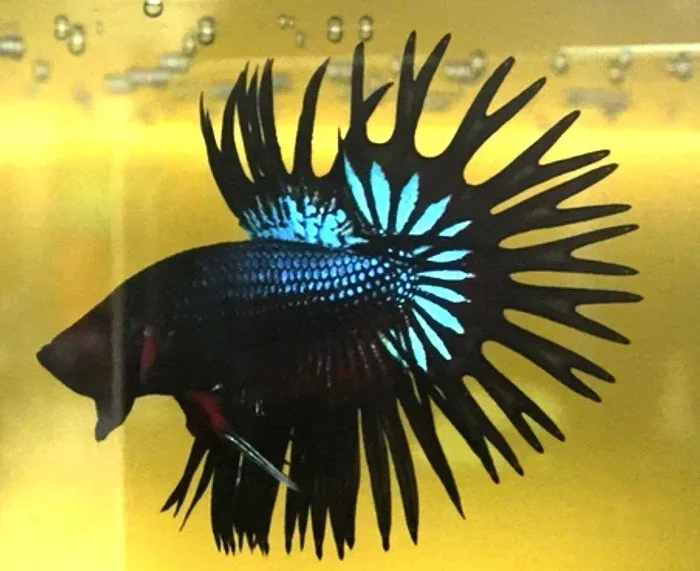
Caring for a black orchid male betta fish requires the right tank setup, clean water, proper diet, and attention to their unique needs. These striking fish are known for their deep dark coloration and elegant fins, making them a favorite among hobbyists. This guide covers everything you need to keep your black orchid betta healthy and thriving in home aquariums.
Caring for a black orchid male betta fish is one of the most rewarding experiences in the aquarium hobby. These fish are stunning. Their deep, dark coloration combined with flowing fins creates a real showpiece in any home. But beauty comes with responsibility. If you want your black orchid betta to thrive, you need to understand what makes them tick.
Male bettas are known for their long, dramatic fins and aggressive nature. The black orchid variety takes this to another level. Their dark, almost black body with hints of purple or blue makes them stand out. But behind that gorgeous look lies a fish that needs proper care, attention, and a well-maintained environment. This guide walks you through every step of keeping your black orchid male betta fish happy and healthy.
Whether you are a complete beginner or a seasoned fish keeper, this article covers all the essentials. From tank setup to feeding schedules, water changes to common health issues, you will find everything you need right here. Let us dive in and make sure your betta lives its best life.
Key Takeaways
- Tank Size Matters: A minimum 5-gallon tank gives your black orchid male betta fish room to swim and stay healthy.
- Water Quality Is Critical: Keep water temperature between 78-80°F and maintain low ammonia and nitrite levels.
- Diet Affects Color and Health: Feed high-quality betta pellets and occasional treats like bloodworms for vibrant coloration.
- Black Orchid Bettas Need Hiding Spots: Plants and decorations reduce stress and make your fish feel safe.
- Watch for Health Signs: Know the common signs of illness so you can act fast and keep your betta happy.
📑 Table of Contents
- Understanding the Black Orchid Male Betta Fish
- Setting Up the Perfect Tank for Your Black Orchid Betta
- Water Parameters and Maintenance
- Feeding Your Black Orchid Male Betta Fish
- Common Health Issues and How to Prevent Them
- Creating a Stress-Free Environment
- Quick Tips for Black Orchid Betta Care
- Conclusion
Understanding the Black Orchid Male Betta Fish
The black orchid betta is a specific color morph of the Siamese fighting fish. The name comes from the dark, layered colors that resemble an orchid flower. These fish carry a gene called the “melano” gene, which produces deep black coloration. However, this gene also causes infertility in many female black orchid bettas. Males, on the other hand, are fully fertile and display the signature dark coloring that collectors love.
What Makes the Black Orchid Variety Special
Not all black bettas are the same. The black orchid variety has a unique pattern. You will notice dark black body color with iridescent blue or purple highlights. Some fish show a “super black” appearance that looks almost metallic. The fins often carry a translucent edge with a darker center, giving them a layered look that changes as they move through the water.
Male black orchid bettas are the most sought after. Their fins are longer and more flowing than females. They also display more intense coloration, especially during flaring or when they feel excited. This makes the black orchid male betta fish a prized addition to any aquarium collection.
How Long Do Black Orchid Bettas Live?
With proper care, a male betta fish can live between 3 and 5 years. Some well-cared-for bettas even reach 5 years or slightly beyond. The key factors that influence lifespan include water quality, diet, tank size, and stress levels. Keeping your black orchid male betta fish in a clean, warm, and stress-free environment gives them the best chance at a long, healthy life.
Setting Up the Perfect Tank for Your Black Orchid Betta
A proper tank setup is the foundation of good betta care. Many people make the mistake of keeping bettas in tiny bowls. While bettas can survive in small spaces, they thrive in larger, well-maintained environments. If you want your black orchid male betta fish to show off its full beauty, invest in the right tank from the start.
Tank Size Requirements
The minimum tank size for a male betta is 5 gallons. A 5-gallon tank gives your fish enough room to swim, explore, and establish territory. Larger tanks, such as 10 gallons, are even better. They provide more stable water parameters and room for live plants and decorations.
Here is a quick look at tank size recommendations:
- 2.5 gallons: Bare minimum. Only suitable for temporary housing or fish recovery.
- 5 gallons: Ideal minimum for a single male betta. Stable and easy to maintain.
- 10 gallons: Excellent choice. More swimming space and better water stability.
- 20 gallons: Great for a community setup with peaceful tank mates.
Filtration and Heating
Betta fish need a heater to maintain consistent water temperature. Set your heater to keep the water between 78 and 80 degrees Fahrenheit. A filter is also essential, but choose one with a gentle flow. Bettas are weak swimmers and do not like strong currents. A sponge filter works great because it provides biological filtration without creating too much water movement.
If you are new to aquariums, check out our guide on how to set up a fish tank for betta fish for step-by-step instructions.
Decorations and Plants
Black orchid bettas love hiding spots. Live plants like java fern, anubias, and amazon sword provide natural cover and improve water quality. You can also add caves, driftwood, and smooth rocks. Avoid sharp decorations that can tear the delicate fins of your black orchid male betta fish.
Fake plants can work too, but choose soft silk varieties. Avoid plastic plants with sharp edges. Your betta’s long fins can snag and tear on rough surfaces, which can lead to infections.
Water Parameters and Maintenance
Clean water is the single most important factor in betta health. Black orchid male betta fish are sensitive to poor water quality. Ammonia and nitrite levels should always be at zero. Nitrate levels should stay below 20 parts per million.
Ideal Water Parameters
Here are the target water parameters for your black orchid betta:
- Temperature: 78 to 80 degrees Fahrenheit
- pH Level: 6.5 to 7.5 (neutral is ideal)
- Ammonia: 0 ppm
- Nitrite: 0 ppm
- Nitrate: Below 20 ppm
- Water Hardness: 3 to 4 dGH
How Often to Do Water Changes
Regular water changes keep your betta healthy. For a 5-gallon tank, change 25 to 30 percent of the water every week. For larger tanks, you can stretch this to every 10 to 14 days. Always use a water conditioner to remove chlorine and chloramine from tap water before adding it to the tank.
If you need help with water changes, read our guide on how to do a water change for betta fish. It covers everything from siphoning gravel to treating new water properly.
Testing Your Water
Invest in a liquid water test kit. Test strips are convenient but less accurate. A liquid kit gives you precise readings for ammonia, nitrite, nitrate, and pH. Testing your water regularly helps you catch problems before they harm your fish.
Feeding Your Black Orchid Male Betta Fish
Feeding your betta the right diet makes a huge difference in their color, energy, and overall health. Black orchid bettas need protein-rich food to maintain their vibrant dark coloration and flowing fins. A poor diet leads to dull colors, weak fins, and a shorter lifespan.
What to Feed Your Black Orchid Betta
The staple of your betta’s diet should be high-quality betta pellets. Look for pellets where the first ingredient is whole fish or fish meal. Avoid pellets filled with fillers like corn or wheat. These offer little nutritional value and can pollute the water.
Supplement their diet with frozen or live foods a few times a week. Good options include:
- Bloodworms: A favorite treat that adds rich color.
- Brine shrimp: Great for protein and promoting healthy growth.
- Daphnia: Helps with digestion and makes a good occasional meal.
- Mosquito larvae: A natural treat that bettas love.
For more detailed feeding advice, check out our article on what to feed a betta fish male.
Feeding Schedule and Portions
Feed your black orchid male betta fish twice a day. Give them only what they can eat in 2 to 3 minutes. Overfeeding is one of the most common mistakes betta owners make. Excess food sinks to the bottom and decays, raising ammonia levels and making the water dirty.
One day per week, skip feeding entirely. This gives your betta’s digestive system a break and helps prevent constipation. Bettas are prone to bloating, so fasting once a week keeps their stomach healthy.
Common Health Issues and How to Prevent Them
Even with the best care, bettas can get sick. Knowing the signs of common illnesses helps you act quickly and save your fish. Prevention is always better than treatment, so keep your tank clean and your water parameters stable.
Fin Rot
Fin rot is one of the most common betta diseases. It appears as ragged or dissolving fins with a white or red edge. Poor water quality is the main cause. If you notice fin rot, do a water change immediately and check your parameters. Mild cases often resolve with cleaner water alone. Severe cases may require medication like tetracycline.
Columnaris
Columnaris is a bacterial infection that shows up as white patches on the body or fins. It spreads quickly and can be fatal if left untreated. Stress and poor water quality are the main triggers. Treat columnaris with antibiotics and improve water conditions right away.
Stress and Its Effects
Stress weakens your betta’s immune system and makes them vulnerable to disease. Common stressors include poor water quality, aggressive tank mates, lack of hiding spots, and sudden temperature changes. Keep your black orchid male betta fish in a calm, stable environment to reduce stress and promote long-term health.
If your betta shows signs of stress or illness, visit our guide on how to care for sick betta fish for practical treatment steps.
Prevention Tips
Here are simple steps to keep your betta healthy:
- Test your water weekly and keep parameters stable.
- Perform regular water changes without fail.
- Feed a balanced diet and avoid overfeeding.
- Provide plenty of hiding spots and live plants.
- Quarantine new fish before adding them to the main tank.
- Avoid sudden changes in light or temperature.
Creating a Stress-Free Environment
A stress-free environment is the secret to a happy, colorful betta. Black orchid male betta fish are sensitive creatures. They respond to their surroundings, and a well-designed tank can bring out their best colors and natural behaviors.
Lighting
Use soft, dim lighting in your betta tank. Bettas do not need bright lights. In fact, too much light can stress them and encourage algae growth. A standard aquarium LED light on a timer works well. Set it to 8 to 10 hours per day to mimic a natural day-night cycle.
Tank Mates
Male bettas are territorial and should not be housed with other male bettas. However, they can sometimes live with peaceful community fish in larger tanks. Good tank mates include corydoras catfish, kuhli loaches, and small peaceful tetras. Always monitor your betta for signs of aggression when introducing new tank mates.
Routine and Consistency
Bettas thrive on routine. Feed them at the same times each day. Perform water changes on a consistent schedule. Keep the tank in a quiet area of your home away from loud noises and vibrations. A predictable environment helps your black orchid male betta fish feel safe and display their best behavior.
Quick Tips for Black Orchid Betta Care
- Keep the tank at least 5 gallons with a gentle filter and heater.
- Maintain water temperature between 78 and 80 degrees Fahrenheit.
- Feed high-quality pellets twice daily and skip one day per week.
- Do 25 to 30 percent water changes every week.
- Use a water conditioner to remove harmful chemicals from tap water.
- Add live plants and smooth decorations for hiding and exploration.
- Watch for signs of illness like clamped fins, loss of color, or loss of appetite.
- Keep the tank in a quiet spot away from direct sunlight and drafts.
Conclusion
Caring for a black orchid male betta fish is a journey that rewards patience, attention, and consistency. These beautiful fish deserve a home that meets their physical and environmental needs. From the right tank size to clean water, a proper diet, and a stress-free setup, every detail matters.
When you put in the effort, the payoff is enormous. A healthy black orchid betta will light up your room with its dark, shimmering colors and graceful movements. Follow the tips in this guide and your betta will thank you with years of beauty and companionship. Start applying these care practices today and watch your black orchid male betta fish flourish in its new home.
Frequently Asked Questions
What makes a black orchid male betta fish different from other bettas?
The black orchid variety carries the melano gene, which produces deep black coloration with iridescent blue or purple highlights. Male black orchid bettas also have longer, more flowing fins compared to females, making them the most visually striking of the group.
Can a black orchid male betta fish live in a bowl?
While bettas can survive in bowls, they thrive much better in a 5-gallon or larger tank. A bowl limits swimming space, makes water maintenance harder, and can cause stress. A proper tank with a filter and heater gives your betta the best quality of life.
How often should I feed my black orchid male betta fish?
Feed your betta twice a day with only what they can eat in 2 to 3 minutes. Skip one feeding day per week to support healthy digestion. High-quality betta pellets should form the staple of their diet, supplemented with occasional treats like bloodworms or brine shrimp.
Why is my black orchid betta losing color?
Color loss in bettas often signals stress, poor water quality, or inadequate diet. Check your water parameters first, then review your feeding routine. Adding variety to their diet with protein-rich treats can help restore vibrant coloration over time.
What water temperature is best for a black orchid male betta fish?
The ideal temperature range is 78 to 80 degrees Fahrenheit. Use a reliable aquarium heater to maintain consistent warmth. Sudden temperature drops or fluctuations can stress your betta and weaken their immune system.
How can I tell if my black orchid betta fish is healthy?
A healthy betta will have bright, intense black coloration, flowing fins without tearing, a good appetite, and active swimming behavior. Signs of illness include clamped fins, white patches, loss of appetite, and lethargy. Regular water testing and observation help you catch problems early.