How to Make Your Betta Fish Happy
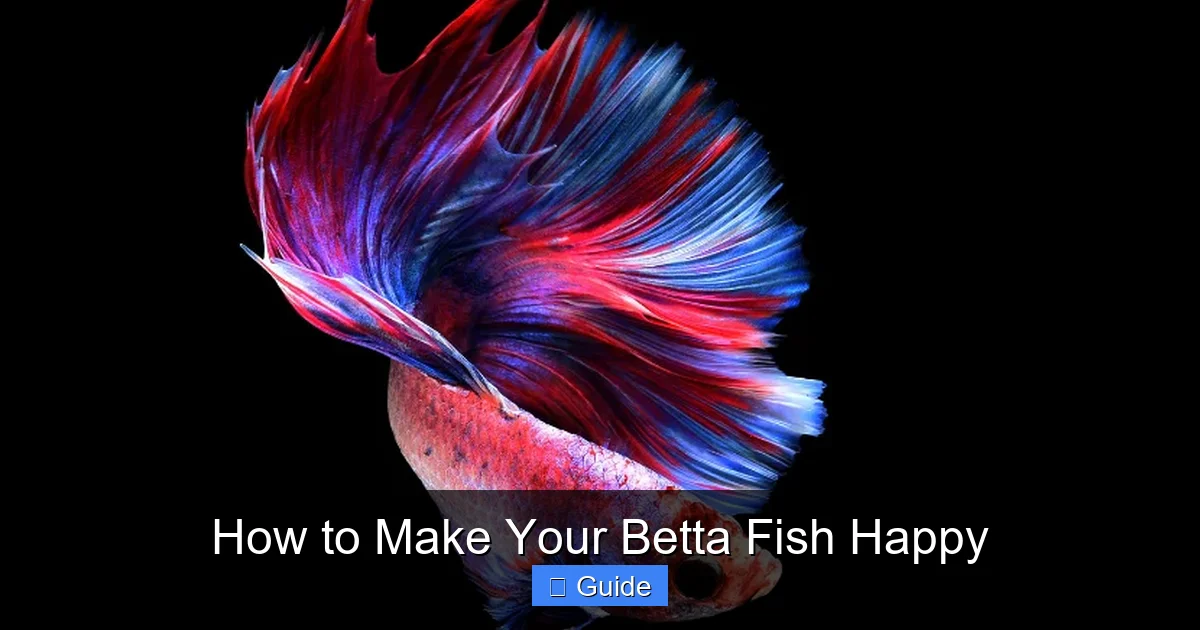
Making your betta fish happy means providing more than just a small bowl. It requires a properly sized, heated, and filtered tank (minimum 5 gallons), consistent clean water, a varied high-quality diet, and mental stimulation through plants and hiding spots. Understanding their solitary nature and watching for subtle behavior changes are key to preventing stress and ensuring a long, vibrant life for your aquatic friend.
Let’s be honest: the image of a betta fish in a small, decorative vase on a desk is a persistent and harmful myth. If you’ve ever wondered, “Is my betta happy?” you’re already asking the right question. True betta fish happiness isn’t about mere survival; it’s about creating an environment where their stunning colors pop, their personalities shine, and they exhibit natural, curious behaviors. As someone who has cared for these magnificent fish for years, I can tell you that transforming your betta from a passive occupant into a vibrant, engaged pet is deeply rewarding. It all starts by ditching the outdated notions and embracing their true needs. This guide will walk you through every essential aspect of betta care, from the physics of water to the psychology of enrichment, to ensure your Siamese fighting fish lives a long, healthy, and genuinely happy life.
Key Takeaways
- Tank Size is Non-Negotiable: A happy betta needs a minimum 5-gallon tank to swim, explore, and establish territory, not a tiny bowl.
- Water Quality is Paramount: Stable, warm (78-80°F), clean water with zero ammonia/nitrite and low nitrates is the foundation of betta health and happiness.
- Diet Must Be Varied & Appropriate: Feed high-quality pellets as a staple, supplemented with frozen or live foods like daphnia or brine shrimp to mimic a natural diet.
- Enrichment Prevents Boredom: Live or silk plants, caves, logs, and safe toys provide security and stimulation, reducing stress and encouraging natural behaviors.
- Bettas are Solitary & Sensitive: They are generally best kept alone. Aggression or chronic stress from tank mates or reflections is a major cause of unhappiness.
- Observe Your Fish Daily: A happy betta is active, curious, flares playfully, and displays vibrant colors. Lethargy, faded colors, or clamped fins signal a problem.
📑 Table of Contents
- The Foundation: Creating the Perfect Aquatic Home
- The Invisible Pillar: Mastering Water Quality & Chemistry
- Culinary Happiness: Feeding a Balanced, Stimulating Diet
- The Enriched Environment: Stimulating Mind and Body
- Social Dynamics: Understanding Betta Temperament
- Health & Wellness: The Proactive Approach to Happiness
The Foundation: Creating the Perfect Aquatic Home
You wouldn’t expect a dog to be happy locked in a small crate all day, yet for decades, bettas have been condemned to tiny, barren containers. Their happiness is directly tied to the space and quality of their environment. This isn’t about luxury; it’s about biology.
Why the “Bowl” is a Terrible Idea
The classic betta in a bowl is a recipe for chronic stress and poor health. Such a small volume of water (often less than 1 gallon) experiences rapid, extreme fluctuations in temperature and water chemistry. Ammonia from the fish’s waste builds up almost instantly, poisoning the fish. There’s no room for filtration or heating—two absolute necessities. This constant state of environmental instability is the opposite of happiness; it’s a slow, stressful march toward disease. A happy betta needs stability, which only a properly set-up tank can provide.
The Minimum Tank Size: 5 Gallons and Beyond
The consensus among reputable aquarists and veterinarians is clear: a single betta requires a minimum of a 5-gallon (19-liter) tank. Why is this the magic number? It provides enough horizontal swimming space—bettas are active surface swimmers—and enough water volume to dilute toxins, creating a stable ecosystem. A 5-gallon tank allows for proper filtration and heating without creating a current so strong it exhausts the fish. Larger is almost always better if you have the space. A 10-gallon tank offers even more stability and room for creative aquascaping, which directly contributes to your betta’s mental well-being. Think of it as the difference between a studio apartment and a small house; one is a place to exist, the other can be a home.
The Essential Trio: Heater, Filter, and Lid
Three pieces of equipment are absolutely non-negotiable for a happy betta tank. First, a submersible aquarium heater. Bettas are tropical fish from the warm, shallow waters of Thailand. They require a consistent temperature between 78°F and 80°F (25.5°C – 26.5°C). A drop below 76°F severely suppresses their immune system and metabolism, leading to lethargy and illness. A reliable heater with an automatic shut-off is a must.
Second, a gentle filter. filtration is the process that houses beneficial bacteria, which convert toxic fish waste (ammonia) into less harmful substances (nitrate). This is the nitrogen cycle, the cornerstone of a healthy aquarium. For bettas, the filter must create a very gentle flow. Their long, flowing fins are not built for fighting currents. Look for filters with adjustable flow settings, or use a sponge filter, which is perfect—it provides excellent biological filtration and a gentle, bubbling flow that bettas often enjoy.
Third, a secure lid. Bettas are notorious jumpers. They can and will leap out of an open tank if spooked or curious. A tight-fitting lid with ventilation holes is essential for safety. It also helps maintain humidity and temperature.
The Invisible Pillar: Mastering Water Quality & Chemistry
You can have the most beautiful tank decor, but if the water is poor, your betta will be stressed and sick. Water quality is the invisible pillar of happiness. Fish live, eat, and breathe in their water; its quality dictates their entire existence.
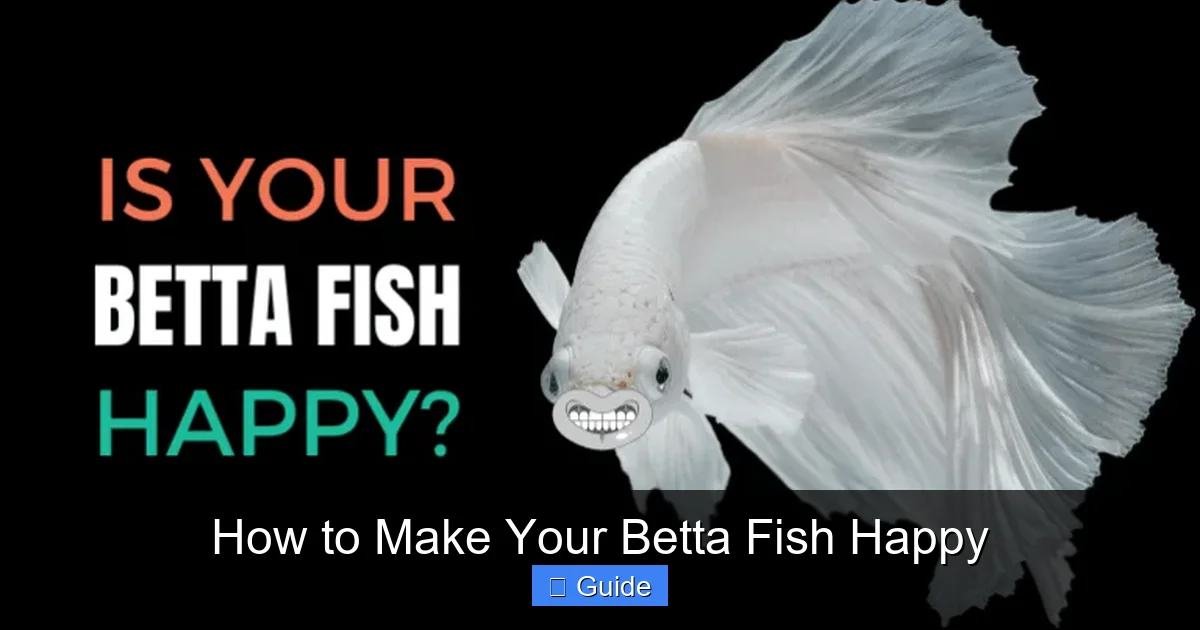
Visual guide about How to Make Your Betta Fish Happy
Image source: japanesefightingfish.org
Understanding the Nitrogen Cycle: It’s Not Optional
Setting up a new tank requires “cycling” it before adding your betta. This 2-6 week process establishes a colony of beneficial bacteria in the filter and on surfaces. These bacteria are your tank’s janitorial staff, consuming toxic fish waste. Adding a betta to an uncycled tank is like moving a person into a house with no plumbing—waste just builds up. You must test the water with a liquid test kit (not strips) to confirm ammonia and nitrite are at 0 ppm and nitrate is under 20 ppm before introducing your fish. A cycled tank is a stable, safe home.
Consistent Maintenance: The Weekly Ritual
Even in a cycled tank, maintenance is crucial. A happy betta lives in consistently clean water. This means weekly partial water changes. Replace 25-30% of the tank water with dechlorinated water that matches the temperature of the tank. Use a gravel vacuum to suck debris from the substrate. Never change 100% of the water at once, as this destroys the beneficial bacterial colony and shocks the fish. Clean the filter media (like the sponge) monthly by rinsing it in the old tank water you’ve removed—never tap water, as chlorine kills the good bacteria.
Testing and Parameters: Your Fish’s Report Card
Invest in a reliable liquid test kit (like API’s Freshwater Master Test Kit). Test weekly. Target parameters for a happy betta: Ammonia: 0 ppm, Nitrite: 0 ppm, Nitrate: <20 ppm, pH: 6.5-7.5. Temperature must be stable at 78-80°F. Sudden swings in pH or temperature are major stressors. Use a digital thermometer to double-check your heater’s accuracy.
Culinary Happiness: Feeding a Balanced, Stimulating Diet
Feeding is one of the most interactive parts of betta ownership and a huge opportunity to boost happiness. However, most commercial betta pellets are a starting point, not a complete diet. In the wild, bettas are insectivores and micro-predators, eating mosquito larvae, daphnia, and tiny crustaceans.
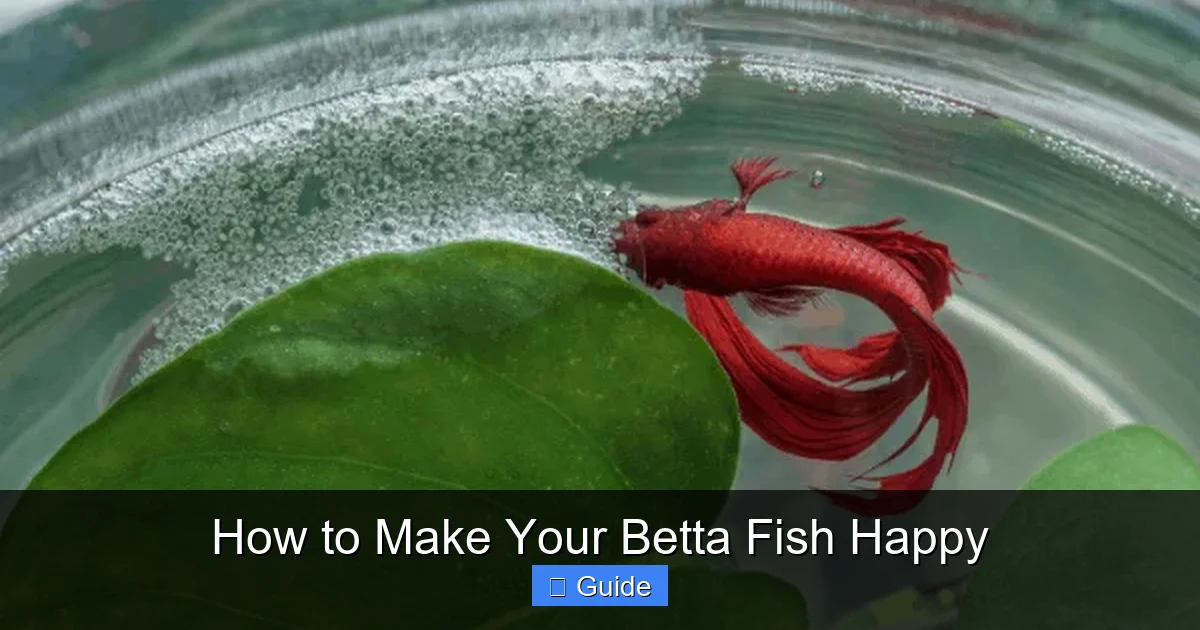
Visual guide about How to Make Your Betta Fish Happy
Image source: japanesefightingfish.org
Choosing High-Quality Staple Food
Select a high-quality betta pellet where the first few ingredients are whole fish or shrimp meal, not fillers like wheat or soybean meal. Pellets should be small enough for their tiny mouths. A good rule is to feed an amount they can consume in 2-3 minutes, once or twice a day. Overfeeding is the #1 cause of water quality problems and constipation. Any uneaten food must be immediately removed with a net or turkey baster.
The Power of Variety: Frozen & Live Foods
Supplement pellets 2-3 times a week with frozen foods like daphnia (great for digestion), brine shrimp, or bloodworms (a treat, not a staple). Thaw a small cube in a dish of tank water and offer a few morsels. For the ultimate in stimulation and nutrition, occasionally offer live foods like microworms or newly hatched brine shrimp. Watching your betta hunt these wriggly treats is fascinating and mimics their natural hunting behavior, providing crucial mental enrichment. This variety keeps them interested in food and provides nutrients pellets may lack.
Fasting for Digestive Health
Once a week, consider a 24-hour fast. This gives their digestive system a break and helps prevent constipation, a common issue that can lead to swim bladder disease. A constipated betta will look bloated, struggle to swim, and be clearly uncomfortable—the opposite of happy.
The Enriched Environment: Stimulating Mind and Body
A bare tank is a prison. An enriched tank is a playground. Bettas are intelligent, curious fish that need stimulation to prevent boredom and stress. Enrichment is not just about hiding places; it’s about creating a dynamic, interesting world.
Visual guide about How to Make Your Betta Fish Happy
Image source: tankarium.com
Plants: The Essential Architecture
Live plants are the single best addition to a betta tank. They oxygenate the water, absorb nitrates, and provide complex hiding spots and resting places. Bettas love to sleep on broad leaves near the surface. Excellent, easy beginner plants include Anubias, Java Fern, and Amazon Swords (attached to driftwood or rock, not buried). Floating plants like Frogbit or Salvinia create a beautiful canopy that bettas adore, making them feel secure and dimming harsh light. Silk plants are a decent substitute if live plants are too challenging, but ensure they have no rough edges that can tear delicate fins.
Caves, Logs, and Hiding Spots
Provide at least one solid cave or decorated pot (ensure it’s aquarium-safe, no sharp edges). Betta fish appreciate a dark, enclosed space to retreat to when they want privacy. This is crucial for reducing stress, especially in a room with lots of activity. A piece of untreated, aquarium-safe driftwood or a coconut shell creates a natural-looking hide. The goal is to break up lines of sight and give the fish control over its environment.
Toys and Interaction: Yes, Bettas Play
Don’t underestimate your betta’s intelligence. You can introduce simple, safe toys. A clean ping-pong ball floating on the surface can be pushed around. Some bettas learn to “play” with a straw or chase a laser pointer (never shine it directly in their eyes). The key is supervised interaction. You can also train your betta to follow your finger along the glass using a small piece of food as a reward. This positive interaction builds a bond and provides essential cognitive exercise.
Social Dynamics: Understanding Betta Temperament
The name “Siamese fighting fish” says it all. Their most famous trait is their aggression toward other males. Understanding this is central to their happiness.
The Solitary Nature: A Tank for One
Male bettas should almost always be kept alone. Their aggression is innate and territorial. The idea of a “betta sorority” (group of females) is advanced, risky, and requires a very large, heavily planted tank (20+ gallons) with dozens of females to disperse aggression—it is not recommended for beginners. The safest, happiest life for a betta is a solitary one. This eliminates the constant stress of territorial disputes and fighting.
Tank Mates: Proceed with Extreme Caution
If you are experienced and have a heavily planted 10+ gallon tank, you *might* consider peaceful, fast-moving, cold-water community fish like certain types of danios, rasboras, or Corydoras catfish. The rule is: no fish with long, flowing fins (like guppies, which bettas will attack, thinking they’re rivals), no bright colors that might trigger aggression, and no slow, trailing fins. Always have a backup plan (a separate quarantine tank) in case it doesn’t work out. Never add fish to a small, bare betta tank.
The Reflection: A Source of Chronic Stress
Bettas are highly territorial and will flare ( puff up their gills and stretch their fins) at their own reflection, thinking it’s a rival. This causes chronic stress if they are constantly seeing it. Use a non-reflective background on the tank’s back and sides. If your betta is obsessively flaring at the glass, cover the sides with a towel temporarily to break the reflection. A happy betta may flare occasionally during a courtship display or at a new object, but it shouldn’t be a constant behavior.
Health & Wellness: The Proactive Approach to Happiness
A healthy fish is a happy fish. Prevention is infinitely better than cure. Many health issues are directly caused by poor water quality, diet, or stress.
Recognizing a Happy vs. Stressed/Sick Betta
A happy betta is a vibrant ambassador. It will actively swim (not just float), explore all levels of the tank, flare playfully at new objects or during feeding, and display bright, even colors. Its fins are held open and flowing, not clamped tight against its body. A stressed or sick betta will be lethargic, hiding constantly, have faded or dull colors, clamped fins, exhibit loss of appetite, have raised scales (like a pinecone), show spots, fungus, or frayed fins. Early detection is key.
Common Ailments and First Steps
The most common diseases are directly linked to water quality: Fin Rot (fins become ragged and decay, often bacterial), Ich (white salt-like spots, parasitic), and Swim Bladder Disorder (difficulty swimming, often from constipation or infection). The first and most powerful treatment for almost any ailment is a water change with clean, temperature-matched water. This removes pathogens and improves water quality, boosting the fish’s immune system. Always quarantine new fish in a separate hospital tank before adding them to your display tank to prevent introducing disease.
The Importance of a Quarantine Tank
A small 2-5 gallon hospital/quarantine tank is a critical piece of equipment for a serious betta keeper. It allows you to: 1) Observe new fish for 2-4 weeks for signs of disease before they enter your main tank. 2) Treat sick fish with medications without harming beneficial bacteria in the main filter or exposing other fish. 3) Provide a calm, bare recovery space. This proactive step prevents the vast majority of disease outbreaks and is a hallmark of responsible, happiness-focused care.
Frequently Asked Questions
Can betta fish live with other fish?
Male bettas are highly territorial and are best kept alone. While carefully selected, peaceful tank mates can sometimes work in large, heavily planted tanks (10+ gallons), it carries significant risk of aggression and stress. For guaranteed happiness and safety, a solitary betta is the ideal setup.
How often should I clean my betta’s tank?
Perform a 25-30% partial water change with a gravel vacuum weekly. This maintains water quality without disrupting the beneficial bacterial cycle. Never clean all the gravel or replace all filter media at once, as this harms the good bacteria essential for a healthy tank.
What are the best plants for a betta tank?
Live plants are best! Betta favorites include Anubias and Java Fern (attach to wood/rock), Amazon Swords, and floating plants like Frogbit or Salvinia. These provide resting spots, reduce stress by breaking up sight lines, and improve water quality. Ensure any plants are truly aquatic and safe for fish.
Why is my betta fish not eating?
A loss of appetite is a major red flag. First, check your water parameters immediately—poor water quality is the most common cause. Ensure the food is appropriate (pellets soaked, high-quality) and try offering frozen or live foods like daphnia. If the refusal persists for more than a day or is accompanied by other symptoms (lethargy, clamped fins), investigate for illness or constipation.
My betta is flaring at its reflection constantly. What should I do?
Chronic flaring at its reflection causes severe stress. Cover the tank’s sides with a non-reflective background or temporarily with a towel to break the reflection. Ensure the tank has plenty of plants and hiding spots so your betta feels secure in its territory, reducing its perceived need to defend it.
How long do betta fish live?
With exceptional care—including a proper tank size, stable heated water, a quality diet, and enrichment—betta fish commonly live 4-6 years, and some reach 7-10 years. A betta living in a small, unheated bowl may only survive 1-2 years. Their lifespan is a direct reflection of the happiness and care you provide.