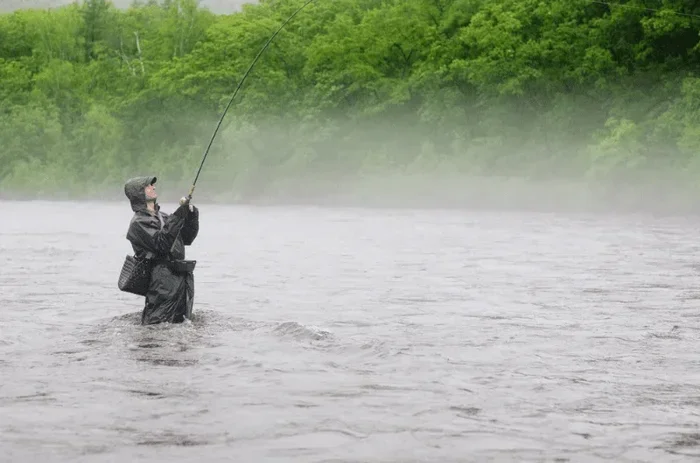
Is Fishing Better on Cloudy Days
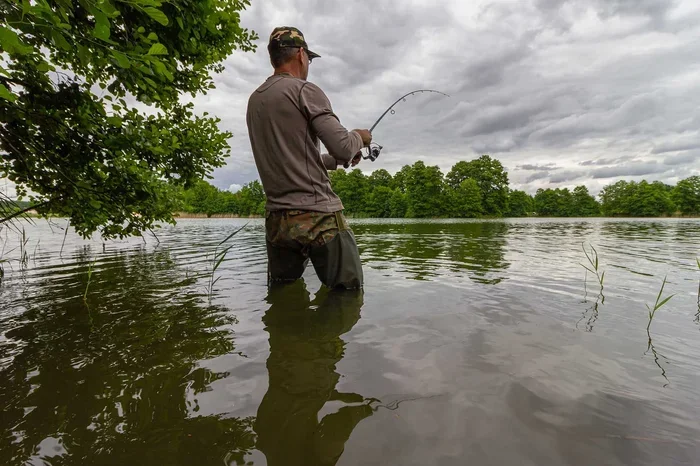
Yes, fishing is often better on cloudy days because overcast skies create low-light conditions that make fish more active and willing to feed. Cloudy day fishing can increase your catch rate significantly, especially for species like bass, trout, and catfish. Understanding how cloud cover affects fish behavior helps you plan better fishing trips and enjoy more successful fishing weather.
Have you ever noticed that some of your best fishing trips happen when the sky is gray and overcast? There is a real reason for that. Is fishing better on cloudy days? The short answer is yes, and the science behind it is fascinating. When clouds roll in and block the sun, fish behavior changes in ways that can dramatically improve your catch rate.
Many anglers swear by cloudy day fishing and for good reason. Overcast skies create low-light conditions that make fish feel safer from predators. This means they move into shallower water and feed more aggressively. Whether you are targeting bass in a local lake or trout in a mountain stream, understanding how cloud cover fishing works can give you a serious edge.
In this guide, we will break down exactly why fishing is better on cloudy days, which species respond best, and how you can adjust your technique to make the most of every overcast afternoon. By the end, you will have all the knowledge you need to plan your next trip around the weather forecast.
Key Takeaways
- Fish Feed More Actively: Cloudy skies reduce light penetration, making fish less cautious and more likely to bite.
- Low Light Is an Angler’s Friend: Overcast conditions mimic dawn and dusk, the prime feeding windows for most freshwater species.
- Multiple Species Respond Well: Bass, trout, catfish, and panfish all tend to be more aggressive on cloudy days.
- Water Temperature Stays Stable: Cloud cover prevents surface heating, keeping fish comfortable throughout the day.
- Technique Adjustments Help: Using brighter lures and fishing shallower can maximize your success during overcast conditions.
- Timing Still Matters: Even on cloudy days, early morning and late evening remain the best windows for fishing success.
- Safety First: Always check for incoming storms before heading out on a cloudy day fishing trip.
📑 Table of Contents
- Why Cloudy Days Can Be Great for Fishing
- How Cloud Cover Affects Fish Behavior
- Best Fish Species to Target on Cloudy Days
- Tips for Fishing on Cloudy Days
- Cloudy Days vs Sunny Days: What Works Better
- Common Mistakes Anglers Make on Cloudy Days
- Expert Insights on Cloudy Day Fishing
- Key Takeaways
- Frequently Asked Questions
- Conclusion
Why Cloudy Days Can Be Great for Fishing
Cloudy days create a unique set of conditions that benefit both fish and anglers. When the sun is hidden behind a blanket of clouds, several things happen in the water that trigger increased feeding activity.
Low Light Conditions Trigger Feeding
Fish have light-sensitive eyes that respond strongly to changes in brightness. When clouds reduce the amount of sunlight reaching the water, it creates the same kind of low-light environment you find at dawn and dusk. Fish interpret this as a safe window to feed because their predators have a harder time spotting them.
This is why is fishing better on cloudy days remains one of the most debated topics among anglers. The answer, backed by years of experience and biological science, is that low light puts fish in an active feeding mode. They roam more freely and are less picky about what they eat.
Water Temperature Stays Comfortable
On bright sunny days, the surface water heats up quickly. This can push fish deeper into cooler water where they are less accessible to anglers. Cloudy days prevent this surface heating, keeping the water temperature more uniform from top to bottom.
When water temperature cloudy days stay stable, fish feel comfortable holding in areas they might otherwise avoid. This means you can find them in shallower spots, near structure, and along shoreline cover. For anglers, this translates to easier access and more bites.
Reduced Visibility Works in Your Favor
Cloudy skies reduce the amount of light that penetrates the water column. This lowered visibility makes fish less wary of approaching lures and baits. They cannot see your line or lure as easily, which means fewer refusals and more strikes.
If you have ever struggled to get bites on a bright, clear day, switching to fishing on overcast days might be the solution you need. The reduced light gives your lure a more natural presentation and removes one of the biggest obstacles between you and a hookset.
How Cloud Cover Affects Fish Behavior
Understanding fish behavior on cloudy days helps you make smarter decisions on the water. Fish are creatures of habit, and their daily routines are heavily influenced by light levels and atmospheric conditions.
The Science Behind Fish Activity and Light
Fish rely on light to navigate, find food, and detect threats. When clouds block the sun, the entire light spectrum underwater shifts. This triggers a chain reaction in fish behavior:
- Increased movement: Fish leave deep holding areas and move into shallower water.
- More aggressive feeding: Fish are willing to chase lures they would ignore in bright conditions.
- Extended feeding windows: The low-light period lasts longer, giving you more time to fish productively.
- Reduced spookiness: Fish are less cautious about approaching objects near the surface.
These behavioral shifts are why so many experienced anglers plan their trips around the weather. Checking the forecast before you head out can make a huge difference in your fishing success rate.
Atmospheric Pressure and Its Role
Cloudy weather often comes with stable or falling barometric pressure. Many fish species respond to these pressure changes by increasing their feeding activity. Falling pressure, which commonly precedes cloudy and stormy weather, is often considered the best fishing pressure condition.
You do not need a fancy barometer to take advantage of this. Simply watching the sky for darkening clouds can give you a good sense of what is happening with the pressure. If clouds are building and the air feels heavy, chances are fish are getting ready to feed actively.
Best Fish Species to Target on Cloudy Days
Not all fish respond equally to cloudy conditions, but many popular species show a strong preference for overcast skies. Here are the best targets when you are planning cloudy day fishing.
Bass Fishing on Overcast Days
Bass are one of the most responsive species to cloudy conditions. The low light makes them more confident about moving into shallow water to feed. Bass fishing cloudy days can produce some of the biggest catches of the year, especially during spring and fall.
Try targeting rocky shorelines, fallen trees, and weed edges. Bass will feel bold enough to venture into these areas when the sun is hidden. Use slower presentations like jigs, soft plastics, and spinnerbaits to match their more deliberate feeding pace.
Trout and Overcast Weather
Trout thrive in low-light conditions. Cloudy days are ideal for trout fishing cloudy weather because the reduced brightness encourages trout to move into riffles and shallow runs where they normally stay hidden during bright periods.
Use natural-colored flies or small spinners that imitate local insects. Fish closer to the surface than you normally would, because trout are more willing to look upward when the light is dim.
Catfish and Cloudy Skies
Catfish are naturally opportunistic feeders, and cloudy days amplify their already strong feeding instincts. The low light combined with stable water temperatures makes catfish more active throughout the day, not just at night.
Fish near the bottom with cut bait, chicken liver, or stink bait. Cloudy conditions give you the added bonus of being able to fish shallow flats where catfish often patrol in search of food.
Tips for Fishing on Cloudy Days
Now that you know why cloudy days are excellent for fishing, here are some practical tips to help you maximize your success.
Use Brighter Lures and Colors
Even though light is reduced, fish still need to see your offering. Bright colors like chartreuse, yellow, and white stand out more in overcast water. Darker lures also work well because they create strong silhouettes that fish can detect easily in low light.
If you are wondering is it better to fish when cloudy or sunny, the answer depends on your target species. But for most situations, brighter and more contrasting lure colors will help you stand out on cloudy days.
Fish Shallower Than Usual
Since fish are not as wary about moving into shallow areas on cloudy days, take advantage of this by fishing water you might normally skip. Shallow flats, drop-off edges, and areas near cover become prime spots when the sky is overcast.
Cast parallel to shorelines and work your lure slowly. You will be surprised at how close fish will come to the surface when the light is low.
Time Your Trip Around Dawn and Dusk
Even though cloudy days extend feeding windows, the early morning and late evening hours remain the most productive. Fish are already in an active feeding mode, and adding natural low light from dawn or dusk creates the perfect storm of activity.
Set your alarm early or plan to stay out late. These windows on cloudy days can produce non-stop action that lasts for hours.
Watch for Incoming Weather Changes
The most productive cloudy day fishing often happens just before a storm rolls in. The combination of falling pressure, darkening skies, and dropping temperatures triggers a feeding binge in most species. If you see clouds building rapidly, get to the water as fast as you can.
However, always prioritize safety. If you hear thunder or see lightning, head to shore immediately. No fish is worth risking your life over.
Try Different Retrieval Speeds
On cloudy days, fish are often willing to chase lures more aggressively than on sunny days. Try faster retrievals with crankbaits and spinnerbaits to trigger reaction strikes. You can also slow down and use subtle movements if the fish seem less active than expected.
Experimentation is key. Spend time testing different speeds and presentations until you find what works on that particular day.
Cloudy Days vs Sunny Days: What Works Better
Comparing fishing on cloudy days to fishing on sunny days reveals some clear advantages for overcast conditions. Let us look at the key differences.
| Factor | Cloudy Days | Sunny Days |
|---|---|---|
| Light Level | Low and uniform | Bright and harsh |
| Fish Activity | Higher, more aggressive | Lower, more cautious |
| Fish Location | Shallow and spread out | Deep and concentrated |
| Lure Visibility | Easier for fish to see | Harder, fish more selective |
| Best Times | Throughout the day | Dawn and dusk only |
| Water Temperature | Stable and comfortable | Surface heats quickly |
| Angler Comfort | Cooler, less glare | Hot, glare can be harsh |
As you can see, cloudy days offer advantages in almost every category. The one exception is that sunny days can produce excellent topwater action during the early morning and late evening. But for consistent, all-day fishing, overcast conditions are hard to beat.
If you want to dive deeper into how different weather conditions affect your fishing experience, check out our article on is it better to fish when cloudy or sunny for more detailed comparisons and strategies.
Common Mistakes Anglers Make on Cloudy Days
Even experienced anglers can make mistakes when fishing on cloudy days. Avoiding these common errors will help you make the most of every overcast trip.
Using the Same Lures You Use on Sunny Days
One of the biggest mistakes is not adjusting your tackle. Fish see differently under cloudy skies, and your lure selection should change accordingly. Using the same natural-colored lures you rely on on bright days can result in missed opportunities.
Switch to brighter, more visible options. Chartreuse, white, and fire-tiger patterns all perform better when light levels drop.
Staying in Deep Water
Many anglers assume fish are always deep, especially on bright days. On cloudy days, this assumption can cost you. Fish move shallow because they feel safe in low light. If you are fishing deep water on an overcast day, you might be missing fish that are just a few feet below the surface.
Ignoring the Weather Forecast
Some anglers head out without checking the weather. On cloudy days, this is especially risky. You want to fish before a storm hits, not during one. Checking the forecast helps you time your trip for the most productive window.
For more insights on how weather patterns influence fish behavior, read our piece on is fishing better after rain to understand how post-rain conditions complement overcast fishing.
Fishing Too Fast
Cloudy days make fish more willing to chase, but that does not mean you should rush. Many anglers retrieve their lures too quickly on overcast days and miss bites. Slow down, give fish time to find your lure, and be patient with your presentations.
Expert Insights on Cloudy Day Fishing
Professional anglers and fisheries biologists agree that cloudy conditions are among the most productive for freshwater fishing. According to studies on fish behavior and light levels, species like largemouth bass and rainbow trout show measurable increases in feeding activity when light levels drop by 30 to 50 percent.
Experts recommend using the cloudy day fishing advantage to target species that are normally harder to catch during bright periods. Fish that stay deep or hold tight to cover on sunny days will often venture out into open water when clouds move in.
One pro tip from tournament anglers is to focus on structure and cover more aggressively on cloudy days. Since fish are not as spooky, they will hold closer to docks, fallen trees, and rock piles. These areas become hot spots when the sky is overcast.
If you are interested in learning more about how different weather conditions affect fishing, our article on is fishing better when water is rising or falling covers another important weather-related factor that can complement your cloudy day strategy.
Key Takeaways
- Fish Feed More Actively: Cloudy skies reduce light penetration, making fish less cautious and more likely to bite.
- Low Light Is an Angler’s Friend: Overcast conditions mimic dawn and dusk, the prime feeding windows for most freshwater species.
- Multiple Species Respond Well: Bass, trout, catfish, and panfish all tend to be more aggressive on cloudy days.
- Water Temperature Stays Stable: Cloud cover prevents surface heating, keeping fish comfortable throughout the day.
- Technique Adjustments Help: Using brighter lures and fishing shallower can maximize your success during overcast conditions.
- Timing Still Matters: Even on cloudy days, early morning and late evening remain the best windows for fishing success.
- Safety First: Always check for incoming storms before heading out on a cloudy day fishing trip.
Frequently Asked Questions
Is fishing better on cloudy days than sunny days?
For most species and conditions, yes. Cloudy days create low-light environments that make fish more active and less wary. The reduced light triggers feeding behavior and encourages fish to move into shallower water where they are easier to reach. While sunny days can produce great results at dawn and dusk, cloudy days often offer consistent action throughout the entire day.
What is the best time to fish on a cloudy day?
The best times are early morning and late evening, even on cloudy days. These natural low-light periods combine with the overcast sky to create peak feeding windows. However, because clouds already reduce light levels, you can often catch fish at any time of day on an overcast afternoon. The hours just before a storm arrive are especially productive.
Which fish species are most active on cloudy days?
Bass, trout, catfish, and panfish all respond well to cloudy conditions. Bass become more aggressive and move shallow. Trout leave deep pools and hold in riffles and runs. Catfish feed actively throughout the day instead of waiting for darkness. Panfish like bluegill and crappie also become more willing to chase lures when the light is low.
Do I need different gear for fishing on cloudy days?
You do not need completely different gear, but some adjustments help. Use brighter lure colors like chartreuse, yellow, and white that stand out in low light. Consider using a slightly heavier line or leader if you are fishing deeper water, since fish may be less willing to move far for food. Also, bring a variety of lure sizes to match what the fish are feeding on that day.
Can cloudy weather make fishing worse?
In some cases, yes. If clouds are accompanied by strong winds, heavy rain, or thunderstorms, fishing can become dangerous or unproductive. Very rough water from wind can make it hard to present your lure properly. Always check the full weather forecast before heading out and prioritize safety over fishing opportunities.
Why do fish bite more when it is cloudy?
Fish bite more when it is cloudy because the reduced light makes them feel safer from predators. Their natural instinct is to feed more aggressively when they feel protected. Cloudy conditions also keep water temperatures stable, which keeps fish comfortable and active. The combination of low light and stable temperatures creates ideal feeding conditions for most freshwater species.
Conclusion
The answer to the question is fishing better on cloudy days is a resounding yes for most anglers and most species. Cloudy day fishing offers better fish activity, more aggressive feeding, and more comfortable conditions for you on the water. The low light created by cloud cover triggers natural feeding instincts in fish and removes many of the barriers that make them difficult to catch on bright days.
By understanding how cloud cover fishing affects fish behavior, adjusting your techniques, and timing your trips around weather patterns, you can consistently enjoy better results. Use brighter lures, fish shallower, and take advantage of the extended feeding windows that overcast days provide.
Next time you look outside and see gray skies rolling in, do not put your fishing gear away. Grab your rod, pick a productive spot, and head to the water. Some of the best fishing days of the year happen when the clouds move in and the sun disappears. Embrace the overcast conditions, and let the fish come to you.