How to Tell If Your Betta Fish Is Bloated
Knowing how to tell if your betta fish is bloated can save its life. Bloating in betta fish shows up as a swollen belly, loss of appetite, and trouble swimming. This guide covers the main causes, clear symptoms, and easy home treatments so you can act fast and keep your fish healthy.
Key Takeaways
- Swollen belly and curved spine: These are the most visible signs that your betta fish is bloated and needs attention.
- Overfeeding is the #1 cause: Feeding too much or too often leads to constipation and bloating in betta fish.
- Swim bladder disease connects to bloating: A bloated betta often struggles with buoyancy and floating issues.
- Simple home treatments work: Fasting, pea feeding, and water changes can resolve mild bloating quickly.
- Know when to seek help: Severe bloating with other symptoms may require professional care or specific treatments.
- Prevention is easy: A proper feeding schedule and clean tank go a long way in avoiding bloating.
📑 Table of Contents
- How to Tell If Your Betta Fish Is Bloated
- Common Signs Your Betta Fish Is Bloated
- Why Is My Betta Fish Bloated? Top Causes
- How to Tell If Your Betta Fish Is Bloated vs. Just Fat
- How to Treat a Bloated Betta Fish at Home
- Preventing Bloating in Your Betta Fish
- When to See a Vet or Seek Professional Help
- Key Takeaways
- Conclusion
How to Tell If Your Betta Fish Is Bloated
A bloated betta fish is a worrying sight. You notice the belly looks bigger than usual. The fish swims differently. Maybe it stops eating altogether. These signs can mean something is wrong with your fish’s digestive system. The good news? You can often fix this at home if you catch it early.
Bloating happens for many reasons. Sometimes it is just constipation from eating too much. Other times, it signals a deeper health problem like swim bladder disease or even a serious infection. Learning to spot the signs early makes all the difference. This guide walks you through every symptom, cause, and treatment option so you know exactly what to do.
Whether you are a new betta owner or have kept fish for years, understanding bloating is essential. It is one of the most common health issues in betta fish. And the sooner you respond, the better the outcome. Let us dive into the details of how to tell if your betta fish is bloated and what you can do about it.
Common Signs Your Betta Fish Is Bloated
Spotting bloating early starts with knowing what to look for. Betta fish show clear physical and behavioral changes when they are bloated. Here are the most common signs to watch for.
Physical Symptoms
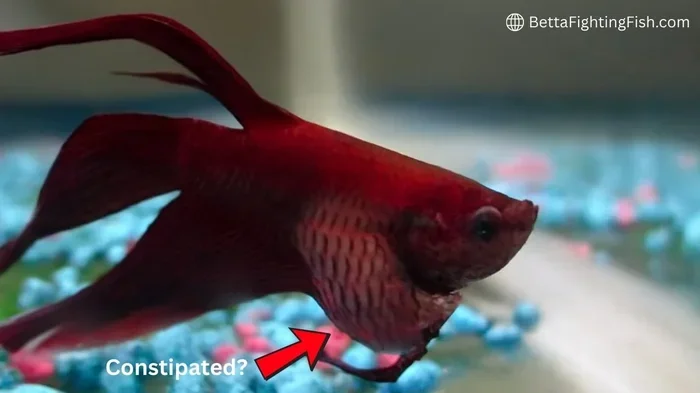
- Swollen or distended belly: The belly looks puffy and tight. It may appear larger than the rest of the body.
- Curved or arched spine: In severe cases, the spine curves upward because of the pressure inside.
- Scales sticking out: The scales may lift away from the body, giving a pinecone-like appearance.
- Redness or inflammation: The swollen area may look red or irritated.
- Loss of color: A bloated betta often looks paler than usual.
Behavioral Changes
- Floating at the top or sinking at the bottom: Buoyancy problems are a hallmark of bloating and swim bladder issues.
- Loss of appetite: Your betta refuses food or eats very little.
- Lethargy and inactivity: The fish stays still at the bottom of the tank for long periods.
- Straining or difficulty swimming: You may see your betta struggling to maintain balance.
- Clamped fins: The fins stay close to the body instead of being open and flowing.
If you notice a combination of these signs, your betta is likely bloated. The next step is figuring out why.
Why Is My Betta Fish Bloated? Top Causes
Understanding the root cause of bloating helps you choose the right treatment. Not all bloating is the same, and the cause determines how serious it is.
Overfeeding
This is the number one cause of bloating in betta fish. Bettas have small stomachs. They do not need much food. Many owners feed too much or too often. Uneaten food rots in the tank, fouling the water. Excess food in the stomach causes constipation and swelling. A simple fix is adjusting the feeding schedule.
Constipation
Constipation and bloating go hand in hand. When a betta cannot pass waste, the buildup causes the belly to swell. This often happens after eating dried foods like flakes or pellets that expand in the stomach. A short fast can help clear things out.
Swim Bladder Disease
The swim bladder controls buoyancy. When it gets infected or damaged, the fish cannot regulate its position in the water. Bloating often accompanies swim bladder problems. You might notice your betta floating sideways or struggling to swim downward. This condition is closely related to bloating and often overlaps with the symptoms.
Poor Water Quality
Dirty water stresses betta fish and weakens their immune system. High ammonia or nitrate levels can cause bloating and other health issues. Regular tank maintenance keeps the water safe. If you have not changed the water in a while, this could be the culprit behind your betta’s swollen belly.
Internal Infections or Parasites
Bacterial or parasitic infections inside the body can cause swelling. These are more serious and often come with additional symptoms like redness, ulcers, or unusual waste. If home treatments do not work, you may need to look into medication.
Egg Binding (in Female Bettas)
Female bettas can become bloated when they are full of eggs and cannot release them. This is called egg binding. It is not a disease but a condition that needs attention. You can learn more about identifying if your betta is pregnant in our guide on how can you tell if your betta fish is pregnant.
How to Tell If Your Betta Fish Is Bloated vs. Just Fat
Many owners confuse a fat betta with a bloated one. The two look similar but have different causes and treatments. Here is a simple comparison to help you tell the difference.
| Sign | Bloated Betta | Fat Betta |
|---|---|---|
| Belly Shape | Uniformly round and tight | Round but soft and squishy |
| Swimming Ability | Struggles with buoyancy | Swims normally |
| Appetite | Refuses food or eats very little | Eats eagerly |
| Scale Appearance | Scales may stick out | Scales lie flat |
| Duration | Comes on suddenly | Develops over weeks |
| Other Symptoms | Lethargy, clamped fins, color loss | No other symptoms |
A fat betta is healthy and well-fed. A bloated betta is in distress. If your fish suddenly looks swollen and acts differently, treat it as bloating until you can rule it out.
How to Treat a Bloated Betta Fish at Home
The good news is that mild bloating often responds well to simple home treatments. You do not need expensive equipment or a vet visit right away. Try these steps in order.
Step 1: Fast Your Betta
Stop feeding your betta for two to three days. This gives the digestive system time to clear out any trapped food or waste. Do not worry. Bettas can safely fast for several days without harm. This is one of the most effective first steps you can take.
Step 2: Feed a Blanched Pea
After the fast, offer a single blanched pea. Remove the skin and mash it into a small piece. Peas act as a natural laxative and help relieve constipation. Many betta owners swear by this remedy. It works because the fiber helps push waste through the digestive tract.
Step 3: Raise the Water Temperature
Warm water improves digestion and speeds up the metabolism. Raise the temperature to around 78-80 degrees Fahrenheit. Use a reliable heater and monitor the temperature closely. A warmer tank helps your betta process food more efficiently.
Step 4: Perform a Water Change
Clean water reduces stress and supports healing. Change 25-30% of the tank water with treated, temperature-matched water. This removes toxins and refreshes the environment. Keeping the tank clean is a key part of betta fish care.
Step 5: Add Aquarium Salt (Optional)
A small amount of aquarium salt can help reduce swelling and fight mild infections. Use one teaspoon per gallon of water. Do not use table salt. Only use salt specifically made for aquariums. Monitor your betta closely after adding salt.
If these steps do not improve your betta within a few days, the bloating may be caused by something more serious. In that case, it is time to look into targeted treatments or consult a fish vet.
Preventing Bloating in Your Betta Fish
Prevention is always better than treatment. A few simple habits can keep your betta healthy and bloating-free for years to come.
Feed the Right Amount
Feed your betta two to three pellets or a small pinch of flakes, once or twice a day. Remove any uneaten food after five minutes. A proper betta fish feeding schedule prevents overfeeding, which is the leading cause of bloating.
Maintain Clean Water
Test your water regularly for ammonia, nitrite, and nitrate levels. Perform partial water changes every week. A clean tank supports a strong immune system and healthy digestion. Poor water quality leads to stress and illness.
Variety in Diet
Rotate between high-quality pellets, frozen bloodworms, brine shrimp, and blanched vegetables. A varied diet keeps the digestive system working well. Avoid feeding only dried foods, as they can expand in the stomach and cause blockages.
Keep the Tank Stress-Free
Bettas thrive in calm environments. Avoid sudden changes in lighting, temperature, or tank mates. Provide hiding spots and gentle filtration. A stress-free betta is a healthy betta. You can learn more about creating a happy environment in our article on how to make your betta fish happy.
Monitor Your Fish Daily
Spend a few minutes each day watching your betta. Look for changes in swimming, eating, or appearance. Catching bloating early makes treatment much easier. Daily observation is the best habit you can build as a fish owner.
When to See a Vet or Seek Professional Help
Most cases of mild bloating resolve with home care. But some situations need professional attention. Know the warning signs that mean it is time to call in the experts.
If your betta has been bloated for more than a week and home treatments are not working, seek help. If the belly is hard and the scales are sticking out, this could indicate dropsy, a serious condition. If your fish stops eating entirely and becomes completely lethargic, do not wait. Also seek help if you notice open wounds, severe redness, or unusual discharge from the body.
A qualified fish veterinarian can diagnose internal infections, parasites, or organ problems that home remedies cannot fix. Early intervention saves lives. Do not hesitate to reach out if you are unsure. You can also read about how to help a betta fish that is sick for more general guidance on supporting an unwell fish.
Key Takeaways
- Look for a swollen belly, curved spine, and changes in swimming: These are the clearest signs that your betta fish is bloated.
- Overfeeding and constipation are the most common causes: Adjusting the diet and feeding schedule often resolves the issue.
- Swim bladder disease, poor water quality, and infections can also cause bloating: Identify the root cause to choose the right treatment.
- Home treatments like fasting, pea feeding, and water changes work well for mild cases: Start with these simple steps.
- Know when to escalate: If bloating persists or worsens, consult a fish vet for proper diagnosis and treatment.
- Prevention through proper feeding and tank maintenance keeps bloating away: A little daily care goes a long way.
Conclusion
Learning how to tell if your betta fish is bloated empowers you as an owner. You now know the signs to watch for, the causes to avoid, and the treatments that work. A bloated belly is not always an emergency, but it should never be ignored. Acting quickly gives your betta the best chance of a full recovery.
Start with the basics. Check the water quality. Review your feeding habits. Try fasting and the pea remedy. Most mild cases of bloating clear up within a few days. Keep a close eye on your fish throughout the process. If things do not improve, do not be afraid to seek professional help.
Your betta fish depends on you for its health and well-being. Understanding issues like bloating, sickness, and behavioral changes is part of being a responsible owner. With the knowledge you have gained today, you are better equipped to keep your betta happy, healthy, and thriving. Trust your instincts, stay observant, and enjoy the rewarding experience of caring for your betta fish.
Frequently Asked Questions
How long can a bloated betta fish live without treatment?
Mild bloating from constipation may resolve on its own within a few days. However, if the bloating is caused by a serious infection or swim bladder disease, untreated fish may decline within a week or two. Early treatment always improves the outcome, so do not wait too long before acting.
Can a bloated betta fish recover on its own?
Yes, in many cases. If the bloating is caused by mild constipation or overfeeding, a short fast and dietary adjustment can help the fish recover. However, bloating caused by infections or parasites will likely worsen without proper treatment. Always monitor your betta closely and intervene if the condition does not improve.
Is bloating the same as dropsy in betta fish?
No, they are different but related. Dropsy is a more severe condition where fluid builds up inside the body cavity, causing scales to stick out like a pinecone. Bloating is often a precursor or symptom that can develop into dropsy if left untreated. Both require prompt attention.
What should I feed a bloated betta fish?
During the fasting period, offer no food for two to three days. After fasting, feed a single blanched pea with the skin removed. Once the bloating subsides, return to a normal diet of high-quality pellets in small amounts. Avoid overfeeding and stick to a consistent feeding schedule.
Can poor water quality cause bloating in betta fish?
Absolutely. Poor water quality is a significant stressor that weakens the immune system and can lead to digestive issues, including bloating. Ammonia and nitrite spikes are particularly harmful. Regular water changes and proper filtration are essential for preventing bloating and keeping your betta healthy.
How can I tell the difference between bloating and pregnancy in female bettas?
A pregnant female betta will have a wider midsection but her belly will be soft and rounded, not tight and distended. She may also show a white spot on her underside called an ovipositor. Bloating, on the other hand, causes a hard, swollen belly with behavioral changes like loss of appetite and buoyancy problems. If you are unsure, check our guide on how can you tell if your betta fish is pregnant for more details.