How to Decorate Your Betta Fish Tank
Decorating your betta fish tank is about more than just looks—it’s crucial for your fish’s health and happiness. You must prioritize safe, smooth materials to protect your betta’s delicate fins, while creating a stimulating environment with hiding spots and gentle plants. Focus on mimicking a natural habitat or crafting a creative theme that includes open swimming space at the surface. Always cycle the tank properly before adding fish and maintain impeccable water quality through regular cleaning. The right setup reduces stress, prevents boredom, and allows your betta’s vibrant personality to truly shine.
Key Takeaways
- Prioritize Safety Above All: All decorations must have no sharp edges, rough textures, or protruding parts that can tear a betta’s long, flowing fins.
- Provide Essential Hiding Spots: Bettas are shy fish by nature and need caves, dense plants, or other cover to retreat to, which significantly reduces their stress levels.
- Embrace Natural Elements: Using live plants (like java fern), natural driftwood, and smooth river rocks creates a healthier, more stimulating environment that aligns with a betta’s wild instincts.
- Avoid Common Hazards: Steer clear of plastic plants with stiff, sharp leaves, painted or coated decorations that can leach toxins, and any ornament with holes that could trap a betta’s head or fins.
- Maintain Impeccable Water Quality: Decor choices affect cleaning difficulty; opt for designs that don’t create dead spots or trap debris, and establish a strict maintenance routine to keep the water pristine.
- Respect the Labyrinth Organ: Always leave ample, unobstructed surface area for your betta to gulp air, as they rely on their labyrinth organ to breathe atmospheric oxygen.
📑 Table of Contents
- Why Decorating Your Betta Tank is Non-Negotiable
- Understanding Your Betta’s Core Needs: The Foundation of Good Design
- The Golden Rules of Safe Betta Tank Decor
- Natural Themes: Replicating the Rice Paddy
- Creative & Thematic Decor: Let Your Imagination Flow
- The Practical Setup: From Empty Tank to Finished Masterpiece
- Maintenance: Keeping Your Decorated Tank Thriving
- Conclusion: Your Betta’s Happiness is in Your Hands
Why Decorating Your Betta Tank is Non-Negotiable
Let’s be honest: we’re all drawn to betta fish for their stunning colors and dramatic personalities. But that little Siamese fighting fish in your living room? It’s not just a decoration for you—it’s a living creature whose entire world is that glass box you put it in. How you decorate your betta fish tank isn’t a frivolous design choice; it’s the foundation of its physical health and mental well-being. A bare tank is a sterile, stressful prison. A well-decorated tank is a vibrant, stimulating home that can even extend your betta’s lifespan.
Think about it from your betta’s perspective. In the shallow, slow-moving rice paddies and ditches of Southeast Asia, a wild betta isn’t swimming in an empty void. It’s weaving through dense aquatic plants, ducking under fallen leaves, and exploring a complex world full of textures, shadows, and hiding places. Your goal in decorating is to replicate that sense of security and curiosity. The right setup provides exercise, prevents boredom (yes, fish get bored!), and gives your betta places to rest, build bubble nests, and escape when it feels timid. So, before you even think about color schemes, you need to understand your fish’s core needs. Decorating your betta fish tank correctly starts with empathy and science.
Understanding Your Betta’s Core Needs: The Foundation of Good Design
Before you buy a single item, you must become an expert on your betta’s biology and natural behavior. This knowledge is your compass, guiding every single decoration decision. Ignoring these needs leads to a stressed, injured, or sick fish. Decorating your betta fish tank successfully means designing for the fish first, and the aquascape second.
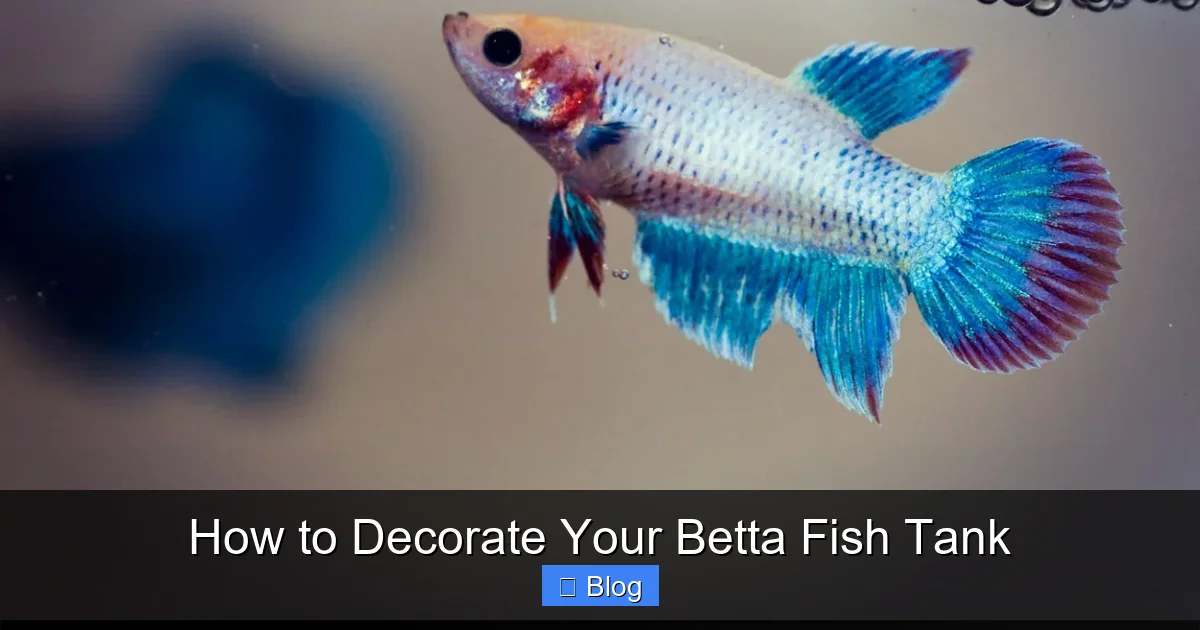
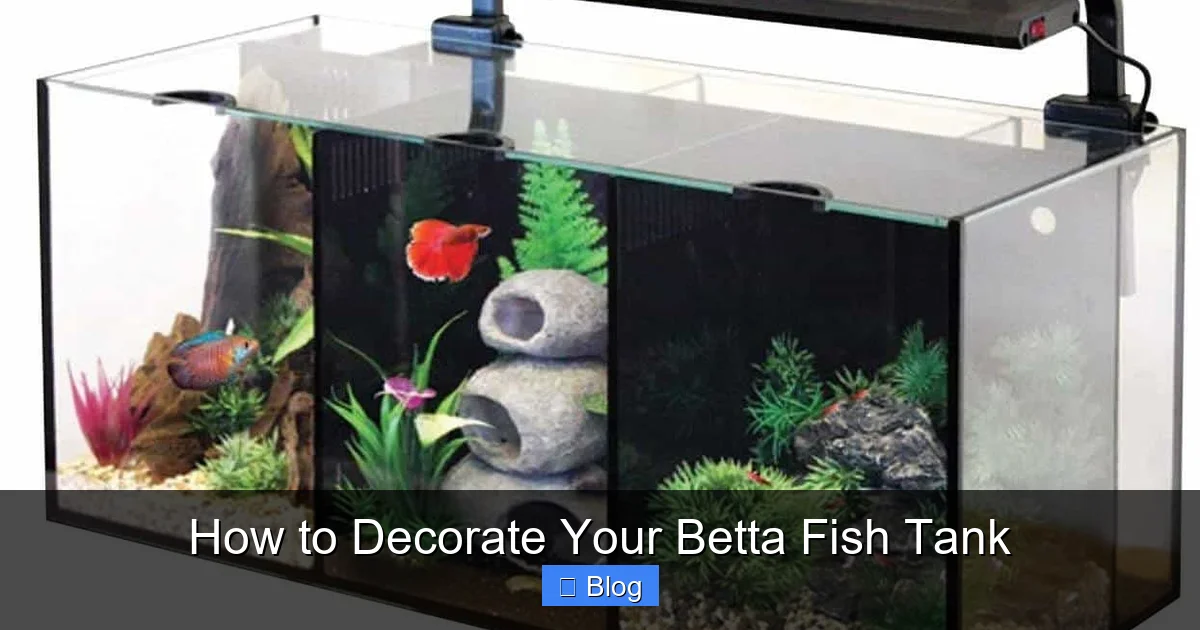
Visual guide about How to Decorate Your Betta Fish Tank
Image source: buildyouraquarium.com
The Delicate Fin Dilemma: Why Smoothness is Everything
Betta fish are famous for their magnificent, flowing fins. Those long, elegant drapes are their pride and joy, but they are incredibly fragile. A single snag on a rough edge can lead to a ripped fin, which is not only painful but also opens the door to dangerous bacterial or fungal infections. This is the single most important rule when you decorate your betta fish tank: everything must be smooth to the touch. Run your fingers over every potential decoration. If you feel any roughness, grit, or sharp point, it does not belong in a betta tank. This includes many common plastic plants, which often have stiff, serrated-looking leaves. We’ll discuss safe plant alternatives later, but this rule applies to rocks, driftwood, and ornaments alike.
The Need for Security: Hiding Spots are Not Optional
In the wild, a betta’s survival depends on its ability to hide from predators and ambush prey. This instinct is hardwired. A tank with zero cover is a source of constant, low-grade terror for your betta. It feels exposed and vulnerable 24/7. This chronic stress suppresses its immune system, making it susceptible to disease, and can lead to lethargy, loss of appetite, and even depression-like states. Providing at least two or three distinct hiding spots—a cave, a cluster of plants, the underside of a broad leaf—gives your betta a choice. It can choose to be out and about when it feels brave, and retreat to a safe haven when it’s startled by your movement or a sudden shadow. This sense of control over its environment is fundamental to its welfare.
The Surface Imperative: Breathing Room is Critical
Here’s a unique fact about bettas: they are labyrinth fish. They possess a special organ that allows them to breathe atmospheric air directly from the surface. This is why you’ll always see your betta zipping up to the top for a gulp. Therefore, when you decorate your betta fish tank, you must never, ever obstruct the water’s surface. Floating plants are great (more on that soon), but they should be sparse enough to allow large, clear patches of open water. Avoid large, wide ornaments that break the surface tension. Your betta needs easy, unimpeded access to the air above the water to thrive.
The Golden Rules of Safe Betta Tank Decor
Armed with an understanding of *why* we decorate a certain way, let’s establish the concrete, non-negotiable rules for *how* to choose decorations. These are your safety checklist for every single item that enters the tank.
Material Matters: What’s Safe and What’s Toxic
Only use items specifically labeled for aquarium use. This sounds obvious, but it’s a rule many beginners break. Never use:
- Painted, Glazed, or Coated Ornaments: Cheap decorations from craft stores often have paints and sealants that leach toxic chemicals like heavy metals (lead, cadmium) into the water as they degrade. Even if labeled “non-toxic,” that’s for accidental human skin contact, not prolonged aquatic immersion.
- Natural Items Without Proper Preparation: A cool-looking rock from your garden? It could alter your water pH or hardness drastically. A piece of driftwood from the beach? It’s likely saturated with salt and pollutants. Any natural material must be thoroughly researched, cleaned, and properly cured (e.g., boiling, soaking for weeks) to remove organics and stabilize it.
- Anything with Small Holes or Crevices: Bettas are curious and may try to explore tight spaces. A decoration with a hole just big enough for a betta’s head to enter but not exit is a fatal trap. Always check for entrapment hazards.
Safe, betta-approved materials include: inert aquarium-safe rock (slate, quartz, lava rock—always test for sharp edges), properly prepared driftwood ( Malaysian or mopani are popular), ceramic ornaments (unglazed or with aquarium-safe glaze), and live or silk plants.
The Smoothness Test: Your New Best Friend
As mentioned, this is your primary filter. Before purchasing a pack of plastic plants, take one out of the bag. Rub it between your thumb and forefinger. Does it feel like a stiff bristle brush? That’s a no. You want something that feels soft and pliable, like silk or a real leaf. For rocks and wood, run your hand over every surface. Sand down any pointy bits with aquarium-safe sandpaper before adding it. Remember, your betta’s fins are like fine silk—they will snag on anything you can feel with your fingertip.
Size and Proportion: Bigger Isn’t Always Better
A massive, imposing castle might look cool to you, but it can overwhelm a small betta in a 5-gallon tank. Choose decorations that are appropriately scaled to your tank size. You want to create a landscape, not a cluttered obstacle course. Leave plenty of open swimming space, especially in the mid to upper water column where your betta loves to patrol. A good rule of thumb: decorations should occupy no more than 50-60% of the tank’s floor space, leaving the rest for swimming and water circulation.
Natural Themes: Replicating the Rice Paddy
This is the gold standard for betta tanks. A natural, planted aquascape is not only the most beautiful to look at, but it’s also the most beneficial for your fish’s health. It provides biological filtration, oxygenation, and the ultimate in environmental enrichment.
The Live Plant Advantage: Why They’re Worth the Effort
Live plants are the ultimate decor for a betta tank. They improve water quality by absorbing nitrates, provide oxygen, and offer incredibly soft, natural textures that are 100% fin-safe. They also grow and change, providing a dynamic environment. Don’t be intimidated! Many excellent “easy” plants thrive in a betta’s warm, still water without demanding high-tech lighting or CO2 injection.
- Anubias & Java Fern: These are the champions of the betta world. They are incredibly hardy, grow slowly, and have thick, tough leaves that are perfectly smooth. They are rhizome plants, meaning you must attach them to driftwood or rock (using fishing line or super glue gel) and not bury their rhizome in substrate, or they will rot.
- Cryptocoryne (Crypts): These lovely plants come in various shapes and sizes. They prefer to be planted in substrate and will develop beautiful, wavy leaves. They are slow starters but very resilient once established.
- Amazon Swords: Provide a great mid-ground or background plant with broad, sword-like leaves. They are heavy root feeders, so provide a nutrient-rich substrate or root tabs.
- Marimo Moss Balls: These aren’t plants, but cute, velvety spheres of algae. They are safe, interesting for your betta to investigate, and help clean the water by absorbing nitrates.
Hardscape Heroes: Driftwood and Stones
Natural hardscape forms the skeleton of your aquascape.
- Driftwood: Provides stunning visual interest, a natural surface for plants like Java Fern to grow on, and creates those essential hiding spots under its arches. Malaysian driftwood is dense and sinks easily. Mopani is lighter and has a beautiful two-tone color. Always pre-soak it in a bucket of water for 1-2 weeks to saturate it and reduce floating. A light boil can speed this up.
- Stones: Slate is ideal—it’s flat, smooth, and inert. You can stack it to create caves. Lava rock is porous and great for beneficial bacteria colonization. Seiryu stone has a dramatic, jagged look but must be meticulously inspected and sanded down to be betta-safe. Always rinse rocks thoroughly.
The Substrate: More Than Just Gravel
For a natural theme, avoid bright, colored aquarium gravel. It often has sharp edges and can leach chemicals. Opt for:
- Fine Sand: Mimics the soft bottoms of betta habitats. It’s smooth and easy to clean. Use a pool filter sand or specifically labeled aquarium sand. Rinse it endlessly until the water runs clear.
- Natural River Gravel: Smooth, rounded pebbles in natural tans and browns. Ensure the grains are large enough that your betta can’t accidentally swallow them, but small enough that debris doesn’t sift down into it too easily.
- Specialized Planted Tank Substrate: Products like ADA Aqua Soil or Eco Complete are designed for plant growth. They can lower pH slightly, so research compatibility with your water source and betta.
Creative & Thematic Decor: Let Your Imagination Flow
Once the safety and natural principles are locked in, you can have fun! Themes allow you to create a unique underwater world. The key is to execute them using only betta-safe materials.
Zen Garden Serenity
Create a minimalist, calming space. Use a fine, light-colored sand substrate. Place a single, large, smooth river stone or a piece of intricately shaped driftwood as a focal point. Add a few sprigs of Anubias Nana on the stone. Perhaps include a small, unglazed ceramic “zen garden” rakelike ornament. The color palette should be soft: greens, tans, greys. This theme emphasizes negative space and tranquility, which is perfect for a sometimes-grumpy betta.
Sunken Ruins & Mysterious Caves
This is a popular and effective theme. Use a darker substrate. Source or purchase smooth, ceramic ruins—broken column pieces, a simple urn, or a cave structure. The keyword is smooth. Many “ruin” decorations are made for cichlids and have rough textures; you must vet them carefully. Build a landscape with stacked slate to create multiple cave entrances. Drape Java Fern or moss over the ruins to soften them and add age. A single, small, clear glass “treasure chest” (ensure no sharp hinges) can be a fun, safe addition.
Minimalist Modern
For the sleek, contemporary look. Use a black sand or fine gravel substrate. The decor is sparse and architectural. A single, tall, smooth column of lava rock. A geometric ceramic shape. One perfect, broad leaf of a large Anubias. The focus is on clean lines, open space, and the betta itself as the living art. This style requires excellent water clarity to look its best.
The Practical Setup: From Empty Tank to Finished Masterpiece
You have your vision and your safe decorations. Now, the step-by-step process of building your betta’s home correctly.
Step 1: The Foundation – Substrate and Hardscape
Rinse your chosen substrate until the water runs completely clear. Add a 1-2 inch layer to the tank. Now, place your largest hardscape pieces—driftwood and major rocks. Don’t just plop them in; think about composition. Create points of interest, caves, and overhangs. Use aquarium-safe glue or fishing line to permanently attach driftwood pieces if you want a specific shape. This is your chance to create a stable, balanced structure before adding water.
Step 2: Planting the Greens
If using rooted plants (Crypts, Swords), make a small depression in the substrate, place the roots gently, and cover them. Don’t bury the rhizome of Anubias or Java Fern! Instead, use a tiny drop of super glue gel on the rhizome and press it firmly onto a piece of driftwood or a rock, or tuck it securely under a stone. For mosses, you can glue them to surfaces or simply let them float and attach itself. Arrange plants to create layers: tall plants in the back, medium in the middle, and low, spreading plants in the front.
Step 3: The Final Water Test
Before you even consider adding your betta, you must cycle the tank. This 4-6 week process establishes beneficial bacteria that process fish waste. Adding decorations before cycling is fine, but you cannot add the fish until the cycle is complete (ammonia and nitrite at 0, nitrate present). During this time, you can test your decor: turn on the filter and heater, and watch for any debris the new driftwood or rocks might shed. Perform water changes to remove tannins (from driftwood, which are harmless but can discolor water) or dust. This proves your setup is stable.
Maintenance: Keeping Your Decorated Tank Thriving
A beautiful tank is a clean tank. Decor makes maintenance slightly more involved, but it’s manageable with a routine.
Routine Cleaning: The Algae Battle
During your weekly water change (25-30%), use an algae scraper or magnetic cleaner on the glass. For decorations, use a dedicated soft-bristled brush (an old, clean toothbrush is perfect) to gently scrub algae off driftwood, rocks, and ornaments. Do not use soap or chemicals. For silk or live plants, you can gently rinse them in a bucket of old tank water (never tap water, which can harm beneficial bacteria on the plants).
Debris traps and Water Flow
Complex decor can create “dead spots” where water doesn’t circulate, allowing debris to collect and decompose. When setting up, ensure your filter’s output isn’t blasting directly into a cave, creating a debris vortex. Adjust flow with a spray bar or sponge to create gentle circulation throughout the tank. Use a gravel vacuum during water changes to siphon debris from between rocks and under decorations.
Plant Pruning and Care
Live plants will grow. Trim dead or yellowing leaves at the base with aquarium-safe scissors. You can propagate many plants (like Java Fern) by cutting a rhizome with a few leaves and re-gluing it elsewhere. This keeps your aquascape looking tidy and prevents overgrowth that blocks swimming space.
Conclusion: Your Betta’s Happiness is in Your Hands
Decorating your betta fish tank is one of the most rewarding parts of the hobby. It’s where science meets art, and where your care for a living creature translates into a beautiful, functional environment. Remember the hierarchy: safety first, stimulation second, aesthetics third. A tank with smooth, natural hiding spots and a few live plants is infinitely better for your betta than a gaudy, hazardous fantasy castle. Start simple if you’re new—a dark substrate, a piece of Malaysian driftwood, and a few Java Ferns tied to it is a timeless, betta-perfect setup. As you learn, you can expand. Watch your betta explore its new world. See it glide through the plants, rest on a broad leaf, or peek from behind a cave. That interaction, that visible sense of security and curiosity, is the true measure of a successfully decorated tank. You’ve not just built an aquarium; you’ve built a home.
Frequently Asked Questions
Are plastic plants safe for betta fish?
It depends entirely on the plant. Many cheap plastic plants have stiff, sharp leaves that can easily snag and tear a betta’s delicate fins. You must perform the “smoothness test” on any plastic plant. If the leaves feel soft and flexible like silk, they are likely safe. If they feel like stiff bristles, avoid them. Silk plants are generally a safer, more realistic betta-friendly alternative to plastic.
What substrate is best for a betta tank?
The best substrate is a fine, smooth sand or natural, rounded river gravel. Avoid sharp-edged gravel and brightly colored painted gravel, which can damage fins and potentially leach chemicals. Sand most closely mimics a betta’s natural habitat and is gentle on their underside. If using live plants that require rooting, a nutrient-rich planted tank substrate or root tabs can be added under a top layer of sand or gravel.
Can I put a mirror in my betta tank to stop it from flaring?
No, you should not use a permanent mirror. While a betta may initially flare at its reflection, this is a stressful stimulus that can cause chronic stress and exhaustion if left in the tank. Flaring is a sign of agitation, not entertainment. Instead of a mirror, provide real enrichment with plants, caves, and occasional changes to the decor (by moving items around) to stimulate your betta’s curiosity in a healthy way.
How much light should my decorated betta tank have?
Bettas come from shaded, tannin-rich waters and do not require intense lighting. Aim for a low to moderate light intensity. If you have live plants, research their specific needs, but most easy betta-friendly plants (Anubias, Java Fern) thrive in low light. Use a timer to provide a consistent 8-10 hour light cycle. Too much light will cause aggressive algae growth on your decorations and glass, increasing your maintenance workload.
Do bettas really need hiding spots if they’re the only fish?
Absolutely, yes. Hiding spots are for security, not just for evading other fish. A betta without cover feels exposed and stressed all the time, even if it’s the sole inhabitant. Caves, dense plant thickets, and the shaded area under driftwood provide crucial psychological comfort. A stressed betta is more prone to illness, loss of color, and lethargy. Always provide at least two distinct hiding places in different areas of the tank.
How often should I clean the decorations in my betta tank?
Incorporate decoration cleaning into your weekly or bi-weekly water change routine. Gently scrub any visible algae or detritus off the surfaces of rocks, driftwood, and ornaments using an unused soft toothbrush or algae pad. Never use soap, detergent, or any chemical cleaner. Rinse decorations thoroughly in old tank water (not tap water) to preserve beneficial bacteria. Deep clean all decorations only if absolutely necessary, and never all at once to avoid crashing the tank’s biological filter.