Can Any Other Fish Live with a Male Betta
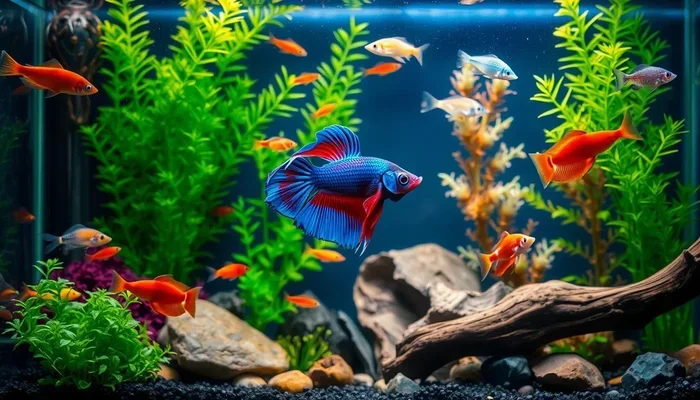
So, can any other fish live with a male betta? The short answer is yes, but it depends heavily on temperament, tank size, and setup. Male bettas are territorial and can be aggressive, yet many peaceful species make excellent companions. This guide covers the best tank mates, fish to avoid, and practical tips to keep your male betta happy in a community tank.
If you own a male betta fish, you have probably wondered whether can any other fish live with a male betta. It is a great question, and one that many fish keepers ask before adding new friends to the tank. The truth is, male bettas can live with other fish, but the answer is not a simple yes or no. A lot depends on your betta’s personality, the tank setup, and the species you choose.
Male bettas are known for their flowing fins and bright colors, but they also carry a reputation for being territorial. In the wild, male bettas defend small patches of rice paddies and shallow streams. That natural instinct does not disappear just because they live in a home aquarium. However, with the right choices, you can build a peaceful community tank that works for everyone. This guide walks you through everything you need to know about finding the best betta tank mates and creating a harmonious environment.
Key Takeaways
- Male bettas can coexist with other fish: Choose peaceful, non-fin-nipping species for the best results.
- Tank size matters a lot: A minimum of 20 gallons is recommended for a community setup.
- Avoid aggressive or flashy fish: Species like goldfish and guppies can trigger stress or conflict.
- Watch for stress signals: Clamped fins, hiding, and color fading mean your betta may not be comfortable.
- Proper setup reduces aggression: Plants, caves, and open swimming space help create balance.
- Not all bettas are the same: Individual personality plays a big role in compatibility.
📑 Table of Contents
Understanding Male Betta Fish Behavior
Before you add any other fish to your betta’s tank, it helps to understand how male bettas think and behave. Male bettas are called “Siamese fighting fish” for a reason. They were historically bred for aggression, and that trait is still strong in most domesticated males. They flare their gills, spread their fins, and may chase or bite other fish that enter their space.
Why Are Male Bettas Territorial?
Territorial behavior comes naturally to male bettas. In the wild, they claim small areas with plenty of plants and hiding spots. If another male betta or a bright, flashy fish enters that space, your betta sees it as a threat. This is why choosing the right compatible fish for bettas is so important. A fish that mimics a rival betta in color or fin shape can trigger constant aggression.
Individual Personality Differences
Here is something many new fish keepers do not expect: not all male bettas are the same. Some bettas are laid-back and barely notice other fish swimming by. Others are feisty and will chase anything that moves. You can often gauge your betta’s temperament by watching how it reacts during feeding time or when you walk past the tank. A calm betta is much more likely to accept betta fish companions than an aggressive one.
Signs of a Happy, Relaxed Betta
A happy male betta shows relaxed fins, steady swimming, and bright colors. He explores the tank and eats eagerly. If your betta displays these behaviors, he may be a good candidate for a community tank. On the other hand, a betta that constantly flares at his own reflection or at decorations may need more space or a quieter environment before adding tank mates.
Best Tank Mates for Male Bettas
Now let us get to the fun part. If you are asking yourself, can any other fish live with a male betta, here are the species that tend to work well. These fish are peaceful, occupy different areas of the tank, and do not threaten your betta’s territory.
Peaceful Bottom Dwellers
Bottom-dwelling fish are excellent choices because they stay out of your betta’s upper territory. Some great options include:
- Corydoras catfish: These small, social fish stay near the substrate and rarely bother your betta. They are active scavengers that help keep the tank clean.
- Kuhli loaches: With their eel-like shape, kuhli loaches are fascinating to watch and generally mind their own business.
- Otocinclus catfish: These tiny algae eaters are peaceful and stay small, making them a safe choice for most betta tanks.
Shrimp and Snails
Invertebrates can be fantastic betta fish tank mates. They stay out of the way and add interesting movement to the aquarium. Good options include:
- Amano shrimp: These hardy shrimp are excellent algae eaters and tend to avoid bettas by staying near plants and rocks.
- Cherry shrimp: Bright and colorful, cherry shrimp are a popular choice. However, some bettas may try to hunt them, so watch closely at first.
- Nerite snails: These snails are great algae controllers and are too slow to trigger a betta’s chase instinct.
Peaceful Mid-Level Swimmers
Fish that swim in the middle of the tank can work well if they are not too flashy or active. Consider these options:
- Neon tetras: Small, peaceful, and not very colorful compared to a betta, neon tetras are a popular choice. Neon tetras can often coexist with male bettas when the tank is well-planted and spacious enough.
- Harlequin rasboras: These schooling fish are calm and tend to stay in groups, which reduces the chance of any single fish bothering your betta.
- Ember tetras: Small and peaceful, ember tetras add a warm orange glow to the tank without competing with your betta for attention.
Fish to Avoid With Male Bettas
Just as important as knowing what works is knowing what does not. Some fish are simply not good companions for male bettas. Adding the wrong species can lead to stress, injury, or even death for one or both fish.
Fish That Trigger Aggression
Male bettas often mistake bright, long-finned fish for rival bettas. Avoid these species:
- Guppies: Their flowing tails and bright colors can make your betta see them as competition. Many keepers report that male bettas chase and nip at guppies constantly.
- Male guppies with large tails: They are essentially living “rival bettas” in your tank. It is best to skip them entirely.
- Other male bettas: Never house two male bettas together. They will fight, and the results can be fatal.
Fish That Are Too Active or Nippy
Some fish are simply too energetic or aggressive for a betta’s calm nature. These include:
- Tiger barbs: Known fin nippers, tiger barbs can tear your betta’s beautiful fins and cause severe stress.
- Serpae tetras: Similar to tiger barbs, serpae tetras can be nippy and relentless, especially in smaller tanks.
- Danios: These fast, hyperactive fish can stress out a betta by darting around the tank constantly.
The Goldfish Problem
Many people wonder about keeping a betta with a goldfish, but this is almost never a good idea. Goldfish produce a lot of waste, grow very large, and need cold water temperatures that are completely different from what bettas need. Goldfish and male bettas are simply not compatible in terms of water conditions, size, and temperament.
Setting Up a Community Tank for Your Male Betta
If you have decided to add tank mates, proper setup is the key to success. A well-planned community tank reduces stress for your betta and gives other fish their own space to thrive.
Tank Size Requirements
A single male betta needs at least a 5-gallon tank. But if you want to add other fish, you should go bigger. A 20-gallon tank is a great minimum for a small community. This gives your betta enough territory and gives other fish room to establish their own areas. Larger tanks are always better when it comes to reducing territorial behavior.
Plants and Hiding Spots
Live plants are your best friend when building a betta community tank. Plants break up lines of sight, create hiding spots, and make the tank feel more natural. Some excellent choices include:
- Java moss: Easy to grow and provides excellent cover for small fish and shrimp.
- Amazon sword plants: These large plants create distinct territories within the tank.
- Anubias: Hardy and low-maintenance, anubias grows on driftwood and rocks without taking up too much floor space.
Add caves, driftwood, and other decorations to give fish places to retreat. This helps reduce tension between your betta and his tank mates.
Water Parameters
Male bettas need warm water between 76 and 82 degrees Fahrenheit. When choosing tank mates, pick species that thrive in similar conditions. Most peaceful tropical community fish do well in this range. Always cycle your tank before adding any new fish, and test your water regularly to keep ammonia and nitrite levels at zero.
Feeding Tips for a Community Tank
Feeding time can reveal a lot about how well your fish get along. Betta pellets should be the staple for your male betta, but other fish may need different food. Drop sinking pellets or wafers for bottom dwellers, and add flake food for mid-level swimmers. Watch to make sure your betta is actually eating and not just chasing other fish away from the food. Proper feeding reduces competition and aggression in community tanks.
Signs Your Betta Is Stressed by Tank Mates
Even with careful planning, some combinations just do not work. Watch your betta closely after introducing new fish, and look for these warning signs:
- Clamped fins: Fins held close to the body signal stress or illness.
- Loss of color: A betta that is turning pale or fading may feel threatened.
- Excessive hiding: If your betta stays in one spot and refuses to explore, something is wrong.
- Flaring constantly: Occasional flaring is normal, but constant flaring at other fish means your betta feels invaded.
- Not eating: A stressed betta may refuse food, which can lead to bigger health problems over time.
If you notice any of these signs, consider removing the new fish or giving your betta more space. Sometimes rearranging decorations can reset territories and reduce tension. But if the stress continues, it is best to rehome the new fish for the safety of your betta.
Common Mistakes to Avoid
Many fish keepers make avoidable mistakes when setting up a community tank with a male betta. Here are a few to watch out for:
- Starting with too small a tank: A tiny tank leaves no room for territories, and aggression spikes quickly.
- Adding too many fish at once: Introduce new fish slowly so your betta can adjust. Adding a whole group at once overwhelms everyone.
- Ignoring your betta’s personality: If your betta is already aggressive, a community tank may not be the right choice. Some bettas do best as the only fish in their tank.
- Overlooking water quality: More fish means more waste. Stay on top of water changes and filtration to keep everyone healthy.
These mistakes are easy to avoid with a little patience and research. Taking things slow gives you the best chance of building a thriving community tank.
Final Thoughts on Male Betta Tank Mates
So, can any other fish live with a male betta? Yes, many fish can, but success comes down to choosing the right species, setting up the tank properly, and paying close attention to your betta’s behavior. A peaceful community tank with a male betta can be a beautiful and rewarding experience. The key is to start with a healthy, well-adjusted betta and to choose companions that share similar needs and temperaments.
Remember that every betta is an individual. What works for one male betta may not work for another. Watch your fish closely, be willing to make changes, and never be afraid to rehome a fish that is not thriving. With patience and care, you can create a community aquarium where your male betta and his tank mates all feel safe and happy.
If you want to learn more about specific fish combinations, check out our guide on what types of fish can live with a male betta for even more detailed suggestions. You can also read about putting other fish in with a male betta for practical tips on introductions and monitoring.
Frequently Asked Questions
Can a male betta live with a female betta?
In some cases, yes. A male and female betta can live together in a carefully set up tank with plenty of hiding spots and plants. However, this arrangement requires close monitoring, as even a male-female pair can become aggressive during breeding or if the tank is too small.
How many fish can you keep with a male betta?
It depends on tank size, but a 20-gallon tank can comfortably house a male betta with a small group of 4 to 6 peaceful fish. Avoid overcrowding, as too many fish increase aggression and stress for everyone in the tank.
Can neon tetras live with a male betta?
Yes, neon tetras are generally peaceful and make good companions for male bettas. They stay small, swim in the middle of the tank, and do not compete for territory. Ensure the tank is at least 20 gallons and well-planted for the best results.
What is the best tank mate for a male betta?
The best tank mates are peaceful, non-fin-nipping species that occupy different areas of the tank. Corydoras catfish, harlequin rasboras, amano shrimp, and nerite snails are all excellent choices that complement a male betta’s needs and temperament.
Can you keep a male betta with a goldfish?
No, goldfish and male bettas are not compatible. Goldfish need cooler water, grow much larger, and produce far more waste than bettas can tolerate. Keeping them together leads to poor water quality and stress for both fish.
Do male bettas get lonely?
Male bettas are solitary by nature and do not necessarily need other fish for companionship. Many male bettas thrive as the only fish in their tank. If you choose to add tank mates, it should be for your enjoyment and enrichment, not because the betta requires company.
=== CONCLUSION ===
Finding the right companions for your male betta is one of the most rewarding parts of fish keeping. When you ask yourself, can any other fish live with a male betta, the answer is a hopeful yes. With the right species, a properly sized tank, and attentive care, you can create a vibrant community aquarium that showcases your betta’s beauty while giving other fish a safe home. Start with peaceful, compatible species, monitor your betta’s behavior closely, and be ready to adjust as needed. A well-planned community tank is a joy to watch and a testament to your skills as a fish keeper.