Do Betta Fish Live in the Ocean

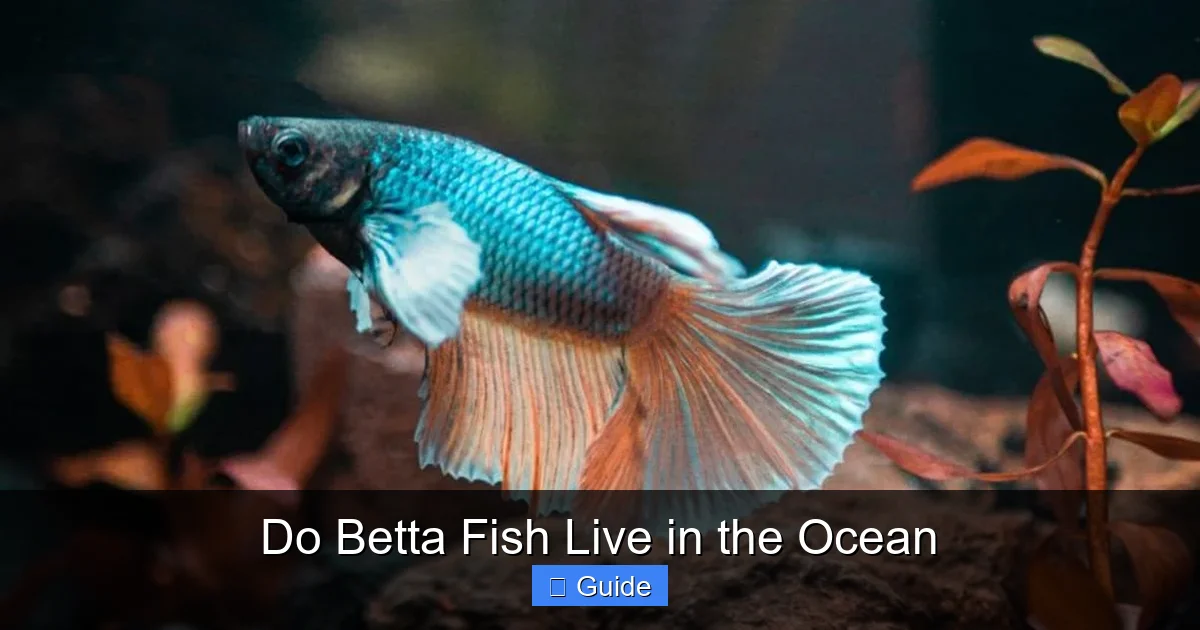
Betta fish, also known as Siamese fighting fish, are freshwater fish native to the shallow waters of Southeast Asia. They do not live in the ocean because their physiology is adapted to freshwater environments, and saltwater would be fatal. To keep a betta fish healthy, replicate their natural habitat with warm, calm freshwater, plants, and proper filtration in a tank of at least 5 gallons.
Do Betta Fish Live in the Ocean?
Many people ask: do betta fish live in the ocean? It’s a common question, especially since betta fish are so popular as pets. You might have seen them in tiny bowls at the store or heard them called Siamese fighting fish. But the truth might surprise you. Betta fish are not ocean dwellers at all. They are freshwater fish from the warm, shallow waters of Southeast Asia. In this guide, we’ll explore the natural habitat of betta fish, explain why they can’t survive in saltwater, debunk common myths, and provide practical tips for caring for these beautiful creatures in captivity. By the end, you’ll know exactly how to give your betta a happy, healthy life.
Betta fish, with their vibrant colors and flowing fins, capture the hearts of many aquarium enthusiasts. However, their origins are far from the salty waves of the ocean. They come from the rice paddies, ponds, and slow-moving streams of Thailand, Cambodia, and Vietnam. These environments are warm, still, and filled with plants. Understanding where betta fish truly belong is crucial for their well-being, especially since they are often misunderstood and mistreated in the pet trade. In this article, we’ll answer the question “do betta fish live in the ocean?” with a definitive no, and we’ll dive deep into what betta fish need to thrive. Whether you’re a new betta owner or considering getting one, this guide will equip you with the knowledge to provide the best care.
Key Takeaways
- Betta fish are freshwater fish: They originate from the shallow, slow-moving waters of Southeast Asia, such as rice paddies and ponds, and are not adapted to saltwater environments.
- Ocean life is impossible for bettas: Their physiological makeup, including osmoregulation, is designed for freshwater; saltwater would cause dehydration and organ failure.
- Misconceptions abound: Some people think bettas live in the ocean due to confusion with other fish or misinformation, but they are strictly freshwater.
- Wild vs. captivity: In the wild, bettas have ample space and natural conditions, while in captivity they often suffer in small bowls; proper care requires a larger, heated tank with plants.
- Saltwater experiments are harmful: Attempting to acclimate a betta to saltwater is dangerous and will likely kill the fish.
- Proper care mimics their natural habitat: To keep a betta healthy, provide a tank of at least 5 gallons, warm water (76-82°F), gentle filtration, and a varied diet.
📑 Table of Contents
- The Natural Habitat of Betta Fish: Where They Really Live
- Why Betta Fish Are Not Ocean Dwellers: Physiological Reasons
- The Misconception: Why People Might Think Betta Fish Live in the Ocean
- Betta Fish in the Wild vs. Captivity: A Comparison
- Can Betta Fish Survive in Saltwater? An Experiment
- How to Properly Care for a Betta Fish: Replicating Their Natural Environment
- Conclusion
The Natural Habitat of Betta Fish: Where They Really Live
Betta fish, scientifically known as Betta splendens, are native to the tropical regions of Southeast Asia. Their natural range includes Thailand, Cambodia, Vietnam, and parts of Malaysia and Indonesia. In these areas, you’ll find them in shallow, slow-moving bodies of water like rice paddies, irrigation ditches, ponds, and the edges of streams. These habitats are typically warm, with temperatures often exceeding 80°F (27°C), and are rich in aquatic vegetation.
Native Range
Thailand is the primary homeland of the betta fish. In the central plains, rice paddies provide the perfect environment: shallow, calm, and planted with dense vegetation. The water is often tea-colored from tannins released by decaying plant matter. This environment offers protection from predators and plenty of insects to eat. Betta fish have also been found in floodplain forests and temporary pools that form during the rainy season. These areas can dry up, and bettas have adapted by being able to survive in low-oxygen conditions by gulping air from the surface using their labyrinth organ.
Water Conditions
In the wild, betta fish live in soft, slightly acidic to neutral water. The pH typically ranges from 6.0 to 7.5, and the water hardness is low. The temperature is consistently warm, between 75°F and 85°F (24°C to 29°C). These waters are often stagnant or very slow-moving, with plenty of floating plants and submerged vegetation. The plants provide shelter, breeding sites, and help maintain water quality by absorbing nitrates. The water may also contain tannins from leaves and wood, which give it a brownish tint and have mild antibacterial properties.
Behavior in the Wild
Betta fish are known for their territorial nature, especially the males. In the wild, males build bubble nests at the water’s surface by exhaling air and coating it with saliva. These nests float among the plants and serve as a safe place for eggs and fry. Males will fiercely defend their territory from other males, which is why they are called Siamese fighting fish. Females are less aggressive and can often be found in small groups. Bettas are carnivorous, feeding on insects, larvae, and small crustaceans. They are surface feeders, often ambushing prey from beneath plants. Their natural behaviors include flaring their gills to appear larger, exploring their environment, and occasionally jumping—so a secure tank lid is essential in captivity.
Understanding these natural conditions is the first step to providing proper care for betta fish in aquariums. By replicating their habitat as closely as possible, you can ensure your betta remains healthy and displays its natural behaviors.
Why Betta Fish Are Not Ocean Dwellers: Physiological Reasons
Now that we know where betta fish naturally live, let’s address the core question: do betta fish live in the ocean? The answer is a firm no, and it’s all down to their physiology. Betta fish are freshwater fish, meaning their bodies are adapted to hypotonic environments—where the salt concentration outside their body is lower than inside. In contrast, ocean water is hypertonic, with a much higher salt content. This fundamental difference creates a huge challenge for any freshwater fish trying to survive in saltwater.
Visual guide about Do Betta Fish Live in the Ocean
Image source: cafishvet.com
Osmoregulation: The Balance of Fluids and Salts
Osmoregulation is the process by which fish maintain the right balance of water and salts in their bodies. Freshwater fish like bettas constantly take in water through their skin and gills because the surrounding water is less salty than their internal fluids. To cope, they produce large amounts of dilute urine and actively absorb salts through their gills. In saltwater, the opposite happens: water would be drawn out of their bodies, and salts would flood in. A betta fish’s kidneys and gills are not equipped to handle this. They would quickly become dehydrated, and their cells would shrivel as salt concentrations skyrocket. This leads to organ failure and death within a short time.
The Labyrinth Organ: An Adaptation for Low-Oxygen Freshwater
One of the most fascinating features of betta fish is their labyrinth organ, a specialized structure that allows them to breathe atmospheric air. This adaptation evolved in the stagnant, oxygen-poor waters of Southeast Asia. The labyrinth organ sits above the gills and absorbs oxygen from the air when the fish surfaces. While this is a brilliant survival tool in freshwater, it does not help with saltwater tolerance. The labyrinth organ is solely for oxygen intake and does not regulate salt. So even though bettas can gulp air, they still cannot osmoregulate in a salty environment.
Other Physiological Barriers
Beyond osmoregulation, betta fish have other traits that tie them to freshwater. Their skin and scales are thin and permeable, which is fine in freshwater but would cause rapid water loss in saltwater. Their digestive system is adapted to a carnivorous diet of insects and small crustaceans found in freshwater habitats. They also have a specific immune system that thrives in freshwater conditions; saltwater would introduce pathogens they are not equipped to fight. Essentially, every aspect of a betta’s biology is optimized for life in soft, warm freshwater, not the harsh, saline ocean.
So, if you’re wondering do betta fish live in the ocean, remember: their bodies are simply not built for it. Putting a betta in saltwater is cruel and will almost certainly kill it.
The Misconception: Why People Might Think Betta Fish Live in the Ocean
Given that betta fish are strictly freshwater, why do some people think they live in the ocean? This misconception likely stems from a mix of confusion, marketing, and misinformation. Let’s unpack the common reasons behind this mix-up.

Visual guide about Do Betta Fish Live in the Ocean
Image source: bestfishkeeping.com
Confusion with Other Fish
One source of confusion is the name “betta.” It sounds similar to “beta,” which might be associated with the Greek letter or even other fish species. More importantly, there are many saltwater fish with colorful appearances, like the marine betta (Calloplesiops altivelis), which is sometimes called the “betta” in the aquarium trade. People might hear “betta” and think of that saltwater species. Also, some fish like mollies and guppies can live in both fresh and saltwater, leading people to assume bettas might too. But bettas are not in that category; they are strictly freshwater.
The Role of Pet Stores and Media
Walk into a pet store, and you might see betta fish displayed in small cups or bowls, often near saltwater aquarium supplies. This placement can inadvertently suggest they are saltwater fish. Additionally, some media portrayals or fictional stories might depict bettas in ocean scenes, further blurring the line. The truth is, bettas are almost always sold as freshwater fish, but the visual association with marine setups can mislead.
Misinformation Online
The internet is full of forums and videos where people share unverified information. A quick search might yield claims that bettas can live in saltwater if acclimated slowly. These are myths with no scientific basis. Because bettas are hardy in terms of surviving in low-oxygen water, some mistakenly think they are also tolerant of salt. But hardiness in one area doesn’t translate to another.
The “Labyrinth” Misunderstanding
Betta fish have a labyrinth organ, which is unique among freshwater fish. Some people erroneously think this organ allows them to breathe both air and saltwater, like some amphibious creatures. But the labyrinth organ is purely for extracting oxygen from air; it has no role in dealing with salt. This misunderstanding can fuel the ocean myth.
It’s important to set the record straight: betta fish are freshwater animals. They have never been found in the ocean in the wild, and they cannot survive there. If you encounter someone who thinks otherwise, share the facts from this guide!
Betta Fish in the Wild vs. Captivity: A Comparison
To appreciate why betta fish do not live in the ocean, it’s helpful to compare their natural life in the wild with the conditions they often face in captivity. This contrast highlights the importance of proper care and debunks the idea that bettas are indestructible “beginner” fish that can thrive in any environment.

Visual guide about Do Betta Fish Live in the Ocean
Image source: happybettafish.com
Space and Environment
In the wild, bettas inhabit vast, vegetated areas. A single male might claim a territory of several square feet, with dense plants for cover and bubble nests anchored among floating leaves. The water is clean, filtered naturally by plants and microorganisms. In captivity, bettas are frequently kept in tiny bowls or vases—sometimes as small as one quart. These containers lack filtration, heating, and space to swim. Such confinement leads to stress, poor water quality, and shortened lifespans. A proper captive environment should provide at least 5 gallons of water, but bigger is always better. Include live or silk plants, caves, and hiding spots to mimic the complexity of their natural habitat.
Water Quality
Wild bettas live in water that is naturally filtered by plants and has stable parameters. In a bowl, waste quickly builds up, ammonia and nitrite spike, and pH can fluctuate wildly. These toxic conditions cause diseases like fin rot and dropsy. A well-maintained aquarium with a gentle filter and regular water changes keeps parameters stable. Betta-specific filters that produce a low flow are ideal because strong currents stress them.
Diet
In nature, bettas are opportunistic carnivores, eating insects, larvae, and small crustaceans. They hunt by ambushing prey near the water’s surface. In captivity, many owners feed only dry pellets, which can lead to nutritional deficiencies and constipation. A varied diet is essential: high-quality betta pellets as a base, supplemented with frozen or live foods like brine shrimp, daphnia, or bloodworms. Feed small amounts once or twice a day, removing any uneaten food to maintain water quality.
Social Structure
Wild male bettas are solitary and territorial, only coming together to breed. Females may form loose groups. In captivity, males are often kept alone because they will fight with other males. However, females can be kept in sororities with careful introduction and ample space. Some peaceful tankmates, like small rasboras or snails, can coexist with a male betta if the tank is large and decorated to break lines of sight. In the wild, bettas have the space to avoid each other; in a small tank, aggression is inevitable.
By understanding these differences, you can create a captive environment that closely resembles the wild, ensuring your betta lives a long, enriching life—far from the ocean.
Can Betta Fish Survive in Saltwater? An Experiment
Some curious aquarists might wonder: what if I gradually introduce salt into my betta’s water? Could they adapt? The short answer is no, but let’s explore why any saltwater experiment with bettas is a bad idea.
What Happens in Saltwater?
If you place a betta fish directly into saltwater, it will experience immediate shock. The hypertonic environment will draw water out of its cells through osmosis. The fish will become dehydrated, its gills will fail to function properly, and it will struggle to breathe. Within minutes to hours, the betta will show signs of distress: lethargy, loss of equilibrium, and rapid gill movement. Death typically follows within a day if not rescued.
Gradual Acclimation: Does It Work?
One might think that slowly increasing salinity over days or weeks could allow the betta to adjust. However, osmoregulatory systems in fish are not that flexible. Freshwater fish lack the specialized chloride cells in their gills that saltwater fish use to excrete excess salt. Even with gradual exposure, the betta’s body cannot develop these mechanisms. Studies on other freshwater fish show that prolonged exposure to increasing salinity eventually leads to kidney damage and death. Bettas are no exception. There are no documented cases of a betta fish living a full, healthy life in saltwater.
Why Some Fish Can and Bettas Cannot
You might have heard of fish like mollies or certain species of killifish that can live in both fresh and saltwater. These euryhaline species have evolved the ability to switch their osmoregulatory strategies. Bettas are stenohaline, meaning they are restricted to a narrow salinity range—freshwater only. Their evolutionary history in the stable, freshwater habitats of Southeast Asia never required salt tolerance. So, while it’s tempting to experiment, it’s unethical and harmful to subject a betta to saltwater.
If you’re looking for a fish that can handle brackish or marine conditions, consider species that are naturally adapted to those environments. But for bettas, stick to clean, warm freshwater.
How to Properly Care for a Betta Fish: Replicating Their Natural Environment
Now that we’ve established that betta fish do not live in the ocean, let’s focus on how to give them the best life in captivity. The key is to mimic their natural Southeast Asian habitat as closely as possible. Here’s a comprehensive care guide.
Tank Setup
The first step is choosing the right tank. Ditch the tiny bowl—bettas need at least 5 gallons, but a 10-gallon tank is even better. A larger volume provides stable water conditions and more swimming space. Use a secure lid because bettas are known jumpers. For substrate, fine gravel or sand works well. Avoid sharp edges that could tear their delicate fins. Decorate with live or silk plants, especially floating ones like water lettuce or hornwort, which give the betta a sense of security and a place to build bubble nests. Add caves, driftwood, and smooth rocks for hiding spots. The tank should have a gentle filter; a sponge filter is ideal because it creates minimal current and also provides surface area for beneficial bacteria.
Water Parameters
Betta fish thrive in warm, soft, slightly acidic water. Maintain a temperature between 76°F and 82°F (24°C to 28°C) using an adjustable aquarium heater. Use a reliable thermometer to monitor. The pH should be between 6.5 and 7.5, and water hardness (GH) should be 3-4 dGH (50-70 ppm). You can achieve this with reverse osmosis water mixed with mineral additives, or by using driftwood and Indian almond leaves to soften water and lower pH. Perform weekly water changes of 25-50% to keep nitrate levels low. Always treat tap water with a dechlorinator and, if necessary, a water conditioner to remove heavy metals. Test water regularly with a liquid test kit.
Diet and Feeding
A high-quality betta pellet should be the staple of your betta’s diet. Choose pellets that list whole fish or shrimp as the first ingredient. Supplement 2-3 times a week with frozen or live foods: brine shrimp, daphnia, bloodworms, or tubifex worms. These provide essential protein and variety. Avoid overfeeding; a betta’s stomach is about the size of its eye. Feed once or twice a day, offering only what they can consume in 2-3 minutes. Remove any leftovers to prevent water contamination. Occasional fasts (one day a week) can aid digestion.
Tankmates and Social Needs
Male bettas are best kept alone due to their aggression toward other males. However, they can sometimes coexist with peaceful, fast-moving tankmates in a spacious, well-planted tank. Good choices include small rasboras (like harlequin rasboras), neon tetras (in a large school), corydoras catfish, and snails. Avoid fish with long, flowing fins (like guppies) as bettas may see them as rivals and nip. Female bettas can be kept in sororities of 4-6 in a 20-gallon tank with plenty of hiding spots. Always monitor for aggression and be prepared to separate if needed. Bettas are intelligent and benefit from enrichment: floating logs, ping-pong balls, and occasional live food hunting.
Common Health Issues and Prevention
Proper care prevents most diseases. Common issues include:
- Fin rot: Caused by poor water quality, appears as frayed, discolored fins. Treat with water changes and medication if severe.
- Ich (white spot disease): Parasitic infection causing white spots. Raise temperature to 86°F and use ich medication.
- Swim bladder disorder: Often from overfeeding or constipation. Fast for a few days, then feed daphnia.
- Velvet: A parasite that gives a dusty appearance. Treat with copper-based medication.
Prevention is key: maintain clean water, provide a balanced diet, and avoid overstocking.
By replicating the warm, plant-rich, calm waters of Southeast Asia, you can create a thriving environment for your betta. Remember, they are not ocean fish—they are freshwater jewels that deserve our respect and proper care.
Conclusion
So, do betta fish live in the ocean? Absolutely not. They are freshwater fish native to the shallow, warm waters of Southeast Asia. Their physiology is finely tuned to life in rice paddies, ponds, and slow streams, not the salty ocean. Understanding this is crucial for anyone who owns or plans to own a betta. These beautiful fish are often mistreated due to misconceptions about their hardiness. But they have specific needs: warm water, gentle filtration, plants, and a spacious tank. By providing an environment that mimics their natural habitat, you can enjoy the vibrant colors and fascinating behaviors of a healthy betta for years to come. Remember, a betta is not just a pet—it’s a living being that depends on you for its well-being. Treat it with the care it deserves, and it will reward you with its beauty and personality.
Frequently Asked Questions
Do betta fish live in the ocean?
No, betta fish are freshwater fish native to Southeast Asia. They have never been found in the ocean in the wild and cannot survive in saltwater due to their physiological adaptations.
Can betta fish survive in saltwater?
No, betta fish cannot survive in saltwater. Their bodies are adapted to freshwater, and saltwater would cause rapid dehydration and organ failure. Even gradual acclimation is fatal.
What happens if I accidentally put my betta in saltwater?
If a betta is placed in saltwater, it will experience osmotic shock, leading to stress, loss of equilibrium, and likely death within hours. Immediate transfer to freshwater is necessary to save it.
Are there any species of betta that live in the ocean?
No, all species in the Betta genus are freshwater fish. There is a saltwater fish sometimes called the “marine betta,” but it is not related to the Betta splendens kept as pets.
Why do some pet stores display bettas near saltwater aquariums?
This is often a marketing tactic or a space-saving measure. Betta fish are freshwater and should be kept separate from saltwater setups. Their placement can be misleading but does not indicate they are saltwater fish.
How can I ensure my betta fish lives a long, healthy life?
Provide a tank of at least 5 gallons with warm water (76-82°F), a gentle filter, live plants, and a varied diet. Maintain water quality with regular changes and avoid overfeeding. Proper care can extend their lifespan to 3-5 years.