What Fish Can I Put in with My Betta

You can add several peaceful fish and invertebrates to a betta tank, but choosing the right companions matters a lot. The best betta tank mates include small, non-aggressive species like corydoras, kuhli loaches, and certain shrimp. Always consider tank size, temperament, and water conditions before introducing new fish to your betta community tank.
Finding the right fish to put in with your betta can feel tricky. Bettas have a reputation for being aggressive, but that does not mean they cannot share a tank. With the right choices, your betta can live happily alongside other creatures. The key is knowing which species work and which ones do not.
This guide covers everything you need to know about betta fish compatibility. You will learn which fish make safe companions, which ones to avoid, and how to set up a peaceful community tank. Whether you are a beginner or a seasoned aquarist, this guide has practical advice you can use right away.
Key Takeaways
- Choose peaceful species: Small, calm fish like corydoras and kuhli loaches make excellent betta tank mates.
- Tank size matters: A minimum 20-gallon tank gives your betta and companions enough space to thrive.
- Avoid fin-nippers: Fish like tiger barbs and serpae tetras can bully your betta and damage its fins.
- Invertebrates work well: Cherry shrimp and snails are great compatible tank mates for betta fish.
- Monitor behavior: Watch for signs of stress or aggression after adding new fish to the tank.
- Quarantine new arrivals: Always isolate new fish before introducing them to your betta tank.
📑 Table of Contents
Why Choose the Right Tank Mates for Your Betta
Bettas are tropical fish that need specific water conditions. They also have unique personalities. Some bettas are calm, while others are territorial and aggressive. This is why picking the right betta tank mates is so important.
If you choose the wrong fish, your betta may become stressed. Stress leads to illness, loss of color, and a shorter lifespan. On the other hand, the right companions can make your tank more interesting and lively. A well-planned betta community tank looks beautiful and feels alive.
Understanding Betta Behavior
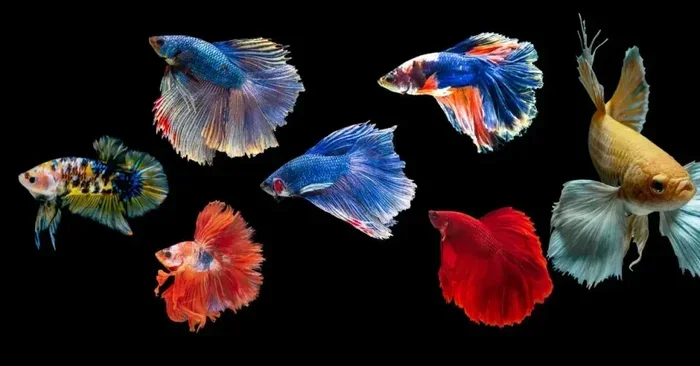
Bettas are labyrinth fish, which means they breathe air from the surface. They are also called Siamese fighting fish because of their history. Male bettas especially can be aggressive toward other males. They may flare their gills and chase other fish.
However, many male bettas live peacefully with certain species. Female bettas, especially in groups called sororities, can also do well with the right tank mates. Betta fish behavior varies from fish to fish. Always observe your individual betta before adding companions.
Best Fish to Put in with Your Betta
Not all fish are safe companions for bettas. The best compatible tank mates for betta fish share similar water parameters and have calm temperaments. Here are the top choices.
Corydoras Catfish
Corydoras, or corys, are small bottom-dwelling fish. They stay near the substrate and rarely bother your betta. These peaceful fish come in many species, like pygmy corys and peppered corys. They are great at cleaning leftover food from the tank floor.
Corys do best in groups of at least four to six. They prefer warm water, which makes them a natural match for bettas. Adding corys to your betta community tank adds movement at the bottom level without crowding your betta.
Kuhli Loaches
Kuhli loaches are eel-shaped fish that stay mostly hidden. They are nocturnal, so they are most active at night. This makes them a perfect match for bettas, who are also not very active at night.
Kuhlis grow to about three to four inches. They are peaceful and shy. They do best in groups of three or more. Their unique look adds variety to your tank without creating competition with your betta.
Neon Tetras and Ember Tetras
Small tetras can work well with bettas, but you need to pick the right species. Neon tetras and ember tetras are both peaceful and stay small. They school together in the middle of the tank, far from your betta.
Make sure the tetras are well-fed. Hungry tetras may nip at betta fins. A well-fed school of tetras usually ignores the betta entirely. These colorful fish add a bright splash of color to your betta tank setup.
Harlequin Rasboras
Harlequin rasboras are another excellent choice. They are peaceful, hardy, and easy to care for. These fish swim in the middle levels of the tank, which keeps them away from your betta.
Harlequins have a distinctive copper color with a black triangle on each side. They school tightly, creating a beautiful visual display. They get along well with bettas in tanks of 20 gallons or larger.
Invertebrates That Work as Betta Companions
Fish are not the only option for betta fish companions. Invertebrates like shrimp and snails can make great tank mates. They add variety and help keep the tank clean.
Cherry Shrimp
Cherry shrimp are one of the most popular choices for betta tanks. They are small, colorful, and peaceful. They also help clean algae from glass, rocks, and plants.
Most bettas leave shrimp alone. Some bettas may try to hunt them, but plenty of shrimp usually survive. If your betta is aggressive, you might lose a few shrimp. That is a normal part of keeping them together. Can I put my betta fish with cherry shrimp? Yes, in most cases they make a great pair.
Mystery Snails
Mystery snails are larger than shrimp and have a hard shell. This makes them less appealing to bettas as a snack. They eat algae and leftover food, which helps maintain water quality.
Snails are slow movers, so they stay out of your betta’s way. They come in many colors, including brown, yellow, and blue. A few mystery snails can add charm to any betta community tank.
Amano Shrimp
Amano shrimp are bigger than cherry shrimp and more resilient. They are excellent algae eaters and stay mostly hidden during the day. Most bettas ignore them completely.
Amanos work best in established tanks with plenty of hiding spots. They are not as colorful as cherry shrimp, but they are incredibly useful for tank maintenance.
Fish to Avoid with Your Betta
Some fish are terrible companions for bettas. Avoid these species to keep your betta safe and stress-free.
Fin-Nipping Fish
Fish like tiger barbs, serpae tetras, and some danios love to nip fins. Your betta has long, flowing fins that are an easy target. Fin-nipping causes stress, injury, and infection.
Never keep fin-nippers in the same tank as your betta. The damage can be severe and even fatal. Always research a fish’s temperament before adding it to your betta tank mates list.
Other Aggressive Fish
Fish like cichlids, gouramis, and other bettas should be avoided. These species are territorial and will fight your betta. Even fish that seem peaceful may become aggressive in a small tank.
Male bettas should never be housed with other male bettas. They will fight to the death. If you want multiple bettas, a large tank with plenty of hiding spots is essential.
Large or Active Fish
Big fish like goldfish and angelfish are too large for most betta tanks. They may also eat smaller fish or outcompete your betta for food. Goldfish produce a lot of waste, which can ruin water quality.
Active fish like danios and rainbowfish need lots of swimming space. They may stress out a slower betta by constantly darting around the tank.
How to Set Up a Successful Betta Community Tank
A good setup makes all the difference. The right tank size, decorations, and water parameters create a peaceful environment for everyone.
Tank Size Requirements
A 10-gallon tank is the bare minimum for a betta alone. For a community tank, aim for at least 20 gallons. More space means less aggression and fewer territorial disputes.
Here is a quick guide to tank sizes based on the number of fish:
- 1 betta + 3-4 small fish: 20 gallons
- 1 betta + 6-8 shrimp: 10 gallons
- 1 betta + corys and tetras: 25-30 gallons
- 1 betta + multiple species: 40 gallons or more
Adding Hiding Spots and Plants
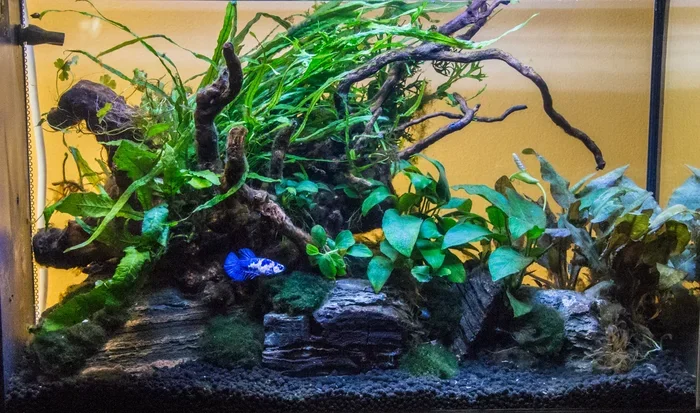
Live plants are your best friend in a betta community tank. Plants like java fern, anubias, and Amazon sword provide hiding spots. They also help maintain water quality by absorbing nitrates.
Add caves, driftwood, and decorations to break up sightlines. This reduces aggression because fish cannot see each other constantly. Betta fish love to rest on broad leaves, so floating plants like frogbit are a great addition.
Water Parameters
Bettas need warm water between 78 and 80 degrees Fahrenheit. Most peaceful community fish share this temperature range. Keep the pH between 6.5 and 7.5, and maintain a gentle filter flow.
Test your water regularly with a liquid test kit. Ammonia and nitrite should always be at zero. Nitrates should stay below 20 ppm. Stable water conditions keep all your fish healthy and reduce stress.
Feeding Tips for a Community Tank
Feed your betta first with pellets or frozen food. Bettas are slow eaters, so they need time to eat. Then feed the other fish. This ensures your betta gets enough food without competition.
Use sinking pellets for bottom-dwellers like corys and loaches. Add flake food for mid-level fish like tetras. Variety in diet keeps all your fish healthy and vibrant.
Common Mistakes to Avoid
Even experienced fish keepers make mistakes. Here are the most common errors when setting up a betta community tank.
- Overcrowding the tank: Too many fish create stress and poor water quality. Add fish slowly and monitor the tank.
- Skipping quarantine: New fish can carry diseases. Always quarantine them for two weeks before adding them to your main tank.
- Ignoring temperament: Not all fish of the same species behave the same way. Watch how your fish interact before making final choices.
- Choosing the wrong tank size: A small tank amplifies aggression. Give your fish plenty of room to swim and establish territories.
- Forgetting to cycle the tank: An uncycled tank has dangerous ammonia levels. Always cycle your tank before adding any fish.
For more detailed guidance on setting up tanks with bettas, check out our article on what fish can I put in my betta tank. It covers tank setup and compatibility in greater detail.
Final Thoughts
Choosing the right fish to put in with your betta is rewarding and fun. The best companions are peaceful, similar in size, and share the same water requirements. Corydoras, kuhli loaches, tetras, and shrimp all make excellent choices.
Avoid aggressive or fin-nipping species at all costs. Give your tank enough space, plants, and hiding spots. Monitor your fish regularly for signs of stress or conflict. With the right setup, your betta can thrive in a lively and beautiful community tank.
Remember that every betta has its own personality. What works for one betta may not work for another. Patience and observation are your best tools. Start with one or two companions and add more slowly over time. Your betta will thank you with vibrant colors and relaxed behavior.
For more ideas on compatible tank mates for betta fish, you can also explore our guide on what other fish can I put with betta. It provides additional species recommendations and practical tips for successful tank setups.
Frequently Asked Questions
Can I put guppies with my betta fish?
Guppies can work with bettas, but it depends on the individual fish. Male bettas may chase colorful guppy males because they resemble other bettas. Female guppies are usually safer choices. Always monitor the tank closely when first introducing guppies to your betta.
Can I put a snail in with my betta?
Yes, snails make excellent betta tank mates. Mystery snails and nerite snails are both great options. They are peaceful, help clean the tank, and most bettas ignore them. Just make sure your tank is large enough to comfortably house both species.
Can I put my betta fish with goldfish?
No, goldfish are not suitable tank mates for bettas. Goldfish need cold water, while bettas need warm tropical water. Goldfish also grow very large and produce a lot of waste. Keeping them together would harm both fish.
What is the best betta tank setup for community fish?
A 20-gallon or larger tank with plenty of plants and hiding spots works best. Use a gentle filter to avoid strong currents. Bettas prefer calm water, and community fish need space to swim. Add soft substrate and dim lighting to create a comfortable environment for everyone.
How many fish can I keep with my betta?
This depends on tank size and the species you choose. In a 20-gallon tank, you can keep one betta with a small group of corydoras or tetras. In a 10-gallon tank, it is safer to keep just the betta with a few shrimp or snails. Always research each species before adding them.
Can I put a female betta with other fish?
Yes, female bettas can live with other fish in a community tank. A group of female bettas (called a sorority) can also work in a large tank with plenty of hiding spots. Female bettas are generally less aggressive than males, making them better candidates for community setups.