Can Any Fish Live with a Male Betta
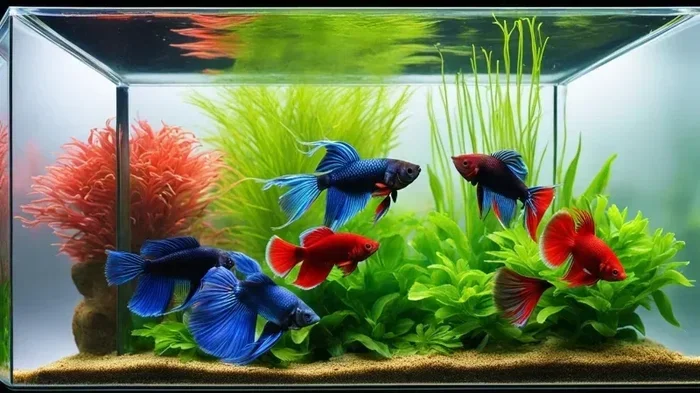
Can any fish live with a male betta? The short answer is no, not just any fish. Male bettas are territorial and need careful tank mate selection. The right companions can create a peaceful community tank, but the wrong choices lead to stress and injury. This guide covers everything you need to know about betta tank mates and safe pairings.
Key Takeaways
- Male bettas need compatible tank mates — not every fish species can share a tank with a male betta.
- Peaceful, small fish work best as companions for male bettas in a community setup.
- Avoid fin-nippers and aggressive species that can trigger betta aggression or damage their fins.
- Tank size and setup matter — a properly decorated tank reduces territorial behavior.
- Monitor your fish closely after introducing new tank mates to watch for signs of stress.
- Bottom dwellers and snails are often excellent companions for male bettas.
- Research every species before adding it to a betta tank to ensure compatibility.
📑 Table of Contents
Can Any Fish Live with a Male Betta?
If you own a male betta fish, you might wonder if you can add other fish to the tank. The honest answer is that it depends. Not just any fish can live with a male betta. Male bettas have unique personalities and territorial instincts that make some tank mates a bad fit. But with the right choices, you can build a beautiful community tank that keeps everyone happy.
The question “can any fish live with a male betta” is one of the most common ones among new fish keepers. The truth is, a male betta can coexist with certain peaceful species. But it takes research, planning, and careful observation. This guide walks you through everything you need to know about choosing the right betta tank mates and avoiding costly mistakes.
Before you add any fish to your betta’s tank, you need to understand their behavior. Male bettas are also called Siamese fighting fish for a reason. They are naturally aggressive toward other males and can be territorial. This does not mean they cannot live with other fish. It just means you need to pick the right partners.
Many aquarists successfully keep male bettas in community tanks. The key is knowing which species work and which ones do not. Let us dive into the details so you can make informed decisions for your aquarium.
Understanding Male Betta Temperament
Why Bettas Are Territorial
Male bettas have long, flowing fins and vibrant colors. These traits make them look stunning, but they also make them targets in the wild. Over time, bettas evolved to be protective of their space. A male betta sees other fish with bright colors or long fins as rivals. This is especially true for other bettas.
Territorial behavior in bettas shows up in different ways. Your betta might flare its gills, chase other fish, or nip at fins. Some bettas are more aggressive than others. A few are even quite docile and tolerate tank mates well. But you should never assume your betta will be friendly. Always watch closely when introducing new fish.
When Bettas Can Get Along With Other Fish
Male bettas can live peacefully with certain species under the right conditions. The best tank mates are fish that stay out of the betta’s territory. Bottom dwellers and mid-level swimmers often work well. Fish that are too small might get chased, while fish that are too large might bully the betta.
For example, can male betta fish live with tetras? In many cases, yes. Small tetras like neon tetras or ember tetras tend to stay in their own zone and avoid confrontation. But every betta is different, so results can vary.
The most important factor is your tank setup. A well-decorated tank with plenty of hiding spots gives all fish a sense of security. Plants, caves, and driftwood break up lines of sight and reduce aggression. More on that later.
Best Fish to Pair With a Male Betta
Peaceful Community Fish
When looking for companions, focus on peaceful species that do not bother bettas. Here are some of the best options:
- Corydoras Catfish — These small bottom dwellers stay out of the betta’s way. They are peaceful and fun to watch.
- Ember Tetras — Tiny, orange tetras that keep to themselves and add color to the tank.
- Harlequin Rasboras — Schooling fish that stay in the middle of the tank and rarely bother bettas.
- Pygmy Corydoras — A small, active species that loves to scavenge the substrate.
- Kuhli Loaches — Eel-like fish that stay at the bottom and are very peaceful.
These species tend to be calm and non-threatening. They do not compete with bettas for food or space. However, always introduce them slowly and watch how your betta reacts.
Bottom Dwellers and Cleaners
Bottom-dwelling fish are excellent choices for a betta tank. They occupy a different area of the aquarium, which reduces conflict. Here are some great options:
- Amano Shrimp — Great algae eaters that stay busy cleaning the tank. Most bettas ignore them.
- Mystery Snails — Slow-moving snails that mind their own business and help keep the tank clean.
- Nerite Snails — Hardy snails that cannot reproduce in freshwater, making them low-maintenance companions.
- Otocinclus Catfish — Small algae eaters that school near the bottom and glass.
Shrimp and snails are often the safest choices for a male betta tank. They do not have fins that trigger aggression, and most bettas leave them alone. Just be cautious with larger shrimp species, as some bettas might see them as food.
What Fish to Avoid With Male Bettas
Fin-Nipping Species
Some fish are notorious for nipping at long fins. This is a serious problem for male bettas. Their flowing fins look like easy targets to fin-nippers. Avoid these species at all costs:
- Tiger Barbs — Aggressive fin-nippers that will tear up betta fins quickly.
- Serpae Tetras — Known for their nippy behavior and fin-chewing habits.
- Bloodfin Tetras — Can become aggressive and bother bettas in smaller tanks.
Fin damage is painful for bettas and can lead to infections. If you notice fin nipping, remove the culprit immediately.
Aggressive or Large Fish
Bigger fish can bully or even eat a male betta. Avoid housing bettas with aggressive species. Here are some clear no-go fish:
- Goldfish — Too large, too messy, and completely incompatible with bettas.
- Cichlids — Most cichlids are aggressive and will dominate a betta.
- Guppies with bright tails — Some bettas may view them as rivals and attack them.
- Angelfish — Can be territorial and may nip at betta fins.
Remember, not every community fish is safe. Always research a species before adding it to a betta tank. If you want more details on specific pairings, check out this guide on what fish can live with a male betta for a deeper dive into compatible species.
Setting Up a Successful Community Tank
Tank Size Matters
The size of your tank plays a huge role in whether fish can coexist peacefully. A small tank amplifies aggression. A male betta in a tiny bowl has no escape from territorial fish. A larger tank gives everyone room to establish their own space.
For a community tank with a male betta, aim for at least 20 gallons. This gives you enough room to create separate zones. Plants and decorations can break up territories and reduce stress. A bigger tank also keeps water parameters more stable, which benefits all fish.
Creating Hiding Spots and Territories
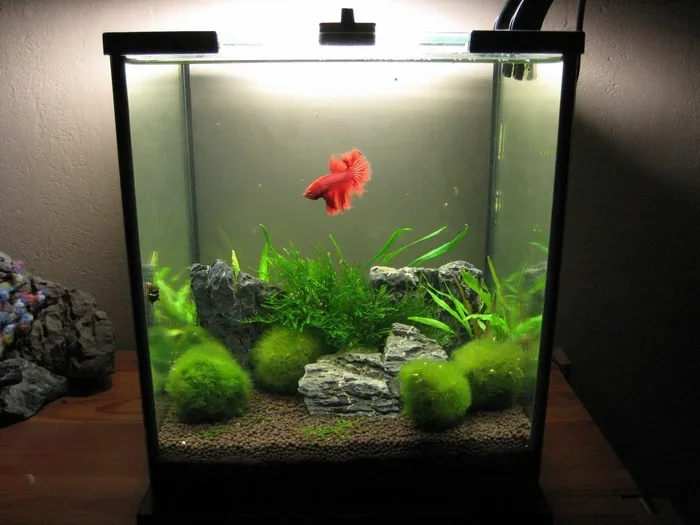
A well-decorated tank is the foundation of a peaceful community setup. Here are some tips for making your tank betta-friendly:
- Add live plants like java fern, anubias, or Amazon sword plants.
- Use driftwood and rocks to create caves and hiding spots.
- Place plants near the surface — bettas love to rest on leaves.
- Leave open swimming space in the middle of the tank.
- Use dim lighting to reduce stress for both bettas and shy tank mates.
These decorations give every fish a place to retreat. When fish feel safe, aggressive behavior drops significantly. A stressed betta is more likely to attack tank mates, so a comfortable environment is essential.
Water Parameters for a Community Tank
Keeping water conditions stable helps all fish stay healthy. Male bettas prefer warm water between 78 and 80 degrees Fahrenheit. Most peaceful community fish thrive in similar temperatures. Here is a quick reference:
- Temperature: 78 to 80 degrees Fahrenheit
- pH Level: 6.5 to 7.5
- Tank Size: Minimum 20 gallons for community setups
- Filtration: Gentle sponge filter to avoid strong currents
- Heater: Adjustable heater with a thermostat
Betta fish are sensitive to water changes and ammonia spikes. Test your water regularly and perform partial water changes every week. Clean water keeps all fish healthy and reduces the chance of disease outbreaks.
Common Mistakes When Adding Tank Mates
Rushing the Introduction Process
One of the biggest mistakes new fish keepers make is adding tank mates too quickly. Never drop a new fish into a betta tank without a quarantine period. New fish can carry diseases or parasites that spread to your betta. Quarantine new arrivals for at least two weeks before introducing them.
Even after the quarantine, introduce new fish slowly. Float the bag in the tank for 15 to 20 minutes to equalize the temperature. Then slowly mix tank water into the bag over 30 minutes. This helps the new fish adjust without shock.
Ignoring Signs of Stress
Watch your betta closely after adding new fish. Signs of stress include clamped fins, loss of color, hiding constantly, or refusing to eat. If you notice these behaviors, separate the new fish immediately. Some bettas simply cannot tolerate any tank mates, and that is okay.
Not every male betta wants company. Some bettas do better alone in a planted tank. If your betta seems unhappy with tank mates, it is perfectly fine to keep it solo. A single male betta in a beautiful planted tank can be a stunning display on its own.
Overcrowding the Tank
Adding too many fish to a betta tank causes problems. Overcrowding leads to poor water quality, increased aggression, and stress for all inhabitants. Follow the general rule of one inch of fish per gallon, but remember that bettas need extra space. Keep the bioload low and prioritize quality over quantity.
A good rule of thumb is to add only one or two new species at a time. This lets you monitor how your betta reacts before adding more. Patience is the key to a successful community tank.
Can You Keep a Male Betta With Other Species? Expert Insights
The short answer to “can any fish live with a male betta” is nuanced. Some species work wonderfully, while others are a disaster waiting to happen. Experienced aquarists recommend starting with the safest options and working your way up. Shrimp and snails are almost always a safe bet. Small peaceful tetras and corydoras catfish are also reliable choices.
If you are unsure about a specific species, do your homework first. Every fish has different needs and temperament. What works in one tank may not work in another. Factors like tank size, decoration, and individual personality all play a role.
For those wondering about specific pairings, many resources exist to guide you. The more you learn about betta fish compatibility, the better equipped you will be to create a thriving community tank. Always prioritize the health and safety of your fish over the desire to fill the tank.
Remember that male bettas are individuals. Some are calm and social, while others are fierce and solitary. Observe your own betta’s behavior and adjust your approach accordingly. There is no one-size-fits-all answer when it comes to betta tank mates.
Conclusion
The answer to “can any fish live with a male betta” is not a simple yes or no. It requires thought, research, and careful planning. Male bettas can live with certain peaceful species, but not every fish is a good match. Focus on small, calm fish that stay out of the betta’s territory. Shrimp, snails, corydoras, and small tetras are among the best options.
Avoid aggressive species, fin-nippers, and overly large fish at all costs. Set up your tank with plenty of hiding spots and open swimming space. Monitor water parameters closely and watch your fish for signs of stress. With the right approach, you can create a beautiful community tank that keeps your male betta healthy and happy.
Start small, be patient, and always put your fish first. A well-planned community tank is one of the most rewarding setups in the hobby. Take your time, do your research, and enjoy the process of building a home that works for every fish in it.
Frequently Asked Questions
Can I Put a Goldfish With a Male Betta?
No, goldfish are not compatible with male bettas. Goldfish grow too large, produce too much waste, and prefer cooler water temperatures. Keeping them together will stress your betta and create unhealthy water conditions. Always house goldfish in their own separate tank.
What Is the Best Tank Mate for a Male Betta?
The best tank mates for male bettas are peaceful, small species that stay out of the betta’s territory. Corydoras catfish, ember tetras, mystery snails, and amano shrimp are all excellent choices. These species are calm, non-aggressive, and occupy different areas of the tank.
Can Male Bettas Live With Other Fish in a 10-Gallon Tank?
A 10-gallon tank is too small for a community setup with a male betta. You need at least 20 gallons to give both the betta and tank mates enough space. A smaller tank increases aggression and makes water quality harder to maintain. Always go bigger when planning a community tank.
How Do I Know if My Betta Is Stressed by Tank Mates?
Watch for signs like clamped fins, loss of color, hiding constantly, refusing food, or flaring at other fish. If you notice any of these behaviors, your betta may be stressed. Remove the offending tank mate and give your betta time to recover in a calm environment.
Can I Keep Two Male Bettas in the Same Tank?
No, never keep two male bettas together. They will fight aggressively, often to the death. Male bettas are territorial and will not share space with another male. If you want multiple bettas, keep them in separate tanks with visual barriers only.
Are Betta Fish Able to Live With Shrimp?
Yes, most male bettas can live with small shrimp species like amano shrimp and cherry shrimp. Many bettas ignore shrimp completely. However, some bettas may see small shrimp as food. Monitor the tank closely after introducing shrimp and be ready to separate them if needed.