Can Betta Fish Eat Pellets
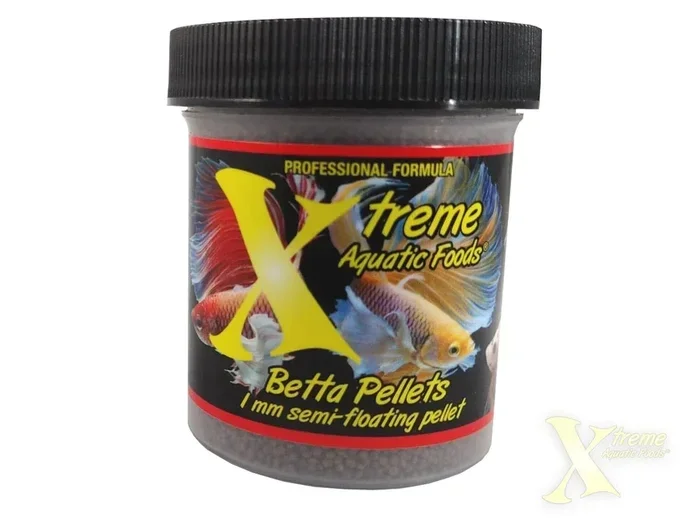
Yes, betta fish can eat pellets, and they are one of the best staple foods you can offer. Betta pellets are specially formulated to meet the nutritional needs of bettas, providing protein-rich meals that support color, energy, and overall health. This guide covers everything you need to know about choosing, feeding, and managing pellets for your betta fish.
Key Takeaways
- Betta pellets are safe and nutritious: They are designed specifically for bettas and provide balanced nutrition.
- Not all pellets are equal: Choose high-quality pellets with real fish protein as the first ingredient.
- Feed small amounts twice a day: Overfeeding can lead to serious health and water quality problems.
- Sinking pellets work best: Bettas are top-feeders and prefer pellets that float or slowly sink.
- Pellets should be the staple: Supplement with occasional treats like bloodworms or vegetables for variety.
- Watch for signs of overfeeding: Bloating, constipation, and cloudy water are red flags to watch for.
- Soak pellets before feeding: This prevents digestive issues and makes them easier for bettas to eat.
Can Betta Fish Eat Pellets?
If you own a betta fish, you have probably wondered whether pellets are a good food choice. The short answer is yes. Betta fish can eat pellets, and in fact, pellets are one of the most popular and convenient foods for bettas. They are easy to store, simple to feed, and packed with the nutrients your fish needs to thrive.
But not all pellets are created equal. Some are made specifically for bettas, while others are generic fish food that may not meet your betta’s dietary needs. In this guide, we will walk through everything you need to know about feeding pellets to your betta. You will learn what makes a good pellet, how much to feed, and common mistakes to avoid.
Whether you are a new betta owner or have had fish for years, this article will give you practical advice you can use right away. Let us dive in and make sure your betta is getting the best nutrition possible.
Why Pellets Are a Great Food for Bettas
Bettas are carnivorous fish. In the wild, they eat insects, larvae, and small organisms. Their diet needs to be high in protein and low in fillers. Betta pellets are formulated to match this natural diet. They contain the right balance of protein, fats, and vitamins that keep your fish healthy and colorful.
Compared to flakes, pellets hold their shape better in water. They do not break apart as quickly, which means less mess in your tank. This also makes it easier to control how much food your betta is eating. Less wasted food means cleaner water and a happier fish.
Many experienced fish keepers prefer pellets over other food types because of their consistency. You know exactly what your betta is getting with each pellet. This makes it easier to manage their nutrition and avoid dietary gaps.
What to Look for in Betta Pellets
Not every pellet on the shelf is good for your betta. Here are some things to look for when choosing the best pellets for your fish.
Check the protein content. Bettas need a diet that is at least 30% protein. Look for pellets where fish meal or whole fish is listed as the first ingredient. Avoid pellets that use plant-based proteins as the main source. Bettas are not designed to digest large amounts of plant matter.
Look for size and shape. Betta pellets come in different sizes. Choose small pellets that are easy for your betta to eat. If the pellet is too large, your fish may struggle to consume it, and uneaten pellets will foul the water.
Avoid fillers and artificial additives. Cheap pellets often contain wheat, corn, or soy as fillers. These offer little nutritional value and can cause digestive issues. Go for pellets with natural ingredients and added vitamins like spirulina or astaxanthin for color enhancement.
Consider sinking versus floating pellets. Bettas are top feeders. They prefer to eat from the surface of the water. Floating pellets work great for this. However, some bettas prefer sinking pellets, which slowly descend in the water. If your betta seems uninterested in floating food, try a slow-sinking option.
How to Feed Betta Fish Pellets
Feeding pellets to your betta is simple, but doing it the right way makes a big difference. Here is a step-by-step guide to get the best results.
Step 1: Soak the pellets first. Before dropping them in the tank, soak a few pellets in tank water for a minute or two. This causes them to expand before your betta eats them. It prevents the pellets from swelling inside your fish’s stomach, which can cause bloating and constipation.
Step 2: Feed small amounts. Drop two to three pellets into the tank. Watch your betta eat them. If your fish finishes them quickly, you can add one or two more. The goal is for your betta to eat everything within two to three minutes.
Step 3: Feed twice a day. Most bettas do well with two small feedings per day. Morning and evening works well for most fish keepers. Stick to a consistent schedule so your betta knows when to expect food.
Step 4: Remove uneaten food. If there are pellets left after a few minutes, use a small net to remove them. Leftover pellets will sink and decay, which can spike ammonia levels in your tank. Clean water is essential for betta health.
Common Mistakes When Feeding Pellets to Bettas
Even experienced fish keepers can make mistakes when it comes to feeding pellets. Here are some common errors to watch out for.
Overfeeding is the number one mistake. Bettas have small stomachs, roughly the size of their eye. Feeding too many pellets at once can lead to bloating, constipation, and even swim bladder issues. If your betta seems to beg for food, remember that they do not need as much as you think. Overfeeding can also pollute your tank water quickly.
Using the wrong type of pellet. Generic tropical fish pellets may seem like a good deal, but they often lack the protein levels bettas need. Always choose pellets that are specifically labeled for bettas or carnivorous fish.
Skipping variety in the diet. While pellets make an excellent staple food, your betta will benefit from variety. Adding the occasional treat keeps your fish healthy and interested in food. You can offer frozen or live bloodworms, daphnia, or brine shrimp once or twice a week. You can also include small amounts of blanched vegetables like peas or zucchini as a supplement.
Not adjusting for your betta’s age. Baby bettas and senior bettas may need smaller pellets or softer food. Adjust the size and type of pellet based on your fish’s life stage to ensure proper nutrition at every age.
How Pellets Compare to Other Betta Foods
Understanding how pellets stack up against other food types can help you make the best choice for your betta’s diet.
| Food Type | Pros | Cons |
|---|---|---|
| Pellets | High protein, easy to portion, holds shape well, long shelf life | Can be expensive, some brands use fillers |
| Flakes | Affordable, widely available | Break apart quickly, less nutritional control, can cloud water |
| Freeze-dried foods | Long shelf life, good as treats | Low moisture, can cause bloating if not soaked |
| Frozen foods | High nutrition, closest to natural diet | Requires thawing, shorter shelf life |
| Live foods | Most natural, great for picky eaters | Risk of disease, expensive, hard to store |
As you can see, pellets offer a great balance of nutrition, convenience, and value. They are an excellent choice as the main part of your betta’s diet. Pair them with occasional treats for the best results.
Signs Your Betta Is Getting the Right Nutrition
How do you know if your betta’s pellet-based diet is working? There are a few clear signs to watch for. A well-fed betta will have bright, vibrant colors and a healthy appetite. Their fins should be held upright and their body should be streamlined, not bloated or thin.
Watch for changes in behavior. A betta that is active and alert during feeding time is likely getting the right nutrition. If your betta becomes lethargic, stops eating, or starts losing color, it may be time to reassess their diet. In some cases, switching to a higher-quality pellet can make a noticeable difference within a few weeks.
Also pay attention to your tank water. If the water stays clear and your filter is working well, your feeding habits are probably on track. Cloudy water or excess waste often signals overfeeding or low-quality food.
Expert Tips for the Best Results
Here are a few extra tips from experienced betta keepers to help you get the most out of pellet feeding.
- Rotate pellet brands occasionally. Different brands use different formulations. Rotating between two high-quality pellets ensures a broader nutrient profile.
- Use a feeding ring. A feeding ring keeps pellets in one spot, making it easier for your betta to find and eat them. This also prevents pellets from getting stuck in the filter or substrate.
- Fast your betta once a week. Skipping one feeding per week helps prevent digestive issues and gives your betta’s system a break. Many experienced keepers swear by this simple practice.
- Store pellets properly. Keep your pellet container sealed and stored in a cool, dry place. Moisture can break down the nutrients and reduce the shelf life of your pellets.
Remember that every betta is different. Some are picky eaters, while others will eat anything you offer. Pay attention to your individual fish and adjust your feeding routine as needed. The goal is a healthy, happy betta that thrives on a consistent and nutritious diet.
Final Thoughts on Feeding Pellets to Your Betta
Betta fish can absolutely eat pellets, and when chosen and fed correctly, pellets form the foundation of a healthy betta diet. The key is to select high-quality pellets with real fish protein, feed the right amount twice a day, and soak them before offering them to your fish. Avoid overfeeding, skip the fillers, and add variety with occasional treats for the best results.
Feeding your betta does not have to be complicated. With the right pellets and a simple routine, you can keep your fish healthy, colorful, and active for years to come. Start with these tips today and watch your betta thrive.
If you are curious about other aspects of betta feeding, check out our guide on whether bettas prefer sinking pellets for more detailed information. You can also learn more about how to avoid overfeeding your betta fish to keep them healthy. For ideas on adding variety to their diet, our article on feeding vegetables to bettas is a great resource.
Frequently Asked Questions
Can betta fish survive on pellets alone?
Yes, bettas can survive on a pellet-based diet. High-quality betta pellets are designed to provide all the essential nutrients your fish needs. However, adding occasional treats like bloodworms or frozen foods helps provide variety and supports long-term health.
How many pellets should I feed my betta fish?
Feed two to three small pellets per serving, twice a day. Adjust the amount based on how quickly your betta eats. The goal is for all food to be consumed within two to three minutes, with nothing left to decay in the tank.
Are betta pellets better than flakes?
Most fish keepers agree that pellets are better than flakes for bettas. Pellets hold their shape longer, provide more consistent nutrition, and create less waste in the water. Flakes can also be used but tend to break apart and cloud the water faster.
Can I feed my betta pellets every day?
Yes, you can feed pellets every day. In fact, daily feeding with pellets is recommended for a consistent diet. Just make sure you are feeding the right amount and not overfeeding, which can lead to health and water quality problems.
What happens if I overfeed my betta with pellets?
Overfeeding can cause bloating, constipation, and swim bladder issues in bettas. Excess pellets also decay in the tank, raising ammonia levels and making the water unsafe for your fish. Always feed small amounts and remove uneaten food promptly.
Should I soak pellets before feeding my betta?
Yes, soaking pellets for a minute or two before feeding is a good practice. It helps the pellets expand outside your betta’s stomach, reducing the risk of bloating and digestive discomfort. This simple step can make a big difference in your fish’s health.