Male bettas are beautiful but territorial, and goldfish have very different needs. In most cases, keeping a male betta with a goldfish is not recommended, but with the right setup and careful monitoring, a limited “yes” can sometimes work. Read on for the full answer, practical tips, and alternatives.
Key Takeaways
- Temperament clash: Male bettas often see goldfish as rivals and may become aggressive.
- Water requirements differ: Goldfish need cooler, heavily filtered water; bettas prefer warm, soft water.
- Size matters: A large, fast‑growing goldfish can outgrow a betta’s tank space quickly.
- Tank size is critical: At least 30 gallons is needed to give both species enough room.
- Monitoring is essential: Watch for signs of stress, fin nipping, or water quality issues.
- Alternative companions: Consider peaceful community fish that share similar temperature ranges.
- Separate quarantine: Always quarantine new fish before introducing them to avoid disease.
📑 Table of Contents
Introduction: Why This Question Pops Up
Anyone who has ever set up a small aquarium quickly falls in love with the vivid colors of a male betta. At the same time, goldfish are the classic starter fish that many people grow up with. It’s natural to wonder, “Can a male betta fish live with a goldfish?” The answer isn’t a simple yes or no—it depends on water parameters, tank size, temperament, and how well you can manage both species.
In this article we’ll break down the biology of each fish, compare their ideal environments, and give you a step‑by‑step plan for a safe community tank—if you decide to try it. We’ll also point you toward better tank‑mates if the matchup looks too risky.
Understanding the Two Species
Male Betta Fish: Personality and Needs
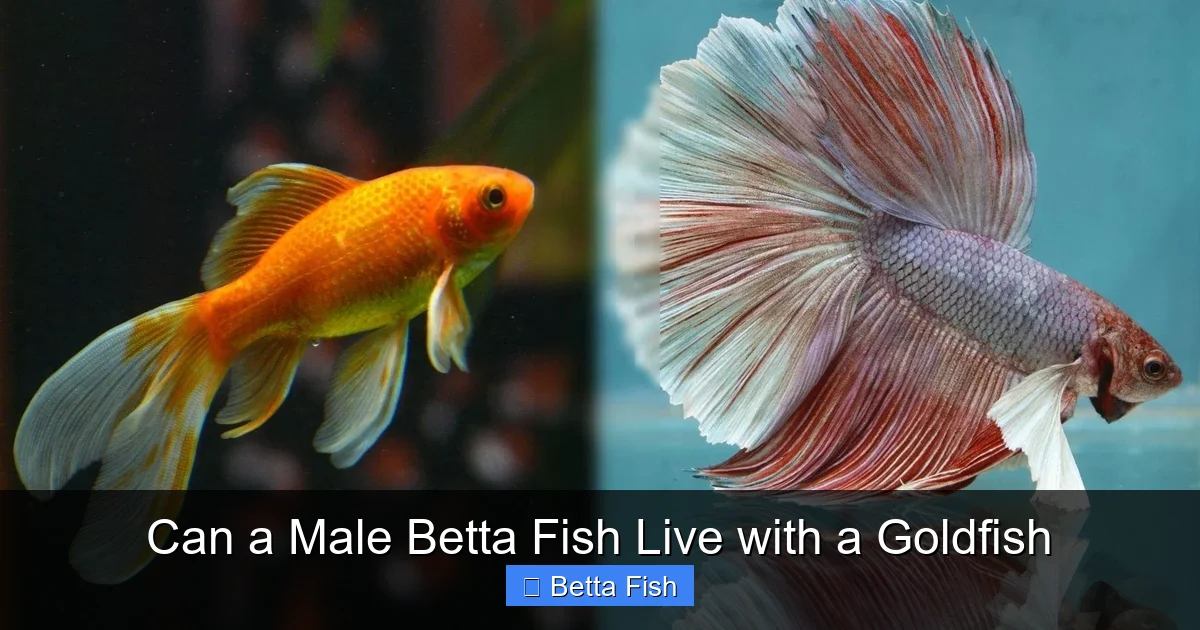
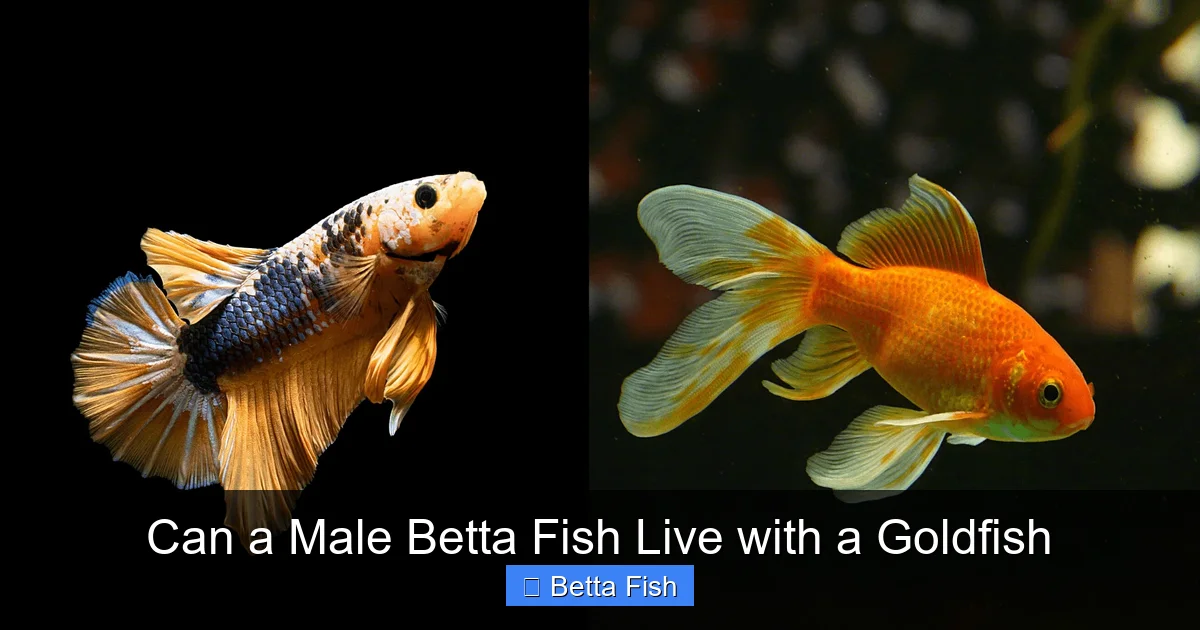
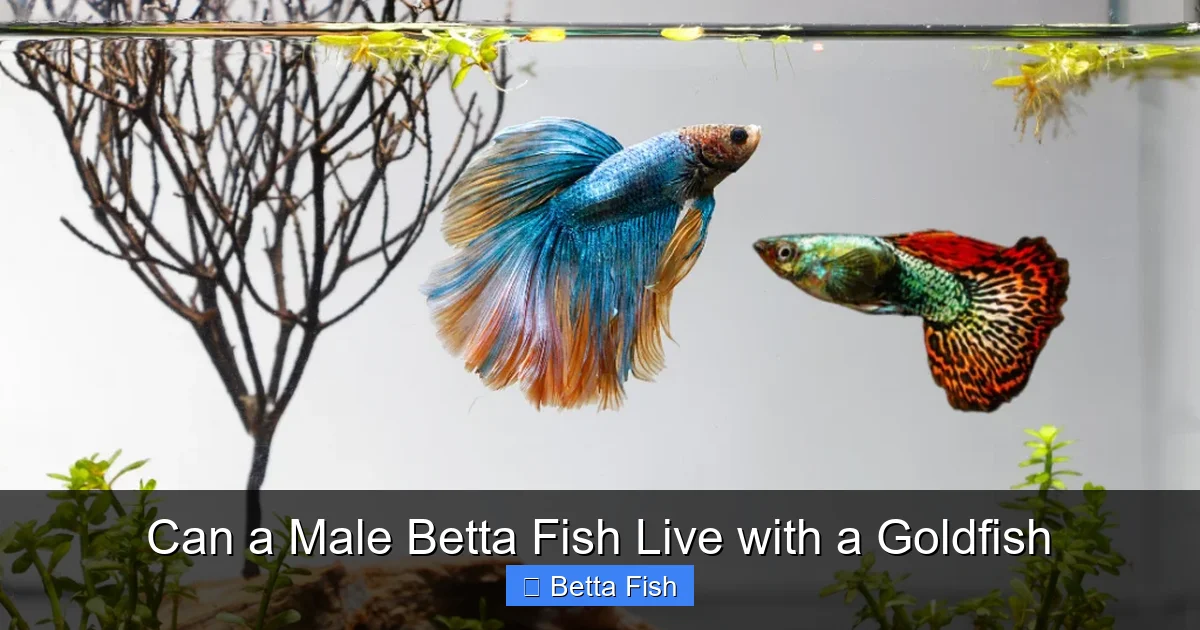
Male bettas (Betta splendens) are famous for their flowing fins and bold colors. In the wild they live in shallow, warm rice paddies where they defend small territories. In captivity they thrive at 76‑82°F (24‑28°C) with a pH of 6.5‑7.5 and soft water (low GH). They are surface‑feeders, love to explore the top half of the tank, and can become aggressive toward other long‑finned fish.
Visual guide about Can a Male Betta Fish Live with a Goldfish
Image source: hepper.com
Goldfish: Size, Temperature, and Waste Production
Goldfish (Carassius auratus) come in many varieties, but all share a love for cooler water—generally 65‑75°F (18‑24°C). They are heavy waste producers and need strong filtration. Goldfish also grow quickly; a single fancy goldfish can reach 6‑8 inches and produce a lot of bioload.
Key Differences at a Glance
- Temperature: Bettas love warm water; goldfish prefer cooler water.
- Water hardness: Bettas like soft water; goldfish tolerate harder water.
- Activity level: Bettas are relatively calm swimmers; goldfish are active and can be boisterous.
- Space requirements: Goldfish need much more swimming space.
Can a Male Betta Fish Live with a Goldfish? The Short Answer
The short answer is **generally no**, because the ideal conditions for each fish are very different. However, there are a few scenarios where a careful keeper can make it work:
Visual guide about Can a Male Betta Fish Live with a Goldfish
Image source: aniimad.com
- Both fish are housed in a very large tank (30 gallons or more) that can maintain a stable temperature around 78°F, which is a compromise that some goldfish tolerate.
- The goldfish is a small, slow‑moving variety that won’t outgrow the space quickly.
- Strong filtration is in place to handle the goldfish’s waste while keeping the water clean for the betta.
- There are plenty of hiding spots and visual barriers to reduce aggression.
If any of these conditions cannot be met, it’s safer to keep the fish separate.
Setting Up a Shared Tank—Step by Step
1. Choose the Right Tank Size
A minimum of 30 gallons is recommended. Smaller tanks make it impossible to keep the temperature stable for both species and increase stress.
Visual guide about Can a Male Betta Fish Live with a Goldfish
Image source: japanesefightingfish.org
2. Install Proper Filtration
Goldfish produce a lot of ammonia. Use a canister or high‑flow hang‑on‑back filter rated for at least double the tank volume. Add fine sponge pre‑filters to protect the betta’s delicate fins.
3. Heat and Temperature Management
Set the heater to 78°F. Most fancy goldfish will tolerate this temperature for short periods, but monitor them closely for lethargy. If the goldfish shows signs of stress, consider a separate tank.
4. Decor and Hiding Places
Use dense plants (real or silk), driftwood, and rock caves to break the line of sight. This reduces the chance that the betta will see the goldfish as a rival.
5. Introduce the Fish Properly
Start with the goldfish already settled. Float the betta’s bag in the tank for 15‑20 minutes to equalize temperature, then gently release the betta into a hidden corner using a net. Observe for the first 24‑48 hours without feeding the goldfish in the same area.
6. Monitor Water Parameters Daily
Test for ammonia, nitrite, nitrate, pH, and temperature. Betta health can decline quickly if water quality drops.
Signs of Trouble and When to Separate
Aggression Indicators
- Betta flares and darts at the goldfish.
- Goldfish shows fin damage or clamped fins.
- Both fish hide constantly.
Health Red Flags
- Loss of color or faded fins on the betta.
- Goldfish becomes lethargic or refuses to eat.
- Cloudy or foul‑smelling water despite filtration.
If any of these appear, move the betta to a separate, appropriately heated tank immediately.
Better Tank‑Mate Options for Male Bettas
If the betta‑goldfish combo feels too risky, consider these peaceful companions that share similar temperature needs:
- Corydoras catfish – small, bottom‑dwelling, love warm water.
- Neon tetras (in a well‑filtered, mature tank).
- Small snails or shrimp for cleaning duties.
These species are less likely to trigger the betta’s territorial instincts and won’t demand the cooler temperatures goldfish need.
Conclusion: Weighing the Risks and Rewards
While the idea of a vibrant male betta sharing a tank with a classic goldfish is appealing, the reality is that their water preferences, size differences, and temperaments usually clash. If you have a large, well‑filtered tank and can maintain a stable middle‑range temperature, a cautious trial may succeed—but be prepared to separate them at the first sign of stress.
For most hobbyists, choosing a more compatible community of warm‑water fish will lead to a healthier, more enjoyable aquarium. Remember, a happy betta is a healthy betta, and the same goes for goldfish. Choose wisely, monitor closely, and enjoy the colorful world of freshwater keeping.
Frequently Asked Questions
Can a male betta fish live with a goldfish in a small tank?
No. Small tanks cannot maintain the temperature and water quality both species need, and the limited space increases aggression.
What temperature is best for both a male betta and a goldfish?
Around 78°F is a compromise, but goldfish may become stressed. It’s safer to keep them in separate tanks with species‑specific temperatures.
Do bettas eat goldfish food?
Betta fish can nibble on goldfish flakes, but their diet should be supplemented with betta‑specific pellets or frozen foods to meet their nutritional needs.
How often should I test the water in a mixed betta‑goldfish tank?
Test daily for ammonia, nitrite, nitrate, and temperature during the first two weeks, then at least twice a week once the tank is stable.
Are there any goldfish varieties that are more compatible with bettas?
Smaller fancy goldfish that stay under 6 inches and are less active are the best candidates, but they still require careful monitoring.
What should I do if my betta shows signs of stress?
Immediately check water parameters, provide more hiding spots, and consider moving the betta to a separate, properly heated tank.

