Can Betta Fish Eat Regular Fish Food
Can betta fish eat regular fish food? The short answer is yes, but with important caveats. Regular fish food lacks the high protein levels bettas need to thrive. Feeding the wrong diet can lead to nutrition deficiencies and long-term health problems. This guide covers everything you need to know about betta fish diet and what to feed instead.
Many fish owners wonder about can betta fish eat regular fish food. It is a simple question with a surprisingly layered answer. If you own a betta, you want to give your fish the best life possible. And diet plays a huge role in that.
The truth is that regular fish food is not ideal for bettas. But that does not mean it is toxic or dangerous in every situation. Understanding what makes betta nutrition different helps you make smarter choices every day.
This guide walks you through everything you need to know. We will cover why regular food falls short, what happens if your betta eats it, and what you should feed instead. By the end, you will feel confident about your betta fish diet decisions.
Key Takeaways
- Betta fish need high-protein diets: Regular fish food does not meet their nutritional needs.
- Occasional feeding is okay: Small amounts of regular fish food won’t harm your betta immediately.
- Betta-specific pellets are the best choice: They are formulated for betta digestive systems.
- Watch for warning signs: Bloating, lethargy, and color loss can signal a poor diet.
- Variety matters: Adding frozen or live foods boosts your betta’s health and appetite.
- Feeding schedule is critical: Overfeeding causes more problems than the food type itself.
📑 Table of Contents
Why Betta Fish Have Special Dietary Needs
Bettas are not like most tropical community fish. They are carnivores by nature. In the wild, they eat insects, larvae, and small crustaceans. This means their bodies need a high-protein diet to function properly.
Regular fish food is often designed for omnivorous or herbivorous species. Goldfish, for example, need plant-based nutrition. Guppies do well on flake mixes. But bettas are different. Their digestive systems are built to process animal-based proteins.
The Protein Gap
Most regular fish flakes contain around 30 to 35 percent protein. Bettas need at least 40 to 50 percent protein in their daily diet. That gap matters more than most fish owners realize.
When a betta eats low-protein food over weeks, the effects add up. Their colors may fade. Their energy drops. Their immune system weakens. Over time, this can lead to serious betta fish health issues.
Fat and Fiber Content
Regular fish food also has different fat and fiber levels. Bettas need moderate fat for energy. Too much fiber from plant-based formulas causes bloating and digestive discomfort. This is why betta pellets are so much better suited for them.
What Happens When Betta Fish Eat Regular Fish Food
If your betta accidentally eats regular fish food, do not panic. One meal will not cause disaster. But making it a habit creates real problems over time.
Short-Term Effects
In the short term, your betta might seem perfectly fine. It may eat the food eagerly. Some fish do not even notice the difference at first. But underneath the surface, the nutrition is not adding up.
You might notice your betta producing more waste than usual. The food may not break down well in their system. This can cloud your tank water faster than normal.
Long-Term Effects
Feeding regular fish food as a staple diet leads to long-term damage. Here are the most common issues:
- Malnutrition: Your betta misses essential amino acids it cannot produce on its own.
- Color Fading: Bettas lose their vibrant reds and blues without proper nutrition.
- Weak Immune System: A poor diet makes bettas vulnerable to diseases like fin rot and ich.
- Swim Bladder Issues: Low-quality food causes bloating that affects your betta’s ability to swim properly.
- Shortened Lifespan: Bettas on proper diets live longer and stay more active.
These are serious risks. The good news is they are entirely preventable. Switching to the right food makes a dramatic difference.
Can You Feed Betta Fish Other Types of Fish Food?
Many owners ask can betta fish eat other fish food besides regular flakes. The answer depends on the type of food. Some options work well as supplements.
Tetra Food and Betta Compatibility
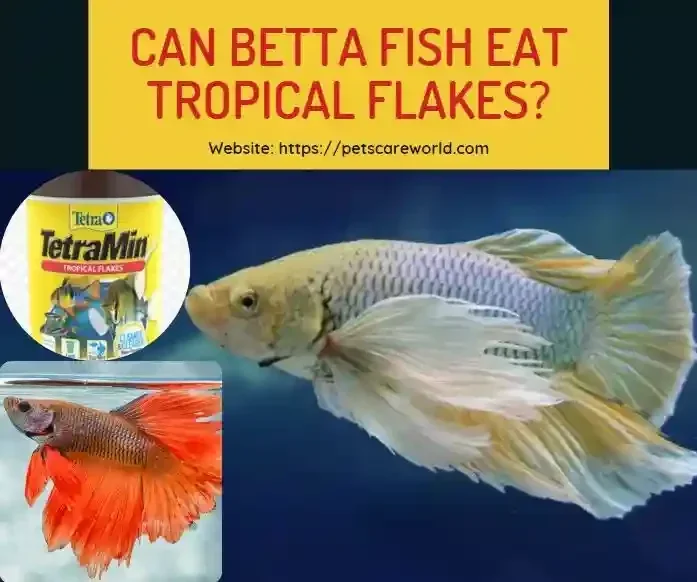
Tetra makes popular fish food for community tanks. But can betta fish eat Tetramin food? In small amounts, yes. TetraMin flakes contain moderate protein. They work as an occasional treat. They should not replace a betta-specific staple diet though.
If you are curious about the details, check out our full guide on can betta fish eat Tetramin food for a deeper breakdown.
Sinking Food Considerations
Bettas are top-dwelling fish. They prefer to eat from the surface. Sinking food can cause problems. Your betta may not find the food easily. It can also rot on the substrate and pollute the water.
If you have been using sinking pellets, consider switching to floating betta pellets. To learn more about this topic, visit our article on can betta fish eat sinking food.
Frozen and Live Food Options
Frozen brine shrimp and bloodworms are excellent for bettas. They mimic what bettas eat in the wild. Live food is even better if you can source it safely. These options boost protein and trigger natural hunting behavior.
Feed frozen or live food as a treat two to three times per week. This keeps your betta excited about mealtime and healthy at the same time.
Best Foods for Betta Fish
Now that you know what to avoid, let us talk about what to feed your betta instead. The right food makes all the difference in your fish’s health and happiness.
Betta-Specific Pellets
High-quality betta pellets should be the foundation of your fish’s diet. Look for pellets with at least 40 percent protein on the label. The first ingredient should always be fish meal or whole fish, not fillers like wheat or corn.
Popular brands include Hikari Betta Bio-Gold and Fluval Bug Bites. These are specifically formulated for betta digestive systems. They float well and are easy to portion control.
Betta Flakes
Some owners prefer flakes over pellets. Betta-specific flakes work well too. They dissolve faster than pellets, so feed small amounts. Uneaten flakes can dirty your tank quickly.
If you have been using generic flakes, switching to a betta formula is a simple upgrade your fish will thank you for.
Homemade and Supplementary Foods
You can also supplement your betta’s diet with blanched peas (for fiber), daphnia, and mosquito larvae. These add variety and support digestion. Just keep them as occasional additions, not the main meal.
Common Mistakes When Feeding Betta Fish
Even loving fish owners make feeding mistakes. Here are the most common ones to avoid.
Overfeeding
This is the number one mistake. Bettas have small stomachs. They should eat only what fits in their eyeball, two to three times a day. Overfeeding causes bloating, constipation, and dirty water.
Feeding the Wrong Food Type
Using goldfish food or tropical community flakes as a staple is harmful. These foods do not have enough protein. They are full of fillers that bettas cannot digest well.
Ignoring Feeding Schedules
Bettas thrive on routine. Feed them at the same times every day. Skipping meals occasionally is fine. But an erratic schedule can stress your fish and disrupt its metabolism.
Not Removing Uneaten Food
Leftover food decays fast. It releases ammonia into the water. This damages water quality and puts your betta at risk. Always remove any uneaten food after five minutes.
How to Transition Your Betta to Better Food
If your betta has been eating regular fish food, do not switch overnight. Gradual transitions prevent digestive upset.
- Day 1-3: Mix 75 percent old food with 25 percent betta pellets.
- Day 4-6: Switch to a 50-50 ratio.
- Day 7-9: Feed 75 percent betta pellets and 25 percent old food.
- Day 10+: Feed 100 percent betta-specific food.
Watch your betta closely during this period. If it refuses the new food, try soaking pellets in tank water first. This releases scent and makes them more appealing.
Quick Tips for a Healthy Betta Diet
- Always choose food with fish meal as the first ingredient.
- Feed small portions two to three times daily.
- Remove uneaten food after five minutes.
- Offer frozen or live treats twice a week.
- Keep a consistent feeding schedule.
- Store fish food in a cool, dry place to preserve nutrients.
- Check expiration dates before every feeding.
Conclusion
The answer to can betta fish eat regular fish food is not a simple yes or no. Regular fish food is not toxic, but it is not designed for bettas. It lacks the protein and nutrition your fish needs to stay vibrant and healthy.
Make the switch to betta-specific pellets or flakes. Your fish will have better colors, more energy, and a stronger immune system. Small changes in diet lead to big improvements in quality of life.
Take charge of your betta’s nutrition today. Your fish depends on you for every meal. Give it the fuel it truly deserves.
Frequently Asked Questions
Can betta fish eat regular fish flakes?
Yes, occasionally. But regular flakes lack the protein bettas need. Use them only as a rare treat, not a daily staple. Switch to betta-specific flakes for regular feeding.
What happens if my betta eats goldfish food?
Goldfish food is too low in protein for bettas. One bite will not hurt, but repeated feeding causes malnutrition. Always choose food formulated for bettas instead.
How often should I feed my betta fish?
Feed your betta two to three small meals per day. Each meal should be no larger than what fits in the fish’s eyeball. Consistency matters more than quantity.
Can betta fish eat tropical fish food?
Most tropical fish food is not ideal for bettas. It is designed for omnivorous species and lacks sufficient protein. If you must use it, offer only tiny amounts as an emergency option.
Is betta food different from regular fish food?
Yes, significantly. Betta food has higher protein content and is easier to digest. It is specifically formulated for the carnivorous digestive system of betta fish.
Can I feed my betta only frozen food?
Frozen food makes a great supplement but should not be the sole diet. It lacks the balanced nutrition of complete betta pellets. Use frozen treats alongside a staple pellet or flake diet.