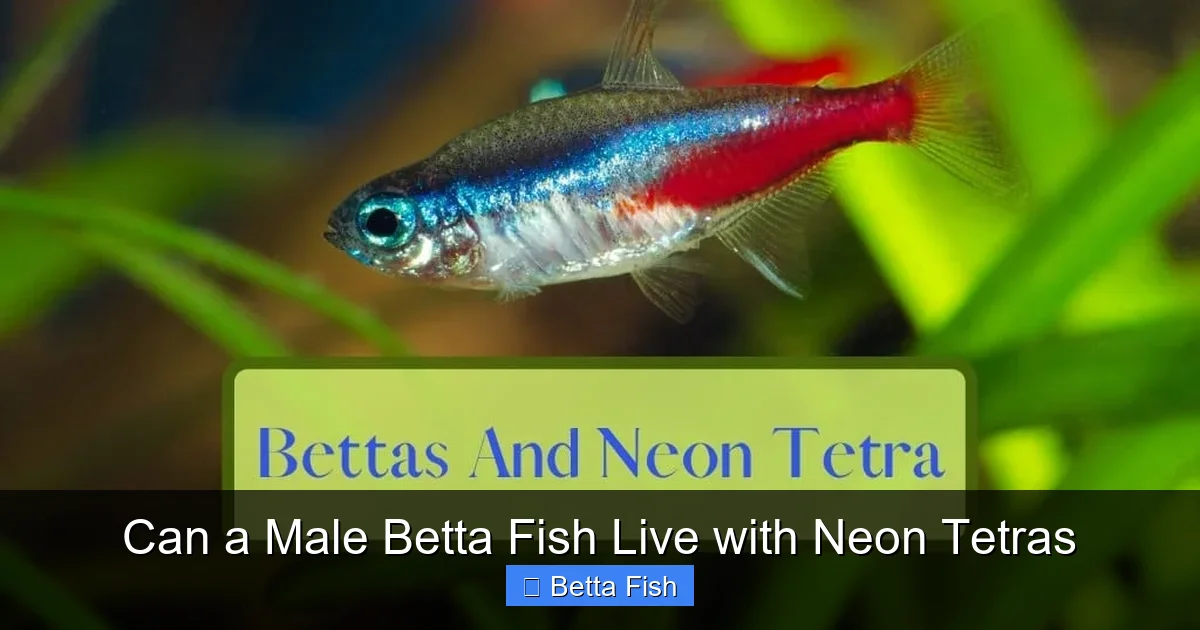
Can a Male Betta Fish Live with Neon Tetras

Yes, a male betta can sometimes share a tank with neon tetras, but success depends on tank size, décor, and careful monitoring. Providing plenty of hiding spots, keeping water parameters stable, and choosing the right tank mates are key to preventing aggression.
Key Takeaways
- Temperament matters: Male bettas are territorial, so tank size and décor are crucial.
- Neon tetras are peaceful: Their small size and schooling nature help them avoid betta attacks.
- Minimum tank size: Aim for at least 20 gallons to give each fish space.
- Plants and caves: Live plants, driftwood, and ceramic caves create hiding places that reduce stress.
- Monitor daily: Watch for fin nipping or stress signs during the first weeks.
- Water parameters: Keep temperature 76‑82 °F, pH 6.5‑7.5, and ammonia at 0 ppm.
- Start with a settled tank: Let the aquarium cycle fully before adding any fish.
📑 Table of Contents
- Introduction: The Dream of a Colorful Community
- Understanding Betta Temperament
- Neon Tetras: The Peaceful Schooling Fish
- Setting Up the Perfect Tank
- Step‑by‑Step: Introducing Neon Tetras to a Male Betta
- Common Problems and How to Solve Them
- When to Say “No”: Situations Where the Mix Fails
- Alternative Tank Mates for Male Bettas
- Conclusion: Making an Informed Decision
Introduction: The Dream of a Colorful Community
Imagine a tank where a flamboyant male betta flashes its brilliant fins while a school of neon tetras darts like a living ribbon of electric light. It sounds like a perfect Instagram post, right? Many hobbyists ask, “Can a male betta fish live with neon tetras?” The short answer is “sometimes,” but the real answer lies in the details of tank size, temperament, and proper setup.
In this article we’ll break down everything you need to know before mixing these two popular species. From the science of betta aggression to practical tips for creating a peaceful environment, you’ll walk away with a clear plan to give both fish the best chance to thrive together.
Understanding Betta Temperament
Why Male Bettas Are Known for Aggression
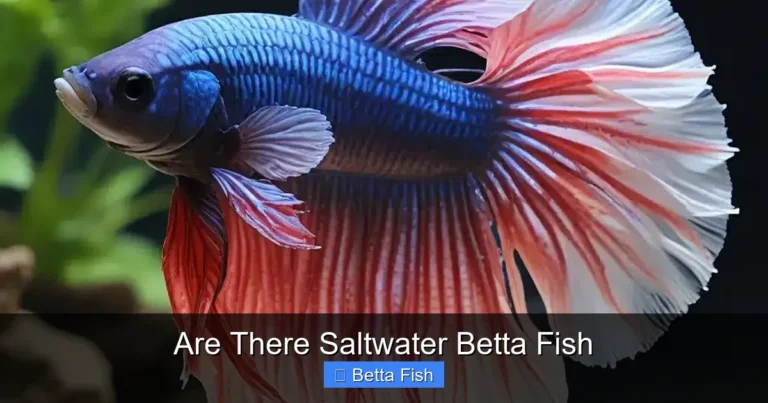
Male bettas (Betta splendens) are naturally territorial. In the wild they defend small, shallow puddles, and that instinct carries over to the aquarium. Their bright colors and long fins are not just for show—they’re weapons used to intimidate rivals. When a male betta feels his space is threatened, he may flare, bite, or even chase other fish.

Visual guide about Can a Male Betta Fish Live with Neon Tetras
Image source: buildyouraquarium.com
Factors That Influence Aggression
- Size of the tank: Smaller spaces amplify territorial behavior.
- Presence of mirrors or reflections: Betas may attack their own reflection, thinking it’s a rival.
- Previous social history: Bettas raised with other fish are often less prone to extreme aggression.
- Water quality: Poor conditions stress the fish and can increase hostility.
Understanding these triggers helps you design a tank where a male betta can feel secure without feeling the need to defend every inch.
Neon Tetras: The Peaceful Schooling Fish
Natural Behavior and Needs
Neon tetras (Paracheirodon innesi) are small, active shoalers that thrive in groups of six or more. Their bright blue‑red stripe makes them a favorite for community tanks. In the wild they inhabit soft, slightly acidic streams with plenty of vegetation, so they appreciate planted aquariums with gentle water flow.

Visual guide about Can a Male Betta Fish Live with Neon Tetras
Image source: lh7-us.googleusercontent.com
Why They Might Be Safe With Bettas
- Size: At 1.5‑2 inches, they are too small for a betta to view as a food source, yet large enough to avoid being seen as a “tiny intruder.”
- Schooling: A tight school can confuse a betta and reduce targeted aggression.
- Fast swimmers: They can dart away quickly if a betta shows interest.
Setting Up the Perfect Tank
Tank Size: The Golden Rule
While a 5‑gallon “betta bowl” might work for a single betta, it is far too small for any community. Aim for at least 20 gallons (75 liters) when you plan to keep neon tetras with a male betta. The extra space gives each species its own territory and reduces the chance of constant encounters.
Visual guide about Can a Male Betta Fish Live with Neon Tetras
Image source: fishtanko.com
Water Parameters to Keep Everyone Happy
- Temperature: 76‑82 °F (24‑28 °C) – both species are tropical.
- pH: 6.5‑7.5 – slightly acidic to neutral works well.
- Hardness: 3‑10 dGH – soft to moderately hard water.
- Ammonia/Nitrite: 0 ppm – any detectable level is dangerous.
Invest in a reliable heater and a test kit. Consistency is more important than hitting an exact number.
Decor and Hiding Places
Creating visual barriers is essential. Use live plants like Java fern, Anubias, or Amazon sword, as well as driftwood and smooth rocks. These not only hide the neon tetras but also give the betta places to claim as his own.
Consider adding a few small caves or PVC tubes. Bettas love to perch, while tetras can swim around them without feeling exposed.
Step‑by‑Step: Introducing Neon Tetras to a Male Betta
1. Cycle the Tank Properly
Never skip the nitrogen cycle. A fully cycled tank (ammonia → nitrite → nitrate) ensures stable water chemistry, reducing stress for both fish.
2. Add the Betta First
Place the male betta in the tank and allow him to establish his territory for at least a week. Observe his behavior; if he is constantly flaring at the glass, wait until he calms down.
3. Acclimate the Neon Tetras
Use the drip acclimation method to slowly introduce the tetras to the tank’s water parameters. This reduces shock and helps them adjust.
4. Release the School Quickly
When you drop the tetras into the tank, do it as a tight school. The sudden burst of movement can deter the betta from focusing on a single target.
5. Observe and Adjust
Watch for any signs of aggression for the first 48 hours. If the betta begins to nip, consider adding more vertical plants or a floating leaf to break line‑of‑sight. In rare cases, you may need to rehome the betta if aggression persists.
Common Problems and How to Solve Them
Fin Nipping
If the betta nips at the neon’s fins, it’s usually a sign of territorial stress. Increase plant cover, reduce tank lighting intensity, and ensure the tetras have enough space to hide.
Stress in Neon Tetras
Stressed tetras may turn pale, hide constantly, or develop fin rot. Check water parameters first; high nitrate or low oxygen levels are common culprits.
Betta Not Eating
A stressed betta may refuse food. Offer high‑quality betta pellets, frozen or live brine shrimp, and feed small amounts 2‑3 times a day.
When to Say “No”: Situations Where the Mix Fails
Even with perfect setup, some bettas simply won’t tolerate any tank mates. If after a week the betta is constantly flaring, chasing, or the neon tetras show signs of injury, it’s kinder to separate them. A dedicated betta tank (minimum 10 gallons) will keep both fish healthy.
Remember, each fish has a unique personality. What works for one male betta may not work for another.
Alternative Tank Mates for Male Bettas
If neon tetras prove too risky, consider other peaceful species that occupy different levels of the aquarium:
- Harlequin rasboras – similar size, schooling behavior.
- Corydoras catfish – bottom dwellers that stay out of the betta’s line of sight.
- Snails (Nerite) – harmless and help with algae control.
- Small, slow‑moving shrimp (Cherry shrimp) – but watch for a very aggressive betta.
For a deeper dive into compatible companions, see our guide on what fish can live with a male betta.
Conclusion: Making an Informed Decision
Can a male betta fish live with neon tetras? Yes, it’s possible, but it’s not guaranteed. Success hinges on a spacious, well‑planted tank, careful acclimation, and vigilant observation. By respecting the betta’s territorial nature and giving neon tetras a secure school, you create a visually stunning and harmonious community.
Start small, watch closely, and be ready to adjust or rehome if aggression spikes. With the right approach, you’ll enjoy the vivid contrast of a male betta’s flamboyant fins against the neon glow of a lively tetra school—proof that thoughtful aquarium planning truly pays off.
Frequently Asked Questions
Is it safe to keep a male betta with neon tetras in a 10‑gallon tank?
Generally no. A 10‑gallon tank is too small to give both species enough territory, increasing the risk of aggression.
How many neon tetras should I keep with a male betta?
At least six, but a group of eight to ten works best. A larger school confuses the betta and reduces targeted attacks.
What signs show that my betta is stressed?
Constant flaring, loss of color, refusal to eat, and frequent hiding are clear indicators of stress.
Can I use fake plants instead of live plants?
Yes, as long as they provide enough cover. Live plants also help maintain water quality, but high‑quality silk or plastic plants work well for hiding spots.
Should I feed the betta and tetras together?
It’s best to feed them separately to avoid competition. Offer betta pellets for the betta and finely crushed flakes or micro‑worms for the tetras.
What should I do if the betta starts nipping the tetras?
Increase plant density, add more vertical decorations, and consider moving the betta to a separate tank if nipping continues.