How Often Do You Feed Betta Fish Flakes
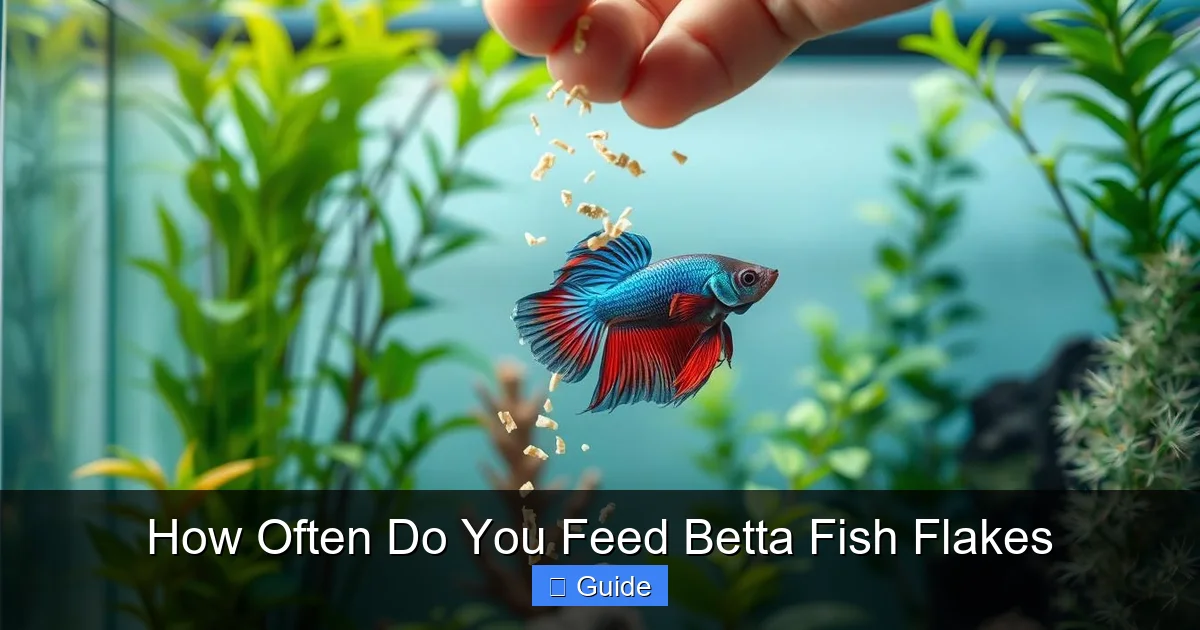
Feeding your betta fish flakes correctly is crucial for its health. The general rule is to feed a small portion once or twice a day, but the true answer depends on your specific betta’s age, activity level, and the quality of the flakes. Overfeeding is the #1 mistake betta owners make, leading to serious health issues like constipation, swim bladder disorder, and polluted water. The key is to offer only what your betta can consume in 2-3 minutes, typically 2-3 small pellets or a pinch of flakes, and to observe your fish closely to adjust portions.
So, you’ve brought home a magnificent betta fish, with its flowing fins and vibrant colors, and you’ve set up a beautiful tank. You’ve got the heater, the filter (a gentle one, of course!), some silk plants, and maybe even a few tank mates you’ve carefully researched. But now comes the daily question that every betta owner faces: how often do you feed betta fish flakes? It seems simple, but getting this one detail right is absolutely fundamental to your betta’s long-term health, vibrancy, and happiness. The wrong answer—even by a little bit—can lead to a cascade of problems, from a constipated, lethargic fish to severe swim bladder disease and a chronically dirty tank. Let’s dive deep into this essential topic, moving beyond simple rules to understand the “why” behind the feeding schedule.
First, a crucial mindset shift: we are not feeding a schedule; we are feeding a living creature. The question isn’t “What time is it?” but “What does my betta need right now?” While general guidelines exist, your specific betta, its unique metabolism, its environment, and the food you choose all play a role. This guide will equip you with the knowledge to move from a nervous guess to a confident, observant caretaker. We’ll unpack the myth of the “once-a-day” rule, explore the critical importance of portion control, discuss how to choose the right flakes, and identify the clear signs that your feeding routine is either on point or needs adjustment. By the end, you won’t just know how often to feed; you’ll understand how to feed for optimal health.
Key Takeaways
- Frequency is typically 1-2 times daily: Most adult bettas thrive on one small meal per day, with a second tiny meal being optional based on activity. Young bettas (fry) need more frequent, tiny feedings.
- Portion size is more critical than frequency: A betta’s stomach is roughly the size of its eye. Overfeeding is far more dangerous than underfeeding. Aim for 2-3 small pellets or a minuscule pinch of flakes per meal.
- Observe the 2-3 minute rule: Any uneaten food after 2-3 minutes must be promptly removed with a net or siphon to prevent water contamination.
- Flake quality matters immensely: Cheap, low-protein flakes with fillers can cause digestive issues. Choose high-quality flakes with whole proteins (like salmon, shrimp, or krill) as the first few ingredients.
- Consistency and routine are key: Feed at roughly the same times each day to establish a healthy routine for your betta, reducing stress.
- Fasting is beneficial: Skip one feeding per week (usually a day you’re not home) to allow your betta’s digestive system to clear completely, preventing constipation.
- Watch for signs of over/underfeeding: A healthy betta is alert, active, and has a slightly rounded (not bloated) belly. Constipation, lethargy, and stringy feces signal problems.
📑 Table of Contents
- The Golden Rule: Frequency vs. Portion Size
- The Critical Science of Portion Control: The Eyeball Method
- Choosing the Right Flakes: Quality is Everything
- Recognizing and Correcting Common Feeding Mistakes
- Beyond Flakes: Building a Complete and Varied Diet
- Creating a Personalized Feeding Routine
- Conclusion: Feeding as an Act of Observation
The Golden Rule: Frequency vs. Portion Size
When new betta owners ask “how often do you feed betta fish flakes,” they are usually thinking about the clock. Should it be morning and night? Just once? The truth is, for adult bettas, frequency is less important than portion size. A common and effective starting point is once a day. Many experienced keepers find that a single, small, high-quality meal per day is perfectly sufficient for a sedentary adult betta in a stable, warm environment (78-80°F or 25-27°C). This mimics their natural habitat where they might not find a large meal every single day.
Why Once a Day Often Works Best
Bettas are carnivores by nature, evolved to eat insect larvae and small crustaceans. They are not grazers; they do not constantly pick at food throughout the day. Their digestive systems are designed for periodic, protein-rich meals. A single daily meal allows their digestive tract to fully process the food before the next intake. This “gut rest” period is vital. It helps prevent the compaction of waste in their intestines, which is a primary cause of constipation—a condition that can quickly escalate to life-threatening swim bladder disorder. Furthermore, a single daily feeding dramatically reduces the bioload (waste) introduced into the tank, helping you maintain pristine water quality with less effort. Water quality is the single biggest factor in a betta’s overall health, and overfeeding is the fastest way to destroy it.
When Twice a Day Might Be Appropriate
There are scenarios where a second, minuscule meal can be beneficial. These include:
- Very Active Bettas: If your betta is a constant swimmer, flaring at its reflection, and seems to have high energy, a tiny second meal (about half the size of the first) might be warranted.
- Growing Young Bettas (Fry/Juveniles): Baby bettas have incredibly high metabolisms and need to eat small amounts 2-3 times a day to support their rapid growth. However, they should be fed specialized fry food or crushed betta pellets, not standard flakes, which are too large.
- Breeding Bettas: Conditioning a pair for spawning requires extra nutrition, often with two small, high-quality meals.
Even in these cases, the second meal must be tiny. The risk of overfeeding always outweighs the risk of a slight hunger. Bettas can go a week without food without issue, but a single day of overfeeding can cause irreversible damage.
The Critical Science of Portion Control: The Eyeball Method
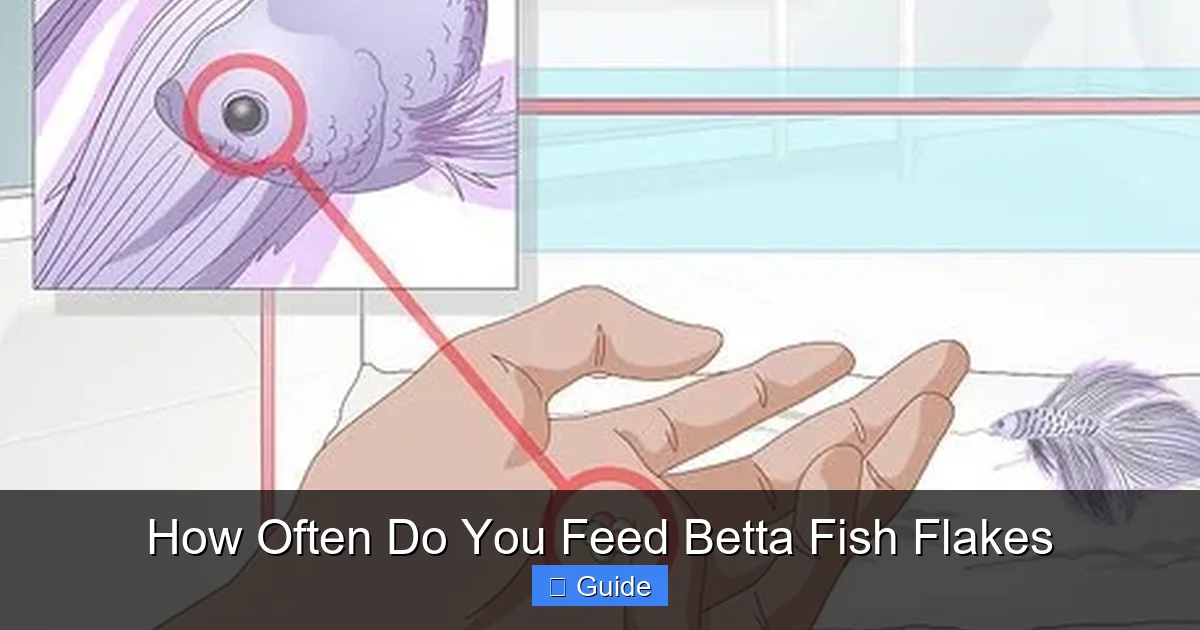
Now we arrive at the heart of the matter. You could feed your betta once a week or three times a day, but if the portion is wrong, you’ll have problems. So, what is the correct portion? The universally accepted, scientific guideline is: a betta’s stomach is approximately the size of its eye. This is not a cute saying; it’s a physiological fact. Their stomachs are tiny. Any more than that eye-sized portion at a single feeding is an overflow, leading to undigested food sitting in their gut, fermenting, and causing constipation and gas.
Visual guide about How Often Do You Feed Betta Fish Flakes
Image source: bettafishworld.com
How to Measure a Betta-Sized Meal
For flakes, this requires a bit of practice. You are not aiming for a pile; you are aiming for a dusting.
- The Pinch Method: Using your thumb and forefinger, take a very small pinch of flakes from the container. Now, rub your fingers together gently over the water surface. You want a light sprinkle, like a dusting of pepper, not a shower. A good test is to see if you can count the individual flakes as they fall. If you can’t, it’s too much.
- The Pellet Equivalent: If you also use betta pellets (which are often a better, less-messy option), the standard is 2-3 pellets per feeding for an adult betta. This is the easiest and most accurate method. If you use flakes, aim for a volume roughly equivalent to 2-3 pellets. That’s it. For a larger, more active betta, maybe 4. But never 5 or 6.
- Wet vs. Dry: Remember, pellets and flakes expand in water. Always add the food to the tank dry. If you pre-soak it, it will expand in your hand and you’ll overestimate the portion.
The 2-3 Minute Rule: Your Cleanup Deadline
Here is the non-negotiable rule that follows portioning: any food not eaten within 2-3 minutes must be removed immediately. Use a small net or a turkey baster to scoop out any stray flakes or pellets. Why such urgency?
- Water Pollution: Uneaten food immediately begins to break down, releasing ammonia and other toxins. This is the fastest way to crash a tank’s cycle and poison your betta.
- Digestive Risk: If your betta is a slow eater or distracted, leftover food will tempt it to graze later, leading to accidental overconsumption.
- Mold and Fungus: Decomposing food can grow mold or fungus on the tank glass or decor, which is harmful if ingested.
This rule makes portion control safe. If you accidentally over-dispense, you have a 2-minute window to clean up the mistake before it becomes a problem. It trains you to be precise and turns feeding into a quick, tidy activity.
Choosing the Right Flakes: Quality is Everything
Not all betta flakes are created equal. The ingredient list on the container is your first line of defense against health problems. Bettas are obligate carnivores, meaning their diet must be primarily animal protein. Cheap flakes are often packed with plant matter, wheat, corn, and soy—fillers that bettas cannot digest properly. This leads to constipation, bloating, and poor coloration.
Visual guide about How Often Do You Feed Betta Fish Flakes
Image source: ineedmedic.com
Decoding the Ingredient List
When shopping for flakes (or pellets), follow this hierarchy:
- First 3 Ingredients: Should be specific, whole animal proteins. Look for “salmon,” “shrimp meal,” “krill,” “squid,” “bloodworms,” or “brine shrimp.” “Fish meal” is vague but acceptable if it’s high on the list. Avoid “soybean meal,” “wheat flour,” or “pea protein” in the top spots.
- Color Enhancers: Natural enhancers like “astaxanthin” (from algae) or “spirulina” are good. Beware of artificial dyes (listed as “color added” or specific dye names), which can stain your fish and offer no nutritional benefit.
- Fat Content: Bettas need moderate fat. Look for a crude fat content of around 5-8%. Too low, and they lack energy; too high, and they can develop fatty liver disease.
Reputable brands like New Life Spectrum, Hikari, and Fluval are known for using high-quality, digestible ingredients. Investing in good food is the single best preventive health measure you can take.
Flakes vs. Pellets: The Great Debate
While this article is about flakes, it’s worth a quick comparison. High-quality betta pellets are generally superior to flakes for a few key reasons:
- Less Mess: Pellets sink slowly, giving your betta time to eat them before they hit the bottom and dissolve. Flakes often float and scatter, with pieces getting trapped in filter intakes or plant leaves.
- Easier Portion Control: It’s simple to count 2-3 pellets. Measuring a “pinch” of flakes is subjective and prone to error.
- Nutrient Density: Good pellets are more concentrated, meaning less volume for the same nutrition, which can mean less waste.
If you choose flakes, use them as a supplemental or occasional food, and be extra vigilant about portioning and cleanup. Many betta owners use a primary diet of pellets with occasional treats of frozen or live foods, and use flakes only as a backup.
Recognizing and Correcting Common Feeding Mistakes
Even with the best intentions, mistakes happen. The key is to recognize the symptoms early and correct your routine. The two most common issues are overfeeding and underfeeding, but the signs can be misleading.
Visual guide about How Often Do You Feed Betta Fish Flakes
Image source: petshun.com
The Scary Signs of Overfeeding
Overfeeding is a slow, insidious killer. It doesn’t just bloat your fish; it degrades its entire system and environment.
- Constipation & Stringy Feces: The most common sign. Look for dark, thick, stringy poop that trails behind your betta. Normal feces should be short, dark, and firm. Constipated bettas often have a visibly swollen, lumpy abdomen (not just a full, rounded belly after a meal). They may become lethargic, rest on the bottom, or have trouble swimming upright.
- Swim Bladder Disorder (SBD): This is a symptom, not a disease. An overfed betta can develop gas or impaction in its swim bladder, causing it to swim sideways, upside down, or sink and struggle to rise. This is a medical emergency caused by poor diet and overfeeding.
- Poor Water Quality: Cloudy water, algae blooms (from excess nutrients), and a strong odor are clear signs of too much waste from uneaten food and excess feces.
- Fatty Liver Disease: A long-term consequence of a high-fat, high-overall-calorie diet. The liver becomes enlarged and dysfunctional, leading to a droopy, pale betta that wastes away despite eating.
Correction: Immediately stop feeding for 3-5 days (fasting). This allows the digestive system to clear completely. On the 4th or 5th day, offer a single, tiny portion of a high-fiber food like a blanched, skinned pea (cut in half) to act as a laxative. After that, resume feeding with a drastically reduced portion of high-quality food. Clean the tank thoroughly during the fast.
The Rare Case of Underfeeding
True underfeeding in a home aquarium is uncommon, as most owners err on the side of caution. However, it can happen if you’re too strict or if your betta is a very slow, shy eater who gets outcompeted (even by a snail sometimes!).
- Signs: A visibly thin, emaciated betta with a sharp, concave spine behind the head. Lethargy, lack of energy, faded colors, and a sunken belly. The betta may be overly aggressive or frantic at feeding time.
- Correction: Gradually increase portion size by 25% for a week. Ensure the food is high-quality and appealing. Consider offering a small amount of frozen or live food (like daphnia or brine shrimp) as a “appetizer” to stimulate eating. Always observe that the increased food is being eaten within 2 minutes.
Beyond Flakes: Building a Complete and Varied Diet
While flakes (or pellets) form the staple of a betta’s diet—about 80% of their intake—they should not be the only thing your betta eats. Think of flakes as your daily bread. To truly thrive, bettas need variety and specific nutrients found in other foods.
The Importance of Protein-Rich Treats
Bettas require a diet of at least 40-50% protein. High-quality pellets and flakes should meet this, but adding frozen or live foods 2-3 times a week provides essential amino acids, stimulates natural hunting behaviors, and adds excitement to feeding time.
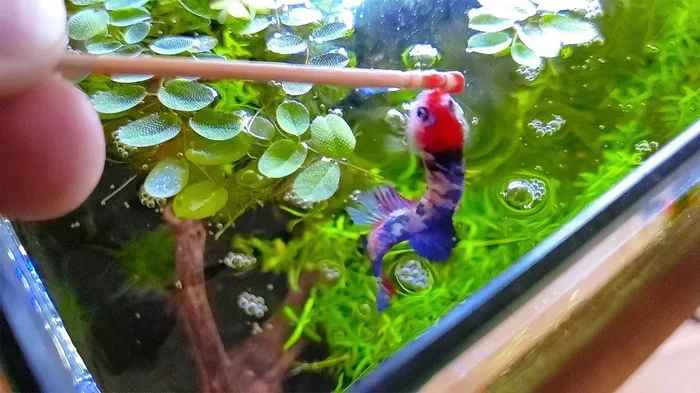
- Frozen Foods: These are the gold standard for convenience and nutrition. Keep a stash of frozen bloodworms, brine shrimp, daphnia, or mysis shrimp. Thaw a tiny cube (a small piece no bigger than a pea) in a dish of tank water, then use a pipette or spoon to offer just a few morsels. Daphnia is especially good for its natural laxative effect.
- Live Foods: The ultimate enrichment. Microworms, vinegar eels, or small daphnia cultures can be raised at home. They trigger brilliant hunting displays. However, only source live foods from a trusted, parasite-free culture to avoid introducing disease.
Rule for treats: They should make up no more than 20% of the total weekly diet. On treat days, you may skip the staple pellet/flake meal or reduce it significantly to avoid overfeeding.
Fasting: The Necessary Reset
As mentioned earlier, skipping one feeding per week is a mandatory health practice. Choose a day, like Sunday, where you do not feed your betta at all. This 24-hour fast allows the digestive tract to completely empty, preventing the buildup of waste that leads to constipation and SBD. It’s a simple, powerful tool. Your betta will be fine and will actually benefit from the break. This is non-negotiable for long-term health, especially if you feed daily.
Creating a Personalized Feeding Routine
Now, let’s synthesize everything into a practical, actionable plan. Start with this template, then adjust based on observation.
The Starter Protocol (For a Healthy Adult Betta)
- Choose Your Staple: Select one high-quality betta pellet or flake brand. Pellets are preferred for portion control.
- Set a Schedule: Feed once daily, at a consistent time (e.g., 8 AM). On a chosen “fast day” (e.g., Sunday), feed nothing.
- Determine Portion: For pellets, start with 2 pellets per feeding. For flakes, use the “pinch” method to approximate the size of 2 pellets.
- Execute & Observe: Add food. Watch your betta eat. Does it consume all within 1-2 minutes? Is it enthusiastic? After 3 minutes, net any leftovers.
- Assess: Check your betta’s body. It should have a gentle, smooth curve from head to tail, not a sharp spine but not a bloated ball. Its feces should be short and dark.
- Adjust: If food is consistently left over, reduce portion by one pellet or a smaller pinch. If your betta eats frantically and seems hungry immediately after, you can try adding one more pellet or a slightly larger pinch for a week, then reassess.
- Add Variation: On 2-3 non-fast days per week, replace the staple meal with a tiny portion of frozen food (thawed).
Special Considerations: Age, Health, and Environment
- Fry (0-4 weeks): Feed 3-4 times daily. Start with infusoria or liquid fry food, then move to microworms or crushed high-quality fry pellets. They have tiny mouths and enormous energy needs.
- Juveniles (1-6 months): Feed twice daily with a small portion of high-quality juvenile food or crushed pellets. They are still growing.
- Sick or Stressed Bettas: A betta that is not eating is often a sign of poor water quality or illness. First, check parameters (ammonia, nitrite, nitrate, temperature). For a constipated betta, fast for 3-5 days, then offer a peeled, blanched pea. For a lethargic betta with no appetite, improve water quality and consider a medication like ich or internal parasites if other symptoms appear.
- Tank Temperature: This is critical. In water below 76°F (24°C), a betta’s metabolism slows dramatically. They will eat less and digest slowly. In water above 82°F (28°C), metabolism speeds up, and they may need a *tiny* bit more food, but the risk of overheating and stress is higher. Always maintain 78-80°F.
Conclusion: Feeding as an Act of Observation
So, how often do you feed betta fish flakes? The definitive, nuanced answer is: once a day, with a portion no larger than your betta’s eye, and with a weekly fast, provided the flakes are high-quality and any leftovers are removed within minutes. But the real answer is deeper than that. The correct frequency and portion for your betta is the one you discover through careful, daily observation. You are not following a rigid schedule; you are engaging in a dialogue with your pet. You watch its body condition, its energy, its waste, and the clarity of its water. You adjust. You learn.
Remember, the goal is not to fill a belly but to nourish a life. A well-fed betta is a vibrant, active, and long-lived companion. Its colors will be brilliant, its fins will flow, and its personality will shine. By mastering the simple but profound principles of portion control, food quality, and vigilant cleanup, you move from being just an owner to being a true guardian of your betta’s health. You’ve got this. Now, go watch your fish swim.
Frequently Asked Questions
Can I feed my betta fish flakes every single day?
Yes, you can feed a staple of high-quality betta flakes (or pellets) every day. The key is to feed only a tiny, eye-sized portion once daily and to fast one day per week to allow for complete digestion. Daily feeding is standard practice if portion sizes are strictly controlled.
What if my betta doesn’t eat all the flakes I give it?
If your betta leaves food, you are almost certainly overfeeding. Remove all uneaten flakes within 2-3 minutes using a net. For the next feeding, reduce the portion size even further. A healthy, hungry betta will typically eat all its food quickly. Persistent refusal to eat can indicate poor water quality, stress, or illness.
How long do betta fish flakes last after opening?
>Once opened, a container of betta flakes should be used within 2-3 months. Exposure to air, moisture, and light degrades the vitamins and causes the flakes to become stale and less nutritious. Always keep the container tightly sealed in a cool, dark place. If the flakes smell musty or have lost their crispness, discard them.
Is it okay to mix different types of betta flakes?
Occasionally mixing flakes from different reputable brands can provide a broader nutrient profile, but it’s not necessary if you feed a high-quality staple. The more important variation comes from adding frozen or live foods 2-3 times a week. Constantly switching staple foods can cause digestive upset.
My betta’s belly looks bloated after feeding. Is this normal?
A slightly rounded belly immediately after a meal is normal for any creature. However, if the belly remains visibly swollen, feels hard to the touch, or your betta becomes lethargic, this is likely constipation from overfeeding. Fast your betta for 3-5 days and then offer a tiny piece of peeled, blanched pea. Resume feeding with a much smaller portion.
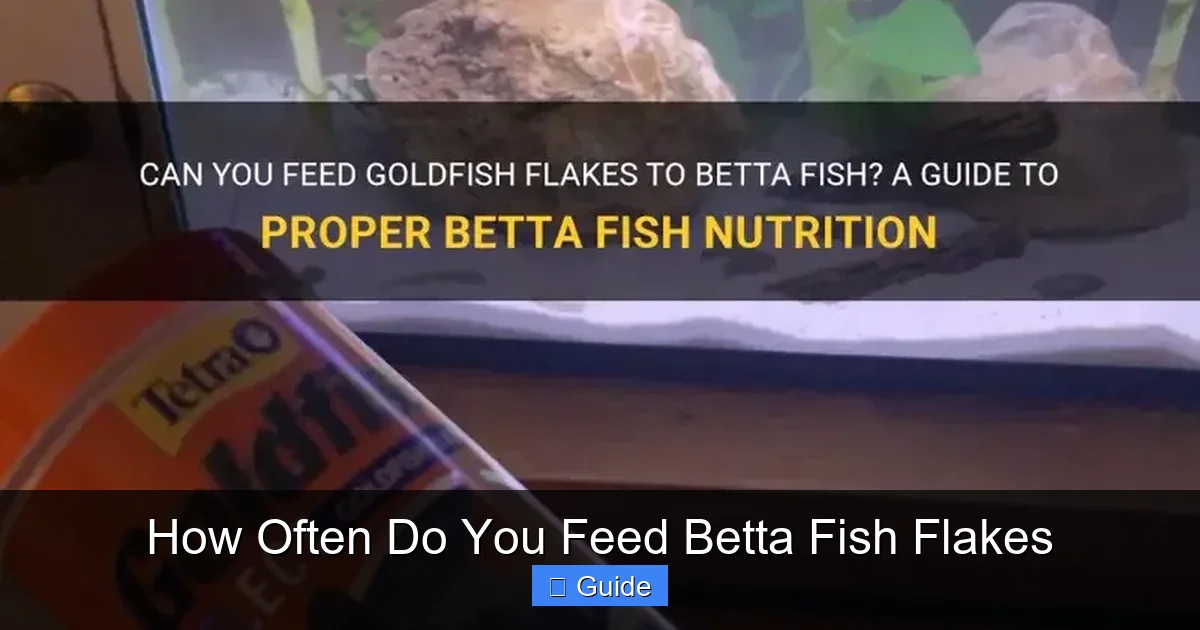
Can I use regular tropical fish flakes for my betta?
You should not. Regular tropical flakes are formulated for omnivores and contain high levels of plant matter and fillers that bettas cannot digest. This will lead to constipation and poor health. Always choose food specifically labeled for “Betta” or “Carnivore/Cichlid” fish, as these have the high animal protein content bettas require.