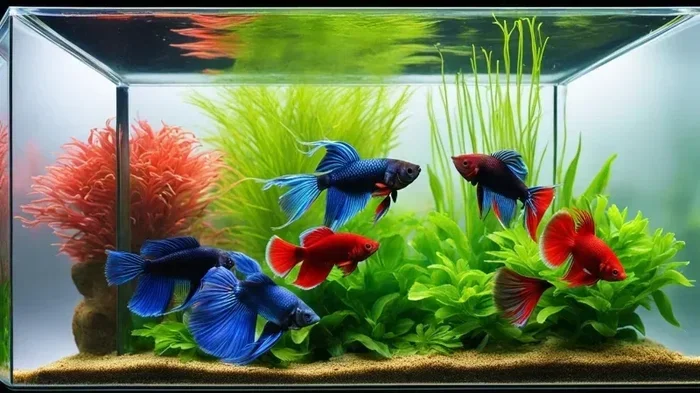
Can Betta Fish Eat Plants

Yes, betta fish can eat certain plants, but their diet should remain primarily focused on high-quality pellets and protein-rich foods. Adding live plants to your betta tank offers huge benefits like improved water quality and natural hiding spots. However, not all plants are safe, and some may harm your fish if ingested.
Can betta fish eat plants? This is one of the most common questions new betta owners ask. The short answer is yes, but it is not that simple. Bettas are curious creatures. They explore their surroundings, and sometimes that includes nibbling on the greenery in their tank. Whether you are thinking about adding live plants or wondering if your betta is snacking on your aquarium greenery, this guide covers everything you need to know.
Understanding what betta fish eat and how plants fit into their diet is important for keeping your fish healthy and happy. A balanced betta fish diet is mostly made up of protein-rich foods. Pellets, frozen bloodworms, and brine shrimp should form the foundation of what your betta eats every day. Plants can be a nice addition, but they should never replace proper nutrition.
In this article, we will explore which plants bettas can safely eat, which ones to avoid, and why adding greenery to your tank can be a game-changer for your fish’s well-being. We will also cover practical tips for setting up a planted tank that your betta will love.
Key Takeaways
- Betta fish occasionally nibble on plants: They may eat soft leaves and plant roots, but plants should not replace their main diet.
- Live plants improve tank health: They oxygenate the water, absorb nitrates, and create a natural habitat for your betta.
- Not all plants are safe: Some plants are toxic to bettas, while others like java fern and anubias are completely safe.
- Plastic and silk plants are safe alternatives: They pose no risk if your betta tries to nibble on them.
- Plant roots can be a snack: Bettas sometimes eat plant roots, but this is not a reliable food source.
- Always research before adding plants: Verify that any plant you add to your betta tank is non-toxic and suitable for freshwater aquariums.
📑 Table of Contents
Do Betta Fish Actually Eat Plants?
Many fish owners are surprised to learn that bettas do nibble on plants from time to time. In the wild, bettas live in warm, shallow waters filled with vegetation. They naturally graze on small plant matter, algae, and insects found on leaves. This behavior carries over into captivity, even in a home aquarium.
However, eating plants is not the same as thriving on plants. Bettas are carnivorous by nature. Their digestive systems are built to process protein, not cellulose from plant fibers. This means that while your betta might nibble on a leaf or two, plants cannot provide the complete nutrition they need.
Some bettas are more interested in plants than others. A few fish will ignore greenery completely, while others seem to enjoy chewing on soft leaves. If you notice your betta munching on plants, it is usually not a cause for alarm. It is simply natural curiosity and foraging behavior.
Why Do Bettas Nibble on Plants?
There are a few reasons why bettas interact with plants in their tank. First, boredom can play a role. A betta with nothing to explore may start treating plants as toys or snacks. Second, some bettas nibble on plants to supplement their diet with small amounts of fiber. Third, hungry bettas might try to eat anything they can fit in their mouths, including soft plant leaves.
If your betta is constantly eating plants, it might be a sign that they are not getting enough food. Make sure you are feeding your betta the right amount of high-quality food each day. A well-fed betta is less likely to rely on plants for nutrition.
You might also wonder whether your betta is eating plant roots specifically. If so, check out our detailed guide on do betta fish eat the roots of plants for a deeper look at this behavior.
Safe Plants for Betta Fish Tanks
Not all plants are created equal when it comes to keeping them in a betta tank. Some plants are completely safe and even beneficial. Others can release toxins that harm your fish. Choosing the right plants is essential for a healthy aquarium environment.
Here are some of the best plants to consider for your betta tank:
- Java Fern: This is one of the most popular plants for betta tanks. It is hardy, easy to grow, and completely safe for fish. Java fern has broad leaves that bettas love to rest on.
- Anubias: Another tough and beginner-friendly plant. Anubias grows slowly, which means less trimming and less mess in your tank. Bettas enjoy the broad, dark green leaves.
- Amazon Sword: A larger plant that makes a great centerpiece in bigger tanks. It provides plenty of cover and looks beautiful in a betta setup.
- Java Moss: This low-growing moss is perfect for creating a natural look. It also provides tiny hiding spots for baby fish and shrimp.
- Water Wisteria: A fast-growing plant that helps absorb excess nutrients from the water. Bettas love the feathery leaves for exploring and resting.
When you add live plants to your betta tank, you are doing more than just making it look pretty. Live plants help maintain water quality by absorbing ammonia and nitrates. They also produce oxygen during the day, which benefits your fish. For more information on keeping plants with your betta, read our article on can you put plants in with betta fish.
Plants Bettas Should Avoid
Some plants can be harmful or even deadly to betta fish. Always research a plant before adding it to your aquarium. Here are plants to avoid:
- Peace Lily: While popular in offices, peace lilies are toxic to fish. The calcium oxalate crystals can irritate your betta’s mouth and gills.
- Dieffenbachia (Dumb Cane): This common houseplant is toxic to most aquarium fish. Keep it far away from your tank.
- Pothos: Often used in aquariums, pothos can be safe if the roots are submerged but the leaves stay above water. However, if your betta chews on the leaves, it can cause health problems.
- Philodendron: Similar to pothos, philodendron contains calcium oxalate and should be kept out of reach of your fish.
The safest approach is to stick with plants that are specifically sold for aquarium use. These plants have been tested and are known to be safe for freshwater fish like bettas.
Can Betta Fish Live Off Plants?
Some fish owners wonder if bettas can survive on a plant-based diet. The answer is no. Bettas are obligate carnivores. This means their bodies require animal-based protein to function properly. A diet of only plant matter will lead to malnutrition and serious health problems over time.
While bettas may eat small amounts of plant material in the wild, their primary food sources are insects, larvae, and small crustaceans. In a home aquarium, this translates to high-quality betta pellets, frozen or live foods, and occasional treats like bloodworms.
That said, some plants can serve as a supplementary food source. Certain soft-leaved plants may be nibbled on, and some algae growth on plant leaves can provide a small nutritional boost. But this should never be the main part of your betta’s diet.
If you are curious about whether bettas can truly survive on plants alone, check out our article on can betta fish live off plants for a thorough breakdown.
What Happens If a Betta Eats Too Much Plant Matter?
Eating a few leaves here and there is completely normal and harmless. However, if your betta consumes large amounts of plant matter regularly, it can cause digestive issues. Plant fibers are difficult for bettas to break down. This can lead to bloating, constipation, and loss of appetite.
If you notice your betta having trouble swimming or a swollen belly after eating plants, reduce the amount of greenery in the tank and increase their regular food intake. A healthy betta should have a good appetite and a streamlined body shape.
Benefits of Plants in a Betta Fish Tank
Even though bettas cannot live on plants alone, adding plants to their tank offers numerous benefits. Here is why you should consider adding greenery to your betta’s home:
- Improved Water Quality: Plants absorb harmful chemicals like ammonia and nitrates. This helps keep the water clean and safe for your fish.
- Natural Hiding Spots: Bettas feel more secure when they have places to hide. Plants create a natural environment that reduces stress and promotes healthy behavior.
- Oxygen Production: During daylight hours, live plants produce oxygen through photosynthesis. This benefits your betta and other tank inhabitants.
- Algae Control: Plants compete with algae for nutrients. A well-planted tank is less likely to develop green algae blooms.
- Visual Enrichment: A planted tank is more stimulating for your betta. The movement of plants in the water current provides natural enrichment.
Live plants also make your tank look more natural and beautiful. A planted betta tank is a joy to look at and provides a much better quality of life for your fish than a bare-bottom tank ever could.
Plastic and Silk Plants: Are They Safe?
If you are not ready to commit to live plants, plastic and silk plants are great alternatives. These fake plants are completely safe for betta fish. There is no risk of toxicity, and your betta can nibble on them all day without any negative effects.
However, there are a few things to keep in mind when choosing fake plants:
- Avoid plants with sharp edges. Bettas have long, delicate fins that can tear on rough plastic.
- Choose silk plants for a more natural look and softer texture.
- Make sure any fake plant is labeled as aquarium-safe. Some decorative plants sold in craft stores may contain harmful dyes or chemicals.
Fake plants require no maintenance, which makes them perfect for beginners. They also come in a wide variety of colors and styles, so you can customize your tank to match your personal taste.
Common Mistakes When Adding Plants to a Betta Tank
Adding plants to a betta tank is generally straightforward, but there are some common mistakes that new fish owners make. Avoiding these pitfalls will help you create a safe and thriving environment for your betta.
Mistake 1: Choosing the Wrong Plants. Not all plants sold at pet stores are safe for aquariums. Always double-check that a plant is aquarium-safe before adding it to your tank. Some plants marketed for terrariums or paludariums can be harmful to fish.
Mistake 2: Overcrowding the Tank. Bettas need open swimming space. Adding too many plants can make the tank feel cramped and restrict your betta’s movement. Aim for a balanced look with plenty of open areas and a few clusters of plants.
Mistake 3: Ignoring Lighting Needs. Live plants need proper lighting to grow. Without enough light, plants will melt and decay, which can harm water quality. Research the lighting requirements of each plant before adding it to your tank.
Mistake 4: Skipping Fertilizer. Plants need nutrients to thrive. Using a quality aquarium fertilizer helps keep your plants healthy and prevents them from turning yellow or brown.
If you want more tips on creating the perfect planted environment for your betta, our guide on can betta fish have plants in their tanks covers everything in detail.
Expert Tips for a Planted Betta Tank
Setting up a planted tank for your betta does not have to be complicated. Here are some expert tips to help you get started:
- Start with easy plants. Java fern, anubias, and java moss are nearly impossible to kill and perfect for beginners.
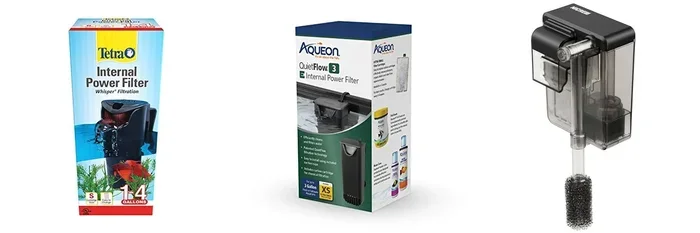
- Use a gentle filter. Bettas do not like strong currents, and a powerful filter can uproot delicate plants.
- Add substrate designed for planted tanks. Nutrient-rich soil helps plants establish strong roots and grow healthy leaves.
- Keep the water warm. Bettas thrive in temperatures between 78 and 80 degrees Fahrenheit, which also supports most tropical aquarium plants.
- Trim dead leaves regularly. This keeps the tank looking clean and prevents decaying plant matter from polluting the water.
With the right setup, a planted betta tank can be one of the most beautiful and healthy environments you can provide for your fish. Your betta will thank you with vibrant colors and active, playful behavior.
Remember that betta fish eating plants is completely normal behavior. It does not mean your fish is hungry or sick. It is simply part of their natural instincts. As long as you provide a balanced diet and safe plant choices, your betta will thrive in a lush, green tank.
Finally, if you are wondering whether your betta can safely eat aquatic plants, the answer is yes, in moderation. Soft, non-toxic aquatic plants can be a fun and occasional treat for your betta. Just make sure their main diet consists of quality betta pellets and protein-rich foods.
Conclusion
So, can betta fish eat plants? Yes, they can, and they sometimes will. But plants should never be the main part of your betta’s diet. These beautiful fish need protein-rich foods to stay healthy and vibrant. Think of plants as a supplement and an enrichment tool, not a food source.
Adding safe plants to your betta tank brings many benefits. Improved water quality, natural hiding spots, and a more beautiful aquarium are just the beginning. Whether you choose live plants or high-quality silk alternatives, your betta will enjoy the enriched environment.
The key is to choose plants wisely, feed your betta properly, and monitor their behavior. With the right setup, you can create a stunning planted tank where your betta fish will live a happy and healthy life. Start small, learn as you go, and enjoy the rewarding experience of keeping a planted betta aquarium.
Frequently Asked Questions
Can betta fish eat live aquarium plants safely?
Yes, betta fish can safely nibble on many live aquarium plants. Safe options include java fern, anubias, and java moss. However, plants should not replace their main diet of protein-rich pellets and frozen foods. Always research any plant before adding it to your betta tank to ensure it is non-toxic.
What happens if my betta eats a toxic plant?
If your betta chews on a toxic plant, it may show signs of irritation, such as flashing against decorations, loss of appetite, or swollen gills. Remove the toxic plant immediately and monitor your fish closely. If symptoms persist, perform a water change and consult a veterinarian who specializes in fish health.
How often do bettas eat plant matter in the wild?
In their natural habitat, bettas occasionally consume small amounts of plant matter, algae, and insects found on leaves. This is not a primary food source but rather a supplement to their mainly insect-based diet. In captivity, this natural behavior continues when plants are present in the tank.
Are silk plants better than live plants for bettas?
Silk plants are a great low-maintenance alternative to live plants. They pose no risk of decaying in the water and require no special lighting or nutrients. However, live plants offer additional benefits like water filtration and oxygen production. Many experienced betta keepers use a combination of both.
Can baby betta fish eat plants?
Baby bettas may nibble on soft plant leaves, but their primary diet should be high-quality baby betta pellets or finely crushed food. Young bettas need plenty of protein for healthy growth. Plants can be present in their tank, but they should not be relied upon as a nutrition source.
Do bettas prefer planted tanks over bare tanks?
Most bettas thrive in planted tanks because the plants provide natural hiding spots and a more comfortable environment. A planted tank also mimics their natural habitat, which can reduce stress and encourage natural behaviors like exploring and building bubble nests.