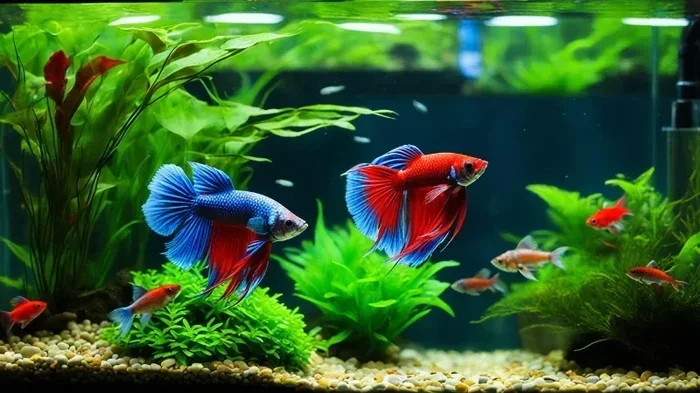
Can a Betta Fish Live in a 1.5 Gallon Tank

Can a betta fish live in a 1.5 gallon tank? While a betta can physically survive in a 1.5 gallon tank, it is not the ideal habitat for long-term health and happiness. Betta fish thrive best in tanks of 5 gallons or larger, where they have room to swim, stable water conditions, and proper filtration. In this guide, we break down everything you need to know about keeping bettas in small tanks.
Key Takeaways
- Survival vs. Thriving: A betta fish can survive in a 1.5 gallon tank but will not thrive without proper care and maintenance.
- Water Quality Is Critical: Small tanks experience rapid changes in water parameters, making frequent water changes essential.
- Tank Size Matters: Larger tanks provide better stability, more swimming space, and a healthier environment for your betta.
- Proper Setup Helps: Adding a heater, filter, and decorations can improve conditions in a 1.5 gallon tank significantly.
- Frequent Maintenance Required: You will need to clean and monitor a small tank much more often than a larger one.
- Alternative Options Exist: Upgrading to a 2 gallon or 5 gallon tank offers a much better quality of life for your betta.
- Expert Recommendation: Most aquarists recommend a minimum of 5 gallons for a single betta fish for optimal health.
📑 Table of Contents
- Can a Betta Fish Live in a 1.5 Gallon Tank? The Full Guide
- Understanding Betta Fish Needs
- Setting Up a 1.5 Gallon Tank for Your Betta
- Challenges of Keeping a Betta in a 1.5 Gallon Tank
- Common Mistakes to Avoid
- Better Tank Size Alternatives
- Expert Insights on Small Tank Keeping
- Signs Your Betta Is Unhappy in a Small Tank
- Maintaining a 1.5 Gallon Tank Properly
- Conclusion
Can a Betta Fish Live in a 1.5 Gallon Tank? The Full Guide
So you are wondering if your betta fish can live comfortably in a 1.5 gallon tank? This is a common question among new fish owners. Many people start with small tanks because they seem easier and more affordable. But the truth is, tank size makes a huge difference for your fish.
Betta fish are tropical creatures that need a proper environment to stay healthy. A 1.5 gallon tank is considered a very small aquarium. It can work temporarily, but it comes with challenges. In this article, we will cover everything about can a betta fish live in a 1.5 gallon tank, including setup tips, common mistakes, and better alternatives.
Understanding Betta Fish Needs
Before we dive into the 1.5 gallon question, let us talk about what bettas actually need. Betta fish (Betta splendens) are popular freshwater fish known for their bright colors and flowing fins. They originate from warm, shallow waters in Southeast Asia.
In the wild, bettas live in rice paddies, streams, and shallow ponds. These environments give them plenty of space to explore. A small tank limits their natural behavior. Bettas are curious and active fish, even though they sometimes appear lazy.
Minimum Tank Size for Bettas
Most experts agree that a 5 gallon tank is the minimum for a single betta fish. Some sources mention 2.5 gallons as a bare minimum. A 1.5 gallon tank falls below these recommendations. While your betta will not immediately die, it may face health issues over time.
If you are set on a small setup, consider can a betta fish live in a 2 gallon tank as a slightly better option. Even that size is small, but it offers a bit more room for stability.
Why Tank Size Matters
Tank size affects several important factors:
- Water stability: Larger tanks dilute toxins faster. Small tanks experience rapid changes in ammonia and nitrite levels.
- Swimming space: Bettas need room to swim and explore. Cramped spaces cause stress.
- Temperature control: Small volumes heat up and cool down quickly. This makes it harder to maintain a consistent temperature.
- Filtration: It is harder to install proper filtration in tiny tanks. Dirty water leads to disease.
- Decoration options: Too few decorations mean a bored fish. Too many in a small tank leave no swimming room.
Setting Up a 1.5 Gallon Tank for Your Betta
If you already have a 1.5 gallon tank or plan to use one, you need to set it up correctly. Proper setup can make a big difference in your betta’s quality of life.
Heating
Bettas are tropical fish. They need warm water between 76°F and 82°F (24°C to 28°C). In a 1.5 gallon tank, a small submersible heater is essential. Without one, your betta may become sluggish and prone to illness.
Use a heater with a thermostat. Small tanks fluctuate in temperature fast. A good heater keeps things steady. Consider an adjustable model so you can fine-tune the warmth.
Filtration
Filtration is tricky in a 1.5 gallon tank. Standard filters are often too powerful and create strong currents. Bettas do not like strong currents. Their long fins get torn easily in fast water.
Look for a gentle filter or a sponge filter. These produce minimal flow. You can also do more frequent water changes to compensate for weaker filtration. Aim for 25-50% water changes every 2-3 days in a tank this small.
For more guidance on filtration, check out can betta fish live in a tank without a filter to understand the risks of going unfiltered.
Tank Decorations
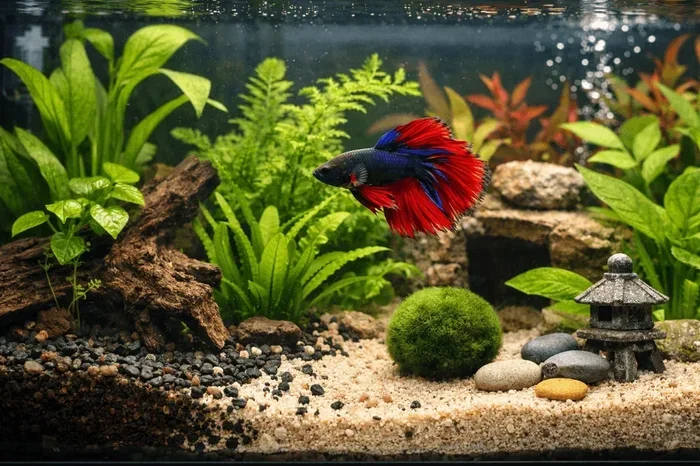
Decorations serve a real purpose beyond looks. They break up the tank layout and give your betta resting spots. Live or silk plants are great choices. Avoid plastic plants with sharp edges that can tear fins.
Add a few smooth rocks or driftwood pieces. A cave or hiding spot gives your betta a place to retreat. Just do not overdo it. In a 1.5 gallon tank, leave plenty of open swimming area.
Lighting
Soft LED lighting works well for a small betta tank. Avoid harsh lights. Your betta needs a day-night cycle to stay healthy. Keep lights on for about 8-10 hours per day.
Challenges of Keeping a Betta in a 1.5 Gallon Tank
Let us be honest. A 1.5 gallon tank presents real challenges. Here are the most common problems fish keepers face:
Water Quality Issues
In a small tank, waste products build up fast. Your betta’s waste, leftover food, and plant debris all contribute to poor water quality. Ammonia spikes can occur within hours in a tank this size.
Even with frequent water changes, it is hard to keep things stable. Parameters like pH, ammonia, nitrite, and nitrate swing more dramatically. These fluctuations stress your fish and weaken its immune system.
Limited Swimming Space
A 1.5 gallon tank is roughly 12 inches by 6 inches at the surface. That is not much space for any fish, even a small one. Bettas may stop swimming and exploring. This leads to boredom and behavioral issues.
Some bettas in small tanks develop repetitive swimming patterns. This is a sign of stress. A larger tank encourages natural movement and exploration.
Temperature Fluctuations
Small water volumes lose heat quickly. Room temperature changes, light sources, and even drafts can shift the water temperature. A heater helps, but maintaining consistency is harder in a tiny tank.
Cold water slows a betta’s metabolism. Over time, this leads to digestive problems and a weakened immune system. Stable warmth is key to a happy betta.
Equipment Limitations
Not all filters and heaters are designed for tanks under 2 gallons. Finding the right equipment can be tricky. Oversized filters create strong currents. Tiny heaters may not regulate properly.
This is why many experienced hobbyists recommend can a betta fish live in a small tank only with careful planning and the right gear.
Common Mistakes to Avoid
Even experienced fish keepers make mistakes with small tanks. Here are pitfalls to watch out for:
- Skipping the heater: Room temperature is rarely warm enough for bettas. Always use a heater.
- Overfeeding: Small tanks pollute faster. Feed tiny amounts once or twice daily.
- Ignoring water changes: Do not wait until the water looks dirty. Change it frequently.
- Adding too many fish: A 1.5 gallon tank should only hold one betta. No tank mates in this size.
- Using gravel as substrate: Gravel traps debris and is hard to clean in small tanks. Use a fine sand or no substrate at all.
- Placing the tank in direct sunlight: Sunlight causes temperature spikes and algae blooms.
- Using harsh decorations: Rough plastic plants and sharp ornaments can damage delicate fins.
Quick Tips for a 1.5 Gallon Tank
- Do 50% water changes every 2 days.
- Keep water temperature between 78°F and 80°F.
- Use a gentle sponge filter or do manual filtration.
- Add silk plants for resting spots.
- Feed small portions and remove uneaten food immediately.
- Test water parameters at least once a week.
Better Tank Size Alternatives
If you want the best for your betta, consider upgrading. Even a small upgrade makes a huge difference. Here is a comparison of tank sizes:
| Tank Size | Suitability | Maintenance Level |
|---|---|---|
| 1.5 Gallon | Bare minimum, temporary | Very High |
| 2 Gallon | Slightly better | High |
| 5 Gallon | Recommended minimum | Moderate |
| 10 Gallon | Ideal for bettas | Low to Moderate |
A 5 gallon tank strikes the best balance. It is easy to maintain, stable, and gives your betta room to thrive. If you want to explore more options, read about can a betta fish live in a 30 gallon tank for community setups.
Some hobbyists enjoy keeping bettas in larger tanks with other species. If this interests you, look into which fish can live with betta fish in a tank for compatible tank mates.
Expert Insights on Small Tank Keeping
Professional aquarists generally advise against keeping bettas in tanks under 5 gallons long-term. Dr. Linda Stevens, a tropical fish specialist, notes: “Bettas in small tanks show higher stress markers and shorter lifespans. A larger environment dramatically improves their well-being.”
The key takeaway is that a 1.5 gallon tank is manageable short-term. But it should not be a permanent home. If you are a beginner, start with at least a 5 gallon tank. It will save you time on maintenance and give your fish a better life.
For more on betta care in different environments, explore can betta fish be happy in a 2 gallon tank to understand how tank size affects happiness and behavior.
Signs Your Betta Is Unhappy in a Small Tank
Not sure if your betta is struggling? Watch for these warning signs:
- Clamped fins: Fins held close to the body signal stress or illness.
- Boredom behavior: Glass surfing (swimming against the walls repeatedly) indicates a cramped space.
- Color fading: A healthy betta is vibrant. Dull colors often mean poor health or stress.
- Loss of appetite: A stressed betta may stop eating.
- Rapid gill movement: This can indicate poor water quality or oxygen deficiency.
- Lethargy: Unusual stillness at the bottom of the tank is a red flag.
If you notice any of these signs, consider upgrading the tank. Improving the environment can reverse many of these symptoms quickly.
Maintaining a 1.5 Gallon Tank Properly
If you choose to keep your betta in a 1.5 gallon tank, follow a strict maintenance routine. Here is a step-by-step plan:
- Daily: Check the temperature. Observe your betta’s behavior. Remove uneaten food.
- Every 2 days: Change 40-50% of the water. Use a siphon to remove debris from the bottom.
- Weekly: Clean the glass. Test water parameters (ammonia, nitrite, nitrate, pH). Rinse filter media in old tank water.
- Monthly: Inspect equipment. Trim any live plants. Check heater function.
This schedule sounds demanding. That is because it is. A larger tank with proper equipment simplifies everything. But if you are committed, a 1.5 gallon tank can work temporarily.
Conclusion
So, can a betta fish live in a 1.5 gallon tank? Yes, but it is not ideal. Your betta can survive in this small volume, but it deserves better. A 1.5 gallon tank requires intense maintenance and offers limited space. Water quality issues arise fast, and temperature control is a constant challenge.
If you are a beginner, start with at least a 5 gallon tank. Your betta will be healthier, happier, and more active. If you already have a 1.5 gallon setup, use the tips in this guide to give your fish the best possible care. Upgrade when you can. Your betta will thank you with vibrant colors and active behavior.
Give your betta the space it deserves. A little investment in a bigger tank goes a long way. Happy fish keeping!
Frequently Asked Questions
Can a betta fish survive in a 1.5 gallon tank long term?
A betta fish can survive in a 1.5 gallon tank, but it is not recommended for long-term keeping. Water quality issues and limited space can lead to health problems over time. Most experts suggest a minimum of 5 gallons for a permanent home.
How often do I need to change water in a 1.5 gallon tank?
You should change 40-50% of the water every 2 days in a 1.5 gallon tank. This helps keep ammonia and nitrite levels safe for your betta. Consistent water changes are the most important part of small tank care.
Can I add other fish to a 1.5 gallon tank with my betta?
No, you should never add other fish to a 1.5 gallon tank. The space is too small for multiple fish. Even a single betta is better off in a larger tank. Overcrowding leads to stress, disease, and poor water quality.
Do I need a filter in a 1.5 gallon betta tank?
Yes, you should use a gentle filter such as a sponge filter. Strong filters create currents that bettas struggle with. If you cannot fit a suitable filter, you will need to do even more frequent water changes to maintain water quality.
What temperature should a 1.5 gallon betta tank be?
Keep the water temperature between 76°F and 82°F (24°C to 28°C). The ideal range is 78°F to 80°F. Use a small submersible heater with a thermostat to maintain consistent warmth. Cold water makes bettas sick.
Is a 1.5 gallon tank cheaper to maintain than a 5 gallon tank?
A 1.5 gallon tank costs less upfront but is more expensive to maintain long-term. Frequent water changes, careful monitoring, and equipment challenges add up. A 5 gallon tank is more stable and costs less over time in maintenance supplies and effort.
=== META TITLE ===
Can a Betta Fish Live in a 1.5 Gallon Tank? Expert Guide 2024
=== URL SLUG ===
can-a-betta-fish-live-in-a-1-5-gallon-tank
=== SEO TITLE ===
Can a Betta Fish Live in a 1.5 Gallon Tank? Full Guide & Tips