Which Fish Can Live with Betta
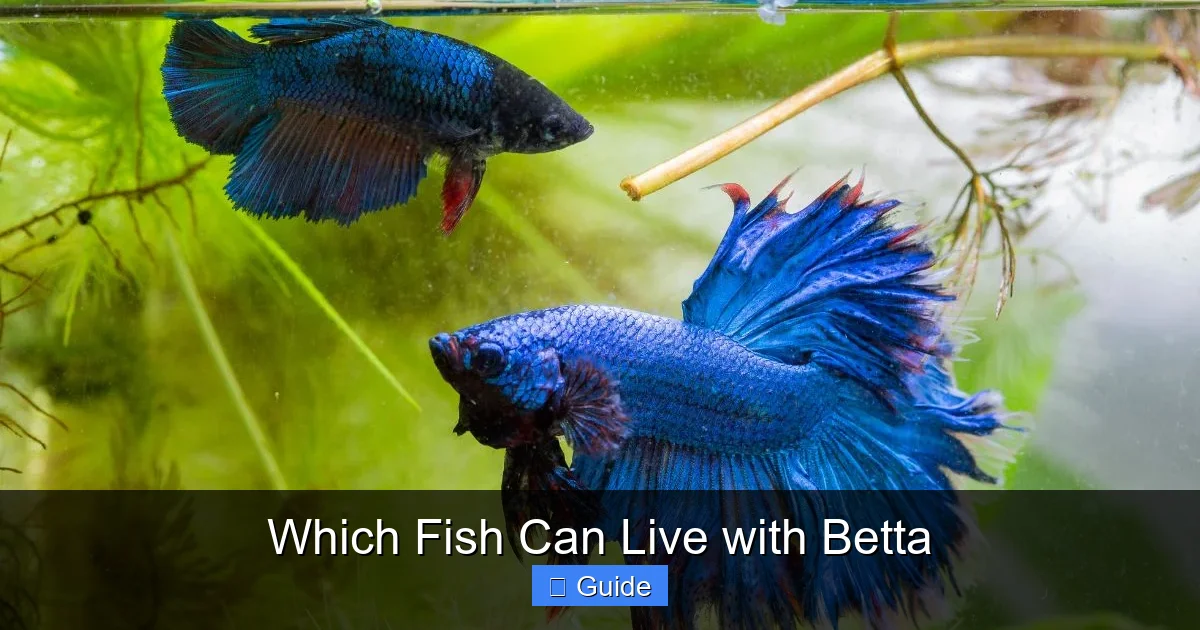
Betta fish, often stereotyped as solitary aggressors, can successfully share a tank with carefully chosen, peaceful tank mates. Success hinges on understanding your individual betta’s temperament, providing a spacious and well-decorated aquarium, and selecting species that are neither flashy nor finniers. This guide details the best companions, critical setup rules, and a proper introduction process to create a thriving community tank.
Key Takeaways
- Your Betta’s Personality is Key: Some bettas are naturally more tolerant than others. Always observe your individual fish’s behavior before and after adding tank mates.
- Tank Size is Non-Negotiable: A minimum of 20 gallons is strongly recommended for a community tank with a betta to provide enough space and reduce territorial disputes.
- Avoid Flashy or Fin-Nipping Species: Never house bettas with fish that have long, flowing fins (like male guppies) or bright, bold colors that mimic a rival betta.
- Prioritize Peaceful, Fast-Moving Bottom-Dwellers: Species like Corydoras catfish and Kuhli loaches are excellent choices as they occupy different tank levels and are too busy to bother a betta.
- Betta Sororities Require Special Planning: Keeping groups of female bettas is possible but demands a large, heavily planted tank (30+ gallons) and a carefully selected group of 5+ individuals to diffuse aggression.
- The Introduction Process is Crucial: Always use a tank divider or quarantine tank for introductions. Monitor closely for the first 48 hours for signs of stress or aggression.
- A Well-Planted Tank is Your Best Tool: Live or silk plants, driftwood, and rock caves provide essential hiding spots and sight breaks, making all fish feel more secure.
📑 Table of Contents
- Understanding the Betta: More Than Just a “Fighting Fish”
- The Golden Rules of a Successful Betta Community Tank
- Top-Tier Tank Mate Candidates: The Peaceful & The Swift
- Species to Avoid: The High-Risk List
- The Introduction Protocol: Patience is a Virtue
- Long-Term Maintenance & Observation
- Conclusion: A Rewarding Endeavor with the Right Approach
Understanding the Betta: More Than Just a “Fighting Fish”
When you picture a betta fish, or Siamese fighting fish, the image that likely comes to mind is a solitary, flaring male in a tiny, isolated cup. While it’s true that male bettas are notoriously territorial and aggressive toward other male bettas, this reputation has unfairly cast them as impossible community fish. The reality is far more nuanced. With careful planning, the right environment, and a thoughtful selection of tank mates, many bettas can and do thrive in peaceful community aquariums. The key is to move beyond the stereotype and understand the betta as a complex, individual personality with specific needs and tolerances.
Bettas are labyrinth fish, meaning they breathe atmospheric air from the surface. This adaptation makes them prone to gulping air and less dependent on high-oxygen water, but it also means they need access to the water’s surface without constant obstruction. Their native habitat is the shallow, slow-moving rice paddies and streams of Southeast Asia, environments filled with dense vegetation, roots, and leaf litter. Replicating this structured, plant-filled world in your aquarium is the first and most critical step to success. A bare tank is a stress factory for a betta, offering no places to hide or retreat, which amplifies any territorial instincts.
The Myth of the Universal Sorority
A common point of confusion is the “betta sorority”—a group of female bettas. Unlike males, females can often be kept in groups, but this is not a casual endeavor. A sorority requires a substantial tank (30 gallons or more), an extremely heavy planting of live or robust silk plants to break lines of sight, and the introduction of all females simultaneously as juveniles. The hierarchy establishes quickly, and a poorly planned sorority can lead to constant bullying, injury, and death. For a beginner, a single male or female betta in a community setting is a far safer and more predictable starting point.
The Golden Rules of a Successful Betta Community Tank
Before we even discuss specific fish species, we must establish the foundational rules. These are not suggestions; they are mandatory requirements for the health and safety of your betta and any potential tank mates. Ignoring these guidelines is the primary reason most betta community attempts fail.
Visual guide about Which Fish Can Live with Betta
Image source: buildyouraquarium.com
First and foremost: tank size. The ubiquitous “betta in a vase” is a cruel myth. A single betta should have at least a 5-gallon tank to itself. To add tank mates, you must significantly increase that volume. The absolute minimum for a community tank with a betta is 20 gallons, but 30 gallons or more is ideal. This extra space dilutes the betta’s territory, provides multiple hiding spots, and allows for a more stable bio-load. A larger water volume also means more stable parameters, which is crucial for the sensitive labyrinth organ.
Aquascaping for Harmony
Your tank’s layout is your primary tool for managing behavior. The goal is to create a maze where fish cannot maintain constant visual contact. Use a combination of:
- Dense planting: Live plants like Java fern, Anubias, and Cryptocorynes are excellent, low-maintenance options. Silk plants are a perfect alternative if live plants feel daunting.
- Vertical structure: Use driftwood, tall rock structures, and stacked stones to create levels. This gives fish different “floors” to inhabit.
- Substrate variation: A mix of sand and smooth gravel can create natural-looking terrain. Avoid sharp edges that could damage delicate betta fins.
- Caves and tunnels: Provide at least one cave or overhang per fish species in the tank. Terra cotta pots (with holes plugged) are cheap and effective.
Always secure your lid! Bettas are notorious jumpers, especially when stressed or spooked. A tight-fitting lid is a non-negotiable safety feature.
Top-Tier Tank Mate Candidates: The Peaceful & The Swift
Now, for the fun part. The most successful betta tank mates share several key characteristics: they are peaceful, do not resemble bettas (no long fins, no bright red/blue colors), are not known fin-nippers, and actively swim in different parts of the tank. Here are the most reliably compatible species, broken down by their preferred swimming level.
Visual guide about Which Fish Can Live with Betta
Image source: buildyouraquarium.com
Top Mid-to-Top Level Swimmers
These fish share the betta’s open water space but are either too small, too fast, or too plain to trigger aggression.
- Harlequin Rasboras (Trigonostigma heteromorpha): The gold standard for betta companions. They are a peaceful, active schooling fish (keep in groups of 6+) with a subtle orange mark and a black triangle. They are fast enough to evade a curious betta and prefer the upper-middle levels.
- Ember Tetras (Hyphessobrycon amandae): Tiny, fiery orange tetras that are almost always hyperactive and non-confrontational. Their small size and constant, swift movement make them poor targets for a betta. They require a group of 8-10 to feel secure.
- Celestial Pearl Danios (Danio margaritatus): Also known as Galaxy Rasboras, these are stunning, tiny fish with a speckled pattern. They are shy but active and do well in planted tanks. Their preference for the upper levels and darty behavior makes them good candidates.
- White Cloud Mountain Minnows (Tanichthys albonubes): A hardy, cold-water tolerant fish (a rarity) with a peaceful demeanor and a subtle red stripe. They are active swimmers and generally ignore bettas. They prefer to be in groups of 5+.
The Essential Bottom-Dwellers
These fish are arguably the safest additions because they occupy a completely different niche. A betta focused on the surface and mid-levels is unlikely to even notice a busy catfish on the substrate.
- Corydoras Catfish: There are many species (Pygmy, Habrosus, Panda, etc.), but all share the same charming, peaceful, schooling nature. They are social and must be kept in groups of at least 5. They sift the sand for food and are completely harmless. Their spiny fins are a deterrent, but they are not aggressive.
- Kuhli Loaches (Pangio kuhlii): Eel-like, nocturnal, and utterly fascinating. They burrow into the substrate and hide during the day, emerging at dusk. They are completely non-threatening and require a soft substrate and plenty of hiding places. Keep in groups of 3+.
- Bristlenose Plecos (Ancistrus sp.): A small, armored pleco species (growing to 4-5 inches) that is generally algae-eating and reclusive. They are a good choice for algae control but require driftwood in their diet. Some individuals can be grumpy, so observation is key. Avoid larger, more aggressive pleco species.
The Shrimp & Snail Squad
Invertebrates can add amazing color and activity with minimal bioload.
- Amano Shrimp (Caridina multidentata): The largest common aquarium shrimp (2-3 inches). They are excellent algae eaters, very active, and too big to be considered a snack by most bettas. Their quick, darting movements keep them safe.
- Ghost Shrimp / Glass Shrimp (Palaemonetes sp.): Transparent and fast, these are cheap, hardy cleaners. They breed readily. Their transparency is an advantage, as a betta may not recognize them as food as easily.
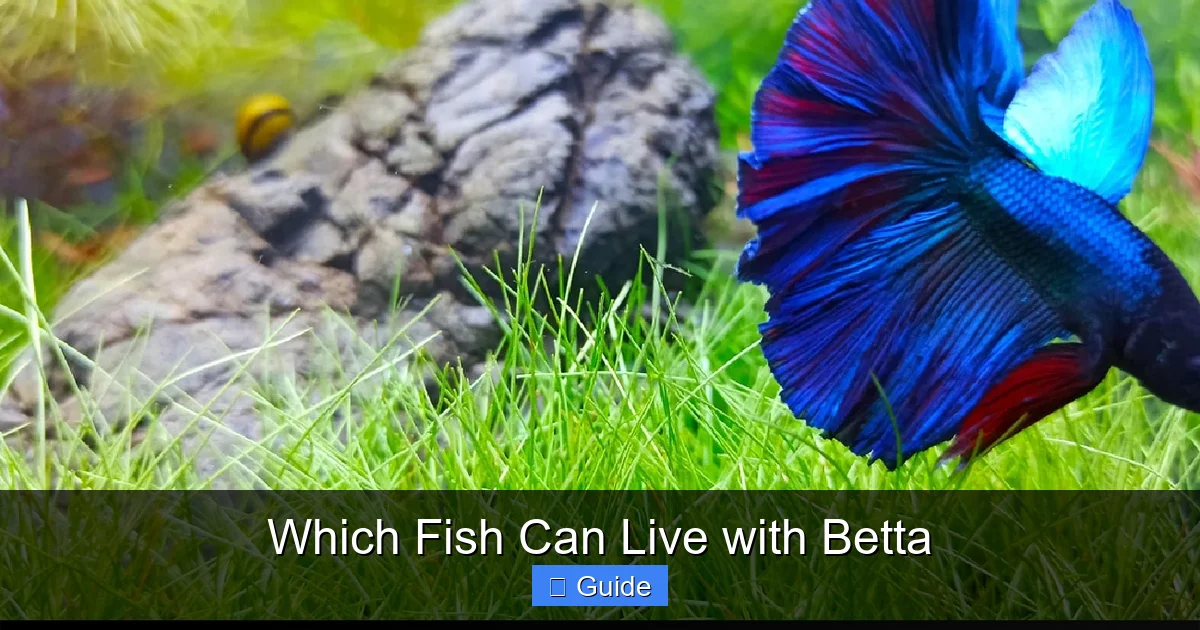
- Nerite Snails: The best snail choice. They have a hard, patterned shell that a betta cannot eat, and they do not reproduce in freshwater (no snail explosion). They are fantastic at cleaning algae off glass and décor.
- Rubberband or Rabbit Snails: Larger, slow-moving snails with interesting shapes. Their size and tough shell make them safe. They are also livebearers, so population control is easy.
- Any other Betta (male with male, male with female unless breeding): This is the cardinal rule. Male bettas will fight to the death. Female sororities are a specialized exception, not a rule for cohabitation.
- Fancy Guppies (especially males): Their long, flowing caudal fins are an irresistible target for a betta, who will often nip them to shreds, mistaking them for a rival male betta.
- Other Long-Finned Fish: This includes Fancy Goldfish, some Angelfish, and some male Swordtails. The principle is the same: flowing fins trigger aggression.
- Brightly Colored, Active Fish: Species with intense reds, blues, or oranges (like some male Swordtails, some Parrot Cichlids, or male Killifish) can be seen as visual rivals, provoking constant flaring and stress.
- Known Fin-Nippers: This includes some species of Tiger Barbs, Serpae Tetras, and even some Danios. They will take chunks out of your betta’s beautiful fins, leading to infection.
- Aggressive or “Nippy” Cichlids: Most cichlids (except perhaps some very small, peaceful dwarf cichlids like Apistogramma in a *very* large, expertly aquascaped tank) are far too aggressive and territorial.
- Large, Fast-Eating Fish: Species like some larger tetras or barbs can outcompete your betta for food at the surface, leading to your betta being underfed and stressed.
- Mollies & Platies: Generally peaceful, but some individuals can be nippy. Their high activity might stress a very shy betta.
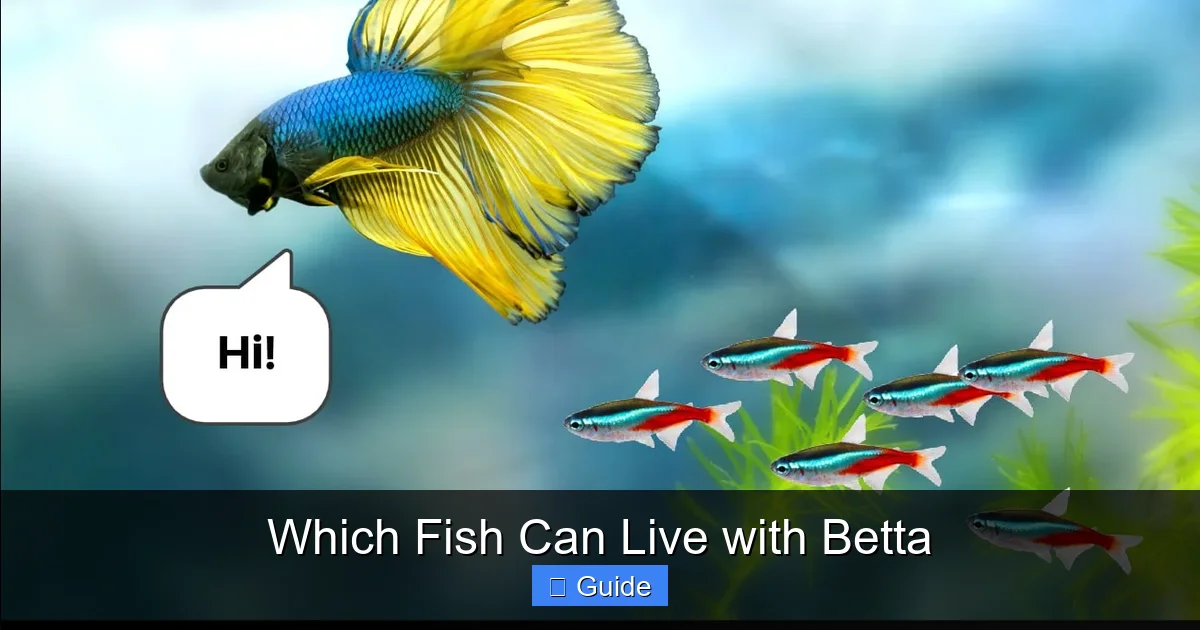
- Smaller Tetras (Neon, Cardinal): Classic community fish, but their shimmering stripes can sometimes be mistaken for rival betta flashes. They also prefer to be in large schools (10+), which adds bioload.
- Dwarf Gouramis (Colisa lalia): They are related to bettas and can sometimes be kept together in a *very* large, heavily planted tank. However, they often carry the same aggressive, territorial genes and are just as likely to fight as befriend. Not recommended for beginners.
- Quarantine First: Any new fish should be quarantined in a separate tank for at least 2-4 weeks to observe for diseases like Ich or velvet before being introduced to your main display. This protects your entire ecosystem.
- The Divider Method (Best Practice): Place the divider in your main tank. Put the betta on one side and the new fish on the other for 24-48 hours. This allows them to see and sense each other’s presence without physical contact. Observe: does your betta flare constantly at the divider, or does it largely ignore the new fish?
- The “New Fish in the Main Tank” Method: If using a divider isn’t possible, add the new fish to the fully cycled, decorated main tank first. Let them acclimate and establish territories for a full day. Then, add your betta last using a floating bag or cup in the tank for 30 minutes to acclimate to the temperature. Release the betta near a hiding spot or plant cover, not in the open.
- Initial Monitoring: For the first 48-72 hours, watch the tank constantly, especially during feeding. Be ready with a net or divider to separate any fish if a chase becomes relentless. Some initial flaring and posturing is normal as a hierarchy is established, but it should subside quickly.
- Signs of Success vs. Failure:
Success: The betta occasionally flares but returns to normal behavior. Fish establish separate territories. All fish are eating well and resting normally.
Failure (Immediate Action Needed): The betta relentlessly chases and attacks another fish, causing physical damage (torn fins, missing scales). The betta or tank mate is hiding constantly and not eating. In this case, you must separate them immediately. It is not safe to “let them work it out.” Have a backup plan—a separate “hospital” or solo tank for the betta or the bullied fish.
Important Note: Small shrimp like Cherry Shrimp (Neocaridina) are a high-risk gamble. A curious or hungry betta may see them as a snack. It can work with a very mellow betta in a heavily planted tank, but it should not be expected.
Species to Avoid: The High-Risk List
Just as important as knowing who to try is knowing who to avoid at all costs. These species are frequent causes of betta stress, injury, and death.
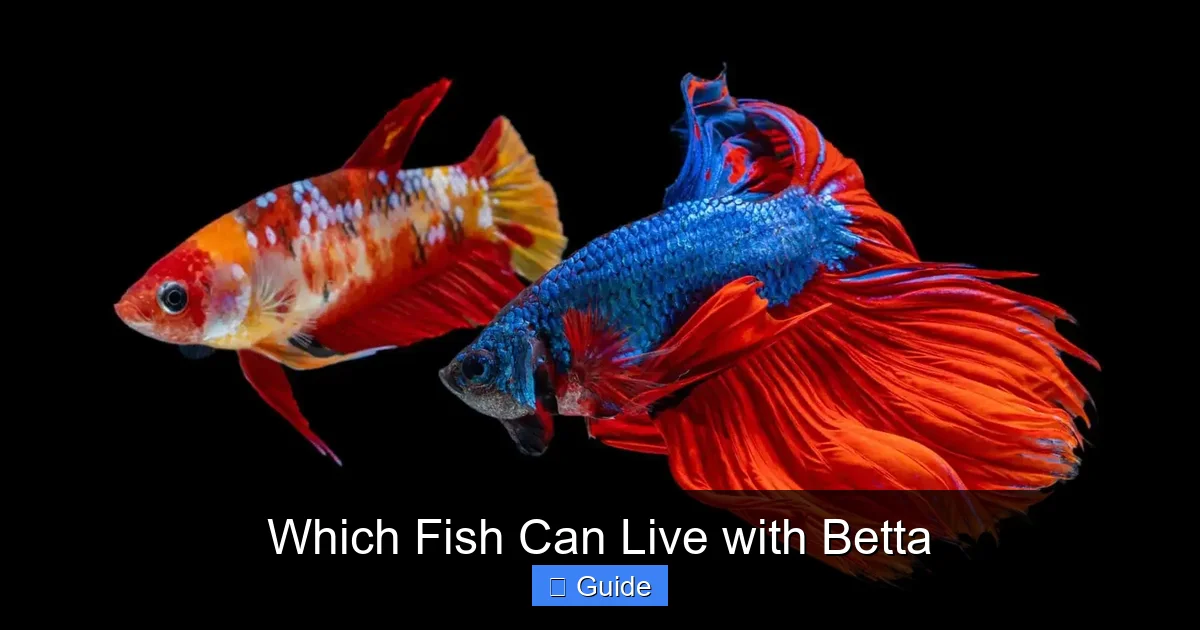
Visual guide about Which Fish Can Live with Betta
Image source: bettasource.com
The “It Depends” Category
Some fish are borderline and highly dependent on your specific betta’s personality and tank setup. These include:
The Introduction Protocol: Patience is a Virtue
You have your 30-gallon, densely planted tank. You’ve chosen a school of Harlequin Rasboras and a corydoras trio. Now what? Rushing the introduction is the fastest way to disaster. You must follow a careful process.
Long-Term Maintenance & Observation
Creating a peaceful community is not a “set it and forget it” achievement. It requires ongoing diligence.
Feeding Strategy: Bettas are surface feeders. To prevent your betta from monopolizing food, use a feeding ring or target feed the betta first with its high-quality pellets. Then, sprinkle food for the mid-level and bottom dwellers. This ensures everyone gets their share. Consider using a turkey baster to blast food (like blanched zucchini or algae wafers) to the bottom for your catfish and loaches.
Water Quality: A community tank has a higher bioload. Perform regular water changes (25-50% weekly) and monitor ammonia, nitrite, and nitrate levels religiously. Stress from poor water quality is a major trigger for aggression and disease.
Continuous Observation: Behavior can change. A once-peaceful betta may become more territorial as it matures. A new tank mate might unexpectedly become a bully. Be prepared to make adjustments—sometimes adding more plants or a second school of dither fish (fast, peaceful swimmers that distract the betta) can diffuse tension. Other times, a fish must be rehomed. The well-being of all your fish is the priority.
Conclusion: A Rewarding Endeavor with the Right Approach
The question “which fish can live with a betta?” does not have a single, simple answer. The answer is a combination of: a properly sized and aquascaped tank, a deep understanding of your individual betta’s personality, and the judicious selection of peaceful, compatible species that occupy different niches. By following the golden rules—prioritizing space, providing abundant cover, avoiding flashy rivals, and introducing with patience—you can shatter the myth of the lonely, aggressive betta. You can create a stunning, dynamic community aquarium where your betta is just one fascinating character in a vibrant underwater world. Remember, you are the architect of this environment. Build it wisely, observe attentively, and be prepared to adapt. The reward of seeing a betta flourish alongside its peaceful tank mates is one of the most satisfying experiences in the freshwater aquarium hobby.
Frequently Asked Questions
Can a betta live with shrimp?
It depends entirely on your betta’s personality and the shrimp species. Larger, fast shrimp like Amanos have a good chance of survival in a heavily planted tank with a calm betta. Small, colorful shrimp like Cherry Shrimp are often viewed as food and have a high risk of being eaten. It’s a calculated risk, not a guarantee.
How many tank mates can I add with my betta?
Quality is far more important than quantity. In a 20+ gallon tank, a small school of 5-6 peaceful fish (like harlequin rasboras) plus a small group of 5+ Corydoras catfish is a very safe and balanced load. Never overcrowd the tank; always research the adult size and bioload of any species you add.
What are the first signs my betta is stressed by a tank mate?
Look for constant flaring (gills extended) at a specific fish, relentless chasing that doesn’t stop, hiding all day and refusing to eat, faded or clamped fins, and lying on the tank bottom lethargically. These are signs of severe stress that require immediate intervention.
My betta flares at its reflection. Will it flare at tank mates?
Flaring at its reflection is a response to what it perceives as an intruder in its territory. This indicates your betta is quite territorial. While it doesn’t automatically mean it will attack tank mates, it’s a strong warning sign that you must be exceptionally careful with introductions and provide an environment with minimal reflective surfaces and plenty of visual barriers.
Can I keep a male and female betta together?
Not as permanent tank mates. Male and female bettas will breed if kept together long-term, but the male is just as likely to be aggressive toward the female, and vice-versa. The only safe time to house them together is in a separate, planted breeding tank for the purpose of spawning, after which the female should be removed immediately.
Is it better to get a young or old betta for a community tank?
A young betta (a juvenile) is often a better candidate. They are more adaptable and can grow up with tank mates, sometimes becoming more tolerant. However, an adult betta with a known, calm temperament from a reputable source can also be perfect. Avoid “feeder” or “fighting” bettas, as they are almost universally aggressive and unhealthy.