Can a Betta Fish Live Alone

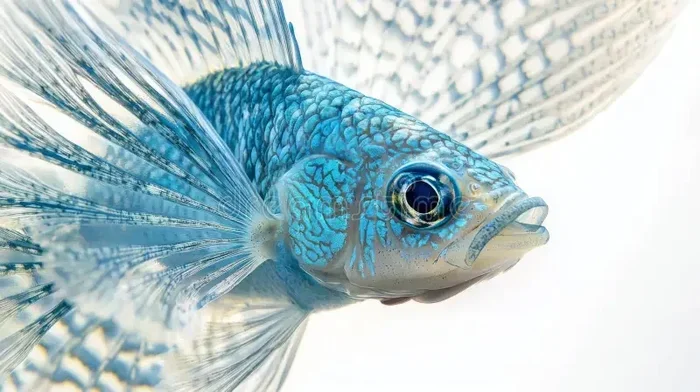
Can a betta fish live alone? Yes, betta fish are perfectly happy living solo. These vibrant fish are known as “Siamese fighting fish” because they prefer to be on their own. A single betta in a properly set up tank can live a long, healthy, and colorful life. You do not need tank mates or companions for your betta to thrive.
Can a betta fish live alone? This is one of the most common questions new fish owners ask. The short answer is yes. Betta fish, also called Siamese fighting fish, are built to thrive on their own. They do not need friends, tank mates, or companions to be happy. In fact, most bettas do better when they live alone.
If you are thinking about getting a betta fish, you are in the right place. This guide covers everything you need to know about keeping a betta fish alone. We will talk about tank setup, feeding, enrichment, and common mistakes new owners make. By the end, you will feel confident about giving your betta a great solo life.
Key Takeaways
- Betta fish are solitary by nature: They prefer to live alone and can become stressed with aggressive tank mates.
- A proper tank setup is key: A minimum 5-gallon tank with a filter and heater keeps a solo betta healthy.
- Live plants and decorations help: They reduce stress and make your betta feel safe in its environment.
- Feeding a solo betta is simple: They do not need special diets just because they live alone.
- Watch for signs of boredom: Even alone, bettas need stimulation like hiding spots and gentle water flow.
- A betta can live 3 to 5 years alone: With proper care, solo bettas often outlive those in crowded tanks.
📑 Table of Contents
Why Betta Fish Are Naturally Solitary Creatures
Betta fish come from the warm, shallow waters of Southeast Asia. In the wild, they live in rice paddies, flood plains, and slow-moving streams. These environments do not leave much room for socializing. Over time, bettas evolved to be independent and territorial creatures.
Male bettas, in particular, are known for their aggressive streaks. If you put two male bettas in the same tank, they will fight. This is why they earned the name “fighting fish.” Female bettas can sometimes live together in small groups, but even they prefer their own space most of the time.
So when you ask, can a betta fish live alone, the answer comes down to biology. These fish are not lonely in the way humans are. They do not feel the need for constant social interaction. A solo betta fish can live a full and enriched life without any tank mates at all.
The Science Behind Betta Solitude
Studies on betta behavior show that solitary bettas display fewer signs of stress than those housed with aggressive species. When a betta feels safe in its own territory, it shows off its colors more. It swims more actively and eats better. A stressed betta, on the other hand, may hide, lose color, or stop eating.
Keeping your betta alone also means you avoid common health problems caused by overcrowding. Poor water quality from too many fish leads to ammonia spikes. These spikes can harm your betta’s fins and overall health. A single betta in a well-maintained tank is much easier to care for.
Setting Up the Perfect Solo Betta Tank
A common myth is that bettas can live in tiny bowls. This is not true. While a betta can survive in a small container for a short time, it will thrive in a proper tank. If you want your solo betta to live its best life, you need to set up the right environment.
Most experts recommend a minimum tank size of 5 gallons for a single betta. This gives your fish enough room to swim and explore. A one gallon tank is too small for long-term health. The bigger the tank, the better your betta will feel.
Essential Equipment for a Solo Betta
Here is a simple list of what your solo betta tank needs:
- Filter: A gentle sponge filter keeps the water clean without creating too much current. Bettas prefer slow-moving water.
- Heater: Bettas need warm water, ideally between 76 and 82 degrees Fahrenheit.
- Thermometer: This helps you monitor the temperature every day.
- Substrate: Soft gravel or sand works well for a betta tank.
- Decorations: Add caves, plants, and hiding spots to make your betta feel secure.
You can also add live water plants to the tank. Plants like java fern, anubias, and amazon sword provide natural cover. They also help keep the water clean by absorbing nitrates. Your betta will love resting on broad leaves, just like it would in the wild.
Can You Keep a Betta in a Tank Without a Filter?
Some owners wonder if they can skip the filter. Technically, a betta can survive in a tank without a filter, but it requires more frequent water changes. A filter makes your life easier and keeps the water stable. For a solo betta, a gentle sponge filter is the best choice.
Feeding Your Solo Betta Fish
Feeding a betta that lives alone is straightforward. Bettas are carnivorous by nature. They need a protein-rich diet to stay healthy and colorful. You do not need to worry about feeding multiple fish, which makes mealtime simple.
Here is what a good betta diet looks like:
- High-quality betta pellets: These should be the staple of your betta’s diet. Look for pellets with a high protein content.
- Frozen or live foods: Bloodworms, brine shrimp, and daphnia make excellent treats.
- Occasional variety: Soak freeze-dried foods before feeding to prevent bloating.
Feed your betta once or twice a day. Give it only what it can eat in about two minutes. Overfeeding is a common mistake that leads to constipation and poor water quality. A clean tank means a happy solo betta.
Keeping a Solo Betta Mentally Stimulated
Even though bettas live alone, they still need mental stimulation. A bored betta may start displaying repetitive behaviors or lose interest in food. You can prevent this by enriching the tank environment.
Easy Ways to Enrich Your Betta’s Solo Life
Here are some simple ideas to keep your betta engaged:
- Add a betta hammock: These floating platforms give your betta a place to rest and observe its surroundings.
- Use a mirror briefly: Showing your betta its reflection for a few minutes each day can trigger natural behaviors. Do not leave it on too long, as this can cause stress.
- Rearrange decorations: A fresh layout gives your betta something new to explore.
- Introduce gentle water flow: A small bubbler or adjusted filter output can make the environment more interesting.
These small touches go a long way. A stimulated betta is a healthy betta. Even living alone, your fish can have a rich and active life.
Common Mistakes People Make With Solo Bettas
Many new betta owners make avoidable mistakes. Learning what not to do is just as important as knowing what to do. Here are the most common errors people make when keeping a betta fish alone.
| Mistake | Why It Is Harmful | What to Do Instead |
|---|---|---|
| Keeping the betta in a tiny bowl | Limits movement and causes stress | Use at least a 5-gallon tank |
| Skipping the heater | Cold water weakens the immune system | Keep water between 76-82°F |
| Overfeeding | Leads to bloating and dirty water | Feed small amounts twice a day |
| Adding aggressive tank mates | Causes fights and injuries | Keep the betta solo or with peaceful species |
| Not doing regular water changes | Buildup of ammonia harms the fish | Change 25% of water weekly |
Avoiding these mistakes will help your solo betta live a long and healthy life. Most bettas can live 3 to 5 years with proper care, and some even reach 7 years in the best conditions.
Can You Ever Put Another Fish With a Solo Betta?
Some owners eventually want to add tank mates. This is possible in certain cases, but it requires careful planning. If you ever want to keep multiple bettas together, you need a large tank with plenty of hiding spots. Even then, results vary from fish to fish. For most people, keeping a betta alone is the safest and simplest choice.
Signs Your Solo Betta Is Happy and Healthy
How do you know your solo betta is doing well? Look for these positive signs:
- Bright, vibrant colors: A healthy betta displays rich reds, blues, and greens.
- Active swimming: Your betta should move around the tank with energy and curiosity.
- Healthy appetite: A happy betta eats eagerly at feeding time.
- Spread fins: A betta that feels safe will hold its fins open and flowing.
- Exploration: Swimming to the top or investigating new decorations shows engagement.
If you notice any of these signs, your solo betta is thriving. On the other hand, watch for warning signs like clamped fins, loss of color, or hiding in corners. These can indicate stress or illness.
Final Thoughts on Solo Betta Fish Care
So, can a betta fish live alone? Absolutely. In fact, a solo betta often lives a better life than one crammed into a crowded tank. When you give your betta the right setup, proper food, and a little enrichment, it will reward you with years of beauty and enjoyment.
Remember that every betta is an individual. Some are more active, some are more relaxed. But all of them can live happy, healthy lives on their own. You do not need to feel guilty about keeping your betta solo. It is what nature intended.
Take the time to set up a proper tank, maintain good water quality, and watch your betta flourish. A well-cared-for solo betta is one of the most rewarding pets you can own. Enjoy the journey of being a great betta fish parent.
Frequently Asked Questions
Do betta fish get lonely when kept alone?
No, betta fish do not get lonely the way humans or some social animals do. They are solitary creatures by nature and prefer their own space. A solo betta that has a well-set-up tank with plants and decorations will live a perfectly happy life on its own.
What is the best tank size for a single betta fish?
A 5-gallon tank is the recommended minimum for a single betta. This size gives your fish enough room to swim and explore while making it easier to maintain stable water conditions. Larger tanks, like 10 gallons, are even better for long-term health.
Can a betta fish live in a bowl without a filter?
A betta can survive in a small bowl, but it will not thrive. Bowls lack proper filtration and heating, which are essential for long-term health. A filtered and heated tank of at least 5 gallons gives your solo betta the best chance at a happy, healthy life.
How long can a betta fish live alone?
With proper care, a solo betta fish can live between 3 and 5 years on average. Some well-cared-for bettas have even lived up to 7 years. The key factors are clean water, a proper diet, and a stress-free environment.
Should I get tank mates for my betta so it is not alone?
Most bettas do not need tank mates. In fact, adding other fish can introduce aggression, disease, and stress. If you want company, consider adding peaceful bottom dwellers like corydoras or shrimp, but always research compatibility first.
How can I tell if my solo betta is bored?
Signs of boredom include lethargy, repetitive swimming patterns, and loss of interest in food. You can combat boredom by adding new decorations, rearranging the tank layout, or using a mirror for short periods to stimulate natural behaviors.
=== CONCLUSION ===
Can a betta fish live alone? Yes, and it often thrives that way. Betta fish are independent, beautiful creatures that do not need companions to be happy. By providing a proper tank, good food, and a stimulating environment, you can give your solo betta a wonderful life. Keep the water clean, feed wisely, and enjoy watching your betta display its full colors and personality every single day.