Can a Betta Fish Live in a 30 Gallon Tank

Yes—a 30‑gallon tank gives a betta fish plenty of space, stable water conditions, and room for live plants or tank mates. With proper filtration, heating, and décor, your betta will thrive and you’ll enjoy a vibrant, low‑maintenance aquarium.
Key Takeaways
- Space matters: A 30‑gallon tank provides ample swimming area and reduces stress for a betta.
- Water quality improves: Larger water volume means slower temperature swings and easier filtration.
- Tank mates are possible: With careful selection, peaceful community fish can coexist with a betta.
- Live plants boost health: Plants hide, oxygenate, and help maintain stable parameters.
- Setup isn’t hard: Choose a heater, gentle filter, and soft substrate for a beginner‑friendly setup.
- Maintenance stays simple: Weekly water changes of 25 % keep the environment pristine.
- Cost‑effective long term: A 30‑gallon tank may cost more upfront but saves money on frequent water changes and equipment upgrades.
📑 Table of Contents
- Introduction: Why Size Still Matters for Bettas
- 1. The Science of Space: How Much Room Does a Betta Need?
- 2. Setting Up the Perfect 30‑Gallon Betta Habitat
- 3. Can You Add Tank Mates? Choosing Compatible Species
- 4. Maintenance Made Easy in a Larger Tank
- 5. Benefits Beyond the Betta: Why a 30‑Gallon Tank Is a Smart Choice
- Conclusion: Making the Decision
Introduction: Why Size Still Matters for Bettas
For years the myth “bettas can live in tiny bowls” has haunted new hobbyists. While a small container might keep a betta alive for a short time, it rarely offers a happy, healthy life. The question on many forums today is simple but powerful: can a betta fish live in a 30 gallon tank?
The short answer is a resounding “yes,” but the real answer dives deeper. A 30‑gallon aquarium isn’t just “big enough”; it’s a mini‑ecosystem that mimics the betta’s natural habitat, stabilizes water conditions, and opens the door to creative décor and compatible tank mates. In this guide we’ll explore every angle—size, water chemistry, equipment, décor, and community fish—so you can decide if a 30‑gallon tank is the right home for your finned friend.
1. The Science of Space: How Much Room Does a Betta Need?
Minimum recommendations
Most experts agree that a single betta should have at least a 5‑gallon tank. Anything smaller forces the fish into a cramped environment, leading to poor water quality and stress‑induced diseases. A 30‑gallon tank offers six times that minimum, giving the betta room to explore, display its stunning fins, and establish a territory.
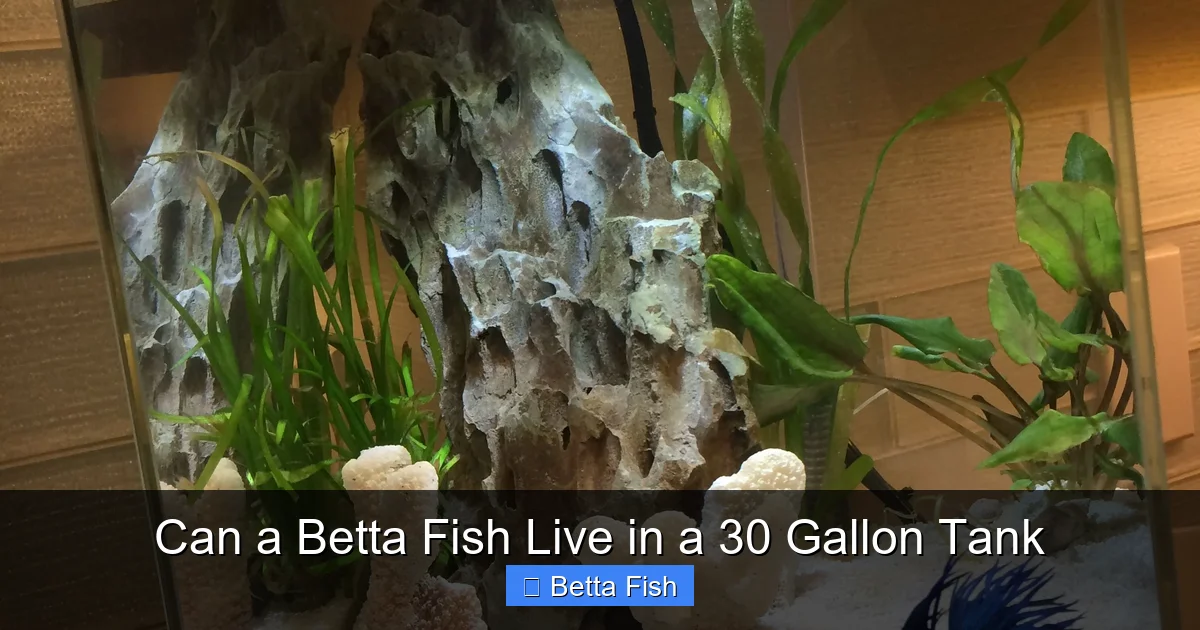
Visual guide about Can a Betta Fish Live in a 30 Gallon Tank
Image source: i.pinimg.com
Why a larger volume matters
- Temperature stability: In a small bowl, a few degrees of temperature change can happen in minutes. In a 30‑gallon tank, the water mass acts like a thermal buffer, keeping the temperature within the ideal 76‑80 °F range.
- Dilution of waste: A betta produces ammonia, nitrite, and nitrate like any other fish. With more water, toxins are diluted, giving the biological filter more time to process them.
- Behavioral enrichment: Bettas love to explore vertical space. A taller tank (often 18‑20 inches for a 30‑gallon) lets them swim up and down, which mimics the layered habitats of Southeast Asian rice paddies.
Real‑world example
Emma, a first‑time keeper, upgraded from a 2‑gallon bowl to a 30‑gallon tank for her male betta, Orion. Within two weeks Orion’s colors brightened, his fins stopped fraying, and he began performing regular bubble‑nest building—signs of a stress‑free fish.
2. Setting Up the Perfect 30‑Gallon Betta Habitat
Choosing the right tank shape
While both long (30 × 12 × 12 in) and tall (30 × 12 × 18 in) tanks hold 30 gallons, a taller tank gives a betta more vertical swimming room. Look for a tank with a front glass that’s at least 18 inches tall.
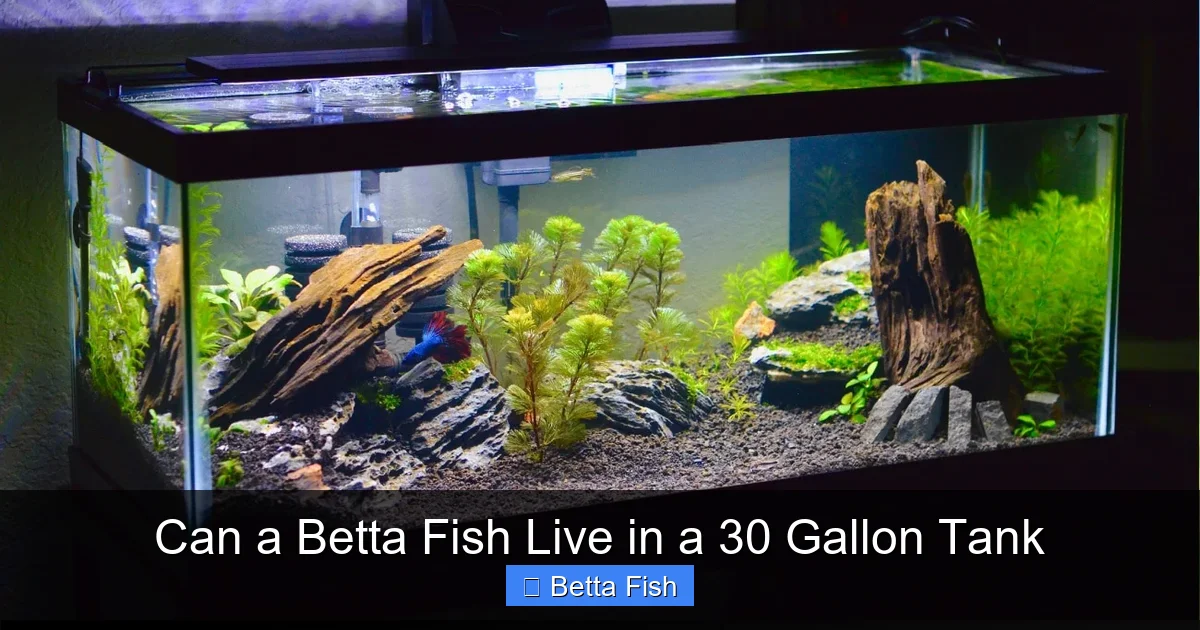
Visual guide about Can a Betta Fish Live in a 30 Gallon Tank
Image source: buildyouraquarium.com
Essential equipment
- Heater: Bettas are tropical; a reliable 50‑watt submersible heater keeps water steady.
- Filter: Choose a gentle, adjustable flow filter (sponge or hang‑on‑back). Bettas dislike strong currents, so set the flow to a slow “wiggle” mode.
- Lighting: 8–10 hours of low‑to‑moderate intensity light supports live plants without stressing the fish.
- Substrate: Fine sand or smooth gravel (1‑2 mm) prevents damage to delicate fins.
Decor and plants
Live plants are a win‑win: they hide the betta’s delicate fins, absorb nitrates, and increase oxygen. Good choices for a 30‑gallon tank include Java fern, Anubias, and Cryptocoryne. Add driftwood or smooth rocks for hiding spots, but avoid sharp edges.
Water parameters
| Parameter | Ideal Range |
|---|---|
| Temperature | 76‑80 °F (24‑27 °C) |
| pH | 6.5‑7.5 |
| Hardness | 5‑20 dGH |
| Ammonia/Nitrite | 0 ppm |
| Nitrate | ≤20 ppm |
Cycle before the betta arrives
Never place a betta into an un‑cycled tank. Run the filter for 4‑6 weeks, test water, and perform a small water change if nitrates rise above 20 ppm. This step ensures a stable environment from day one.
3. Can You Add Tank Mates? Choosing Compatible Species
Understanding betta temperament
Bettas are naturally territorial, especially males. However, a spacious 30‑gallon tank reduces the chance of constant confrontations. The key is to pick peaceful, non‑fin‑nipping species that occupy different layers of the tank.
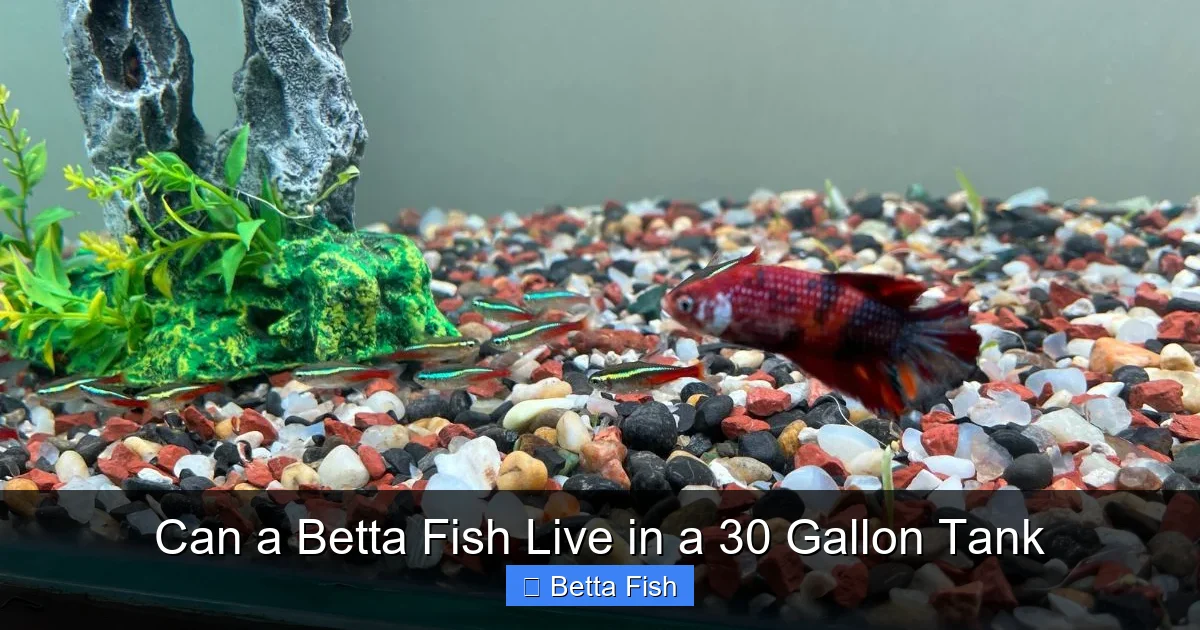
Visual guide about Can a Betta Fish Live in a 30 Gallon Tank
Image source: housedpet.com
Best community fish for a 30‑gallon betta tank
- Neon tetras: Small, schooling fish that stay near the surface.
- Corydoras catfish: Bottom dwellers that clean up leftovers.
- Harlequin rasboras: Mid‑level swimmers with calm dispositions.
- Snails (Nerite or Mystery): Excellent algae eaters that do not threaten the betta.
For more ideas on suitable companions, see our guide on which fish can live with betta fish in a tank.
How to introduce new fish
Acclimate each new fish slowly using the drip method. Keep a visual barrier (a plant or décor) between the betta and newcomers for the first 24‑48 hours. Observe behavior closely; any persistent flaring or chasing means it’s time to re‑home the newcomer.
When to avoid tank mates
Do not add fast‑moving or fin‑nipping species such as guppies, barbs, or other bettas unless you are prepared for possible aggression. Also avoid goldfish—they produce too much waste for a 30‑gallon setup and have different temperature needs.
4. Maintenance Made Easy in a Larger Tank
Weekly water changes
Even with a stable 30‑gallon system, perform a 20‑25 % water change weekly. Use a siphon to remove debris from the substrate, then replace with dechlorinated water matching the tank temperature.
Filter upkeep
Rinse filter media in tank water (not tap water) every 2‑3 weeks. Replace carbon every month to keep odors low. Because the filter runs continuously, you’ll notice less algae growth compared to a small bowl.
Testing and monitoring
Invest in a good test kit. Check ammonia, nitrite, nitrate, and pH weekly for the first two months, then bi‑weekly. Adjust water changes if nitrate spikes.
Seasonal considerations
In summer, keep an eye on temperature spikes. Even a 30‑gallon tank can warm quickly if placed near a window. Use an aquarium thermometer and adjust the heater or add a small fan if needed.
5. Benefits Beyond the Betta: Why a 30‑Gallon Tank Is a Smart Choice
Long‑term growth potential
If you ever decide to keep a different species, the tank is already sized for many community setups. No need to upgrade later.
Enhanced aesthetics
A larger tank lets you create a planted aquascape that looks like a miniature rainforest. The betta becomes a centerpiece rather than a cramped occupant.
Educational value
For families, a 30‑gallon tank offers a hands‑on lesson in biology, chemistry, and responsibility. Kids can watch the nitrogen cycle in action and learn about symbiotic relationships.
Financial sense
Although the initial cost is higher, you’ll spend less on frequent water conditioners, filter cartridges, and emergency vet visits caused by poor water quality in smaller setups.
Conclusion: Making the Decision
The question can a betta fish live in a 30 gallon tank is answered with a confident “yes,” and with many reasons to say “yes.” A 30‑gallon aquarium offers stable water conditions, space for enrichment, and the flexibility to add peaceful tank mates. By following the setup steps—proper filtration, heating, live plants, and regular maintenance—you’ll provide a thriving environment that lets your betta show off its natural beauty.
Whether you’re a beginner looking to start on the right foot or an experienced hobbyist wanting to upgrade, a 30‑gallon tank is a rewarding investment. Your betta will thank you with vivid colors, bold flares, and a relaxed demeanor—proof that size truly matters.
Frequently Asked Questions
Is a 30‑gallon tank too large for a single betta?
No. While a betta can survive in a smaller tank, a 30‑gallon tank provides extra stability, better water quality, and room for plants and décor, which all improve the fish’s health.
Do I need a heater in a 30‑gallon betta tank?
Yes. Bettas are tropical and require a consistent temperature of 76‑80 °F. A reliable submersible heater keeps the water within this range.
Can I keep multiple bettas together in a 30‑gallon tank?
It’s risky. Male bettas are highly territorial. If you want more than one betta, consider a divided tank or keep only females together after careful monitoring. See our article on Can You Have Two Betta Fish In A Tank for details.
What type of filtration is best for a betta tank?
A gentle sponge filter or a hang‑on‑back filter with adjustable flow works well. The goal is to remove waste without creating a strong current that can stress the betta.
How often should I change the water?
Change 20‑25 % of the water weekly. This keeps nitrate levels low and removes dissolved organic compounds that can cloud the water.
Can I add live plants to a betta tank?
Absolutely. Live plants like Java fern, Anubias, and floating moss provide hiding spots, improve water quality, and create a more natural environment for your betta.