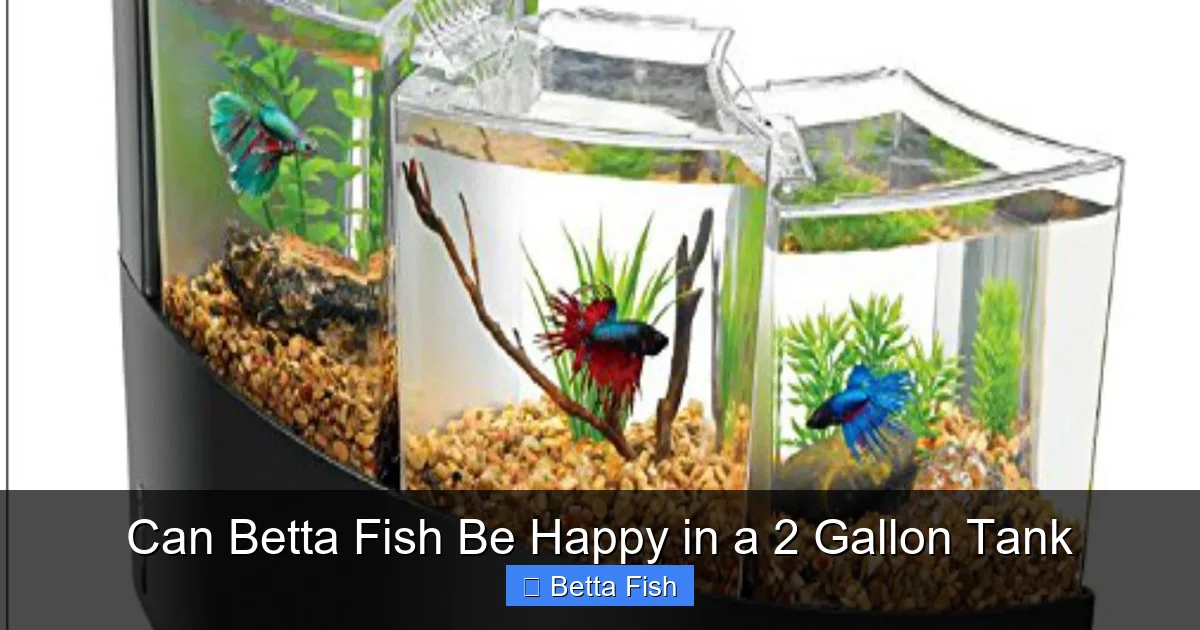
Can Betta Fish Be Happy in a 2 Gallon Tank
Betta fish can survive in a 2‑gallon tank, but true happiness needs space, proper filtration, and enrichment. By optimizing water quality, temperature, and décor, you can create a comfortable home that meets a betta’s physical and mental needs.
Key Takeaways
- Space matters: 2 gallons is the absolute minimum; larger tanks are far better for a betta’s well‑being.
- Water quality is king: Frequent water changes and a gentle filter keep ammonia low and stress low.
- Temperature control: A reliable heater set at 78‑80°F mimics the betta’s natural tropical habitat.
- Enrichment prevents boredom: Live plants, caves, and floating toys give a betta places to explore.
- Tank mates are tricky: In a 2‑gallon setup, it’s safest to keep the betta alone or with very small, non‑aggressive companions.
- Routine maintenance: Clean the tank regularly using betta‑safe methods to avoid disease.
- Long‑term outlook: As your betta grows, consider upgrading to a 5‑gallon or larger tank for optimal health.
📑 Table of Contents
- Introduction: The 2‑Gallon Dilemma
- Understanding a Betta’s Natural Needs
- Is 2 Gallons Enough? The Scientific Perspective
- Setting Up the Perfect 2‑Gallon Betta Habitat
- Enrichment: Keeping Your Betta Mentally Happy
- Long‑Term Health: Signs of Happiness vs. Stress
- Step‑by‑Step: From Empty Tank to Happy Betta
- Conclusion: Making the Best Choice for Your Betta
Introduction: The 2‑Gallon Dilemma
When you first bring home a bright, flowing‑fin betta, the excitement can lead you to the cheapest, smallest container you can find. A 2‑gallon tank seems convenient—compact, cheap, and easy to fit on a desk. But the big question on every new owner’s mind is: can betta fish be happy in a 2 gallon tank?
In this article we’ll dive deep into what “happy” really means for a betta, explore the science behind tank size, and give you practical steps to make a 2‑gallon setup as comfortable as possible. By the end, you’ll know whether that tiny tank is a short‑term stopgap or a long‑term home.
Understanding a Betta’s Natural Needs
Where Betta Come From
Betta splendens are native to the shallow rice paddies, slow‑moving streams, and dense vegetation of Southeast Asia. Those waters are warm (78‑82°F), slightly acidic, and full of hiding spots.
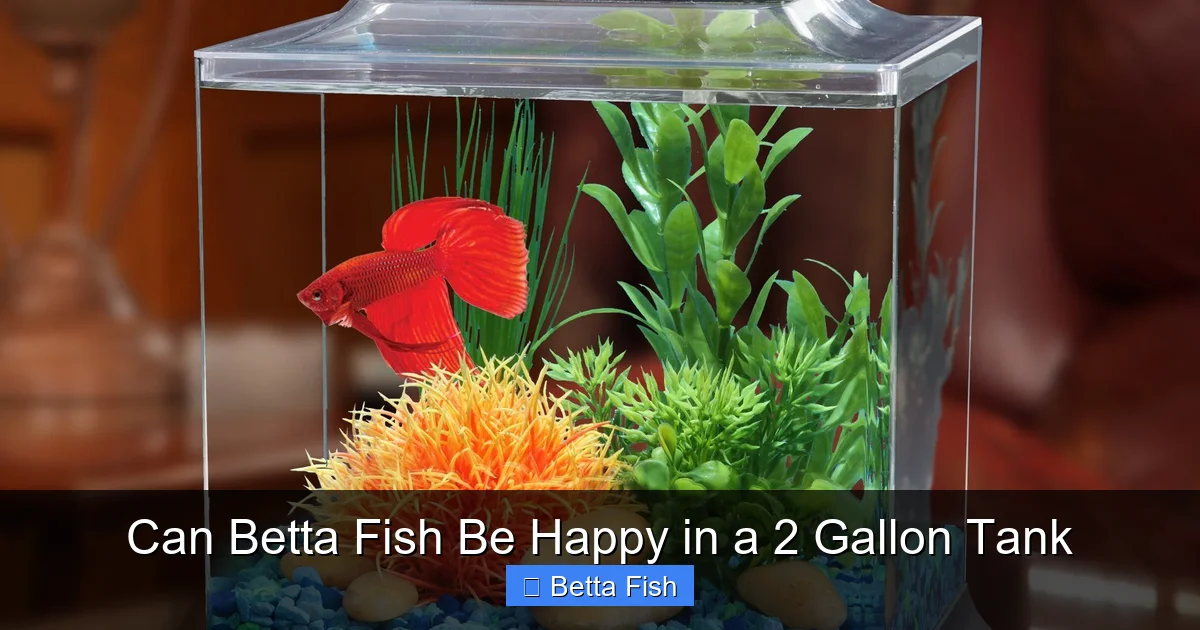
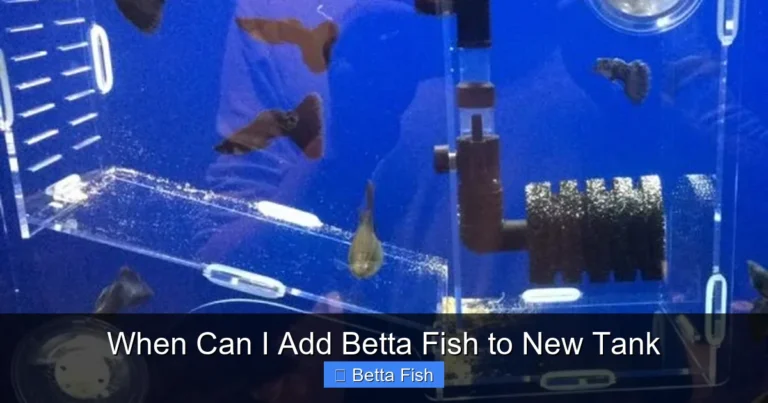
Visual guide about Can Betta Fish Be Happy in a 2 Gallon Tank
Image source: i.pinimg.com
Physical Space vs. Mental Space
In the wild a betta swims through a three‑dimensional environment, darting between roots and floating leaves. In a tank, the same need translates to:
- Room to swim horizontally and vertically.
- Visual barriers to reduce stress.
- Plants or décor that mimic natural cover.
If any of these are missing, a betta can become lethargic, develop fin rot, or display aggressive flaring for no obvious reason.
Is 2 Gallons Enough? The Scientific Perspective
Minimum Legal Standards
Many pet stores sell 2‑gallon “betta bowls,” but most animal‑welfare guidelines recommend at least 5 gallons for a single betta. The reason is simple: water volume directly affects water stability. In a 2‑gallon tank, temperature spikes, ammonia buildup, and pH swings happen faster.
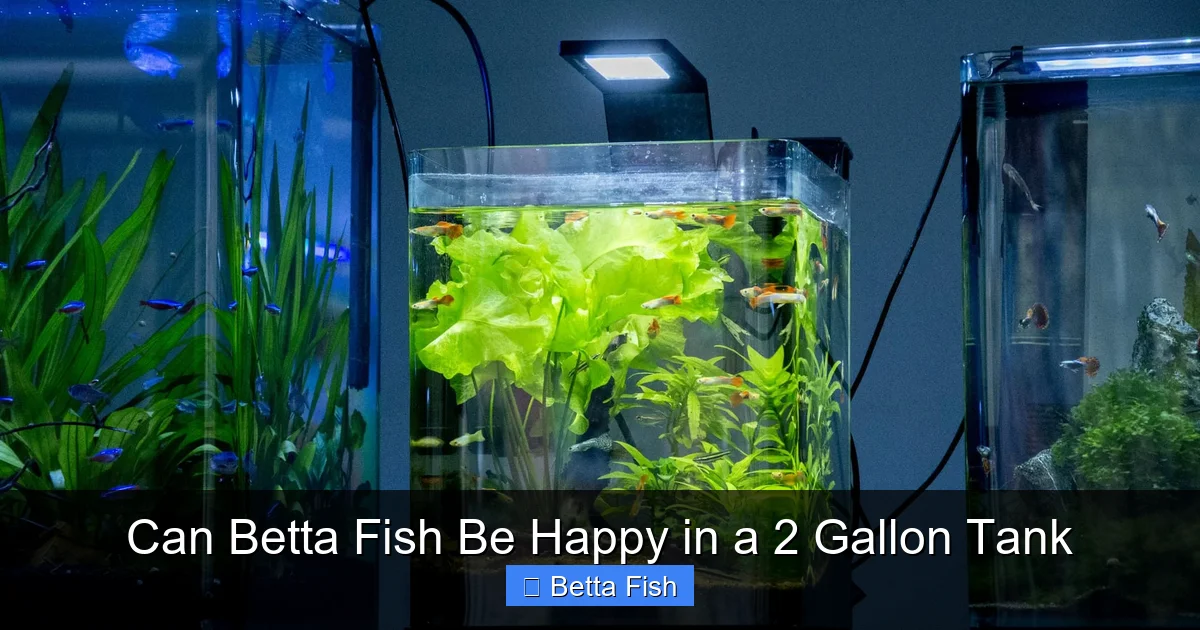
Visual guide about Can Betta Fish Be Happy in a 2 Gallon Tank
Image source: aquariadise.com
What the Numbers Say
Research on ornamental fish shows that a larger water volume dilutes waste products, reduces stress hormones, and improves immune response. While a betta can live in 2 gallons, the margin for error is razor‑thin.
Practical Verdict
So, can betta fish be happy in a 2 gallon tank? Yes, but only if you are diligent about water quality, temperature, and enrichment. Think of it as a “survival” tank rather than an ideal home.
Setting Up the Perfect 2‑Gallon Betta Habitat
Choosing the Right Tank
Pick a clear glass or acrylic tank with a tight‑fitting lid. A lid prevents jumps (betta are excellent jumpers) and reduces evaporation.
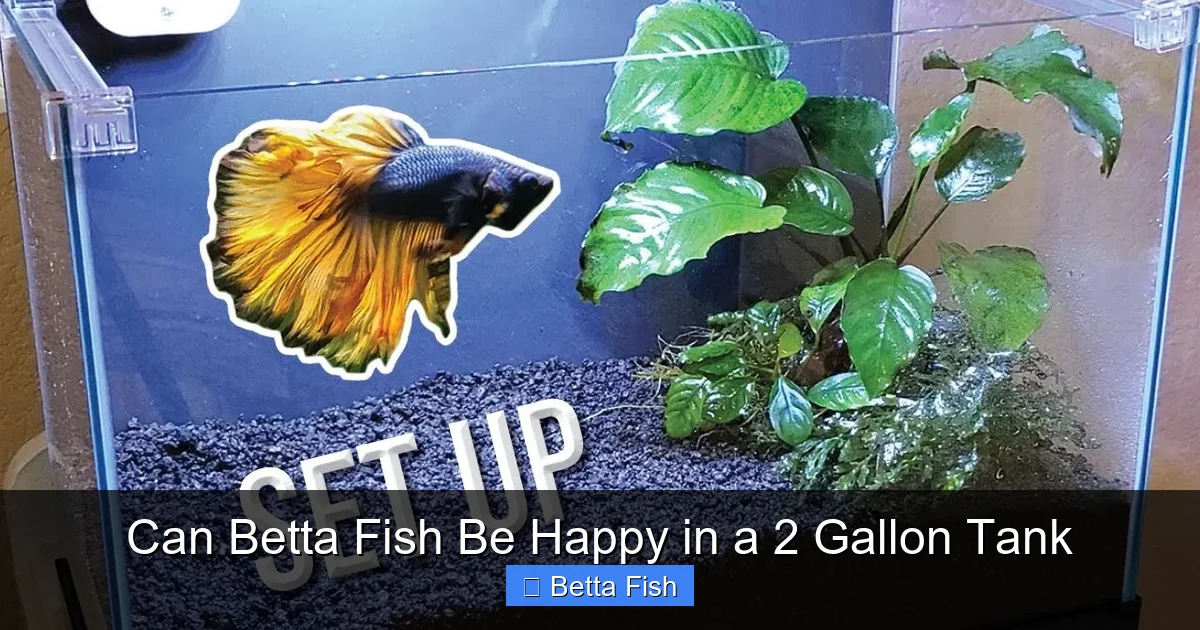
Visual guide about Can Betta Fish Be Happy in a 2 Gallon Tank
Image source: i.ytimg.com
Filtration: Friend, Not Foe
Even a gentle sponge filter is better than none. It removes ammonia and provides a slight current, which bettas enjoy for exercise.
Heating and Temperature Control
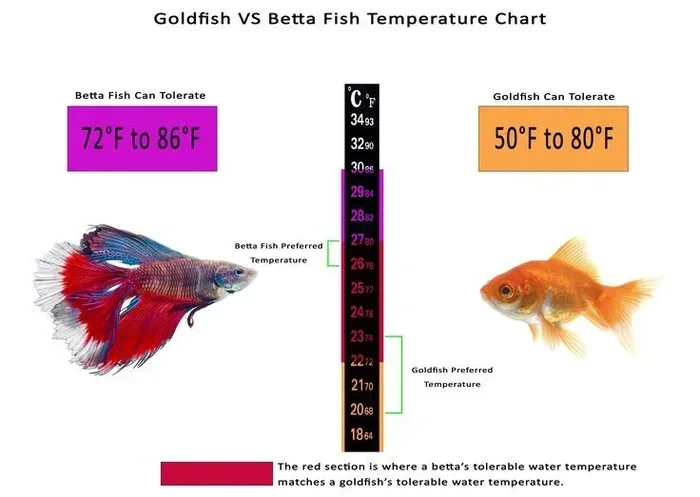
Betta fish are tropical; they need a stable 78‑80°F. A submersible heater with an adjustable thermostat is essential. Use a reliable thermometer to double‑check.
Substrate and Décor
- Live plants: Java moss, Anubias, or small cryptocoryne give natural cover and help absorb nitrates.
- Ornamental hides: Ceramic caves, PVC pipes, or smooth rocks create territories.
- Floating toys: Small ping‑pong balls or floating logs encourage surface breathing.
Water Changes and Maintenance
In a 2‑gallon tank you’ll need to change 25‑30% of the water every 2‑3 days. Use conditioned water at the same temperature as the tank to avoid shock. For a step‑by‑step guide, see our article on how to clean a 2 gallon betta fish tank.
Enrichment: Keeping Your Betta Mentally Happy
Why Enrichment Matters
Betta are curious explorers. Without stimulation they can become “bored bettas,” showing faded colors, loss of appetite, or constant flaring.
Simple Enrichment Ideas
- Mirror play: Briefly show a small mirror for 5 minutes a few times a week to trigger natural territorial behavior.
- Changing the layout: Rearrange plants or add a new hide every few weeks.
- Live prey: Offer occasional live or frozen daphnia for a feeding challenge.
Tank Mates in a 2‑Gallon Setup
Because space is limited, it’s safest to keep the betta alone. If you really want a companion, consider a tiny, non‑aggressive snail like a nerite. Learn more about snails and bettas in our guide Can Snails Be In A Tank With Betta Fish 2. Avoid other fish; even peaceful tetras will crowd the water quickly.
Long‑Term Health: Signs of Happiness vs. Stress
What a Happy Betta Looks Like
- Vibrant, upright fins.
- Active swimming, exploring all corners.
- Steady appetite and regular gulping at the surface.
- Calm, controlled flaring only when threatened.
Red Flags to Watch For
- Faded or torn fins (possible fin rot).
- Lethargy or hiding all the time.
- Excessive mucus or white spots (possible disease).
- Constant flaring without cause (stress).
When to Upgrade
If you notice any of the above signs despite perfect water parameters, it’s time to consider a larger tank. A 5‑gallon tank provides a safety net and room for future upgrades.
Step‑by‑Step: From Empty Tank to Happy Betta
Step 1 – Prepare the Tank
Rinse the tank, substrate, and décor with warm water (no soap). Add conditioned water, set the heater, and let the tank run for 24 hours.
Step 2 – Cycle the Tank
Even a 2‑gallon tank benefits from a short nitrogen cycle. Add a few drops of bottled ammonia, test for nitrite and nitrate, and perform partial water changes until the cycle is complete (about 1‑2 weeks).
Step 3 – Introduce the Betta
Acclimate your betta slowly: float the bag in the tank for 15 minutes, then add a small amount of tank water to the bag every 5 minutes. Finally, gently release the fish.
Step 4 – Daily Care
- Check temperature and heater.
- Observe behavior for any signs of stress.
- Feed 2‑3 small pellets once or twice a day.
Step 5 – Weekly Maintenance
Perform a 25‑30% water change, clean the filter media, and prune plants. For a full cleaning routine, read how to clean a 2 gallon betta fish tank.
Conclusion: Making the Best Choice for Your Betta
In short, can betta fish be happy in a 2 gallon tank? They can survive, and with meticulous care they can be fairly content. However, the 2‑gallon size leaves little room for error and offers limited enrichment. If you’re committed to regular maintenance, temperature control, and providing plenty of hiding places, your betta can thrive for months.
For the long‑term health and happiness of your fish, aim to upgrade to at least a 5‑gallon tank as soon as finances allow. Bigger water means more stable conditions, easier cleaning, and a richer environment for your finned friend.
Remember, a happy betta is a healthy betta. Treat the tank like a tiny ecosystem, and you’ll enjoy the dazzling colors and lively personality of your betta for years to come.
Frequently Asked Questions
Can a betta live long in a 2‑gallon tank?
Yes, but longevity depends on flawless water quality, stable temperature, and regular maintenance. Most bettas live 2‑3 years in a well‑kept 2‑gallon tank.
Do I need a filter for a 2‑gallon betta tank?
A gentle filter is highly recommended. It reduces ammonia spikes and provides a mild current that encourages natural swimming behavior.
Is it okay to keep snails with a betta in a 2‑gallon tank?
Small, non‑aggressive snails like nerite or mystery snails can help clean algae and are generally tolerated by bettas. See our guide Can Snails Be In A Tank With Betta Fish 2 for details.
How often should I change the water?
Change 25‑30% of the water every 2‑3 days. Frequent, small changes keep nitrate levels low and prevent stress.
What is the ideal temperature for a betta?
Maintain the water between 78°F and 80°F (25.5°C‑26.5°C) using a reliable submersible heater and thermometer.
When should I upgrade to a larger tank?
If you notice stress signs, frequent water quality issues, or simply want to give your betta more room to explore, upgrade to at least a 5‑gallon tank as soon as possible.