What Can Go with Betta Fish
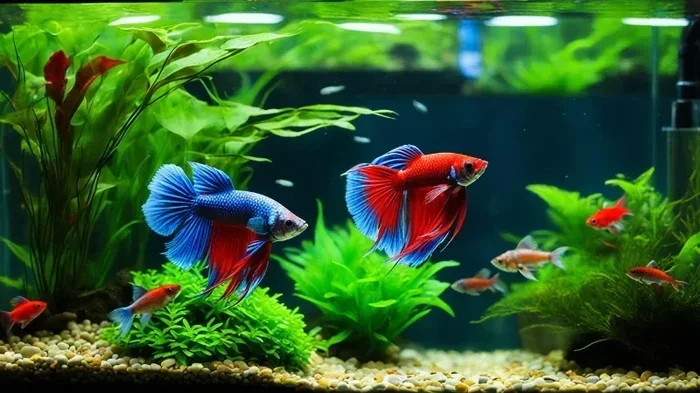
Finding the right companions for your betta fish is easier than you think. This guide covers the best betta tank mates, setup tips, and mistakes to avoid. You will learn which peaceful fish for betta work, which ones to skip, and how to build a thriving community tank with betta.
Keeping a betta fish can be one of the most rewarding experiences in the hobby. These colorful creatures bring life and personality to any aquarium. But here is the question many fish keepers face: what can go with betta fish?
The answer is not as simple as dropping any fish into the same tank. Bettas have unique temperaments and specific needs. Some fish make great companions, while others spell trouble. This guide walks you through everything you need to know about choosing the right betta tank mates.
By the end of this article, you will know exactly which species work best, which ones to avoid, and how to set up a peaceful community tank with betta. Let us dive in.
Key Takeaways
- Choose peaceful species: Small schooling fish, snails, and shrimp make excellent betta tank mates.
- Avoid aggressive or flashy fish: Bright colors and long fins can trigger territorial behavior in bettas.
- Tank size matters: A minimum 10-gallon tank gives everyone enough space to coexist peacefully.
- Monitor behavior closely: Watch for signs of stress or aggression when introducing new companions.
- Plan the layout carefully: Plants, caves, and hiding spots reduce tension between tank mates.
- Feed separately when needed: Ensure your betta gets enough food without starving slower companions.
📑 Table of Contents
Understanding Betta Fish Behavior
Before picking any fish that live with betta, it helps to understand how bettas behave. Male bettas, in particular, are known for their territorial nature. They flare their gills and spread their fins to show dominance. This behavior is called “flaring,” and it is completely natural.
In the wild, bettas live in shallow rice paddies and slow-moving streams. They claim small territories and defend them fiercely. This instinct does not disappear just because they live in a tank.
Why Temperament Matters for Tank Mates
When you ask what can live with betta fish, temperament is the biggest factor. A fish that is too aggressive will fight your betta. A fish that is too nippy might bother your betta’s long fins. Even overly curious fish can stress a betta out.
The best betta fish companions are calm and occupy different areas of the tank. Fish that stay in the middle or bottom of the tank are ideal. This reduces the chance of direct confrontation with your betta, who usually stays near the top.
Best Fish That Go With Betta
Not all fish are created equal when it comes to living with a betta. Some species have proven themselves over and over again in community tanks. Here are the top choices for peaceful fish for betta setups.
Corydoras Catfish
Corydoras, or corys, are small bottom-dwelling fish that make fantastic betta tank mates. They stay busy scavenging the substrate and rarely bother your betta. Their peaceful nature and gentle movement make them a perfect match.
Pygmy corydoras are especially good because they stay small. They grow to about one inch, which means they will not outgrow a modest tank. A group of six corys adds wonderful activity to the lower levels of your aquarium.
Harlequin Rasboras
Schooling fish for betta like harlequin rasboras are excellent companions. They swim in loose groups and tend to keep to the middle and lower parts of the tank. Their orange and black coloring is attractive without being flashy enough to trigger your betta.
Harlequins are hardy and easy to care for. They adapt well to the same water conditions bettas prefer. A small school of six to eight rasboras creates a beautiful display alongside your betta.
Kuhli Loaches
Kuhli loaches are quirky, eel-like fish that stay mostly hidden during the day. They come out at night to explore and scavenge. Because they occupy the bottom and are so laid-back, they rarely interact with your betta.
These loaches grow to about three to four inches. They do best in groups of three or more. Their unique appearance adds variety to your betta fish tank setup without creating competition.
Otocinclus Catfish
Otocinclus, or otos, are tiny algae-eating catfish that are perfect for a community tank with betta. They are peaceful, small, and focused on grazing algae off surfaces. Your betta will likely ignore them completely.
Otos do need a well-established tank with plenty of biofilm and algae. If the tank is too new, you may need to supplement their diet with blanched vegetables. They are sensitive to water changes, so stability is key.
Invertebrates That Make Great Companions
Fish are not your only option. Invertebrates like snails and shrimp can also be wonderful betta fish companions. They add interest to the tank and help with cleanup.
Mystery Snails
Mystery snails are one of the best additions to a betta tank. They are slow-moving, peaceful, and do not bother fish at all. Their colorful shells add a decorative touch to the aquarium.
Mystery snails grow to about two inches and stay out of your betta’s way. They eat leftover food and algae, which helps keep the tank clean. Just be aware that bettas might occasionally investigate them with their mouth. This is normal and usually harmless.
Amano Shrimp
Amano shrimp are excellent algae eaters and great tank mates for betta fish. They are active and busy, constantly grazing on algae throughout the day. Bettas generally leave them alone because shrimp are too small to be a threat.
Amanos grow to about two inches and prefer stable water parameters. They are sensitive to copper and sudden water changes. If you can maintain consistent conditions, they will thrive in your betta tank.
Ghost Shrimp
Ghost shrimp are another affordable option for aquarium fish for betta setups. They are nearly transparent, which makes them interesting to watch. They reproduce quickly and help clean up excess food.
Some bettas may try to hunt ghost shrimp, but many ignore them entirely. If you notice your betta chasing shrimp, it is best to remove the shrimp to prevent stress. Ghost shrimp also serve as a good food source for more predatory fish, so consider that before adding them.
Fish to Avoid With Your Betta
Knowing what not to put with your betta is just as important as knowing what to add. Some fish create stress, aggression, or even physical danger for your betta.
Fish with Bright Colors or Long Fins
Bettas are triggered by bright colors and long, flowing fins. Fish like guppies, angelfish, and fancy guppies can cause your betta to become stressed or aggressive. The betta may see their flowing fins as a rival and attack them.
For example, can betta fish go with guppies? It is possible in some cases, but it is risky. Male guppies have bright colors and long tails that can provoke your betta. If you want to try it, do so only in a large, heavily planted tank with plenty of hiding spots.
Other Aggressive or Territorial Fish
Fish that are naturally aggressive should never share a tank with a betta. This includes cichlids, goldfish, and other bettas. Goldfish, for instance, grow very large and produce a lot of waste, which ruins water quality for bettas.
Even some peaceful community fish can become nippy. Tiger barbs and serpae tetras are known fin-nippers. Your betta’s long fins make them vulnerable to this kind of harassment. Always research any fish before adding it to your betta’s tank.
How to Set Up a Successful Community Tank
Setting up a tank for your betta and its companions requires some planning. A well-designed tank reduces stress and prevents conflicts. Here is how to do it right.
Choose the Right Tank Size
A single betta needs at least a five-gallon tank. For a community setup, go with a minimum of ten gallons. More space means less territorial tension. Each additional fish needs about two to three gallons of water.
A larger tank also gives you more flexibility in choosing tank mates. It dilutes aggression and gives every fish room to establish its own territory. A twenty-gallon long tank is an excellent choice for a betta fish community setup.
Add Plenty of Plants and Hiding Spots
Live plants serve double duty in a betta tank. They improve water quality and provide hiding spots that reduce stress. Bettas love plants with broad leaves where they can rest and build bubble nests.
Add caves, driftwood, and rocks to create visual barriers. These break up sightlines and give shy fish a place to retreat. When fish cannot see each other constantly, aggression drops significantly.
Maintain Proper Water Conditions
Bettas prefer warm, clean water with a temperature between 78 and 80 degrees Fahrenheit. Most peaceful community fish share this preference. Keep the pH between 6.5 and 7.5, and ensure ammonia and nitrite levels stay at zero.
Regular water changes are essential. Aim for 25 to 30 percent weekly in a community tank. Use a gentle filter to avoid strong currents, since bettas are slow swimmers and do not like being pushed around.
Feed All Tank Mates Properly
Feeding can be tricky in a community tank. Bettas are slow eaters and prefer food that sinks or floats slowly. Pellets designed for bettas work well. Make sure your other fish are also getting enough to eat.
Use a feeding ring or target feed your betta to ensure it gets its share. Some community fish, like corydoras, will eat sinking foods quickly. Balance the diet so no one goes hungry.
Common Mistakes to Avoid
Even experienced fish keepers make mistakes when setting up a community tank with betta. Here are the most common ones and how to avoid them.
- Overcrowding the tank: Too many fish creates stress and poor water quality. Stick to the recommended tank size and add fish gradually.
- Skipping quarantine: Always quarantine new fish for two to four weeks before adding them to your main tank. This prevents disease outbreaks.
- Ignoring signs of stress: If your betta is clamped, hiding constantly, or flaring at tank mates, something is wrong. Remove the problematic fish immediately.
- Choosing the wrong species: Just because a fish is small does not mean it is safe with a betta. Research each species thoroughly before buying.
- Neglecting water changes: Community tanks produce more waste. Stay on top of your maintenance schedule to keep everyone healthy.
Final Thoughts on Choosing Betta Tank Mates
So, what can go with betta fish? The answer is more options than you might think. From corydoras and rasboras to mystery snails and amano shrimp, there are plenty of peaceful species that coexist beautifully with bettas.
The key is to choose compatible species, provide enough space, and monitor behavior closely. A well-planned community tank is a joy to watch and a healthy environment for every inhabitant.
Take your time when selecting tank mates. Research each species, plan your aquascape, and introduce new fish slowly. Your betta will thank you with vibrant colors and relaxed behavior. A happy betta in a well-set community tank is one of the most beautiful sights in the hobby.
Remember, every tank is different. What works for one betta may not work for another. Pay attention to your fish, adjust as needed, and enjoy the process. The reward of a thriving community tank with betta is well worth the effort.
For more details on specific species that pair well with bettas, check out this guide on what fish can go with betta fish to expand your knowledge further.
If you are curious about which fish can specifically coexist with male bettas, visit this resource on what fish can go with betta males for targeted advice.
Another great option to explore is whether neon tetras can go with betta fish, as they are a popular choice among hobbyists looking for colorful, peaceful companions.
Finally, if you are considering adding invertebrates, read about whether snails can go in a tank with betta fish to make an informed decision for your setup.
Frequently Asked Questions
Can betta fish live with goldfish?
No, bettas and goldfish should never be kept together. Goldfish produce too much waste, grow too large, and require cooler water temperatures that are harmful to bettas. They have completely different care needs and are not suitable tank mates.
What is the best betta tank mate for a small tank?
For tanks under 10 gallons, mystery snails and amano shrimp are the best options. They are peaceful, take up little space, and help keep the tank clean. Avoid adding fish to very small tanks as it increases stress and aggression.
Can I keep two male bettas in the same tank?
No, two male bettas should never share a tank. They will fight aggressively and can seriously injure or kill each other. Even females should only be kept together in carefully planned sorority setups with plenty of space and hiding spots.
How many fish can I keep with my betta?
In a 10-gallon tank, you can keep your betta plus about three to five small peaceful fish or a few invertebrates. The exact number depends on the species, tank size, and filtration. Always prioritize space and water quality over adding more fish.
Do bettas eat shrimp?
Some bettas may try to eat small shrimp like cherry shrimp. Amano shrimp are large enough that most bettas leave them alone. If you notice your betta hunting shrimp, it is best to remove the shrimp to prevent unnecessary stress and loss.
Can neon tetras go with betta fish?
Yes, neon tetras can work well with bettas in a properly set up tank. They are peaceful, stay in the middle and lower levels, and do not bother bettas. A school of six or more neon tetras helps them feel secure and reduces the chance of your betta targeting them.
=== CONCLUSION ===
Choosing the right companions for your betta fish transforms a simple tank into a vibrant community. The best betta tank mates are peaceful species that occupy different areas of the aquarium. Corydoras, harlequin rasboras, kuhli loaches, mystery snails, and amano shrimp all make excellent choices.
Avoid aggressive fish, bright-colored species, and fin-nippers that can stress or harm your betta. Set up your tank with plenty of plants, hiding spots, and adequate space. Maintain clean water and feed all inhabitants properly.
With a little planning and patience, you can create a beautiful community tank with betta that thrives for years. Start small, observe your fish closely, and enjoy every moment. The world of fish that live with betta is full of wonderful options waiting for you to explore.