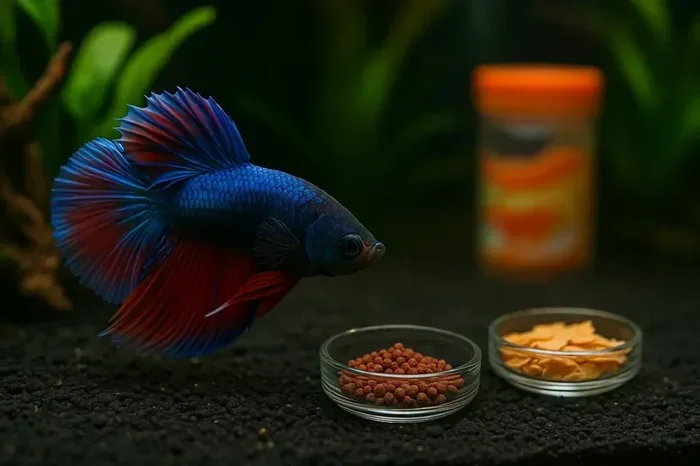
Which Fish Can Live with Betta Fish

Betta fish, known for their stunning fins and feisty personalities, require careful selection when choosing tank mates. Their aggressive, territorial nature means not all fish are safe companions. Success hinges on a spacious, well-decorated tank with plenty of hiding spots and species that are peaceful, fast-moving, or inhabit different tank levels. This guide provides a detailed roadmap to compatible fish, setups to avoid, and the step-by-step process for a thriving community tank.
So, you’ve fallen in love with a betta fish. That flowing silk of a veil tail, that fiery personality in a tiny package—it’s easy to see why they’re the world’s most popular aquarium fish. You’ve set up a beautiful, heated tank, maybe with a gentle filter and a few plants. But then a thought creeps in: “It’s so lonely in there all by itself. What fish can live with a betta?”
This is one of the most common questions in the aquarium hobby, and the answer is both simple and profoundly complex. The simple part? Yes, a betta can live with other fish. The complex part? Success depends entirely on understanding your betta’s personality, providing the absolute perfect environment, and choosing the most unassuming, resilient tank mates imaginable. Think of it less like finding a roommate and more like carefully curating a witness protection program for a tiny, territorial celebrity. Your betta is the star, and everyone else must be background actors who never upstage the lead.
This guide will walk you through every single consideration, from the non-negotiable tank setup to the specific species that have the highest chance of success. We’ll debunk myths, provide practical acclimation strategies, and help you read your betta’s behavior so you can make an informed, confident decision for a peaceful and thriving community tank.
Key Takeaways
- Tank Size is Non-Negotiable: A minimum of 20 gallons is strongly recommended for any betta community to provide enough space for territories and reduce stress.
- Bettas are Individuals: Some bettas are more tolerant than others. Always have a backup plan (like a divider or a separate “hospital” tank) when introducing new fish.
- Aim for “Different Layers”: The most successful tank mates occupy different areas of the tank—bottom dwellers like Kuhli loaches or fast, mid-level schooling fish like neon tetras.
- Avoid Long, Flowery Fins: Any fish with flowing, colorful fins (like guppies or fancy goldfish) will be seen as a rival by your betta and attacked.
- Décor is Your Best Defense: Live plants, driftwood, caves, and tall decorations break line-of-sight, creating visual barriers that prevent constant bickering.
- Acclimate Slowly and Observe: Use a breeder box or a clear divider for the first 48-72 hours to monitor reactions before full integration.
- Water Parameters Come First: All tank mates must share similar tropical water requirements (temperature ~78-80°F, pH 6.5-7.5).
The Golden Rules of Betta Compatibility: Your Foundation for Success
Before we even look at a list of fish names, you must internalize these foundational principles. Ignoring these is the number one reason community tanks with bettas fail
Frequently Asked Questions
What is which fish can live with betta fish?
which fish can live with betta fish is an important topic with many practical applications.