Can a Betta Fish Get Pregnant Without Male
A betta fish cannot truly get pregnant without a male. Female bettas can produce and release eggs on their own, but those eggs will never become fertilized or develop into fry without a male betta. Understanding how betta reproduction works helps every fish owner care for their pets better and avoid common confusion about solo egg-laying.
Key Takeaways
- Betta fish are not livebearers: They lay eggs and do not carry developing young inside their bodies like mammals.
- A female betta can release eggs without a male: This is a natural process and does not mean the fish is pregnant.
- Eggs need a male betta to fertilize: Without fertilization, the eggs will not hatch and will eventually dissolve.
- Bubble nests signal breeding readiness: Male bettas build these nests as part of the reproduction process.
- Keeping a male and female together requires careful setup: Proper tank conditions reduce stress and improve breeding success.
- Solo female bettas are perfectly healthy: They do not need a male to live long, happy lives.
- Know the signs of egg production: Recognizing these signs helps you respond appropriately and avoid unnecessary worry.
📑 Table of Contents
- Can a Betta Fish Get Pregnant Without a Male?
- How Betta Fish Reproduce
- Signs Your Female Betta Is Producing Eggs
- Why a Male Betta Is Needed for Baby Fish
- Can You Keep a Female Betta Without a Male?
- What to Do When Your Female Betta Releases Eggs
- Common Mistakes Fish Owners Make
- Expert Insights on Betta Reproduction
- Final Thoughts
Can a Betta Fish Get Pregnant Without a Male?
If you own a female betta fish, you might have noticed something interesting. Maybe your fish released some tiny eggs into the water. Perhaps you saw a bubble nest form on the surface. And now you are wondering — can a betta fish get pregnant without a male?
The short answer is no. Female bettas cannot become pregnant on their own. But the full story is more interesting than that. Betta fish reproduction works very differently from mammals. A female betta can produce and release eggs without ever being near a male. Those eggs simply will not develop into baby fish without fertilization.
Understanding how this process works makes you a better fish owner. You will know what to expect, how to set up the right environment, and when to act. Let us walk through everything you need to know about betta fish pregnancy, egg-laying, and solo female betta care.
How Betta Fish Reproduce
Betta fish breeding is a fascinating process. Bettas are egg-laying fish, not livebearers. This means the female releases eggs, and the male fertilizes them outside the body. It is very different from how mammals like dogs or cats have babies.
Here is how the process normally works:
- The female betta produces eggs inside her body.
- She releases the eggs into the water or into a bubble nest.
- The male betta releases milt (sperm) to fertilize the eggs.
- The male collects the fertilized eggs and places them in the bubble nest.
- The eggs hatch after about 24 to 48 hours.
- The male betta guards the fry until they can swim on their own.
Notice that every step depends on both a male and a female. Without a male, step three simply cannot happen. The eggs stay unfertilized and will not develop into betta fry.
What Happens When a Female Betta Lays Eggs Without a Male?
Many fish owners are surprised to learn that female betta fish lay eggs even without a male present. This is a completely natural process. A healthy female betta will produce eggs as part of her normal reproductive cycle.
When there is no male around, the female may release the eggs into the water. These unfertilized eggs will either be eaten by the female, float to the surface, or sink to the bottom of the tank. They will not hatch. Over time, they dissolve and break down in the water.
This is not a sign that something is wrong with your fish. It simply means her body is doing what it naturally does. Can a betta fish get pregnant without male involvement? No. But can she produce eggs? Absolutely.
Signs Your Female Betta Is Producing Eggs
Knowing the signs of betta fish egg production helps you understand what is happening in your tank. Look for these common indicators:
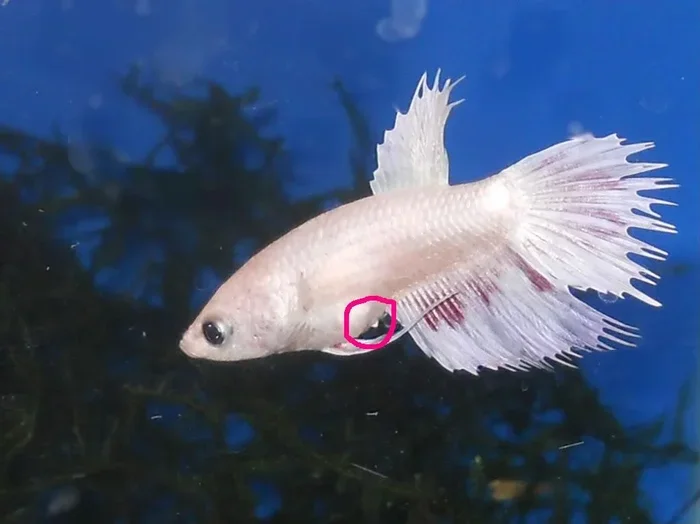
- White spot on the belly: A small white dot near the vent area often means eggs are developing inside.
- Swollen or rounded belly: The female may look slightly fuller than usual as eggs fill her ovipositor.
- Vertical stripes on the body: Some females develop faint horizontal or vertical bars when they are ready to release eggs.
- Bubble nest activity: Even without a male, a female may show interest in surface bubbles.
- Releasing small white dots in the water: These are the eggs themselves, and they are very tiny.
If you notice any of these signs, do not panic. Your fish is healthy and going through a normal biological process. The key is to provide good water conditions and proper nutrition during this time.
Quick Tips for Female Betta Fish During Egg Production
- Keep the water temperature stable around 78 to 80 degrees Fahrenheit.
- Perform regular water changes to keep the tank clean.
- Offer high-quality food like bloodworms or brine shrimp.
- Avoid adding aggressive tank mates that might stress the female.
- Do not remove the eggs from the water unless they are clearly unfertilized and decaying.
Why a Male Betta Is Needed for Baby Fish
You might wonder why a male betta is so important. The answer comes down to fertilization. Female bettas produce eggs, but those eggs are not alive yet. They need to be fertilized by the male for development to begin.
The male betta plays a crucial role in the process:
- Bubble nest builder: He creates a nest of bubbles at the water surface where eggs will be stored.
- Fertilizer: He releases sperm that fertilizes the eggs as the female releases them.
- Collector: He gathers any stray eggs and places them gently into the nest.
- Guardian: He protects the nest and the developing eggs from danger.
Without a male, the entire fertilization process stops. The female betta fish eggs without male presence simply cannot become baby fish. This is true for all betta fish, regardless of their color, tail type, or tank setup.
Some owners ask, can a male betta fish get pregnant or carry eggs himself? The answer is no. Males do not produce eggs. Their role is strictly to fertilize and protect them.
Can You Keep a Female Betta Without a Male?
Absolutely. Many fish owners keep only female bettas, and they live perfectly happy, healthy lives. A female betta does not need a male to survive. In fact, keeping males and females together requires careful planning and a dedicated breeding tank.
Here are some important things to consider when keeping a solo female betta:
- Tank size: A minimum of 5 gallons is recommended for a single female betta.
- Filtration: A gentle filter helps maintain clean water without creating too much current.
- Heating: Bettas are tropical fish and need warm water between 76 and 82 degrees Fahrenheit.
- Decorations: Plants and hiding spots reduce stress and make the fish feel secure.
- Tank mates: Some peaceful species can share a tank with a female betta, but always research compatibility first.
If you are curious about can you put other fish in with a male betta, the answer depends on the species and tank setup. But that is a topic for another guide. For now, know that a solo female betta is a wonderful pet that requires no male companion.
Female Betta Fish Without Male: Common Questions
Fish owners often have many questions about keeping female bettas alone. Here are some of the most common concerns:
- Will my female betta be lonely? Bettas are solitary fish by nature. They do not get lonely in the way humans do.
- Should I get a male for breeding? Only if you are prepared for the responsibility of raising fry and managing a breeding tank.
- Can I keep two females together? Sometimes, but it requires a large enough tank and careful introduction.
Remember, every betta fish is an individual. Some females are more territorial than others. Watch your fish closely and adjust the environment as needed.
What to Do When Your Female Betta Releases Eggs
If your female betta releases eggs into the tank and there is no male present, you have a few options. None of them are wrong, but some are better than others depending on your goals.
Option 1: Leave the eggs in the tank. Unfertilized eggs will naturally dissolve or get eaten by the female. This is the simplest approach and works well for most home aquariums.
Option 2: Remove the eggs with a soft net. If you are concerned about water quality, you can gently scoop out the eggs. Unfertilized eggs can start to decay and affect water parameters if left too long.
Option 3: Introduce a male betta carefully. If you want to try breeding, you can add a healthy male to the tank. But this requires a separate breeding setup, close monitoring, and knowledge of betta behavior during mating.
Always remember that can a betta fish get pregnant without a male is really the wrong question. The better question is whether the eggs can develop without a male, and the answer is no. Fertilization is essential for any baby fish to form.
Common Mistakes Fish Owners Make
Even experienced fish keepers sometimes make mistakes when it comes to betta reproduction. Here are some errors to avoid:
- Assuming a swollen belly means pregnancy: Bettas do not get pregnant in the mammalian sense. A swollen belly could mean bloating, overfeeding, or egg production.
- Forcing a male and female together without preparation: This can lead to injury or stress. Always introduce them slowly and in the right environment.
- Ignoring water quality: Poor water conditions can prevent healthy egg production and harm your fish.
- Thinking unfertilized eggs will hatch on their own: They will not. No amount of waiting will make unfertilized betta eggs develop into fry.
- Keeping the male with the female at all times: Males can be aggressive toward females outside of breeding. Only keep them together when you are ready to breed.
Avoiding these mistakes keeps your fish healthy and your tank environment stable. A little knowledge goes a long way in betta fish care.
Expert Insights on Betta Reproduction
Veterinarians and experienced aquarists agree on a few key points about betta fish reproduction. First, the process is entirely driven by environmental cues and the fish’s natural biology. Temperature, water quality, and the presence of a mate all play roles.
Second, female bettas can store sperm internally. This means that once a female has mated with a male, she can produce multiple batches of fertilized eggs over time — even without the male being present in the tank. This is one of the most fascinating aspects of betta biology and explains why some owners see eggs appear long after a breeding event.
Finally, experts stress that solo female bettas do not need a male to thrive. The egg-laying process is simply part of their natural cycle, not a sign that something is missing from their life.
Final Thoughts
So, can a betta fish get pregnant without male involvement? The answer is clear. Female bettas produce and release eggs naturally, but those eggs cannot become baby fish without a male to fertilize them. This is simply how betta reproduction works.
The good news is that your female betta does not need a male to live a long, healthy, and happy life. Whether your fish releases eggs or not, she will thrive with proper care, clean water, and good nutrition.
If you are interested in breeding bettas, do your research first. Set up a proper breeding tank, learn the signs of readiness, and always prioritize the health and safety of both the male and female. And if you are just keeping a solo female betta, enjoy the experience. She is a beautiful, fascinating fish all on her own.
Understanding betta fish pregnancy and egg-laying helps you be a more informed and confident fish owner. Keep learning, keep observing, and your betta will reward you with years of enjoyment.