What Betta Fish Can Be Together

Knowing what betta fish can be together is the key to a peaceful aquarium. Male bettas are territorial and often aggressive, but female bettas can sometimes form groups called sororities. You can also add certain peaceful species like snails, shrimp, and specific small fish as betta tank mates. This guide covers everything you need to know about betta fish compatibility and safe tank setups.
So you want to know what betta fish can be together? It is a great question, and one that every betta owner should answer before adding any new fish to the tank. Betta fish are beautiful, vibrant, and full of personality. But they also have a reputation for being feisty. Some can live happily with other fish, while others need to go it alone. Understanding betta fish compatibility is the first step toward creating a peaceful aquarium.
In this guide, we will walk you through everything you need to know. We will cover male and female betta behavior, the best tank mates, and common mistakes to avoid. By the end, you will know exactly how to set up a tank where your betta feels safe and comfortable. Let us dive right in.
Key Takeaways
- Male bettas should generally be kept alone because they are highly territorial and will fight other males.
- Female bettas can live together in groups of four or more in a properly set up sorority tank.
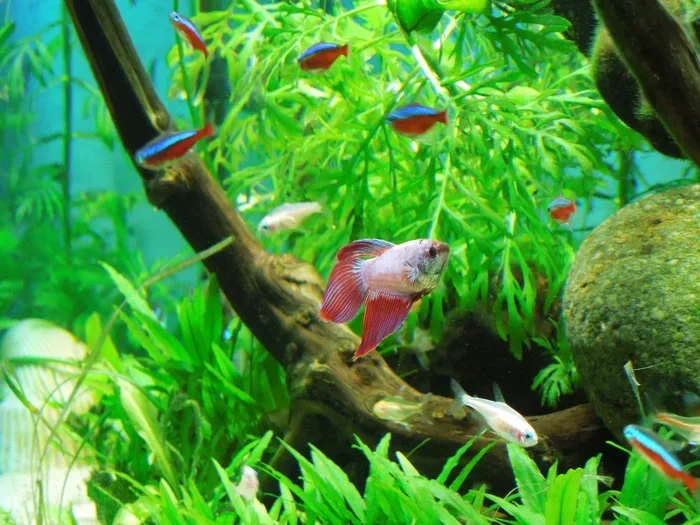
- Certain peaceful fish and invertebrates like snails, shrimp, and small tetras can coexist with bettas safely.
- Tank size and layout matter a lot when deciding what betta fish can be together.
- Always monitor behavior when introducing new tank mates to your betta.
- Avoid fin-nipping or overly active fish that may stress your betta out.
- A spacious tank with plenty of hiding spots reduces aggression and makes cohabitation possible.
📑 Table of Contents
- Understanding Betta Fish Behavior
- What Betta Fish Can Be Together: Male and Female Pairs
- Can Female Betta Fish Live Together?
- Best Tank Mates for Betta Fish
- Tank Setup Tips for Cohabitation
- Common Mistakes to Avoid
- Expert Insights on Betta Cohabitation
- Final Thoughts on What Betta Fish Can Be Together
Understanding Betta Fish Behavior
Before you decide what betta fish can be together, you need to understand their natural behavior. Bettas, also known as Siamese fighting fish, are native to the warm, slow-moving waters of Southeast Asia. In the wild, they live in rice paddies, floodplains, and shallow streams. Because of this environment, they have developed strong territorial instincts.
Why Are Male Bettas So Aggressive?
Male bettas are especially territorial. They have long, flowing fins and bright colors that they use to defend their space. When two male bettas are placed in the same tank, they will often flare their gills, spread their fins, and fight. These fights can be deadly. Male bettas really should not be housed together in most cases.
Even if you give them a large tank with lots of dividers, stress levels can remain high. Some hobbyists use divided tanks, but this is not always the best solution. The fish can still see each other and may become chronically stressed. Stress weakens their immune system and leads to illness.
How Do Female Bettas Behave?
Female bettas are generally less aggressive than males. They can sometimes live together in groups. These groups are called sororities. A sorority tank usually has four or more females. The idea is that no single fish becomes the target of bullying. When there are more fish, the aggression gets spread out.
However, even female bettas can show aggression. You still need to watch them carefully. Signs of trouble include fin nipping, chasing, and hiding. If you notice these behaviors, you may need to separate the fish.
What Betta Fish Can Be Together: Male and Female Pairs
One of the most common questions is whether a male and female betta can live together. The short answer is: sometimes. But it is not as simple as dropping them into the same tank. You need the right setup, the right conditions, and a bit of luck.
The Breeding Tank Setup
Male and female bettas are usually only placed together for breeding. This is a controlled situation. The tank is set up specifically for this purpose, and the fish are monitored closely. After breeding, the female is typically removed because the male becomes very protective of the nest and eggs.
If you are considering a male and female betta fish together outside of breeding, proceed with caution. You will need a tank that is at least 20 gallons. Add plenty of plants, caves, and hiding spots. These break up lines of sight and reduce aggression. Even with the best setup, there is always a risk.
Can Two Male Betta Fish Be Together?
Most experts agree that two male bettas should not share a tank. They will almost always fight. However, there are some exceptions. Some hobbyists have had success keeping males in very large tanks with heavy planting and visual barriers. Still, this is not recommended for beginners.
If you want to keep multiple males, a divided tank is the safest option. Each male gets his own space, but they can still see each other. This is not ideal, but it works for some setups. For more details, you can read our guide on can two male betta fish be together.
Can Female Betta Fish Live Together?
Yes, female bettas can live together under the right conditions. This is one of the few scenarios where betta fish can be housed together successfully. A female betta sorority tank can be a beautiful and fascinating setup to watch.
Setting Up a Sorority Tank
A sorority tank needs to be at least 20 gallons. The general rule is one female per five gallons of water. So a 20-gallon tank can comfortably house four females. Here are some key tips:
- Add plenty of live plants. Plants create natural barriers and hiding spots.
- Use soft lighting. Bettas prefer dim, warm lighting.
- Include caves and decorations. These give each fish her own territory.
- Cycle the tank before adding fish. A stable nitrogen cycle is essential.
- Feed a varied diet. Well-fed fish are less aggressive.
When you first introduce the females, watch them closely for the first few days. Some chasing is normal, but constant bullying is not. If one fish is being targeted, remove her immediately. You can learn more about what betta fish can live together in our detailed compatibility guide.
Best Tank Mates for Betta Fish
If you want to keep your betta with other species, you have options. Not all fish are compatible, but some make excellent tank mates. The key is choosing peaceful, non-aggressive species that will not bother your betta.
Peaceful Fish That Work Well
Here are some of the best options for a community tank with a betta:
- Neon Tetras: Small, peaceful, and stay in the upper and middle parts of the tank.
- Corydoras Catfish: Bottom dwellers that mind their own business.
- Kuhli Loaches: Eel-like fish that are shy and non-confrontational.
- Harlequin Rasboras: Schooling fish that add movement without stress.
- Pygmy Corydoras: Tiny and peaceful, perfect for smaller tanks.
You can also check out our full guide on what fish can be put with a betta for more detailed recommendations.
Invertebrates as Tank Mates
Invertebrates are often the safest choice for a betta tank. They are unlikely to provoke aggression, and many are fun to watch.
- Amano Shrimp: Great algae eaters and very hardy.
- Cherry Shrimp: Colorful and fun to watch. They breed easily too.
- Mystery Snails: Slow-moving and peaceful. They help clean up leftover food.
- Nerite Snails: Excellent algae controllers that cannot reproduce in freshwater.
Most bettas leave snails and shrimp alone. Some may try to nip at shrimp, but usually, they coexist peacefully. For more on this topic, see our article on can you put snails and betta fish together.
Fish to Avoid With Bettas
Just as important as knowing what works is knowing what does not. Here are some fish you should never keep with a betta:
- Goldfish: Too cold-water and messy for bettas. Read more in our guide on can betta fish and goldfish be together.
- Guppies: Their bright fins can trigger betta aggression.
- Angelfish: Too large and can become aggressive.
- Cichlids: Highly territorial and often too aggressive.
- Other male bettas: Always a bad idea.
| Fish/Invertebrate | Compatibility | Notes |
|---|---|---|
| Neon Tetras | Good | Peaceful, stay mid-tank |
| Corydoras | Good | Bottom dwellers, calm |
| Amano Shrimp | Good | Algae eaters, hardy |
| Cherry Shrimp | Fair | Watch for nipping |
| Goldfish | Poor | Wrong temperature, too messy |
| Guppies | Poor | Fin nipping and aggression triggers |
| Male Betta | Poor | Fighting is almost guaranteed |
| Female Betta (Sorority) | Good | Needs 20+ gallons, 4+ females |
Tank Setup Tips for Cohabitation
Getting the tank setup right is critical when keeping bettas with other fish. A poorly designed tank can turn even the most compatible fish into aggressive ones.
Tank Size Matters
The bigger the tank, the better. A minimum of 20 gallons is recommended for any community setup involving a betta. A larger tank provides more swimming space and reduces territorial disputes. When fish have room to spread out, they are less likely to encounter each other in stressful ways.
Plants and Decorations
Live plants are your best friend in a betta community tank. They serve multiple purposes:
- They break up lines of sight. Fish cannot see each other constantly, which reduces stress.
- They provide hiding spots. Shy fish need places to retreat.
- They improve water quality. Plants absorb nitrates and produce oxygen.
- They create a natural environment. Bettas feel more secure in planted tanks.
Some great plant choices include Java Fern, Anubias, Amazon Sword, and Floating Water Lettuce. Bettas love floating plants because they provide shade and a sense of security.
Filtration and Water Parameters
Keep the water warm, between 76 and 82 degrees Fahrenheit. Use a gentle filter because bettas do not like strong currents. A sponge filter works well for community tanks. Test the water regularly for ammonia, nitrite, and nitrate levels. Clean water keeps all fish healthy and less stressed.
Common Mistakes to Avoid
Even experienced fish keepers make mistakes. Here are some common errors when trying to keep bettas together or with other species:
- Starting with too small a tank. A 5-gallon tank is not enough for community housing. It leads to territorial disputes and poor water quality.
- Ignoring signs of stress. If your betta is hiding constantly, has clamped fins, or refuses food, something is wrong. Act quickly.
- Overcrowding the tank. Too many fish means more waste and more aggression. Stick to recommended stocking levels.
- Skipping the quarantine period. Always quarantine new fish before adding them to your main tank. This prevents disease outbreaks.
- Assuming all bettas have the same personality. Some bettas are more laid-back than others. Individual temperament varies greatly.
For more on avoiding common pitfalls, check out our article on why betta fish can’t be together to understand the science behind betta aggression.
Expert Insights on Betta Cohabitation
We spoke with experienced aquarists about their tips for successful betta cohabitation. Here is what they had to say:
“The biggest factor is tank layout,” says one veteran betta keeper. “If your fish cannot see each other constantly, they are much more likely to coexist peacefully. Use tall plants and decorations to create visual barriers.”
“Feed your betta well before introducing tank mates,” another expert advises. “A full, well-fed betta is far less likely to see other fish as competition or threats.”
“Patience is everything,” adds a third hobbyist. “Do not rush the introduction process. Give your fish time to adjust. Watch their behavior for at least a week before making any final decisions.”
Final Thoughts on What Betta Fish Can Be Together
So, what betta fish can be together? The answer depends on several factors, including gender, tank size, and individual temperament. Male bettas are best kept alone in most cases. Female bettas can form sororities in larger tanks with the right setup. And both males and females can sometimes live peacefully with certain peaceful species like tetras, corydoras, snails, and shrimp.
The key is preparation. Research your options, set up the tank properly, and always monitor your fish. Every betta is an individual. What works for one fish may not work for another. Pay attention to your fish’s behavior and be ready to make changes if needed.
Keeping bettas together or with other species can be incredibly rewarding. There is nothing quite like watching a well-planned community tank come to life. With the right knowledge and a little patience, you can create a beautiful aquarium where your betta thrives. For more information on specific pairings, explore our guides on can male and female betta fish be kept together and what betta fish can live together.
Start small, plan carefully, and enjoy the journey. Your betta will thank you with vibrant colors and lively behavior. Happy fish keeping!
Frequently Asked Questions
Can two male betta fish ever be kept together?
In most cases, no. Two male bettas will fight and can seriously injure or kill each other. Some experienced hobbyists have success in very large tanks with heavy planting and dividers, but it is not recommended for most fish keepers. Always prioritize the safety and health of your fish.
How many female bettas can live together?
A minimum of four to six females is recommended for a sorority tank. The number works best because it diffuses aggression. No single fish becomes the constant target. You will need at least a 20-gallon tank to house a female betta group comfortably.
Can betta fish live with goldfish?
No, bettas and goldfish should not be kept together. Goldfish need cooler water temperatures and produce a lot of waste. Bettas need warm water and a clean environment. Keeping them together leads to stress and health problems for both fish.
What is the best tank size for keeping bettas with other fish?
A minimum of 20 gallons is recommended for any community setup involving a betta. Larger tanks are always better because they provide more swimming space and help maintain stable water parameters. A bigger tank reduces territorial behavior significantly.
Can bettas live with shrimp?
Yes, bettas can often live peacefully with shrimp like Cherry Shrimp and Amano Shrimp. Most bettas leave shrimp alone. However, some bettas may try to nip at small shrimp. Providing plenty of hiding spots helps shrimp stay safe.
How do I introduce a new fish to my betta tank?
Start by quarantining the new fish for at least two weeks. Then, add the new fish to the tank slowly. Watch both the betta and the new fish closely for the first few days. Look for signs of aggression like flaring, chasing, or fin nipping. Be ready to separate them if needed.