Can You Have Other Fish with Bettas

Yes, you can have other fish with bettas — but it takes the right choices and a well-planned tank. Not all fish get along with bettas, and picking the wrong tank mates can lead to stress or injury. This guide covers the best companions, fish to avoid, and practical setup tips to keep your betta fish tank mates happy and healthy.
So, can you have other fish with bettas? The short answer is yes. But the full answer is a bit more nuanced than a simple yes or no. Bettas are beautiful, vibrant fish with big personalities. They can thrive in community tanks — but only when you pick the right companions and set things up properly.
Many fish keepers love bettas for their stunning colors and flowing fins. But a common question comes up again and again: can you have other fish with bettas? The truth is, bettas can be territorial, especially males. They may chase or even attack other fish if the tank isn’t set up right. That doesn’t mean you need to keep your betta alone, though. With the right approach, a community tank can work beautifully.
This guide walks you through everything you need to know. You’ll learn which fish make good betta fish tank mates, which ones to avoid, and how to set up a tank that keeps everyone calm and healthy. Whether you’re a beginner or a seasoned aquarist, these tips will help you build a peaceful aquarium.
Key Takeaways
- Bettas can live with other fish: Choose peaceful, non-aggressive species that won’t nip fins or compete for territory.
- Female bettas are more social: They often do better in community tanks than males, but careful introduction is still key.
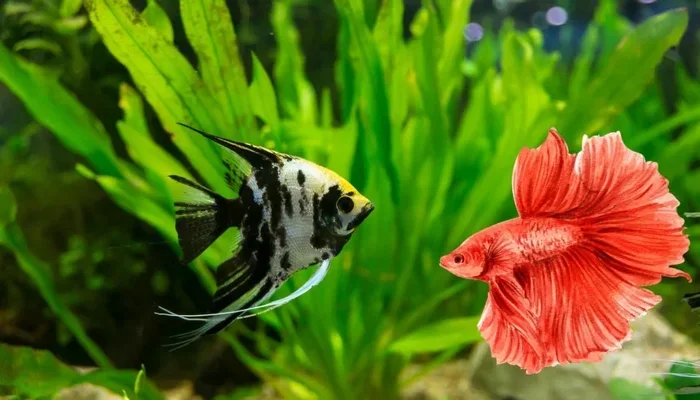
- Avoid bright or long-finned fish: Species like guppies or angelfish can trigger betta aggression and territorial behavior.
- Tank size matters a lot: A minimum of 10 gallons gives everyone enough space to reduce stress and conflict.
- Monitor behavior closely: Watch for signs of stress or fighting, and be ready to separate fish if needed.
- Proper setup prevents problems: Use plants, caves, and hiding spots to break up lines of sight and create territories.
- Not all bottom dwellers are safe: Some species may bother bettas or share the same food sources, so choose carefully.
📑 Table of Contents
Understanding Betta Fish Temperament
Before adding any tank mates, you need to understand how bettas behave. Bettas are part of the gourami family, and they are naturally territorial. In the wild, they live in shallow rice paddies and slow-moving streams. They defend small territories from other bettas and aggressive fish.
Why Bettas Can Be Aggressive
Male bettas, in particular, have a reputation for being feisty. They flare their gills, spread their fins, and will fight other males to the death in the wild. This aggression isn’t just about other bettas. It can extend to any fish that looks similar, has bright colors, or long flowing fins.
Here are the main reasons bettas show aggression:
- Territorial nature: Bettas see bright colors and long fins as a threat.
- Limited space: Small tanks make stress and fights more likely.
- Poor tank setup: Lack of hiding spots increases confrontations.
- Hunger or breeding mode: Bettas become more defensive during feeding or spawning.
How Personality Plays a Role
Every betta has its own personality. Some are calm and curious. Others are aggressive and defensive. This matters a lot when choosing betta fish compatibility with other species. A mellow betta might ignore its tank mates completely. A bold betta might chase every fish in the tank. Knowing your betta’s temperament helps you make smarter choices.
Female bettas tend to be less aggressive than males. They can sometimes live in groups called sororities. But even female bettas can show dominant behavior. So never assume a female betta will automatically get along with everyone.
Best Tank Mates for Bettas
Now for the fun part — picking the right companions. The best tank mates for bettas share similar water conditions and have calm temperaments. They should be small, peaceful, and unlikely to nip at betta fins.
Top Fish That Work Well With Bettas
These species are generally safe and make great aquarium fish for bettas:
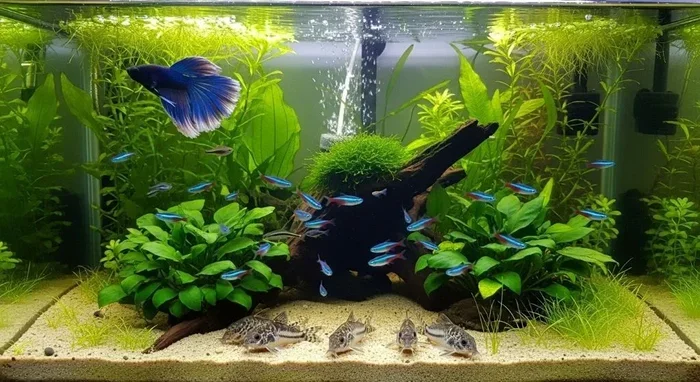
- Neon Tetras: Small, peaceful, and stay in the middle and top of the tank. They won’t bother your betta.
- Harlequin Rasboras: Active but non-aggressive. They school together and ignore the betta most of the time.
- Corydoras Catfish: Bottom dwellers that clean up leftover food. They are gentle and stay out of the betta’s way.
- Kuhli Loaches: Eel-like fish that keep to themselves. They are nocturnal and mostly active at night.
- Snails (Nerite or Mystery): Great algae eaters that don’t compete with bettas for food or space.
- Amano Shrimp: Helpful clean-up crew members that bettas usually leave alone.
What Makes a Good Tank Mate?
A good tank mate checks several boxes. It should prefer the same water temperature and pH as a betta. It should occupy a different part of the tank so there’s less overlap. And it should have a calm, non-nippy temperament. Fish that are too fast, too flashy, or too large can cause problems.
For example, you might consider peaceful community fish like ember tetras or pygmy corydoras. These fish stay small, move slowly enough not to stress the betta, and add nice movement to the tank without triggering aggression.
Fish to Avoid With Bettas
Just as important as knowing what works is knowing what doesn’t. Some fish are a bad match for bettas and can lead to fighting, stress, or injury.
Species That Don’t Mix Well
Steer clear of these common fish when planning a betta community tank:
- Guppies: Their bright colors and long tails can trigger betta aggression. Males especially look like rival bettas.
- Angelfish: They grow large and can become aggressive. They may nip at betta fins.
- Tiger Barbs: These are notorious fin nippers. They will harass and damage your betta’s beautiful fins.
- Other Male Bettas: Two male bettas should never share a tank. It will end in a fight to the death.
- Goldfish: They need cold water, which is completely wrong for bettas. They also grow too large for most community setups.
Also avoid any fish that are much larger than your betta. A big fish might eat your betta or bully it into hiding all day. And skip fish that need very different water conditions. Bettas prefer warm, slow-moving water. Fish from fast rivers or cold climates won’t thrive in the same tank.
Can You Put Other Fish With Female Bettas?
Female bettas are generally more tolerant of tank mates than males. You can find more details on this topic at Can You Put Other Fish With Female Bettas. Female bettas can sometimes live in small groups, and they tend to be less territorial overall. However, introductions should still be done carefully, and the tank should have plenty of hiding spots.
Setting Up a Community Tank for Bettas
A successful community tank starts with the right setup. You can’t just toss fish together and hope for the best. Every detail matters — from tank size to decorations to water flow.
Tank Size and Layout
A minimum of 10 gallons is recommended for a betta community tank. A 5-gallon tank is too small to share comfortably. The extra space gives each fish its own area and reduces territorial disputes. Here’s what to aim for:
- 10–20 gallons: Ideal for a betta plus 4–6 small peaceful fish.
- 20+ gallons: Best for larger groups or a wider variety of species.
Use live plants to break up lines of sight. Plants like java fern, anubias, and amazon sword create natural barriers. Your betta will feel safer, and other fish will have places to retreat. Add caves, driftwood, and rocks too. These give every fish its own little territory.
Water Conditions
Bettas need warm water between 76°F and 82°F. Make sure any tank mates share this temperature range. Use a reliable aquarium heater and a thermometer to keep conditions stable. Test the water regularly for ammonia, nitrite, and nitrate levels. Clean water keeps all fish healthy and reduces stress.
Filtration and Flow
Bettas don’t like strong water flow. Choose a filter with adjustable output or use a sponge filter. The filter should turn the water over gently. Too much current will stress your betta and make it hide constantly, which defeats the purpose of a community tank.
Female Betta Tank Mates
Female bettas open up more options for community tanks. They can sometimes live with other females in a sorority setup. But even then, not every combination works. Let’s explore what makes female betta groupings successful.
Building a Female Betta Sorority
A sorority works best in tanks of 20 gallons or more. You need at least 4–6 females to spread out the aggression. The idea is that no single fish becomes the target of bullying. Plenty of hiding spots and visual barriers are essential.
If you’re considering a sorority, check out our guide on Can You Keep Female Bettas With Other Fish for more in-depth advice. The key is to introduce all females at the same time and provide enough space and decor for each to claim her own area.
Good tank mates for female bettas include the same species listed above for males. Neon tetras, corydoras, and snails all work well. The main difference is that you have a slightly wider range of options since females are less aggressive overall.
Tips for a Peaceful Betta Community Tank
Even with the right fish and setup, things can go wrong if you don’t follow best practices. Here are expert tips to keep your community tank harmonious.
Introduce Fish Slowly
Never add all your fish at once. Start with your betta in the tank first. Let it settle in for a few days. Then add new fish one or two at a time. This gives your betta time to get used to new neighbors without feeling overwhelmed.
Watch for Warning Signs
Keep a close eye on behavior during the first few weeks. Signs of trouble include:
- Flaring and chasing that doesn’t stop
- A betta that refuses to eat
- Fish hiding constantly or looking pale
- Nipped fins on any fish in the tank
- Aggressive posturing near hiding spots
If you notice these signs, you may need to rearrange the tank or remove a problematic fish. Sometimes simply moving decorations around resets the territory boundaries and calms everyone down.
Feeding Strategies
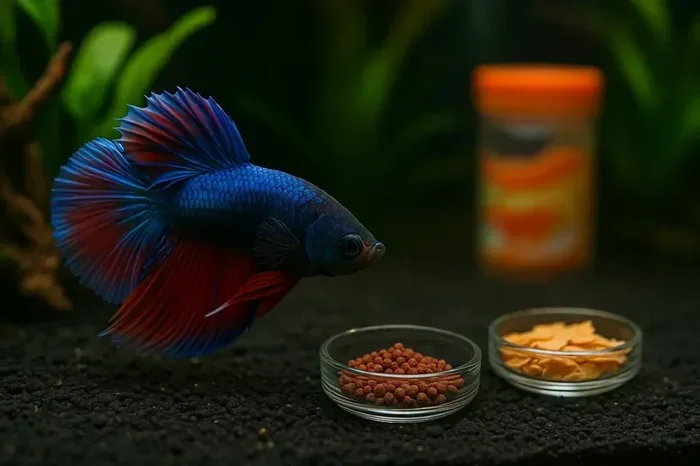
Bettas are carnivores and need protein-rich food. Other fish might eat betta food, or vice versa. Use a feeding strategy that meets everyone’s needs. Drop betta pellets near your betta’s favorite spot. Then scatter sinking pellets or flakes for the other fish in a different area of the tank. This prevents food competition and ensures every fish gets enough to eat.
Quarantine New Fish
Always quarantine new fish for at least two weeks before adding them to your community tank. This prevents the spread of diseases and parasites. A separate quarantine tank is a small investment that saves a lot of headaches down the road.
Common Mistakes to Avoid
Even experienced fish keepers make mistakes with betta community tanks. Here are the most common ones and how to avoid them.
- Overcrowding the tank: Too many fish creates stress and aggression. Stick to the recommended numbers for your tank size.
- Ignoring water quality: Dirty water leads to disease and behavioral problems. Test and change water regularly.
- Choosing fish based on looks alone: A beautiful fish might be aggressive or incompatible. Research every species before adding it.
- Skipping hiding spots: Without places to hide, fish have nowhere to retreat. This leads to constant stress and fighting.
- Adding fish too quickly: Rushing introductions almost always causes problems. Patience pays off in a peaceful tank.
Avoiding these mistakes gives your betta and its tank mates the best chance at a happy, healthy life. A little planning goes a long way.
Conclusion
So, can you have other fish with bettas? Absolutely. The key is choosing compatible tank mates, setting up the right environment, and monitoring your tank closely. A well-planned community tank can be a stunning showcase of color and movement. Your betta doesn’t have to live alone — it just needs the right companions and the right conditions.
Start small, do your research, and be patient. Add fish one at a time and watch how everyone interacts. With the tips in this guide, you’ll be well on your way to building a thriving, peaceful aquarium that both you and your betta will enjoy every day.
Frequently Asked Questions
Can a male betta live with other fish?
Yes, a male betta can live with other fish, but you need to choose peaceful, non-aggressive species carefully. Avoid bright-colored or long-finned fish that might trigger territorial behavior. Always provide plenty of hiding spots and monitor interactions closely.
What is the best fish to pair with a betta?
Neon tetras, harlequin rasboras, corydoras catfish, and nerite snails are among the best companions for bettas. These fish are peaceful, stay in different parts of the tank, and share similar water requirements. They add activity without triggering aggression.
Can bettas live with goldfish?
No, bettas and goldfish should never be housed together. Goldfish need cold water while bettas require warm water. Goldfish also grow much larger and can be aggressive, making them completely incompatible with bettas.
How many fish can you keep with a betta?
In a 10-gallon tank, you can keep a betta plus 4 to 6 small peaceful fish. The exact number depends on the species and the tank setup. Always prioritize space and avoid overcrowding to keep stress levels low.
Do bettas eat other fish?
Bettas are not typically predators of other fish, but they may eat very small fish or shrimp that fit in their mouth. More commonly, bettas will bully or chase smaller fish rather than eat them. Choose tank mates that are similar in size to avoid this issue.
Can you keep a betta in a community tank with shrimp?
Yes, bettas can often live with shrimp like amano shrimp or cherry shrimp. However, some bettas may see small shrimp as food. Providing plenty of plants and hiding spots gives shrimp a better chance of survival in a community setup.