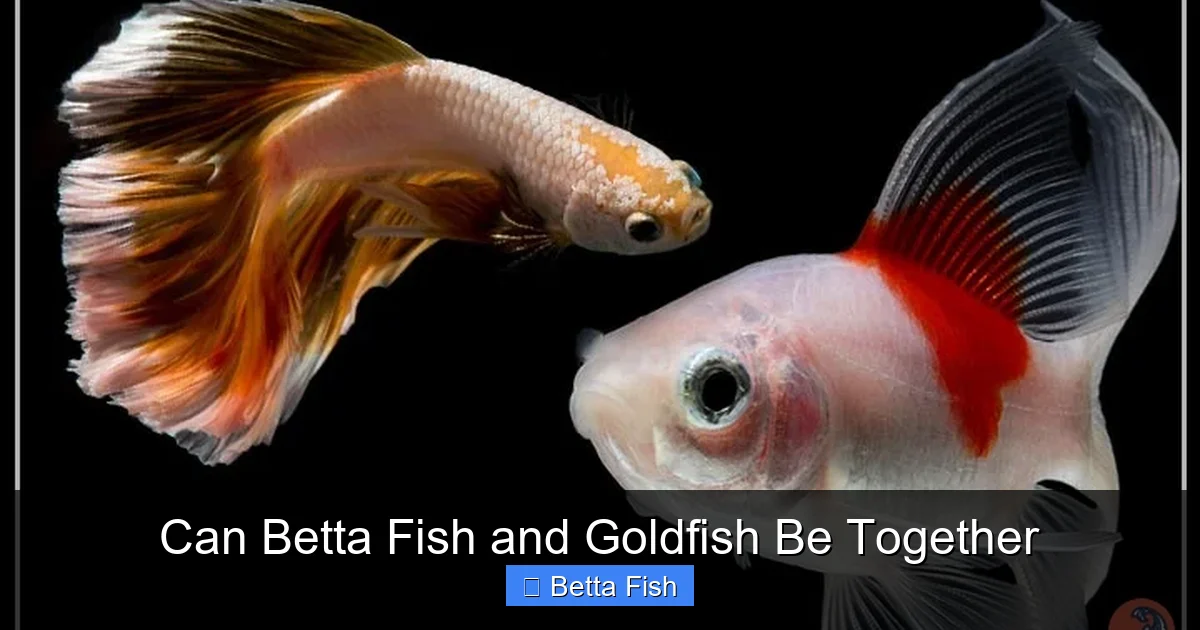
Can Betta Fish and Goldfish Be Together
Can betta fish and goldfish be together? In most cases, no—different water needs, temperaments, and sizes make sharing a tank risky. However, with careful planning, proper filtration, and vigilant monitoring, a limited, supervised setup might work for advanced hobbyists.
Key Takeaways
- Different water temperatures: Betta fish thrive at 76‑82°F, while goldfish prefer cooler 65‑75°F.
- Size and aggression: Goldfish can outgrow bettas and may nip fins, leading to stress.
- Filtration demands: Goldfish produce heavy waste; a strong filter is essential for any shared tank.
- Tank size matters: A minimum of 30 gallons is recommended if you attempt a mixed community.
- Monitor behavior constantly: Early signs of stress require immediate separation.
- Alternative companions: Consider peaceful community fish that match the betta’s temperature and temperament.
- Research before you buy: Read reputable sources like “Can You Keep Goldfish With Betta Fish” for detailed guidelines.
📑 Table of Contents
- Introduction: The Curious Question
- 1. Understanding the Basics: Betta vs. Goldfish
- 2. The Core Question: Can Betta Fish and Goldfish Be Together?
- 3. Setting Up a Mixed Tank (If You Choose to Try)
- 4. Warning Signs: When to Separate
- 5. Alternatives: Better Tank Mates for Bettas and Goldfish
- Conclusion: The Bottom Line
Introduction: The Curious Question
If you’ve ever stared at a bright betta flaring its fins beside a goldfish’s graceful bubbles, you’ve probably wondered, can betta fish and goldfish be together in the same aquarium. The idea sounds appealing—two beautiful species, double the color, and a lively tank. Yet, many hobbyists quickly discover that what looks good on paper can turn into a stressful nightmare for the fish.
In this article we’ll break down every factor that influences whether bettas and goldfish can share a home. We’ll compare their natural habitats, water requirements, temperaments, and health needs. We’ll also give you step‑by‑step tips for setting up a mixed tank—if you decide to try it—and explain the warning signs that mean it’s time to separate them.
1. Understanding the Basics: Betta vs. Goldfish
1.1. Origin and Natural Environment
Betta fish (Betta splendens) come from the warm, shallow waters of Southeast Asia. They are accustomed to slow‑moving, warm water and often live among dense vegetation. Goldfish (Carassius auratus), on the other hand, are native to temperate lakes and streams in East Asia. They thrive in cooler, well‑oxygenated water and can handle a wider range of temperatures.
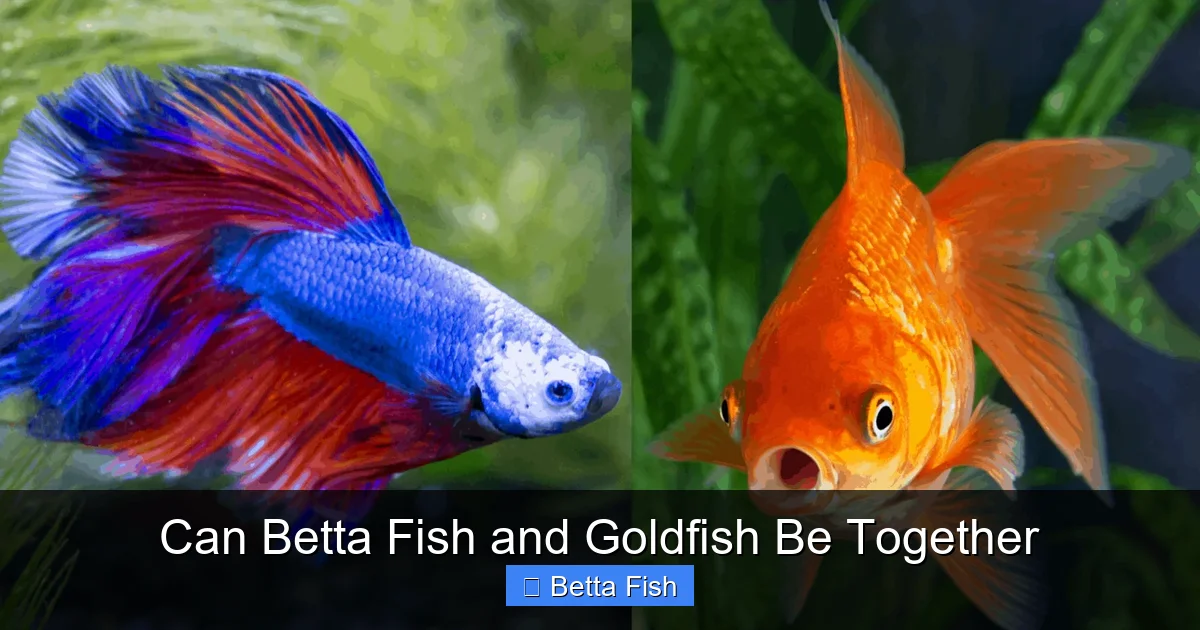
Visual guide about Can Betta Fish and Goldfish Be Together
Image source: theaquariumguide.com
1.2. Temperature Preferences
One of the biggest hurdles to answering can betta fish and goldfish be together is temperature. Bettas love water that stays between 76°F and 82°F (24‑28°C). Goldfish feel most comfortable at 65°F‑75°F (18‑24°C). Trying to keep the tank at a middle ground often leaves one species stressed.
1.3. Size and Growth
Adult bettas typically reach 2‑3 inches in length, while goldfish can grow 6‑12 inches (or more) depending on the variety. A single goldfish can easily outgrow a betta’s space, creating competition for swimming room and hiding spots.
1.4. Temperament and Social Behavior
Bettas are famously territorial, especially males. They flare their gill covers and may bite if they feel threatened. Goldfish are generally peaceful but can be nippy, especially if they mistake a betta’s long fins for food. The combination often leads to fin damage and chronic stress.
2. The Core Question: Can Betta Fish and Goldfish Be Together?
2.1. Short Answer
In most typical home aquarium setups, no, betta fish and goldfish should not be kept together. The differences in temperature, waste load, and temperament make a shared environment unsafe for at least one of the fish.
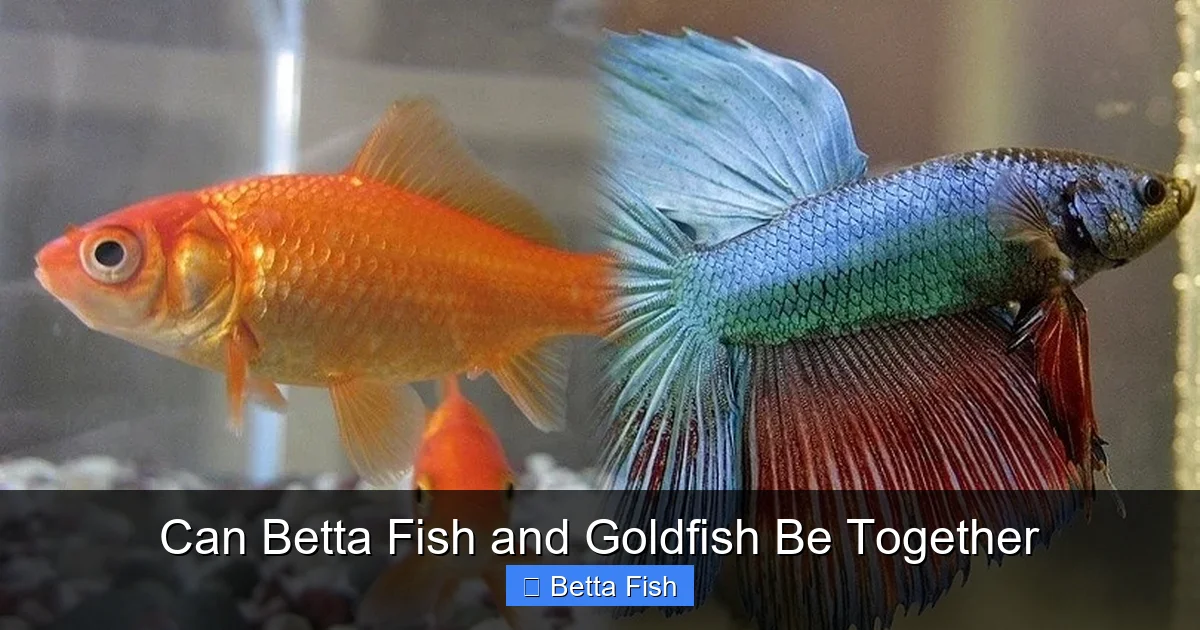
Visual guide about Can Betta Fish and Goldfish Be Together
Image source: hepper.com
2.2. When It Might Work
Advanced hobbyists with large, well‑filtered tanks (30+ gallons) and precise temperature control sometimes succeed. Success hinges on:
- Maintaining a stable temperature around 78°F (25.5°C) – warm enough for the betta but not too hot for a hardy goldfish variety.
- Providing abundant plants and decorations to create separate territories.
- Using a powerful filter (minimum 5‑times the tank volume per hour) to handle goldfish waste.
- Choosing a calm, slow‑moving goldfish type (e.g., fancy varieties) that are less likely to chase.
Even with these precautions, constant observation is required. If you notice any signs of stress—pale fins, clamped gills, or aggressive chases—separate the fish immediately.
2.3. Real‑World Examples
Many hobbyists report that a single male betta can live with a single goldfish for a few weeks, but problems usually arise after the goldfish’s waste builds up, clouding the water and stressing the betta. In a well‑maintained 40‑gallon tank with a canister filter, a few owners have kept a betta and a goldfish together for several months, but they all emphasize the need for daily water checks.
3. Setting Up a Mixed Tank (If You Choose to Try)
3.1. Choosing the Right Tank Size
Never attempt a mixed tank in a bowl or a 5‑gallon setup. A minimum of 30 gallons provides enough water volume to dilute waste and enough space for each fish to establish its own territory.
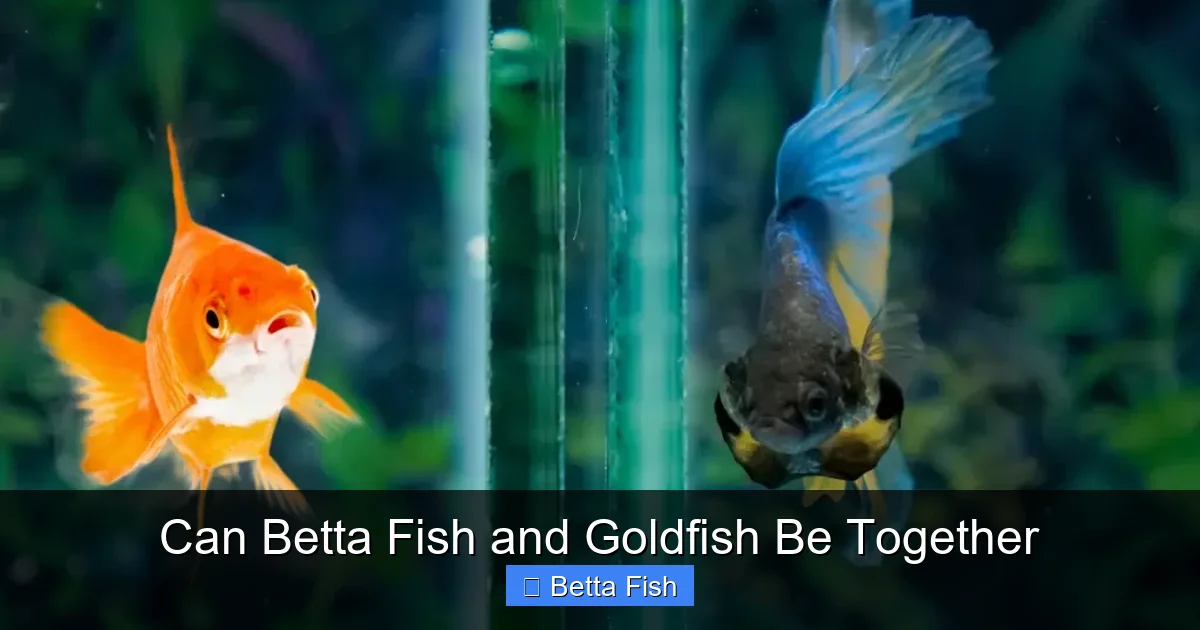
Visual guide about Can Betta Fish and Goldfish Be Together
Image source: healthyhomeaquarium.com
3.2. Filtration and Water Quality
Goldfish are prolific waste producers. A high‑capacity filter is non‑negotiable. Look for a canister or power filter rated for at least 150 gallons per hour. Add a sponge filter for gentle surface agitation, which helps oxygenate the water without creating strong currents that stress bettas.
3.3. Heating and Temperature Control
Install a reliable aquarium heater with an adjustable thermostat. Set it to 78°F (25.5°C) and monitor daily with a calibrated thermometer. If the tank is too warm for your goldfish, consider a cold‑water tolerant fancy goldfish or a goldfish variety that tolerates slightly higher temperatures.
3.4. Decorating for Separate Territories
Use live plants (like java fern or anubias) and tall décor to create visual barriers. Provide a dense “betta castle” where the betta can hide, and a separate open swimming area for the goldfish. The goal is to reduce line‑of‑sight encounters that trigger aggression.
3.5. Feeding Strategies
Feed the betta high‑protein pellets or frozen bloodworms once or twice daily. Feed the goldfish a sinking pellet or flake designed for cold‑water fish. Feed them at opposite ends of the tank to prevent the goldfish from stealing the betta’s food and causing competition.
3.6. Monitoring Health
Test water weekly for ammonia, nitrite, nitrate, and pH. Keep ammonia and nitrite at 0 ppm, and maintain nitrate below 20 ppm. Watch for signs such as clamped fins, faded colors, or ragged edges—these often indicate stress from poor water quality or bullying.
4. Warning Signs: When to Separate
4.1. Behavioral Red Flags
- Fin nipping: Goldfish scraping or biting the betta’s fins.
- Chasing: Persistent pursuit by the goldfish or betta.
- Stress posture: Betta staying at the bottom, gill covers constantly flared.
4.2. Physical Indicators
- Faded colors: Both species lose their vibrant hues when stressed.
- White spots or fungus: Result from weakened immune systems.
- Rapid breathing: Gasping at the surface signals low oxygen or poor water.
4.3. Immediate Action Steps
If any of these signs appear, move the betta to a separate, appropriately heated tank (at least 5 gallons) and keep the goldfish in its original setup. This quick separation can prevent permanent damage and reduce the risk of disease.
5. Alternatives: Better Tank Mates for Bettas and Goldfish
5.1. Ideal Companions for Betta Fish
When looking for tank mates, choose peaceful, non‑aggressive species that share the same temperature range. Good options include:
- Neon tetras (small, schooling fish)
- Corydoras catfish (bottom dwellers)
- Snails (e.g., Nerite snails)
Read more about compatible species in our guide “Can You Keep Guppies And Betta Fish Together”.
5.2. Ideal Companions for Goldfish
Goldfish do best in species‑only tanks or with other cold‑water fish such as:
- White cloud minnows
- Other goldfish varieties (keeping similar size groups)
- Cold‑water loaches
5.3. When to Choose a Species‑Only Tank
If you’re new to the hobby, starting with a species‑only tank is safest. It eliminates the stress of mismatched water parameters and allows you to master filtration and water changes before adding more complex community setups.
Conclusion: The Bottom Line
So, can betta fish and goldfish be together? The short answer is generally no, because of conflicting temperature needs, waste production, and temperaments. However, with a large, well‑filtered tank, precise temperature control, and diligent observation, a limited mixed setup can work for experienced aquarists. Always prioritize the health and wellbeing of each fish—if any sign of stress appears, be ready to separate them immediately.
Before you make a decision, explore related articles such as “Can You Keep Betta Fish With Goldfish” and “Can You Keep Multiple Betta Fish Together” for deeper insights. Remember, a happy aquarium is a healthy aquarium, and sometimes the best companionship is a single, well‑cared‑for fish.
Frequently Asked Questions
Can betta fish and goldfish share the same temperature?
Only in a narrow range around 78°F (25.5°C). This temperature is a compromise but can still stress a goldfish that prefers cooler water.
Will a goldfish eat a betta’s fins?
Goldfish may nip at long fins, especially if they mistake them for food. This can cause serious injuries to the betta.
Do bettas and goldfish need the same type of filter?
No. Goldfish produce much more waste, so a high‑capacity filter is essential. Bettas need gentle water flow, so a sponge or low‑flow filter is ideal.
Can I keep a female betta with a goldfish?
Female bettas are slightly less aggressive than males, but the temperature and waste issues remain. The same precautions apply.
Is it legal to keep bettas and goldfish together in all regions?
Regulations vary. Some areas restrict certain species combinations for welfare reasons. Always check local fish‑keeping laws.
What’s the best emergency plan if the fish start fighting?
Prepare a separate quarantine tank in advance. If aggression occurs, quickly move the betta to the quarantine tank with its own heater and monitor both tanks for stress.