Can Betta Fish Be in a Tank with Other Fish

Yes, betta fish can live with other fish — but it depends on tank size, temperament, and proper setup. Choosing the right betta tank mates and following a few simple rules makes a community tank work beautifully. This guide covers everything you need to know about creating a peaceful aquarium setup with your betta.
So, you love your betta fish and want to add some friends to the tank. That’s a great idea — but it comes with questions. Can betta fish be in a tank with other fish? The short answer is yes. But the longer answer involves understanding your betta’s personality, choosing the right companions, and setting up the tank correctly.
Many fish keepers assume bettas are always aggressive. That’s not entirely true. Bettas are peaceful community fish when given the right environment. Some bettas love company, while others prefer to be alone. Knowing the difference is key to a happy aquarium.
This guide walks you through everything you need to know. From picking the best tank mates to avoiding common mistakes, you’ll find practical advice you can use right away. Let’s dive in.
Key Takeaways
- Betta fish can coexist with compatible peaceful species in a well-planned tank.
- Tank size matters a lot — a minimum of 5 gallons is recommended for community setups.
- Avoid aggressive or flashy fish that may trigger your betta’s territorial behavior.
- Snails, shrimp, and certain small fish make excellent betta tank mates.
- Watch for signs of stress and be ready to separate fish if needed.
- Proper tank setup with hiding spots and plants reduces conflict significantly.
📑 Table of Contents
Understanding Betta Fish Temperament
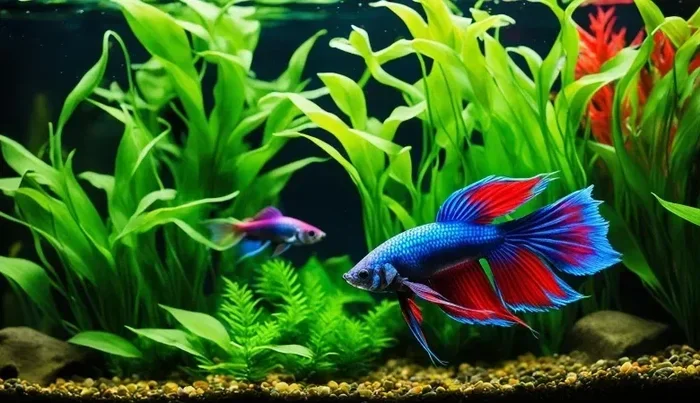
Before adding any tank mates, you need to understand your betta’s personality. Bettas are often called Siamese fighting fish for a reason. Males, especially, can be territorial. They flare their gills and display bright colors to warn off rivals.
But here’s the thing — not all bettas are fighters. Many bettas are calm and curious. They explore their tank, interact with decorations, and even seem to enjoy the company of other fish. Betta personality varies from fish to fish, just like people.
Male vs. Female Betta Behavior
Male bettas tend to be more territorial. They have long, flowing fins and vivid colors. A male betta may see bright or long-finned fish as rivals and act aggressively toward them.
Female bettas are generally less aggressive. You can sometimes keep a group of female bettas together — called a betta sorority — in a larger tank with plenty of hiding spots. But even females need careful introductions.
Signs Your Betta Is Stressed
Watch for these warning signs when introducing new fish:
- Constant flaring or chasing
- Refusing to eat
- Hiding in corners or behind decorations
- Clamped fins close to the body
- Color fading or dullness
If you notice any of these, your betta may not be happy with its current setup. Sometimes a simple change — like adding more plants or moving a aggressive tank mate — solves the problem.
Best Tank Mates for Betta Fish
Not all fish make good companions for bettas. You need species that are peaceful, similar in size, and comfortable in the same water conditions. Betta tank mates should complement your betta, not compete with it.
Top Peaceful Fish for a Betta Community Tank
Here are some of the best options to consider:
- Neon Tetras — Small, peaceful, and fast. They stay in the upper and middle water levels, reducing encounters with your betta.
- Corydoras Catfish — Bottom dwellers that mind their own business. They’re gentle and fun to watch.
- Harlequin Rasboras — Schooling fish that add movement without bothering your betta.
- Pygmy Corydoras — Tiny and shy. They stay near the substrate and rarely interact with bettas.
- Ember Tetras — Small, orange-colored fish that are peaceful and easy to care for.
Invertebrates as Betta Companions
Snails and shrimp are excellent choices. They stay out of your betta’s way and add interesting dynamics to the tank.
According to our guide on what can be in a tank with betta fish, snails like Nerite snails and Amano shrimp are some of the safest companions. They don’t compete for territory and help keep the tank clean.
Ghost shrimp and cherry shrimp also work well. Just know that some bettas may try to snack on smaller shrimp. It’s part of their natural hunting instinct.
Fish to Avoid with Bettas
Some fish simply don’t get along with bettas. Here’s what to keep away:
- Goldfish — They produce too much waste and need colder water, which is bad for bettas.
- Guppies — Their bright colors and long fins can trigger your betta’s aggression.
- Angelfish — Too large and can become bullies in a small tank.
- Other male bettas — Two males will almost always fight, sometimes to the death.
If you’re wondering specifically about goldfish, check out our detailed article on can betta fish be in a tank with goldfish for more specifics.
Tank Size and Setup Requirements
The right environment makes all the difference when keeping bettas with other fish. A cramped tank leads to stress, aggression, and health problems. Giving your fish enough space is the single most important thing you can do.
Minimum Tank Size for Community Setups
For a single betta with a few tank mates, aim for at least 10 gallons. Our article on can betta fish be in a 10 gallon tank explains why this size works so well.
Here’s a quick comparison of tank sizes and what they support:
| Tank Size | Betta Alone | With 1-2 Tank Mates | With 3-5 Tank Mates |
|---|---|---|---|
| 5 gallons | Yes | Not recommended | No |
| 10 gallons | Yes | Yes — small peaceful fish | Not ideal |
| 20 gallons | Yes | Yes — multiple species | Yes — good community tank |
| 30+ gallons | Yes | Yes — larger species | Yes — thriving community |
Larger tanks give fish room to establish territories. They also make it easier to maintain stable water parameters, which is crucial for betta health.
Plants and Decorations
Live plants are your best friend in a community betta tank. They provide hiding spots, reduce stress, and improve water quality. Some great options include:
- Java fern
- Anubias
- Amazon sword
- Java moss
- Floating plants like water lettuce
Decorations like caves and driftwood also help. They break up lines of sight and give fish places to retreat when they feel threatened.
Water Parameters for a Mixed Tank
Bettas and their tank mates need compatible water conditions. Here’s what to aim for:
- Temperature: 76-82°F (24-28°C)
- pH: 6.5-7.5
- Ammonia: 0 ppm
- Nitrite: 0 ppm
- Nitrate: Below 20 ppm
Always cycle your tank before adding new fish. A well-cycled tank means stable water quality, which keeps everyone healthy and stress-free.
How to Introduce New Fish Safely
Throwing a new fish into your betta’s tank is a recipe for disaster. A slow, careful introduction process dramatically increases your chances of success.
Step-by-Step Introduction Process
- Quarantine new fish for at least two weeks in a separate tank. This helps you spot any diseases before they spread.
- Set up your main tank with plenty of plants and hiding spots before adding anyone new.
- Use a breeder box or divider to let your betta and the new fish see each other without direct contact for the first 24-48 hours.
- Feed both fish during this visual introduction. Full bellies reduce aggression.
- Release the new fish when your betta shows calm behavior. Watch closely for the next few hours.
- Monitor daily for the first week. Look for chasing, flaring, or hiding.
Patience is the key here. Rushing the process often leads to problems that take days or weeks to fix.
Quick Tips for a Smooth Transition
- Introduce new fish in the evening when bettas are less active.
- Rearrange decorations slightly after adding a new fish — it resets territories.
- Feed your betta well before the introduction so it’s less interested in chasing.
- Keep lights dim for the first 24 hours to reduce stress for everyone.
Common Mistakes to Avoid
Even experienced fish keepers make mistakes. Here are the most common ones when setting up a betta community tank:
Overcrowding the Tank
Too many fish in a small space creates tension. Every fish needs its own territory, even if it’s just a corner of the tank. Stick to the recommended tank sizes and don’t add too many fish at once.
Ignoring Water Quality
Dirty water stresses fish out. Stressed bettas become aggressive. Stressed tank mates become sick. Regular water changes and proper filtration are non-negotiable. Learn more about using filters in betta tanks to keep water crystal clear.
Choosing the Wrong Species
Not every peaceful fish works with bettas. Some species are too active, too nippy, or too similar in appearance. Always research each species before adding it to your betta tank.
Skipping the Quarantine Period
New fish can carry diseases that spread quickly in a community tank. A two-week quarantine is a small price to pay for protecting your entire setup.
Expert Insights on Betta Community Tanks
Experienced aquarists agree that the secret to a successful betta community tank comes down to three things: space, compatible species, and observation.
According to expert aquarists, the 20-gallon long tank is the sweet spot for beginners. It’s large enough to support a small community but small enough to manage easily. The low footprint gives bettas plenty of horizontal swimming space, which they prefer.
Another key insight: each betta is an individual. Some will happily live with a community of peaceful fish for years. Others will do best alone, no matter what you try. Watching your fish’s behavior over time is the best guide.
If you’re considering a larger setup, our article on can betta fish be in a big tank covers the benefits of larger aquariums for bettas and their companions.
For more ideas on compatible species, check out which fish can live with betta fish in a tank for a comprehensive list of proven companions.
Conclusion
Can betta fish be in a tank with other fish? Absolutely — when done right. The key is choosing compatible species, providing enough space, and monitoring your fish regularly. A well-planned community tank can be a beautiful, peaceful, and rewarding experience for both you and your fish.
Start small. Add one or two peaceful tank mates to your betta’s tank and observe how they interact. Be patient, be attentive, and be willing to make changes if something isn’t working. Every fish deserves a happy, healthy home, and with the right approach, your betta can enjoy the company of others.
Remember, the effort you put into setting up the right environment pays off in spades. You’ll get to enjoy a vibrant, lively aquarium that brings joy every single day. Happy fish keeping!
Frequently Asked Questions
Can betta fish live with goldfish?
No, bettas and goldfish are generally not good tank mates. Goldfish need colder water and produce a lot of waste, which is harmful to bettas. They also have different temperature and water quality requirements, making shared tanks risky for both fish.
How many fish can I keep with a betta?
In a 10-gallon tank, you can keep your betta with 2-3 small, peaceful fish. In a 20-gallon tank, you can expand to 4-6 tank mates. Always prioritize space and avoid overcrowding to keep stress levels low for everyone.
Can two male bettas live in the same tank?
No, two male bettas should never share a tank. They will fight aggressively, often resulting in injury or death. Even a visual barrier between them causes constant stress. Keep male bettas in separate tanks.
What is the best betta tank mate for beginners?
Neon tetras, corydoras catfish, and Nerite snails are excellent choices for beginners. They are peaceful, hardy, and comfortable in the same water conditions as bettas. They also add visual interest to the tank without creating conflict.
Do bettas get lonely in a tank by themselves?
Some bettas seem to enjoy company, while others prefer solitude. Signs of stress like lethargy or loss of color can indicate loneliness. However, many bettas live long, healthy lives alone in a well-set-up tank with plenty of enrichment.
Can I keep bettas with shrimp?
Yes, bettas can live with shrimp like Amano shrimp and ghost shrimp. However, some bettas may try to eat smaller shrimp like cherry shrimp. Providing plenty of plants and hiding spots gives shrimp a better chance of survival in a betta tank.