Can Any Other Fish Be with a Betta
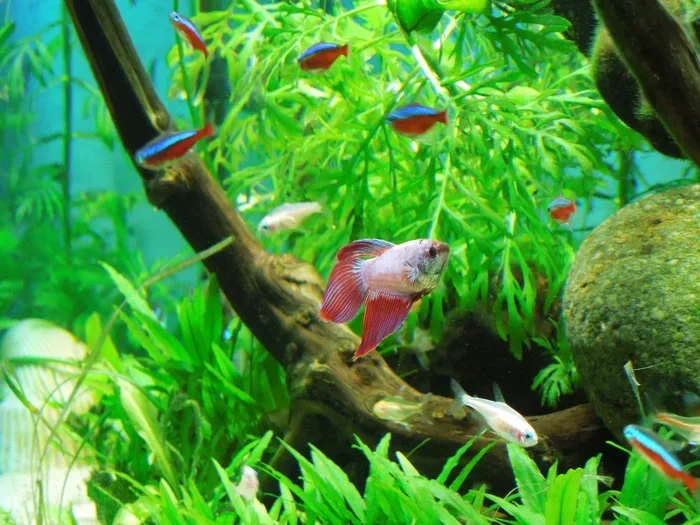
Yes, bettas can live with other fish — but success depends entirely on choosing the right tank mates and setting up the environment properly. Not every fish species is compatible with a betta’s territorial nature, so picking peaceful, non-fin-nipping companions like corydoras, kuhli loaches, or neon tetras makes all the difference. With the right planning, you can create a thriving community tank that keeps your betta happy and healthy.
Can any other fish be with a betta? This is one of the most common questions new aquarium owners ask. The short answer is yes, but it depends on several important factors. Bettas are beautiful, vibrant fish that many people love to keep. However, they can also be territorial and aggressive. That means picking the right tank mates matters a lot. In this guide, we will walk you through everything you need to know about keeping betta fish with other fish. You will learn which species work, which ones to avoid, and how to set up a peaceful community tank.
Whether you are a beginner or a seasoned fish keeper, this article has practical tips for you. We will cover tank setup, compatible species, and warning signs to watch for. By the end, you will feel confident about adding tank mates to your betta’s home. So let us dive right in and explore the world of betta tank mates together.
Key Takeaways
- Choose peaceful, non-fin-nipping tank mates: Corydoras and neon tetras thrive with bettas.
- Quarantine new fish first: Prevents disease spread and reduces aggression risks.
- Add dense plants and hides: Creates safe zones and lowers stress.
- Never house two male bettas: They will fight relentlessly and injure each other.
- Maintain stable warm water: Betta health depends on consistent temperature and clean conditions.
- Introduce one tank mate at a time: Observe closely for any signs of chasing or stress.
📑 Table of Contents
What Does It Mean to House Fish with a Betta?
Keeping fish with a betta means creating a shared environment where multiple species live together peacefully. Bettas are also called Siamese fighting fish. They are native to the warm, slow-moving waters of Southeast Asia. In the wild, male bettas are solitary creatures. They defend their territory fiercely. This natural behavior plays a big role in how they interact with other fish in a tank.
Not every fish can live with a betta. Some species trigger aggression. Others may stress your betta out. The goal is to find peaceful community fish that share similar water conditions. You also need enough space so everyone has their own area. A well-planned tank can look stunning and keep all your fish healthy and happy.
Why Tank Mates Matter for Bettas
Bettas are not just pretty to look at. They are living creatures with personalities. Some bettas are calm and tolerate other fish well. Others may chase or nip at anything that swims by. Adding the wrong tank mate can lead to serious problems. Your betta might become stressed, stop eating, or even injure another fish. That is why choosing companions carefully is so important.
When you mix a betta with other fish, you create a community. A good community tank brings life and movement to your aquarium. It also gives your betta mental stimulation. Watching fish interact can be really rewarding. But it all starts with making smart choices about who shares the tank.
Which Fish Can Live with a Betta?
Finding the right companions for your betta is exciting. There are several species that work well in a shared tank. These fish tend to be peaceful, non-aggressive, and comfortable in the same water conditions as bettas. Let us look at some of the best options.
Peaceful Bottom Dwellers
Bottom-dwelling fish are great choices because they stay out of your betta’s space. Bettas prefer the top and middle levels of the tank. Fish that hang out at the bottom rarely cause conflicts.
- Corydoras catfish – These small, social fish are excellent tank mates. They stay busy scavenging the substrate and rarely bother your betta.
- Kuhli loaches – With their quirky, eel-like appearance, kuhlis are peaceful and fun to watch. They prefer groups and do best in tanks of 20 gallons or more.
- Otocinclus catfish – These tiny algae eaters are peaceful and help keep your tank clean. They are a great addition to a betta tank.
Schooling Fish That Work Well
Schooling fish add movement and color to your aquarium. When kept in groups, they tend to feel secure and stay out of your betta’s way.
- Ember tetras – These bright orange fish are small, peaceful, and easy to care for. They swim in the middle of the tank and rarely provoke bettas.
- Harlequin rasboras – Known for their striking black triangle pattern, these fish are calm and make wonderful companions for bettas.
- Neon tetras – A classic choice for community tanks. Just make sure you keep them in groups of six or more so they feel safe.
Invertebrates as Tank Mates
Not all tank mates need to be fish. Invertebrates can be fantastic companions for bettas. They add variety and interest to your aquarium.
- Amano shrimp – These hardworking shrimp eat algae and are generally safe with bettas. Most bettas ignore them or treat them as background decor.
- Mystery snails – Colorful and slow-moving, mystery snails are a popular choice. They help clean up leftover food and algae. Just watch for any signs of nipping.
- Ghost shrimp – These are inexpensive and great algae eaters. They are fast enough to avoid most betta attention.
Fish to Avoid Keeping with a Betta
Just as some fish work well with bettas, others can cause serious problems. Understanding which fish to avoid is just as important as knowing which ones to choose. Let us look at some common mistakes aquarists make.
Aggressive or Fin-Nipping Species
Bettas have long, flowing fins that can trigger aggressive behavior in certain species. Fish that nip at fins will cause stress and injury to your betta.
- Tiger barbs – These fish are notorious fin nippers. They will chase and bite your betta’s fins constantly. Avoid them at all costs.
- Guppies – While many people keep guppies with bettas, this can be risky. Male guppies have long tails that resemble betta fins. This can trigger aggression from your betta.
- Angelfish – These fish can grow quite large and may become aggressive. They are not ideal companions for most bettas.
Fish That Compete for the Same Space
Some fish occupy the same areas of the tank as bettas. This creates competition and conflict. You want to avoid species that share your betta’s favorite spots.
- Other male bettas – Two male bettas should never be kept together. They will fight, and the results can be fatal. Can male bettas live together? The answer is a firm no.
- Gouramis – These fish are closely related to bettas and tend to be aggressive. They often claim the same territory and fight.
- Goldfish – Goldfish need cold water, while bettas need warm water. Their needs are completely different. Keeping them together is not a good idea.
How to Set Up a Tank for Betta and Other Fish
A successful community tank starts with the right setup. You cannot just throw fish together and hope for the best. Proper planning makes all the difference. Here is how to create a safe and comfortable environment for your betta and its tank mates.
Tank Size Requirements
Tank size is the foundation of a peaceful community. Bettas need at least 5 gallons on their own. When you add other fish, you need more space. A general rule is to add 2 to 3 gallons for each additional fish. A 20-gallon tank is often the sweet spot for a betta with a few companions.
More space means less territorial behavior. Fish have room to establish their own areas. This reduces stress and aggression. If your tank is too small, conflicts are much more likely to happen.
Plants and Hiding Spots
Live plants are your best friend when keeping a betta with other fish. Plants break up lines of sight and create natural barriers. Your betta will feel more secure, and other fish will have places to hide.
- Java moss – Easy to grow and provides excellent cover for small fish and shrimp.
- Amazon sword – A large plant that creates a natural centerpiece and gives fish plenty of hiding spots.
- Anubias – A hardy plant that grows on driftwood or rocks. Bettas love resting on anubias leaves.
Add caves, driftwood, and decorations too. These give every fish its own territory. When each fish has a place to call home, aggression drops significantly.
Water Parameters and Maintenance
Keeping water conditions stable is crucial for a healthy community tank. Bettas prefer warm water between 76 and 82 degrees Fahrenheit. Most peaceful community fish share this range. Test your water regularly for ammonia, nitrite, and nitrate levels.
Perform regular water changes, about 25 percent every week. This keeps the tank clean and reduces stress on all inhabitants. A good filter is essential, but make sure the current is not too strong. Bettas prefer slow-moving water, so adjust your filter output if needed.
Signs Your Betta Gets Along with Tank Mates
How do you know if your betta is happy living with other fish? Watch for these positive signs. They tell you that your setup is working.
- Your betta eats normally. A stressed betta will stop eating. If your fish is feeding well, that is a great sign.
- Bright, relaxed fins. When a betta feels safe, its fins spread out and look vibrant. Clamped fins indicate stress or fear.
- No chasing or flaring. Occasional flaring is normal. But if your betta constantly chases other fish, something is wrong.
- Other fish are active and healthy. If your tank mates are thriving, the community is balanced.
Warning Signs to Watch For
Not every situation works out. Sometimes you need to rehome a fish. Watch for these red flags.
- Your betta flares constantly at a specific fish.
- Other fish have torn or damaged fins from chasing.
- Your betta stops eating or hides all the time.
- Fish are gasping at the surface or staying in corners.
If you notice these problems, act quickly. Separate the aggressive fish or remove the stressed one. The health and safety of all your fish should always come first.
Final Thoughts on Keeping Betta Fish with Others
So, can any other fish be with a betta? The answer is yes, but with careful planning and smart choices. You need to pick compatible species, provide enough space, and monitor behavior closely. A well-planned community tank can be a beautiful and rewarding experience for both you and your fish.
Start with a larger tank, add plenty of plants and hiding spots, and choose peaceful companions. Avoid aggressive or fin-nipping species at all costs. Watch your fish daily and be ready to make changes if needed. Every tank is different, and what works for one betta may not work for another.
Remember that patience is key. Give your fish time to adjust to each other. It can take days or even weeks for a new community to settle in. With the right approach, you can create a harmonious aquarium where your betta and its tank mates thrive together. Enjoy the process, learn from your experiences, and most importantly, have fun building your underwater community.
Frequently Asked Questions
Can Any Other Fish Be with a Betta?
Yes, some fish can live peacefully with a betta, but it depends on the species and tank setup. Peaceful, non-fin-nipping fish like corydoras and kuhli loaches tend to work well. Always monitor their behavior closely when first introducing tank mates.
What Fish Can Live with a Betta Safely?
Good tank mates for bettas include neon tetras, ember tetras, and harlequin rasboras. Snails like mystery snails and nerite snails are also excellent companions. These fish share similar water temperature and pH preferences with bettas.
Can Bettas Live with Goldfish?
No, bettas and goldfish should never be housed together. Goldfish produce a lot of waste, which degrades water quality quickly. Goldfish also grow large and need cooler water temperatures than bettas require.
Are Bettas Aggressive Toward Other Fish?
Bettas can be territorial, especially males, but aggression levels vary from fish to fish. Some bettas are calm and tolerate other fish just fine. Others may flare or chase tank mates, so you need to know your individual betta’s temperament.
Can You Put a Betta with Guppies?
Guppies can sometimes live with bettas, but it is a risky pairing. Male guppies have bright colors and long tails that may trigger a betta’s aggression. If you try this combination, provide plenty of hiding spots and watch for fin nipping.
How Do You Introduce a New Fish to a Betta?
Start by placing the new fish in a separate container near the betta tank for a few days. This lets both fish get used to each other’s presence without direct contact. After a few days, release the new fish into the tank and watch for any signs of chasing or aggression.