What Can a Betta Fish Eat
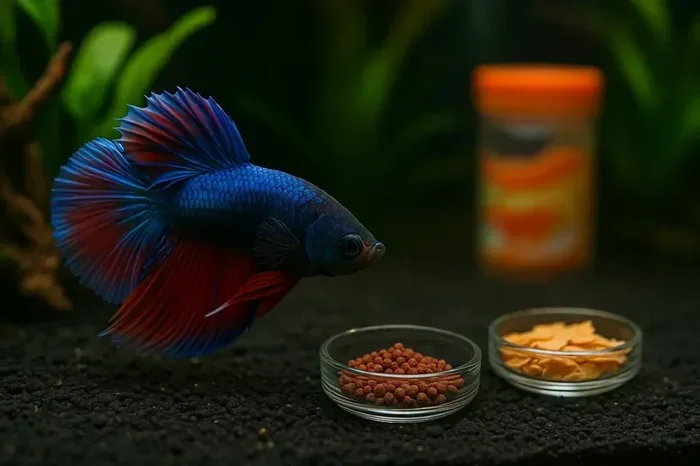
So, what can a betta fish eat? The short answer is a variety of protein-rich foods including pellets, frozen brine shrimp, bloodworms, and daphnia. A balanced betta fish diet keeps them healthy, colorful, and active. This guide covers everything from the best foods to feeding schedules and common mistakes to avoid.
If you own a betta fish, one of the most important things you can do is get their diet right. A proper betta fish diet keeps them vibrant, active, and living their best life. But with so much advice out there, it can feel confusing to know exactly what to feed your finned friend.
This guide answers the big question: what can a betta fish eat. We will cover everything from the best commercial foods to natural treats and the foods you should never offer. Whether you are a new betta owner or have had fish for years, you will find practical tips here to improve your feeding routine.
The truth is, bettas are not picky eaters — they are opportunistic feeders. In the wild, they eat insects, larvae, and small crustaceans. Replicating that diet in a home aquarium is simpler than you might think. Let us dive into the details.
Key Takeaways
- Betta fish need a protein-rich diet made up of pellets, frozen foods, and occasional live treats.
- Feeding frequency matters — most bettas do well with two small meals per day.
- Avoid bread, crackers, and processed human food as these can harm your fish.
- Variety is key to preventing boredom and nutritional gaps in your betta’s diet.
- Overfeeding is the most common mistake and can lead to serious health problems.
- Watch for signs of poor nutrition like dull color, low energy, and loss of appetite.
- Always soak pellets before feeding to prevent digestive issues like bloating.
📑 Table of Contents
What Do Betta Fish Eat in the Wild?
Understanding your betta’s natural diet helps you choose the right foods at home. Wild bettas live in warm, shallow waters across Southeast Asia. Their meals come from whatever they can find near the water’s surface.
In their natural habitat, bettas hunt for:
- Insect larvae and small bugs that fall on the water
- Mosquito larvae and other tiny aquatic organisms
- Small crustaceans like daphnia and brine shrimp
- Zooplankton and other microscopic food sources
Because bettas evolved as surface feeders, they have a special labyrinth organ that lets them breathe air. This means they naturally look upward for food. Keep this in mind when choosing betta fish food — sinking pellets are not ideal for their natural feeding behavior.
Now that you know where wild bettas get their nutrition, let us look at the best options for your pet.
Best Foods for Your Betta Fish
There are many types of food you can offer your betta. The best approach is to mix several options for a well-rounded betta nutrition plan. Here are the top choices.
Betta Pellets
High-quality betta pellets should be the foundation of your fish’s diet. Look for pellets with a protein content of at least 35%. These are specially formulated to meet the nutritional needs of bettas. Soak them in tank water for a few minutes before feeding to prevent them from expanding inside your fish’s stomach.
Frozen and Freeze-Dried Foods
Foods like frozen brine shrimp, bloodworms, and daphnia are excellent treats. They are packed with protein and mimic what bettas would eat in the wild. Freeze-dried versions are convenient and have a long shelf life. Always soak freeze-dried food before offering it to your betta.
Live Foods
Live foods are the closest thing to a wild meal. You can feed your betta live brine shrimp, mosquito larvae, or daphnia. Many fish stores carry these, or you can culture them at home. Live foods encourage natural hunting behavior and make for a great enrichment activity.
For a more complete list of food options, check out our article on what foods can betta fish eat.
Betta Flakes
Flakes are widely available but not always the best choice. They tend to lose nutritional value quickly once opened and can crumble before your betta even eats them. If you use flakes, choose high-quality ones and feed small amounts.
How Often Should You Feed a Betta Fish?
Getting the feeding schedule right is just as important as choosing the right foods. Overfeeding is one of the biggest problems betta owners face.
Here is a simple feeding guide:
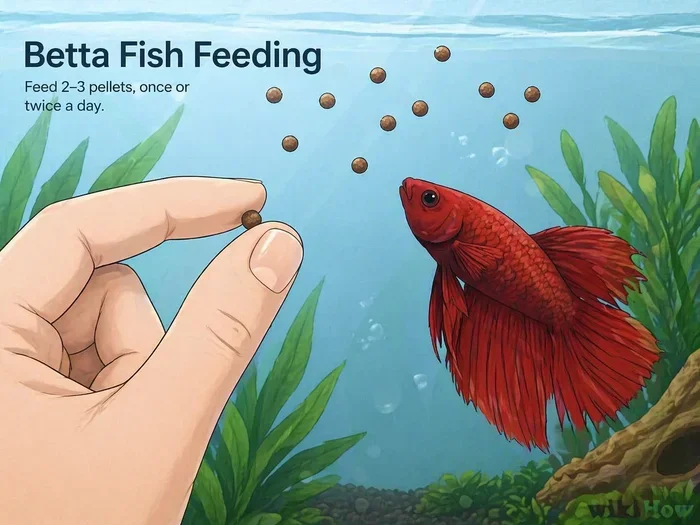
- Adult bettas: Feed two small meals per day, about 4-6 pellets each time.
- Baby bettas: Feed three to four small meals per day with smaller portions.
- Treat days: Offer frozen or live foods 2-3 times per week as a supplement.
A good rule of thumb is to feed only what your betta can consume in two minutes. If there is leftover food in the tank, you have given too much. Excess food decays quickly and pollutes the water, which can harm your fish.
Some owners like to fast their bettas one day per week. This helps their digestive system process any buildup. If you want to learn more about overfeeding risks, read our guide on can you over feed a betta fish.
Foods to Avoid Feeding Your Betta Fish
Not all human foods or fish foods are safe for bettas. Some can cause serious health issues. Here is what you should never offer your betta.
Bread and Bread Crumbs
Many people wonder, can a betta fish eat bread? The answer is a firm no. Bread expands in the water and can cause dangerous bloating in bettas. It also offers zero nutritional value and can lead to digestive blockages. For more details, see our article on can a betta fish eat bread.
Chocolate and Candy
Chocolate contains sugar and caffeine, both of which are harmful to fish. Never drop any candy or sweet treats into your aquarium.
Processed Human Food
Foods like crackers, chips, cookies, and cooked pasta should stay out of the tank. These are too high in carbohydrates and fillers that bettas cannot digest properly.
Feeding Too Much of One Food
Even if a food is healthy, feeding only one type creates nutritional gaps. Bettas need variety just like we do. Relying solely on flakes or solely on pellets will not give your fish a complete diet.
Signs Your Betta Fish Is Getting Proper Nutrition
It is not always obvious whether your betta is getting the right nutrients. However, there are clear signs that indicate a healthy diet.
Signs of a well-fed betta:
- Vibrant colors — bright reds, blues, and greens show good nutrition
- Active swimming — your betta explores the tank with energy
- Healthy appetite — your fish eats eagerly at feeding time
- Firm body shape — no bloating or visible weight loss
- Strong fins — fins are held open and not clamped or torn
Warning signs of poor nutrition:
- Dull or faded colors — a sign of vitamin deficiencies
- Lethargy — your betta hides or stays at the bottom
- Loss of appetite — refusing food for more than a day
- Bloating — could indicate overfeeding or constipation
- Clamped fins — a general sign of stress or illness
If you notice any of these warning signs, review your feeding habits and consider adjusting the diet. Sometimes switching to a higher-quality pellet or adding variety with frozen foods makes a big difference.
Expert Tips for a Perfect Betta Feeding Routine
Here are some pro tips that experienced betta owners swear by. These simple habits can make a huge difference in your fish’s health and lifespan.
1. Rotate foods weekly. Switch between pellets, frozen brine shrimp, and bloodworms throughout the week. This mimics natural feeding patterns and ensures your betta gets a broad range of nutrients.
2. Use a feeding ring. A feeding ring keeps pellets in one spot so your betta does not have to search. This also prevents food from drifting into the filter or settling in the substrate.
3. Wash your hands before feeding. This keeps harmful chemicals and oils out of the tank water. Simple hygiene goes a long way in maintaining a healthy aquarium.
4. Do not skip fasting days. One day without food per week helps prevent constipation and keeps the digestive system functioning well.
5. Watch your betta during feeding. Pay attention to how quickly they eat and whether they seem interested. A sudden change in appetite can signal illness or stress.
Following these tips consistently will help your betta thrive. A well-fed betta is a happy betta, and that means more vibrant colors and lively behavior for you to enjoy.
Conclusion
Figuring out what can a betta fish eat does not have to be complicated. The key is offering a varied, protein-rich diet centered on high-quality pellets, supplemented with frozen and live foods. Avoid harmful human foods like bread and chocolate, and stick to a consistent feeding schedule. By watching your betta’s behavior and appearance, you can adjust the diet to keep them healthy and happy for years to come.
Remember, every betta is different. Some may prefer pellets over live food, while others go crazy for frozen brine shrimp. The best approach is to experiment safely, observe your fish, and enjoy the process of caring for your colorful companion.
If you want to explore more about betta care and feeding, visit our full collection of betta fish articles for expert advice on every topic.
Frequently Asked Questions
Can betta fish eat goldfish food?
Goldfish food is not ideal for bettas. It is formulated for a different species and lacks the high protein levels bettas need. Betta-specific foods are always the better choice for proper nutrition.
Can betta fish eat plants?
Betta fish are primarily carnivores and do not get much nutrition from plants. However, some bettas may nibble on certain aquarium plants. If you want to know more, check out our article on can a betta fish eat a plant for detailed information.
How long can a betta fish go without eating?
Healthy adult bettas can survive 10 to 14 days without food, but this is not recommended. Skipping one day per week is beneficial, but longer periods of fasting can cause stress and nutritional deficiencies.
Can betta fish eat mosquito larvae?
Yes, mosquito larvae are one of the best natural foods for bettas. They are high in protein and closely resemble what bettas eat in the wild. You can culture mosquito larvae at home or purchase them from fish stores.
Is it okay to feed bettas every other day?
Feeding bettas every other day is generally not recommended. Adult bettas do best with one or two small feedings per day. Skipping days too often can lead to malnutrition and a weakened immune system.
What human foods are safe for betta fish?
Very few human foods are safe. Small amounts of cooked, unseasoned peas can help with constipation. However, most processed human foods like bread, chips, and chocolate should never be given to bettas.