Why My Betta Fish Won’t Eat
If your betta fish isn’t eating, it’s usually a sign of stress, poor water conditions, or an inappropriate diet, not necessarily a fatal illness. Most issues are fixable with careful observation and simple adjustments to their environment or feeding routine. Acting quickly to diagnose the cause is key to getting your vibrant companion back to its hungry, active self.
You tap the glass, offer their favorite pellet, and… nothing. Your usually ravenous betta fish just floats there, ignoring the meal. That familiar worry knot forms in your stomach. “Why is my betta fish not eating?” It’s one of the most common and distressing questions for betta owners. The good news? In the vast majority of cases, the reason your betta fish won’t eat is not a dire, untreatable emergency. It’s usually a communication breakdown—your fish is telling you something about its environment, its diet, or its health. This guide will walk you through every possible reason, from the simple to the serious, and give you the actionable steps to diagnose and fix the problem. We’ll turn that “why” into a clear “here’s how.”
Key Takeaways
- Water quality is the #1 culprit: Ammonia, nitrite, or improper pH and temperature are the most common reasons bettas refuse food.
- Diet matters immensely: Bettas are carnivores. A diet of cheap flakes or overfeeding can cause constipation and starvation.
- Stress is a silent appetite killer: Bright lights, loud noises, aggressive tank mates, or a small, barren tank can suppress hunger.
- Health issues often mimic fasting: Parasites, swim bladder disease, and dropsy present with lethargy and food refusal as early signs.
- New bettas need time: A newly introduced betta may fast for 3-7 days due to stress from relocation; patience is required.
- Boredom with food is real: Feeding the same pellet daily can lead to a disinterested betta; variety and treats are essential.
- Fast action prevents decline: A betta’s small body has minimal reserves. Addressing a loss of appetite within 48-72 hours is critical.
📑 Table of Contents
- 1. Understanding Your Betta: The Fussy Eater by Nature
- 2. The Prime Suspect: Water Quality and Tank Environment
- 3. Dietary Dilemmas: What and How You Feed
- 4. Health Concerns: When It’s More Than a Mood
- 5. Stress and Social Factors: The Psychological Block
- 6. A Special Case: The New Betta
- Conclusion: The Methodical Path to a Hungry Betta
1. Understanding Your Betta: The Fussy Eater by Nature
Before we dive into problems, let’s understand the baseline. Betta splendens, or Siamese fighting fish, have specific biological and behavioral traits that directly influence their eating habits. They are labyrinth fish, meaning they breathe atmospheric air from the surface. This makes them prone to gulping air, but it also means they are surface feeders by instinct. They are also, famously, carnivores with a short digestive tract. Their wild diet consists of insects, larvae, and crustaceans. This isn’t just trivia—it’s the foundation of proper care. A betta that won’t eat is often a betta being fed against its nature or kept in conditions that trigger its wild survival instincts, like stress or poor water. Recognizing that your betta’s refusal is a symptom, not the disease itself, is the first and most important step.
The Betta’s Digestive Clock: Short and Simple
That tiny stomach? It’s roughly the size of its eye. This means they cannot process large meals and should be fed sparingly—only what they can consume in 2-3 minutes, once or twice a day. Overfeeding is a leading cause of constipation, which in turn causes a complete loss of appetite. A constipated betta will often look bloated, struggle to swim normally (sometimes sinking or floating erratically), and turn up its nose at food. It’s a classic case of us loving them too much with food. Their system is simply not built for bulk.
Instinct vs. Captivity: The Surface Feeder
Because they are surface feeders, food that sinks quickly to the bottom will be ignored. Sinking pellets or wafers meant for catfish are useless for a betta. They need food that floats or slowly sinks, staying in the upper water column where they can spot it. If your food choice is wrong, you might mistakenly think your betta is fasting when it’s just unable or unwilling to chase food to the substrate. Observing *where* your betta looks for food during a healthy meal is a great diagnostic tool.
2. The Prime Suspect: Water Quality and Tank Environment
If your betta won’t eat, the very first thing you must check is the water. For fish, water is air. If your air is polluted, you won’t feel like eating either. This is non-negotiable. A pristine, stable aquatic environment is the single most important factor for a betta’s health and appetite.
Visual guide about Why My Betta Fish Won’t Eat
Image source: japanesefightingfish.org
Toxic Water: The Invisible Appetite Killer
Even trace amounts of ammonia (from fish waste and decomposing food) or nitrite are highly toxic and cause immense stress and physical damage. A betta in water with elevated toxins will become lethargic, clamp its fins, gasp at the surface (mistaken for breathing air, but it’s a sign of distress), and stop eating entirely. You need a liquid test kit (like API Freshwater Master Test Kit) to know for sure. Never guess. Test your water weekly during a cycling period and after any major change. Perform partial water changes (25-50%) with dechlorinated, temperature-matched water if parameters are off.
Temperature: The Metabolic Switch
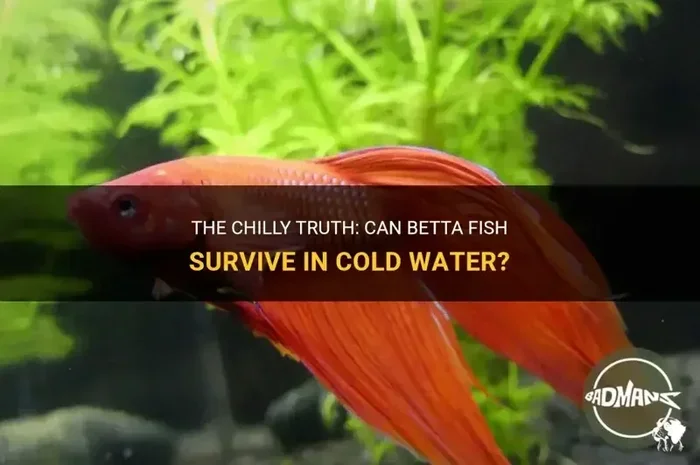
Bettta fish are tropical fish. Their ideal water temperature is between 78°F and 80°F (25.5°C – 26.5°C). If the water is too cold (below 76°F), their metabolism slows dramatically. Digestion becomes laborious, energy is conserved, and hunger signals shut down. A cold betta is a slow, pale betta that won’t eat. Conversely, water that is too hot (above 82°F) can increase metabolism but also cause stress and oxygen depletion, leading to a similar loss of appetite. An accurate aquarium heater and a separate thermometer are essential equipment. Adjust the temperature slowly, by no more than 1-2 degrees per day.
Tank Setup: Space, Flow, and Territory
Bettas need more than a tiny vase. A minimum of 5 gallons is now widely accepted as the ethical standard. A small, cramped bowl causes chronic stress. Water quality is also harder to maintain in tiny volumes. Furthermore, bettas are weak swimmers. A filter with a strong current will exhaust them, causing them to hide and avoid the top of the tank where food is offered. Use a sponge filter or baffle your hang-on-back filter with a sponge to reduce flow. Finally, provide plants (live or silk) and hiding spots like caves or decor. A betta without cover feels exposed and vulnerable, suppressing its natural behaviors, including feeding.
3. Dietary Dilemmas: What and How You Feed
Assuming the water is perfect, the next area to scrutinize is the food itself. Are you offering the right type? The right amount? The right routine?

Visual guide about Why My Betta Fish Won’t Eat
Image source: bettafishcaretaker.com
Food Quality: You Get What You Pay For
Cheap, generic fish flakes are almost always unsuitable for bettas. They are often plant-based, messy (clouding the water), and nutritionally incomplete. Bettas require a high-protein diet. Look for pellets or frozen foods specifically formulated for bettas or carnivorous tropical fish. The first few ingredients should be whole fish, shrimp, or krill meal. High-quality pellets will often darken in water but hold their shape. Supplement this staple diet 2-3 times a week with frozen or live foods like daphnia, brine shrimp, or bloodworms. This variety provides essential nutrients and stimulates their natural hunting instinct, often reigniting a picky appetite.
The Dangers of Overfeeding and Constipation
This is so critical it deserves its own discussion. Overfeeding is the #1 cause of digestive problems in bettas. Excess food rots in the tank, polluting the water, and overwhelms their tiny digestive system. Constipation is the direct result. A constipated betta is in physical discomfort. Its swollen gut presses against its swim bladder, causing buoyancy issues (swimming upside down, sinking, or floating uncontrollably). A fish in this state will not eat. Treatment for constipation is simple but requires fasting: Stop feeding for 3-4 days. This allows the gut to clear. On the 4th day, offer a small piece of a deshelled, blanched pea (the green insides only). The fiber acts as a laxative. After a successful “pea treatment,” resume feeding tiny amounts of high-quality food.
Boredom and Feeding Routine
Would you want to eat the same dry biscuit every single day? Your betta doesn’t either. A monotonous diet can lead to a disinterested betta that recognizes the food but chooses not to eat it. Vary the menu. Use a high-quality pellet as the base, but rotate in frozen daphnia one day, a tiny bit of mashed hard-boiled egg yolk the next, and a bloodworm treat on the third. Also, consider the method. Use a feeding ring to contain food. Try “target feeding” with tweezers to hand-feder a pellet, which can stimulate interest. Change the time of day you feed slightly. A little mental and sensory stimulation around food can make a huge difference.
4. Health Concerns: When It’s More Than a Mood
If water and diet are perfect, we must look at the fish’s physical health. A loss of appetite is one of the earliest and most universal signs of disease in fish. It’s their way of conserving energy when feeling unwell.
Visual guide about Why My Betta Fish Won’t Eat
Image source: bettacarefishguide.com
Parasites: The Unseen Invaders
Internal parasites like Hexamita or Spironucleus, and external parasites like flukes or anchor worms, are common in bettas, especially if introduced from a wild-caught live food or a contaminated tank. Symptoms often include lethargy, rubbing against tank decor (flashing), stringy white feces, and of course, no interest in food. Diagnosis usually requires a vet, but a broad-spectrum antiparasitic medication (like Metronidazole for internal parasites, or formalin/malachite green for external) is often the treatment. Prevention is key: quarantine all new live foods and new fish.
Swim Bladder Disorder (SBD)
This isn’t a single disease but a symptom of a problem with the swim bladder, an organ that helps the fish control buoyancy. Causes include constipation (see above), bacterial infection, physical injury, or genetic defect. The classic sign is difficulty maintaining depth—sinking, floating to the top, swimming sideways or upside down. The stress and physical malfunction cause a total loss of appetite. Treating SBD depends on the cause. For suspected constipation, fast and use the pea method. For suspected infection, a broad-spectrum antibiotic like Maracyn 2 (erythromycin) in a hospital tank may be needed. Keep the water pristine and depth shallow to reduce stress.
Common Betta Diseases: Dropsy, Fin Rot, and Velvet
Dropsy (a symptom of severe internal bacterial infection causing fluid buildup) is marked by severe pineconing of the scales and extreme lethargy. Fin rot (bacterial or fungal) causes ragged, deteriorating fins. Velvet disease (a parasite) gives a gold-dust appearance under tank light. All these diseases are stressful and painful, leading to anorexia. Treatment involves improving water quality immediately, raising the temperature to 82-84°F to boost the immune system, and using appropriate medications (antibiotics for bacterial issues, copper-based or formalin for velvet). Early detection is vital.
5. Stress and Social Factors: The Psychological Block
Fish feel stress. Chronic stress releases cortisol, which suppresses the immune system and appetite. Identifying and eliminating stressors is crucial for a happy, hungry betta.
The Solitary Nature of Bettas
The name “Siamese fighting fish” says it all. Male bettas are highly territorial and aggressive towards other males. But what about females or other species? Many owners make the mistake of housing a betta with “peaceful” community fish. A betta’s temperament is individual. A tankmate that is hyperactive (like some tetras or barbs) can relentlessly chase and nip at a betta’s long fins. A fish that is too similar in shape or color may be seen as a rival. This constant harassment causes immense stress. The solution is often a species-only tank. If you do create a community, the tank must be heavily planted, spacious (20+ gallons), and populated with very calm, non-nipping fish like Corydoras catfish or Kuhli loaches. Always have a backup plan to separate the betta if stress signs (hiding, clamped fins, loss of color) appear.
Environmental Stressors: Lights, Reflections, and Noise
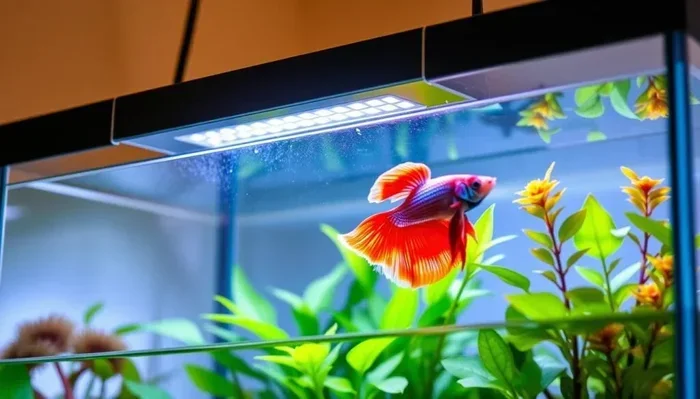
Bettas can be skittish. A bright light shining directly into the tank can feel like a predator’s spotlight. Sudden movements or loud noises near the tank can startle them. A common stressor is their own reflection in a shiny tank wall or a bright LED light, which they may perceive as a rival male. This can lead to constant flaring (gilling out) and stress, killing the appetite. Use a background on the outside of the tank to block reflections. Provide shaded areas with floating plants (like dwarf water lettuce or frogbit). Use a gentle, timed aquarium light cycle of 8-10 hours. Place the tank in a low-traffic area away from televisions and speakers.
6. A Special Case: The New Betta
This is a scenario that causes owners the most immediate panic. You bring home a beautiful new betta from the store. You acclimate it properly. You offer food. It doesn’t eat. For two days. Three days. A week. Is it sick? The answer is usually no. It’s suffering from relocation stress.
The Shock of a New Home
The journey from the store’s cup to your tank is incredibly stressful. New water parameters, new lighting, new sounds, and the loss of all familiar chemical cues overwhelm the fish’s senses. Their primary instinct is to hide and conserve energy. Eating is a low priority. This fasting period can last from 3 to 7 days, sometimes even 10 days for particularly sensitive individuals. The most important thing you can do is nothing. Do not force food. Do not constantly tap the glass. Ensure the water is pristine, warm, and has plenty of hiding places. Offer a tiny amount of a highly enticing food like frozen daphnia or a bloodworm on day 3 or 4. If it eats, great. If not, wait another day. Patience is the treatment. Forcing the issue will only increase stress.
Conclusion: The Methodical Path to a Hungry Betta
So, your betta fish won’t eat. Don’t panic. Now you have a roadmap. Start with the absolute basics: Test your water. Check your heater. Is the water clean? Is it the right temperature? If not, fix that first. Next, evaluate your feeding. Are you using high-quality, protein-rich pellets? Are you overfeeding? Try a short fast and a pea. Then, observe your fish closely. Is it hiding? Flaring? Swimming normally? Look for spots, frayed fins, or bloating. Consider its environment: is the tank too small? Is the flow too strong? Is it alone or with aggressive tankmates? Finally, if it’s a new arrival, give it a full week of quiet, clean water before expecting regular meals. A betta’s appetite is a direct window into its overall well-being. By becoming a detective and addressing the root cause—be it environmental, dietary, or health-related—you can almost always solve the mystery and enjoy the rewarding sight of your little friend darting up to greet its next meal. Your attentive care is the best medicine.
Frequently Asked Questions
How long can a betta fish go without eating?
A healthy betta can safely go 5-7 days without food, and sometimes up to two weeks. However, this is not a recommended practice. If your betta refuses food for more than 3 days, you should begin investigating the underlying cause, as they have very small energy reserves and can decline quickly.
Is it normal for a new betta fish not to eat?
Yes, it is very common and normal for a newly acquired betta to refuse food for 3-7 days due to the stress of relocation. Ensure its water is pristine and warm, provide plenty of hiding places, and offer enticing foods like frozen daphnia after a couple of days. Patience is key.
What are the best foods to try for a picky betta?
For a picky eater, try highly palatable, high-protein options. Frozen or live foods are excellent: daphnia, brine shrimp, or bloodworms (use sparingly as a treat). You can also try a small amount of mashed, hard-boiled egg yolk or a high-quality betta pellet that you soak slightly to soften. Variety is crucial to prevent boredom.
My betta’s water looks clear, but could it still be the problem?
Absolutely. Clear water does not mean safe water. Toxic ammonia and nitrite are invisible. You must use a liquid test kit to know your water parameters. Cloudy water often indicates a bacterial bloom from overfeeding or an incomplete cycle, which is also a problem. Always test, don’t guess.
When should I be worried enough to take my betta to a vet?
You should seek professional aquatic veterinary help if you’ve ruled out water quality and diet issues, and your betta shows no improvement after 48-72 hours of correct care. Also, consult a vet immediately if you see severe physical symptoms like extreme bloating (pineconing scales/dropsy), significant fin rot, visible parasites, or if the fish is completely inverted and unable to swim normally.
Can I force-feed my betta if it won’t eat?
Force-feeding (using a syringe to push food into the mouth) is a last-resort technique for a severely weakened betta that has not eaten for over a week and is visibly wasting away. It is extremely stressful and can cause aspiration (food entering the gills), which can be fatal. It should only be done under the guidance of a vet or an extremely experienced keeper. First, focus on perfecting water conditions and offering tempting foods.