What Fish Gets Along with Betta
Contrary to popular belief, many betta fish can thrive with carefully chosen tank mates, but success depends entirely on the individual betta’s temperament and proper tank setup. The key is selecting peaceful, non-aggressive species that occupy different tank levels, like small schooling fish (neon tetras, ember tetras), bottom-dwellers (corydoras, kuhli loaches), or invertebrates (cherry shrimp, nerite snails). Always avoid fish with long, flowing fins or bright colors that trigger a betta’s aggression, and never house a betta in a tank smaller than 10 gallons when adding companions.
So you’ve got that stunning, flowing-finned betta fish, the jewel of your aquarium. You watch him (or her!) glide gracefully through the water and think, “He seems lonely. I should get him a friend.” This is one of the most common questions in the aquarium hobby, and the answer is a firm, nuanced “it depends.” The myth that betta fish must always live alone is just that—a myth. Many bettas can live harmoniously with other aquatic creatures. However, the success of a betta fish community tank hinges on understanding your individual betta’s personality, choosing the right companions, and setting up the environment for peace. This guide will walk you through everything you need to know about finding suitable fish that get along with betta, transforming your single-species tank into a vibrant, thriving ecosystem.
Key Takeaways
- Your Betta’s Personality is Everything: Some bettas are docile community fish, while others are fiercely solitary. You must observe your specific betta’s behavior before introducing any tank mate.
- Tank Size is Non-Negotiable: A 10-gallon aquarium is the absolute minimum for a betta with companions, with 20 gallons being the true sweet spot for providing enough space to establish territories and reduce stress.
- Choose Tank Mates by Behavior & Habitat: Select peaceful, active fish that swim in the top or middle water column (like small rasboras) or occupy the bottom (like corydoras). Avoid fish that look like rival bettas.
- Invertebrates are Often Perfect: Shrimp (cherry, ghost) and snails (nerite, mystery, ramshorn) are excellent, low-risk companions as they don’t compete for the same resources and are generally ignored by bettas.
- Introduce the Betta Last: The most successful method is to fully establish a peaceful community tank first, then add the betta as the final inhabitant. This makes the tank feel like *its* territory, not an invasion.
- Always Have a Backup Plan: Keep a separate, cycled “hospital” or quarantine tank ready. If aggression occurs, you must be prepared to remove the betta or its target immediately to prevent injury or death.
- Dense Planting & Hiding Spots are Crucial: Live or silk plants, driftwood, and caves break the line of sight, giving shy fish escape routes and reducing the betta’s ability to patrol and harass one specific target.
📑 Table of Contents
Understanding the Betta: It’s All in the Personality
Before we even discuss potential tank mates, we must start with the star of the show: your betta. The scientific name, Betta splendens, often translates to “splendid fighter,” and that history is key. Bettas were originally bred for aggression in fights. While centuries of selective breeding for the aquarium trade have produced breathtaking colors and fin types, that underlying territorial and aggressive drive remains, and it varies wildly from one fish to the next.
The Spectrum of Betta Temperament
Think of betta temperament on a sliding scale. On one end, you have the “Big, Bad Betta”—the fish that flares at its own reflection, attacks any hand that enters the tank, and will kill anything that enters its perceived domain. On the other end is the “Gentle Giant”—a betta that is curious, calm, and may even follow you around the tank without a hint of aggression. Most bettas fall somewhere in the middle. Their mood can also be influenced by factors like water quality, tank size, and even the time of day.
How to Assess Your Betta: Before considering any tank mate, you need to know your betta. Spend time observing it in its established tank. Does it constantly patrol the same route? Does it flare (puff out its gills and fins) at you when you approach? Does it seem stressed, hiding constantly? A betta that is already stressed, sick, or hyper-territorial is a poor candidate for a community tank. The ideal candidate is a betta that is active but not obsessive, curious but not immediately hostile to outside movement.
The “Solo Betta” vs. “Community Betta” Myth
There is no guarantee. You could have a perfectly peaceful betta for a year and then suddenly decide it doesn’t like the neon tetra that has been its neighbor the whole time. This is why the “backup plan” (a separate tank) is our first and most important rule. Never assume compatibility is permanent. Always be prepared to separate them if needed.
The Ideal Betta Tank Mate Profile: What to Look For
Now that we understand our betta, what makes a good companion? We are looking for fish (or invertebrates) that check most of these boxes:

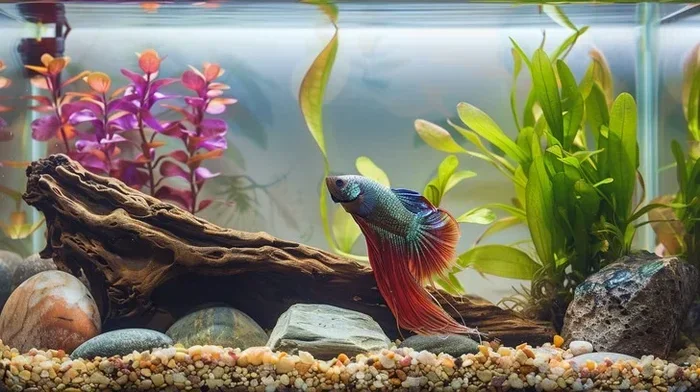
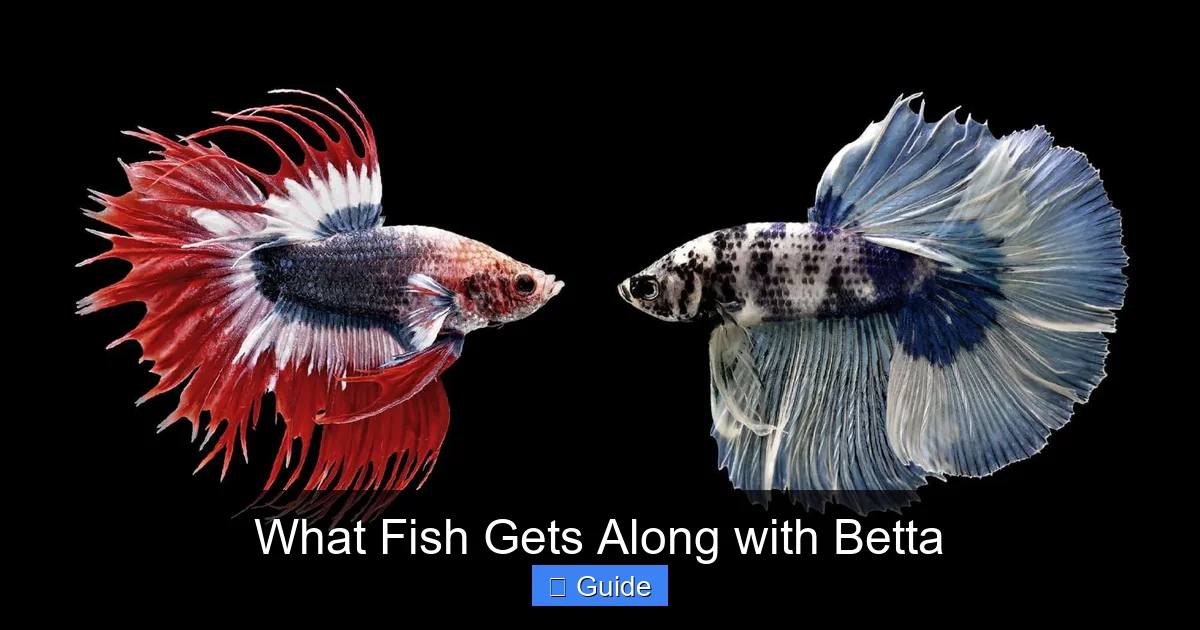
Visual guide about What Fish Gets Along with Betta
Image source: i.pinimg.com
- Peaceful & Non-Aggressive: They should not be fin-nippers, bullies, or territorial in a way that would challenge the betta.
- Occupy a Different “Layer” of the Tank: Bettas are top and mid-level swimmers. Ideal mates hang out at the bottom or are fast, schooling fish that move as a unit through the mid-levels without drawing individual attention.
- Dull or Short Fins: Flashy, long-finned fish like fancy guppies or male swordtails are often seen as rival bettas and become targets.
- Small but Not “Shrimp-Sized”: Very small fish (under 1 inch) can sometimes be mistaken for food. Fish that are clearly too large to eat (but not large enough to bully the betta) are safer.
- Similar Water Requirements: Bettas are tropical fish, preferring warm water (78-80°F or 25.5-26.5°C) and a pH around 7.0. Your tank mates must thrive in these same parameters.
Why Tank Size is the Foundation
You cannot overstate the importance of space. A 5-gallon tank is the absolute minimum for a *sole* betta. Once you add other fish, you are adding bioload (waste) and requiring more territory. A 10-gallon tank is the bare minimum starting point for a betta with tank mates, and a 20-gallon long (with more horizontal swimming space) is the gold standard. More water volume dilutes toxins and gives everyone room to avoid each other. In a small tank, a grumpy betta has nowhere to go but to harass its neighbors constantly.
Top Recommended Tank Mates for Your Betta
Based on the profile above, here are the most consistently successful categories of betta fish companions, broken down by type.
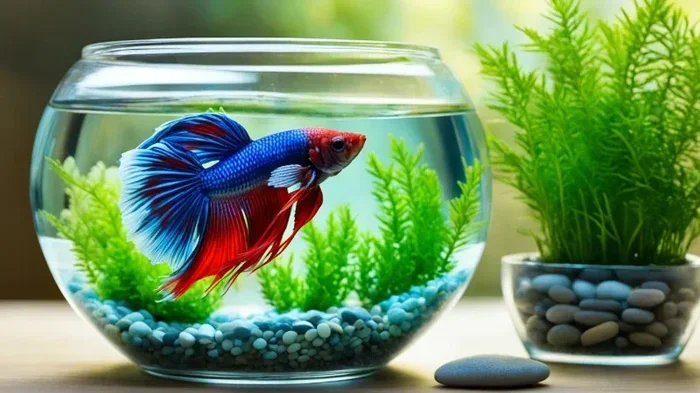
Visual guide about What Fish Gets Along with Betta
Image source: bettasource.com
1. Small, Peaceful Schooling Fish
These are often the best choice. They are active, fast, and move as a shimmering group. A single fish darting alone might trigger a betta’s chase instinct, but a school of 6-8 is seen as a single, confusing entity. They occupy the mid-levels and keep to themselves.
- Neon Tetras & Cardinal Tetras: The classic choice. They are small (1.5 inches), peaceful, and their striking blue/red stripe is different enough from a betta’s appearance to usually not trigger aggression. Always keep them in a proper school of 6+.
- Ember Tetras: Even smaller (0.8 inches) and a warm, fiery orange color. Their tiny size and calm nature make them excellent for a 10-gallon community with a betta.
- Harlequin Rasboras: Slightly larger (2 inches) with a distinctive black triangle. They are hardy, active, and form beautiful schools. Their different body shape and swimming style make them a top contender.
- Celestial Pearl Danios (CPDs): These tiny, jewel-like fish (0.8 inches) are active and prefer to swim in the upper mid-levels. They are bold and can handle the betta’s presence well if the tank is heavily planted.
- White Cloud Mountain Minnows: A fantastic, cold-tolerant alternative if your room is on the cooler side. They are active, peaceful schooling fish that are often completely ignored by bettas.
2. Bottom-Dwelling “Clean-Up Crew”
These fish are perfect because they inhabit a completely different zone. The betta rarely ventures to the substrate, so there’s little interaction. They also help keep the tank clean.
- Corydoras Catfish (“Cories”): The undisputed champion of betta tank mates. These small, armored catfish are adorable, social, and must be kept in groups of 5 or 6. They are completely peaceful, spend all day sifting through sand for food, and are the same size as a betta. Pygmy Corydoras are ideal for 10-gallon tanks.
- Kuhli Loaches: These eel-like, nocturnal loaches are fascinating to watch. They burrow and slither through the substrate and decor. During the day, they hide, and at night they are active, minimizing any chance of run-ins with a diurnal betta.
- Otocinclus Catfish (“Ottos”): The dedicated algae eater. These tiny (1.5 inch) suckermouth catfish are peaceful and cling to glass and leaves. They are a bit more delicate and require established tanks with plenty of biofilm/algae to eat.
3. Invertebrates: The Low-Risk Option
Shrimp and snails are arguably the safest first step into betta community tanks. They don’t look or act like fish, so they rarely trigger a betta’s territorial aggression. They are also fascinating to watch and provide useful cleanup.
- Freshwater Shrimp:
- Cherry Shrimp: The most popular. Their bright red color can sometimes attract a curious betta, but in a well-planted tank, they reproduce quickly and usually thrive. A large, well-fed betta may ignore them.
- Amano Shrimp: Larger (2-3 inches), translucent, and excellent algae eaters. Their size makes them less likely to be seen as food.
- Ghost Shrimp: Completely transparent and very inexpensive. Great for testing if your betta will leave shrimp alone before investing in more expensive varieties.
- Snails:
- Nerite Snails: The best choice. They have a beautiful, patterned shell, do not reproduce in freshwater (no snail explosion!), and are fantastic at cleaning algae off glass and decor. Their hard shell makes them impervious to a betta’s curiosity.
- Mystery Snails (Apple Snails): Larger, colorful, and also do not reproduce without a mate. They are active and can be fun to watch. Ensure your betta isn’t one that likes to peck at their long tentacles.
- Ramshorn Snails: Small and often come in on plants. They reproduce quickly but are usually ignored. Good for a natural, self-sustaining cleanup crew.
Fish to AVOID at All Costs: The Danger List
Just as important as knowing who to add is knowing who to absolutely avoid. These fish are notorious for causing disaster with bettas.
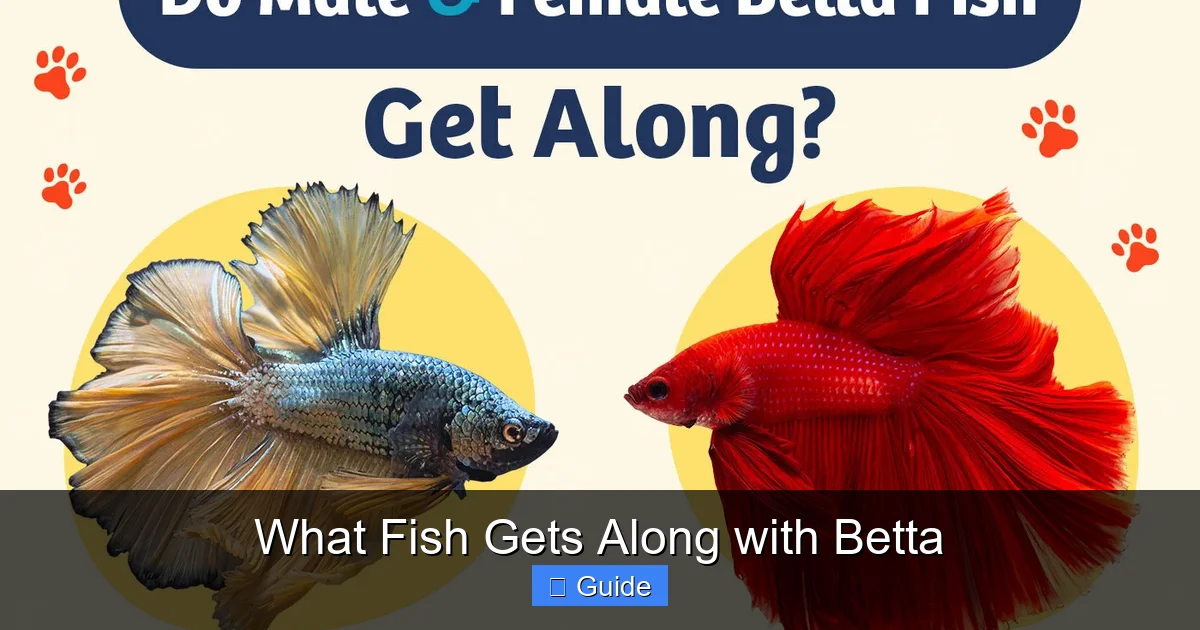
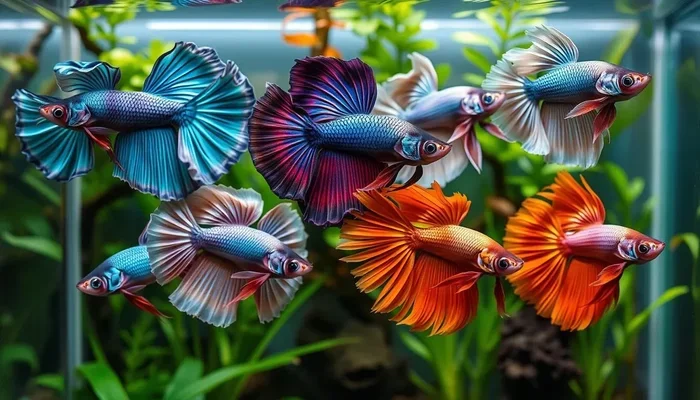
Visual guide about What Fish Gets Along with Betta
Image source: thevetdesk.com
Long-Finned, Fancy Fish
This is the #1 rule. Bettas are attracted to movement and view long, flowing fins as a direct challenge from another male betta. Do not house your betta with:
- Fancy Guppies (especially males)
- Male Swordtails or Platies
- Siamese Fighting Fish (obviously)
- Any breed of fancy goldfish (different temperature needs anyway)
- Delicate, long-finned varieties of any species (like some fancy mollies)
Aggressive or Semi-Aggressive Fish
Fish that will nip fins, compete for territory, or fight back.
- Other Anabantoids: Gouramis (Dwarf, Pearl, Kissing) are closely related and often just as territorial. They are a huge gamble and generally not recommended.
- Tiger Barbs, Rosy Barbs, or other fin-nipping barbs.
- Some Cichlids (like convicts, Jack Dempseys) are far too aggressive and large.
- Some “nippy” tetras like Serpae Tetras or Black Skirt Tetras are known for fin-nipping, especially in small schools.
Very Small or Shrimp-Like Fish
- Small, delicate fish like Neon Rainbowfish fry, tiny juvenile guppies, or Endlers can literally be seen as a moving snack by a hungry betta.
Setting Up for Success: The Tank & Introduction Process
Choosing the right fish is only half the battle. Your tank setup and how you introduce the new fish are critical for long-term peace.
The Perfect Betta Community Aquarium Setup
Before you even buy a new fish, your tank must be ready.
- Heavy Planting is Essential: Use live plants (like Java fern, Anubias, Cryptocorynes, floating plants like Frogbit or Salvinia) or high-quality silk plants. The goal is to create a dense jungle with broken lines of sight. This gives the betta plenty of vertical territory to patrol and, more importantly, gives other fish places to hide and break the betta’s focus.
- Provide Defined Territories: Use driftwood, rock caves, and ceramic pots to create distinct areas. A betta will claim a specific plant or cave as its “home base.” If every fish has its own spot, conflicts decrease.
- Open Swimming Space: Despite the plants, ensure there is a clear area in the mid to upper tank for your betta to display its beautiful fins. A balance is key.
- Cycled, Stable Water: This is non-negotiable. A cycled tank with zero ammonia and nitrite and low nitrate (<20 ppm) is crucial for the health of all fish, especially the sensitive betta. A stressed betta due to poor water is an aggressive betta.
- Proper Filtration: Use a filter with a gentle flow. Bettas hate strong currents. A sponge filter is an excellent, gentle option that also provides a surface for beneficial bacteria and (bonus!) a place for baby shrimp to graze.
- Heater & Thermometer: Maintain a stable 78-80°F. Fluctuations cause stress.
The Art of Introducing a New Tank Mate
How you add the new fish dramatically affects the outcome. The single best method is the “Established Community First” approach:
- Build the Community Tank First: Set up your 10+ gallon, heavily planted, cycled tank. Add your school of tetras or group of cories first. Let them establish their school and territory for 2-3 weeks. They will become the “owners” of the tank in their minds.
- Acclimate the Betta Carefully: When you bring home your betta, float the bag in the tank to equalize temperature. Then, slowly drip-acclimate the betta to the tank water over 1-2 hours. This is critical for its sensitive system.
- Use a Divider (Optional but Highly Recommended): For the first 24-48 hours, consider using a tank divider or a clear acrylic sheet inside the tank. This allows the betta and the other fish to see each other without physical contact. They will establish a visual “territory line.” After a day or two, if no constant flaring or posturing is seen, you can remove the divider.
- The “Rearranging” Trick: When you finally remove the divider or add the betta, do a slight tank rearrangement—move some plants or decor. This disrupts established territories and forces all fish to re-establish their spaces, often reducing immediate aggression from the betta as it focuses on exploring the “new” tank rather than attacking the first thing it sees.
What to Do During the First Week: Monitor obsessively. Watch for the betta flaring (puffing up) and chasing a specific fish relentlessly. A few initial chases are normal as boundaries are set. But if a fish is being cornered, stressed, or losing fins, you must intervene immediately. Be prepared to separate.
Common Mistakes & Troubleshooting
Even with the best intentions, things can go wrong. Here’s how to diagnose and fix common betta tank mate problems.
“My betta is chasing the new fish constantly!”
Diagnosis: This is the most common sign of incompatibility. The betta has claimed the entire tank as its territory.
Solution: First, ensure the tank is large enough and heavily planted. If chasing is relentless (not just a few curious flares), you have two options: 1) Return or rehome the new fish, or 2) Move the betta to a separate tank. The betta is the variable here—it’s not ready for company. Do not let the chase continue; the stress will kill the other fish.
“My betta flares at me/my reflection all the time now!”
Diagnosis: The betta is over-stimulated and stressed. This could be due to the new tank mates, but more likely from a lack of hiding spots or a tank that’s too small/bright. Flaring at its own reflection is a sign of agitation.
Solution: Add more floating plants and tall plants to block lines of sight to the glass. Reduce the tank’s brightness. Ensure the betta has a solid “cave” or dense patch of plants it can retreat to. A calm betta is a less aggressive betta.
“The shrimp/fish disappeared!”
Diagnosis: Your betta likely saw it as food. This is a common outcome with very small or slow invertebrates and fish.
Solution: You must accept that some bettas are simply not compatible with tiny creatures. If you want a cleanup crew, switch to snails with hard shells (nerites) which are almost impossible for a betta to eat. For fish, you need to choose a larger, faster species that your betta doesn’t perceive as prey.
“The betta and the other fish are fine, but the other fish are stressed/hiding all the time.”
Diagnosis: The betta may not be actively attacking, but its constant presence and patrolling are causing chronic stress to the other fish. Chronic stress leads to a weakened immune system and disease.
Solution: This is still a failed community. The other fish deserve to feel safe and display natural behaviors. You need to either provide *many* more hiding spots and a much larger tank, or separate them. A fish that is always hiding is not a happy or healthy fish.
Frequently Asked Questions
Can a female betta live with a male betta?
No. Male and female bettas should never be housed together outside of controlled breeding situations, which are temporary and supervised. They will fight, often to the death, as the male will see the female as an intruder or threat to his territory.
What about keeping a betta with other bettas in a ” sorority”?
Female betta sororities (groups of 4-6 females in a large, heavily planted tank) are a popular but advanced and risky setup. They require a minimum of 20 gallons, extreme amounts of plants/hiding spots, and careful observation. It is not recommended for beginners, as aggression and death are common even in ideal setups.
Can I put my betta with guppies?
It is generally not recommended. Male guppies have long, colorful fins that will almost certainly trigger a betta’s aggression, leading to the guppy being nipped or killed. Some very peaceful, short-finned female guppies *might* work in a large, well-planted tank with a particularly docile betta, but it is a high-risk gamble with a low success rate.
Are snails safe with bettas?
Yes, snails are typically one of the safest companions for a betta. Their hard shell protects them from being eaten, and they occupy a completely different ecological niche. Nerite snails are especially recommended as they do not breed in freshwater and have beautiful, striped shells. Mystery snails and ramshorn snails are also good options.
How long should I wait before adding tank mates to a new betta?
You should never add tank mates to a new betta in a new tank. The best practice is to establish the entire community tank first (with the hardy, peaceful fish like tetras or cories) and let it run for 2-4 weeks. Then, add the betta as the final inhabitant. This makes the established fish feel like the “owners” and the betta the newcomer, which often reduces the betta’s immediate territorial aggression.
My betta flares at the other fish but doesn’t chase them—is that okay?
Occasional flaring (once or twice a day, briefly) is often just a betta asserting its territory and can be normal. However, constant, obsessive flaring directed at a specific fish is a sign of high stress and aggression. You need to monitor closely. If the flaring is accompanied by chasing, fin-nipping, or the target fish is hiding and not coming out to eat, the situation is not safe and separation is necessary.