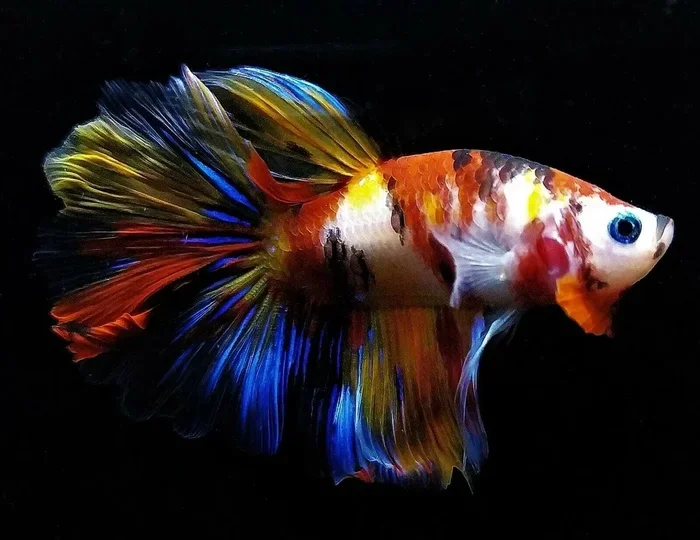
What Are Betta Fish Compatible With
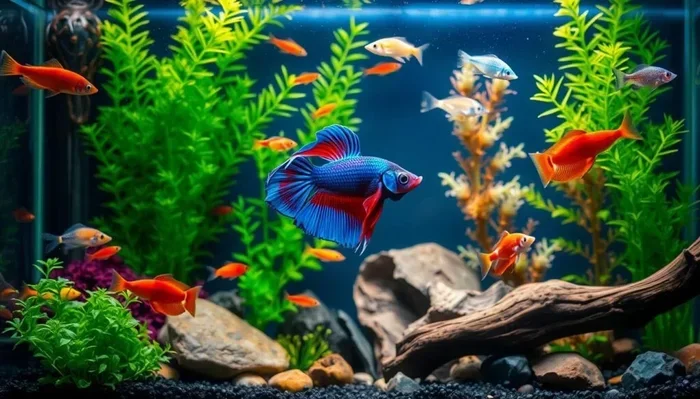
Betta fish can live with peaceful tank mates like tetras, snails, shrimp, and certain gouramis. Choosing the right betta tank mates depends on temperament, tank size, and water conditions. This guide covers everything you need to know about fish compatibility for your betta.
Choosing the right betta tank mates can transform your aquarium into a vibrant, lively community. Many fish owners love their bettas but wonder which peaceful fish can share the same space safely. The good news is that there are plenty of options if you know what to look for.
Not every fish gets along with a betta. Male bettas, in particular, can be territorial and aggressive. This means your choice of betta companions needs careful thought. In this guide, we will walk you through the best options, the ones to avoid, and practical tips for a thriving community tank.
Key Takeaways
- Peaceful fish are the best betta companions: Tetras, rasboras, and corydoras make ideal tank mates.
- Snails and shrimp are safe choices: Mystery snails, Nerite snails, and blue velvet shrimp coexist well with bettas.
- Avoid aggressive or fin-nipping fish: Guppies and angelfish can cause stress or injury.
- Tank size matters a lot: A minimum of 10 gallons is recommended for community setups.
- Monitor behavior closely: Watch for signs of stress or aggression when introducing new tank mates.
- Female bettas are more social: They can sometimes live in groups called sororities.
- Research each species first: Understanding individual needs prevents common mistakes.
📑 Table of Contents
- Why Fish Compatibility Matters for Bettas
- Best Fish That Are Compatible With Bettas
- Are Snails Compatible With Bettas?
- Are Shrimp Good With Betta Fish?
- Fish to Avoid With Bettas
- Tips for Introducing New Tank Mates
- Quick Tips for a Thriving Betta Community Tank
- Can Female Bettas Live Together?
- Conclusion
Why Fish Compatibility Matters for Bettas
Fish compatibility is not just about putting two species in the same tank. It is about ensuring both animals feel safe, healthy, and stress-free. Bettas have unique betta behavior patterns that set them apart from most tropical fish. Understanding these traits helps you make smarter choices.
Male bettas have long, flowing fins that can attract bullies. They also flare their gills and chase other fish when they feel threatened. A stressed betta may stop eating, lose color, or develop diseases. On the other hand, a well-chosen community tank can keep your betta active and engaged.
What Makes a Good Betta Tank Mate?
A good betta tank mate shares similar water preferences and stays out of the betta’s territory. Here are the key traits to look for:
- Peaceful temperament: The fish should not nip fins or harass the betta.
- Similar water conditions: Both species should thrive in warm, slightly acidic water.
- Different swimming levels: Fish that stay at the top or bottom reduce direct conflict.
- Small size: Avoid fish that are too large or too boisterous.
- Schooling behavior: Fish that stay in groups tend to be calmer and less likely to bother a betta.
Best Fish That Are Compatible With Bettas
Now that you know what to look for, let us explore the top choices. These peaceful fish have a proven track record of living well with bettas.
Tetras
Tetras are one of the most popular choices for betta community tanks. They are small, colorful, and mostly peaceful. Neon tetras and ember tetras stay in the middle and lower parts of the tank, which keeps them away from the betta’s favorite upper territory.
Many experienced aquarists confirm that tetras with betta fish work well in tanks of 10 gallons or more. Tetras are also schooling fish, meaning they feel safer in groups of five or more. This calm behavior reduces the chance of triggering your betta’s aggression.
Corydoras Catfish
Corydoras, or corys, are bottom dwellers that mind their own business. They scavenge the substrate for leftover food and rarely bother a betta. Their gentle nature makes them excellent betta companions.
Corys come in several species, including pygmy corys and bronze corys. They prefer warm water, just like bettas, which makes water parameters easy to manage. A group of four to six corys adds movement and interest to the lower levels of your tank.
Rasboras
Rasboras are another fantastic option. Harlequin rasboras and chili rasboras are small, peaceful, and visually striking. They tend to swim in the middle of the tank, giving your betta plenty of personal space.
Rasboras are hardy and adaptable, which makes them great for beginners. They also school beautifully, creating a calming display that complements the betta’s colors. If you are looking for easygoing aquarium pets, rasboras should be at the top of your list.
Dwarf Gouramis
Dwarf gouramis can work as betta tank mates, but this choice requires caution. They are similar in size and color to bettas, which can sometimes trigger territorial disputes. However, in a well-planted tank of 20 gallons or more, they can coexist peacefully.
If you want to try dwarf gouramis with your betta, make sure the tank has plenty of hiding spots. Plants, caves, and decorations break up lines of sight and reduce aggression. Always monitor both fish closely during the first few weeks after introduction.
Are Snails Compatible With Bettas?
Snails are among the safest additions to a betta tank. They do not have fins to nip, they do not compete for territory, and they help keep the tank clean by eating algae. Most bettas ignore snails completely or treat them as interesting moving objects.
Mystery snails are a favorite among betta keepers. They are large enough that bettas cannot bother them easily, and they come in beautiful colors like blue, purple, and gold. Nerite snails are another great option because they are excellent algae eaters and stay small.
If you are wondering whether snails with betta fish is a good idea, the answer is almost always yes. Just make sure your tank has enough calcium for snails to maintain their shells. A cuttlebone or crushed coral in the filter can help with this.
Are Shrimp Good With Betta Fish?
Shrimp can make wonderful betta companions, but results vary from fish to fish. Some bettas leave shrimp alone, while others see them as a tasty snack. The key is choosing the right shrimp species and providing plenty of hiding places.
Blue velvet shrimp and Amano shrimp are popular choices. They are hardy and good at cleaning up leftover food. Ghost shrimp are another affordable option, though bettas may hunt them more actively due to their transparent bodies.
If you are considering shrimp with betta fish, start with a well-planted tank. Dense plants like java moss and floating ferns give shrimp safe spots to retreat. Feed your betta well before adding shrimp, as a full betta is less likely to hunt.
Fish to Avoid With Bettas
Just as important as knowing what works is knowing what does not. Some fish create stress, injury, or even death for bettas. Here are the species you should keep away from your betta.
Aggressive Fish
Any fish that is territorial or aggressive will clash with a betta. Cichlids, for example, are often too dominant for a peaceful community setup. Aggressive fish will chase your betta, nip its fins, and cause constant stress.
Fin-Nipping Species
Fish like tiger barbs and some loaches are famous for nipping fins. A betta’s long, flowing fins are an irresistible target for these species. Fin nipping leads to open wounds, infections, and a weakened immune system.
Large or Boisterous Fish
Big fish like goldfish or common plecos are not suitable companions. They outgrow the tank quickly, produce too much waste, and may see the betta as food. Always research the adult size of any fish before adding it to your setup.
Tips for Introducing New Tank Mates
Adding a new fish or invertebrate to your betta’s tank requires a careful process. Rushing the introduction can lead to disaster. Follow these steps for a smooth transition.
- Quarantine new arrivals: Keep new fish in a separate tank for two weeks to check for diseases.
- Rearrange the tank: Moving decorations around resets territories so the betta does not feel its space is being invaded.
- Introduce at feeding time: Feed both the betta and the new fish at the same time. This distracts the betta and reduces chasing.
- Watch closely for the first 48 hours: Look for signs of stress like clamped fins, hiding, or rapid breathing.
- Have a backup plan: Keep a spare tank ready in case the new addition does not work out.
For more detailed guidance on pairing bettas with specific species, check out our article on what fish works best with a male betta for tailored recommendations.
Quick Tips for a Thriving Betta Community Tank
- Tank size: Go with at least 10 gallons for one betta and a few small tank mates.
- Plenty of plants: Live plants like java fern and anubias create natural barriers and hiding spots.
- Stable water conditions: Keep the temperature between 78 and 80 degrees Fahrenheit and the pH between 6.5 and 7.5.
- Feed a balanced diet: High-quality betta pellets, frozen bloodworms, and brine shrimp keep everyone healthy.
- Avoid overcrowding: Too many fish in one tank leads to waste buildup and increased aggression.
- Observe daily: Spend a few minutes each day watching how your fish interact. Early detection of problems saves lives.
Can Female Bettas Live Together?
Female bettas are generally less aggressive than males. They can sometimes live together in a group called a sorority, but this setup requires careful planning. A tank of at least 20 gallons with plenty of hiding spots is essential. Add five or more females at the same time to distribute aggression evenly.
Even with females, there is no guarantee of perfect harmony. Some females are simply too dominant. Always have a backup plan and be ready to separate fish if conflicts arise. For more information on male and female betta pairings, read our guide on are male and female betta fish compatible.
Conclusion
Finding the right fish compatible with bettas is all about matching temperament, size, and water needs. Peaceful species like tetras, corydoras, rasboras, snails, and shrimp make the best betta tank mates. Avoid aggressive or fin-nipping fish, and always introduce new companions slowly and carefully.
A well-planned community tank brings out the best in your betta. You get to enjoy a lively, colorful aquarium where every creature thrives. Start with one or two tank mates, observe how things go, and build from there. Your betta will thank you with vibrant colors and active, joyful behavior.
Remember, every betta has its own personality. Some are calm and social, while others prefer to live alone. Respect your fish’s individual preferences, and you will create a happy home for everyone in the tank.
Frequently Asked Questions
Can betta fish live with guppies?
Guppies are generally not recommended as betta tank mates. Male guppies have bright, flowing fins that can trigger a betta’s aggression. Female guppies are a safer option, but even then, there is a risk of fin nipping. It is best to choose more peaceful alternatives like tetras or rasboras.
What is the best tank size for a betta community?
A minimum of 10 gallons is recommended for one betta and a few small tank mates. Larger tanks, such as 20 gallons, give fish more space to establish territories and reduce stress. The bigger the tank, the easier it is to maintain stable water parameters.
Can bettas live with mystery snails?
Yes, mystery snails are excellent betta companions. They are too large for bettas to bother, and they help keep the tank clean by eating algae. Just make sure the water has enough calcium to support healthy shell growth.
Are dwarf gouramis safe with bettas?
Dwarf gouramis can work, but they carry some risk. They are similar in appearance to bettas, which can trigger territorial behavior. If you try this pairing, use a tank of at least 20 gallons with plenty of plants and hiding spots to reduce tension.
How many tank mates can a betta have?
Start with two or three small, peaceful fish in a 10-gallon tank. You can add more as the tank size increases. Always monitor behavior after adding new fish. If you notice stress or aggression, reduce the number of tank mates immediately.
Do bettas get lonely?
Bettas are not strictly social fish, but they can get bored in an empty tank. Adding safe betta companions like snails or small peaceful fish provides mental stimulation. However, some bettas prefer to live alone, and that is perfectly okay too.