Why Betta Fish Can’t Be Together
Betta fish are natural fighters, and keeping them together usually ends in stress, injury, or death. Understanding their territorial instincts helps you create a safe home, whether you choose a solo tank or a carefully planned community setup.
Key Takeaways
- Territorial nature: Betta males defend their space aggressively, making co‑habitation risky.
- Fin nipping: Even females can bite each other’s fins, leading to infection.
- Water quality: Stress from crowding quickly degrades water parameters.
- Proper alternatives: Use dividers, larger tanks, or peaceful tank mates like snails.
- Observation is vital: Early signs of stress help you intervene before serious harm.
- Gender matters: Two females may coexist longer than two males, but still need monitoring.
- Legal & ethical: Many pet stores and regulations advise single‑betta housing for animal welfare.
📑 Table of Contents
- Introduction: The Beauty and the Beast Within
- 1. The Science of Betta Aggression
- 2. Common Misconceptions About Betta Pairings
- 3. When (If Ever) Can Betta Fish Be Together?
- 4. Practical Tips for a Safe Betta Environment
- 5. Alternatives: Happy Homes Without Conflict
- Conclusion: Respect the Fighter Within
Introduction: The Beauty and the Beast Within
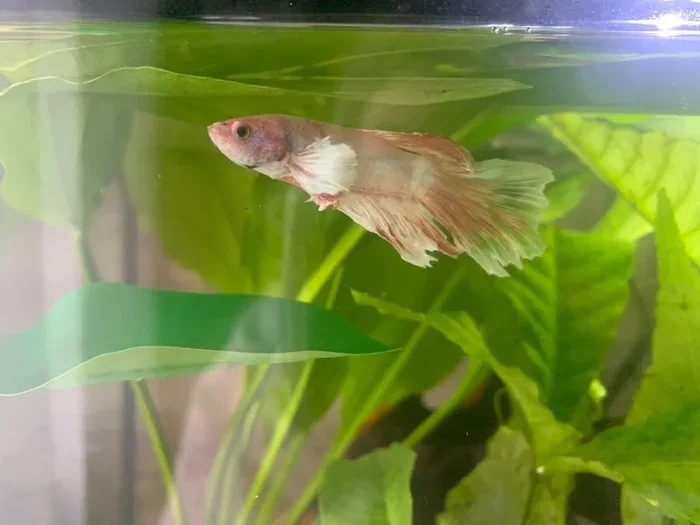
Betta fish, often called Siamese fighting fish, are famous for their dazzling colors and flowing fins. Those vibrant tails draw hobbyists to a single‑tank setup, but many wonder if they can share a home with another betta. The short answer is: usually no. Their natural instincts are wired for combat, and keeping them together often ends in bruises, broken fins, or worse.
In this article we’ll break down the biology behind betta aggression, explore the few scenarios where co‑habitation might work, and give you practical tips to keep your fish safe—whether you decide on a solo tank or a carefully curated community. By the end, you’ll understand exactly why betta fish can’t be together and how to give your fish the peaceful life it deserves.
1. The Science of Betta Aggression
1.1. Evolutionary roots
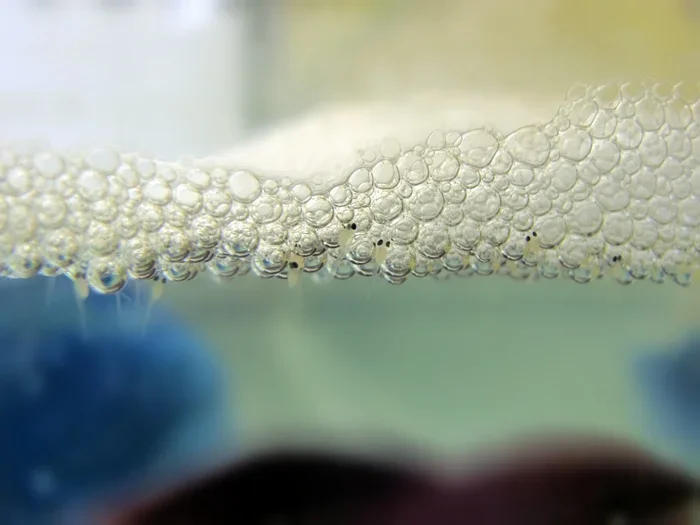
Betta splendens evolved in shallow rice paddies of Thailand, where water is limited and territories are small. Males defend a bubble nest and a stretch of surface water to attract females. This territorial behavior is hard‑wired: a male will flare, display, and attack any intruder that threatens his space.

Visual guide about Why Betta Fish Can’t Be Together
Image source: moldex3d.com
1.2. Hormones and visual cues
Testosterone spikes during breeding season, making males even more aggressive. Their bright colors serve as both a warning and an invitation to fight. When two bettas see each other’s fins, they interpret it as a challenge.
1.3. How aggression looks
Typical signs include flaring gills, spreading fins, rapid darting, and nipping at the other’s fins. If left unchecked, fights can cause:
- Fin rot from torn tissue.
- Stress‑induced immune suppression.
- Secondary infections that can be fatal.
2. Common Misconceptions About Betta Pairings
2.1. “Two females are always safe”
While two females are less likely to fight than two males, they can still become territorial, especially in small tanks. A brief period of coexistence may turn aggressive after establishing a hierarchy.
2.2. “A male and a female will get along”
During breeding, a male will guard a female, but outside of that window the pair can become hostile. The male may view the female as a rival if she shows any fin movement that resembles a male’s flare.
2.3. “Betas can live in community tanks with other species”
Some community setups work, but the betta must be the dominant, calm individual, and tank mates must be fast‑moving or bottom‑dwelling species that won’t be seen as a threat.
For a deeper dive on community compatibility, see Why Can T Betta Fish Be With Other Fish.
3. When (If Ever) Can Betta Fish Be Together?
3.1. Using dividers
Physical barriers let two bettas see each other without direct contact. This is a popular method for breeders who want to observe behavior. Ensure the divider is sturdy, has no gaps, and the tank is at least 20 gallons to maintain water quality.
3.2. Large, heavily planted tanks
In a tank of 30+ gallons with dense vegetation, each betta can claim a separate “room.” However, constant monitoring is essential; a sudden flare can still lead to a quick breach.
3.3. The rare “peaceful pair”
Occasionally, two bettas will tolerate each other for weeks. This usually involves a male‑female pair that has been raised together from fry. Even then, they should be separated before breeding season to avoid stress.
Read more about these rare cases in Which Betta Fish Can Be Together.
4. Practical Tips for a Safe Betta Environment
4.1. Choose the right tank size
Even a solo betta needs at least 5 gallons. Larger volumes dilute waste, lower stress hormones, and give you space to add hiding spots.
4.2. Provide plenty of hiding places
Live plants, driftwood, and ceramic caves break line‑of‑sight and reduce aggression triggers. Aim for at least three distinct territories per fish.
4.3. Monitor water parameters
Betta stress spikes ammonia and nitrite levels. Test weekly for pH (6.5‑7.5), temperature (78‑80°F), and hardness (5‑12 dGH). A stable environment lowers the urge to fight.
4.4. Introduce slowly and observe
If you attempt a paired setup, use a quarantine tank first. Let each fish acclimate separately, then introduce them via a clear divider for 24‑48 hours before full release.
4.5. Have a rescue plan
Keep a spare tank ready. If aggression escalates, quickly move the loser to a separate tank to prevent injuries.
5. Alternatives: Happy Homes Without Conflict
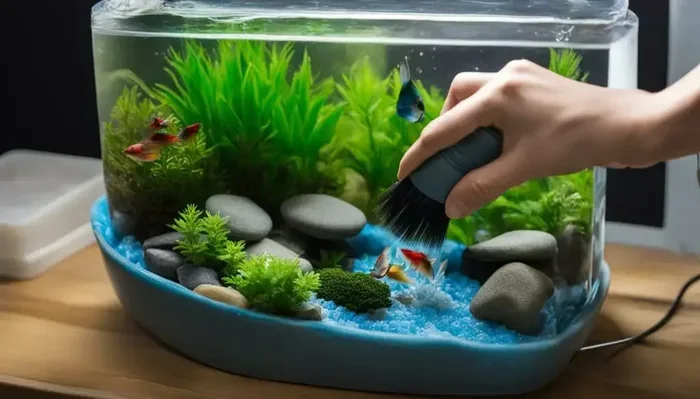
5.1. Solo tanks with enrichment
Decorate with silk plants, floating logs, and interactive toys. Change the layout every few weeks to keep the betta mentally stimulated.
5.2. Peaceful tank mates
Snails, shrimp, and small catfish (e.g., Corydoras) are generally ignored by bettas. Avoid fast‑swimming or brightly colored fish that may trigger a flare.
For a full list of compatible species, see Why Can T Betta Fish Be With Other Fish.
5.3. Community tanks with a “beta‑only” section
Use a large tank divided into zones: one for the betta, another for community fish. This gives visual stimulation without direct contact.
Conclusion: Respect the Fighter Within
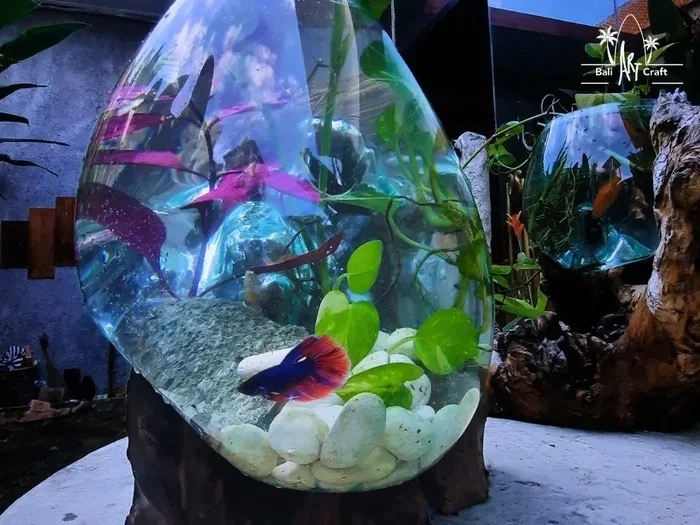
Betta fish are stunning, but their natural instinct to guard territory makes cohabitation a high‑risk gamble. Understanding why betta fish can’t be together helps you make informed decisions that prioritize their health and happiness. Whether you opt for a single‑fish showcase, a divided tank, or a carefully selected community, the key is vigilant observation, proper tank size, and a commitment to low‑stress living.
By respecting their biology and providing a suitable environment, you’ll enjoy the vibrant beauty of your betta for years to come—without the drama of unwanted battles.
Frequently Asked Questions
Can two male betta fish live together?
Almost never. Male bettas are highly territorial and will fight until one is injured or dies. Only a heavily divided, large tank may prevent direct contact, but it’s not recommended.
Can two female betta fish be kept together?
Two females may tolerate each other longer than males, especially in a spacious, planted tank, but aggression can still occur. Monitor closely and be ready to separate them.
Is it ever safe to keep a male and female betta together?
Only for breeding purposes and under close supervision. Outside of spawning, the male may become aggressive, and the pair should be separated after eggs are laid.
What are good tank mates for a betta?
Peaceful bottom dwellers like nerite snails, mystery snails, or small shrimp work well. Fast‑moving fish that stay in the upper levels can also be safe if the betta is calm.
How can I tell if my betta is stressed?
Look for faded colors, clamped fins, rapid breathing, or loss of appetite. Stress often precedes aggression, so address any signs immediately.
Do bettas need a tank divider even when alone?
A divider isn’t necessary for a single betta, but it can be useful if you plan to house another fish later or want to create separate visual zones within a larger tank.