How Do I Know If My Betta Fish Likes Me
Wondering how do I know if my betta fish likes me? You can tell by watching their behavior, body language, and how they react to your presence. Bettas show affection through swimming near you, flaring happily, and accepting food from your hand.
Key Takeaways
- Body language matters: A relaxed betta with flowing fins is a happy betta that trusts you.
- Feeding response: A betta that eagerly eats from your hand is bonding with you.
- Playful flaring: Occasional flaring can be a sign of curiosity, not always aggression.
- Reaction to your presence: Bettas that swim to the front of the tank when you approach like you.
- Bubble nests: Building bubbles shows contentment and a comfortable environment.
- Color brightness: A happy betta has vibrant colors; a stressed one may fade.
📑 Table of Contents
How Do I Know If My Betta Fish Likes Me?
So you have a betta fish, and you want to know if your little finned friend actually likes you. That is a great question! Many people think fish are cold and unfeeling, but betta fish are actually quite expressive. They have distinct personalities and can form bonds with their owners. Understanding your betta’s behavior is the first step to building a strong relationship. This guide will help you decode the signs that show your betta fish loves you.
Betta fish are not like goldfish. They are intelligent creatures that can recognize their owners. They learn when you are near the tank and what your presence means. If you have been wondering, how do I know if my betta fish likes me, you have come to the right place. We will look at everything from body language to feeding habits. By the end, you will know exactly what your betta is thinking!
Signs Your Betta Fish Likes You
The best way to tell if your betta is happy is to watch how it acts. A betta fish that likes you will show clear signs of comfort and trust. These signs are easy to spot once you know what to look for. Let us break down the most common behaviors that mean your betta is fond of you.
Swimming Near the Glass
One of the biggest signs is when your betta swims to the front of the tank when you walk by. If your fish rushes to the glass, it knows you are there. This is a good thing! It means your betta associates you with food or interaction. A happy betta fish will often hover near the surface or the front of the tank waiting for you. This is their way of saying, “Hey, I see you!”
Eating from Your Hand
Feeding time is a great chance to build trust. If your betta fish is brave enough to eat directly from your hand, that is a huge compliment. It means your betta feels safe with you. Wild bettas are cautious eaters. A captive betta that trusts its owner will not be afraid to take food from a human finger. This level of comfort shows a real bond. It is a clear answer to the question, how do I know if my betta fish likes me.
Relaxed Fins and Body
A stressed betta will have clamped fins and a tense body. A happy betta, on the other hand, looks relaxed. Its fins will flow naturally in the water. Its body will move with ease. If your betta is gliding around the tank with its fins spread out, it is a sign of pure comfort. This shows they are happy with their environment, and by extension, happy with you as their caretaker.
Understanding Betta Fish Body Language
Bettas cannot speak, but they speak with their bodies. Learning their betta fish body language is key. Every fin position and color change tells a story. Let us look at the most important signals.
The Flaring Behavior
Many people think flaring is always a sign of anger. While bettas flare to show aggression toward rivals, they also flare out of curiosity. If your betta flares at you briefly and then swims away, it might just be checking you out. A quick flare can be a way of saying hello. However, if the flaring lasts a long time, your betta might be stressed. You need to tell the difference between a curious flare and an aggressive one. A short flare followed by normal swimming is a good sign.
Color Changes
Betta fish colors can change based on their mood. A healthy, happy betta will have bright, vivid colors. If your betta is dark or pale, it might be a sign of stress or illness. Sometimes a betta that likes you will show off its brightest colors when you approach. This is called “displaying.” They want to look their best for their favorite human. If you notice your betta is losing color, consider checking the water quality or looking for signs of betta fish sickness.
Bubble Building
Male bettas are famous for making bubble nests. If your betta is blowing bubbles at the surface, it is a great sign. It means your fish is content. Bubble nests show that a male betta feels secure enough to start family activities. Even without a female around, a betta might make bubbles just because it is happy. This is a clear indicator of a happy betta fish.
How to Build Trust with Your Betta Fish
Maybe your betta is currently shy. Do not worry. Trust takes time. You can actively work to make your betta like you more. Building a bond with your pet is very rewarding. Here is how you can become your betta’s favorite person.
Consistent Feeding Schedule
Food is the fastest way to a betta’s heart. Set a regular feeding schedule. Bettas thrive on routine. When they know when to expect food, they feel safe. Try to feed them at the same times each day. You can also use this time to talk to your fish softly. They will learn your voice and associate it with mealtime. For more details on feeding, check our guide on how often do I feed my betta fish.
Gentle Tank Interactions
Avoid sudden movements near the tank. Loud noises and tapping on the glass can scare your betta. Instead, move slowly. Place your hand on the glass gently. Let your betta get used to your presence. Over time, your fish will stop being afraid. A calm environment helps build a strong connection. Also, make sure you know how to clean your betta fish tank properly, as a dirty tank can make your betta stressed.
Training Your Betta
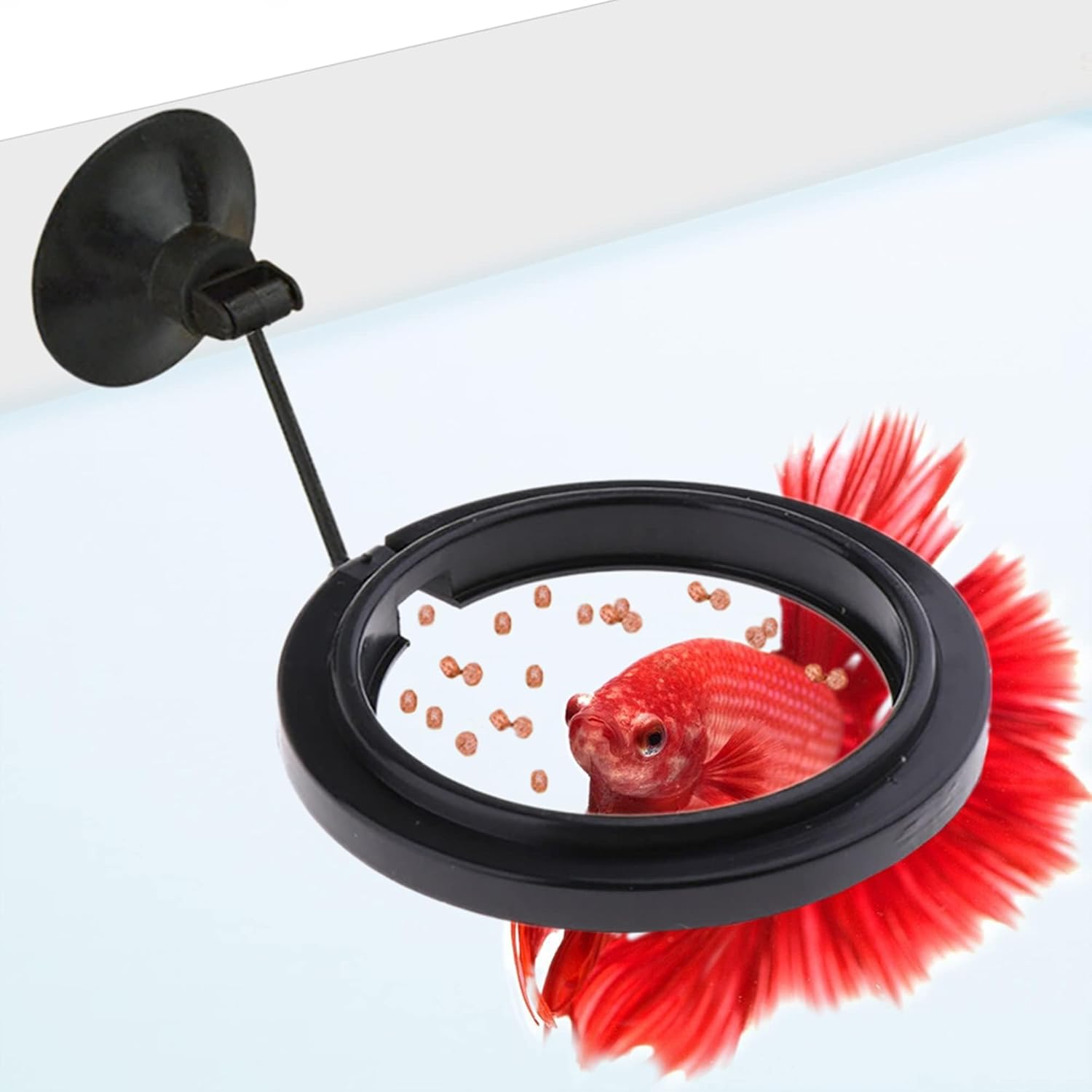
Did you know you can train a betta? Yes, bettas are smart! You can teach them to follow your finger or eat from your hand. Start by tapping the glass lightly to get their attention. Use a feeding ring or your finger as a target. When they follow it, reward them with a treat. This kind of betta fish training is a fun way to interact. It also builds trust and proves that your betta likes spending time with you.
Common Mistakes That Hurt Your Bond
Even with the best intentions, some actions can make your betta dislike you. Avoid these common mistakes to keep your relationship strong.
- Overfeeding: Giving too much food can make your betta sick. It also leads to messy water. Learn the right amount at how much do I feed a betta fish.
- Tap on Glass: This terrifies them. Do not do it.
- Ignoring Signs of Stress: If your betta is hiding, check the water. Look for signs of betta fish illness.
- Sudden Movements: Keep your hands steady.
Overfeeding is a big problem. If you are not sure how much to give, read about how much food should I feed my betta fish. A healthy fish is a happy fish that will bond with you faster. If you notice your betta is not eating, check our article on what to do if your betta fish won’t eat for help.
Expert Insights on Betta Fish Bonding
We asked experienced aquarists about bonding with bettas. Their advice is very helpful. Most experts agree that bettas have distinct betta fish personalities. Some are naturally friendly, while others are shy. The key is patience. One expert noted, “A betta that is given space to explore and feel safe will eventually come around. They choose their favorite humans based on who feeds them and who stays calm.” This proves that your calm energy matters. If you want to know more about your fish’s happiness, see our guide on how to know if your betta fish is happy.
Another expert pointed out that betta fish care is about more than just food. It is about the whole environment. A well-decorated tank with plants makes a betta feel like they are in their natural habitat. This sense of security makes them more open to interacting with you. Understanding how to tell if your betta fish is sick is also vital because a sick fish will not want to interact. Always prioritize their health. For more on this, visit how can I tell if my betta fish is sick.
Conclusion: Strengthening Your Bond
So, how do I know if my betta fish likes me? You now know the signs. Look for swimming near you, eating from your hand, and relaxed fins. Pay attention to their colors and bubble building. Most importantly, be patient. Building trust with a betta fish takes time and consistency. Avoid common mistakes like overfeeding or tapping the glass. Focus on creating a safe, clean environment. Your betta will reward you with affection and vibrant displays. Use these tips to grow your bond. Your betta fish already has the potential to love you. Now you know how to help it show you!
Frequently Asked Questions
How can I tell if my betta fish is happy or stressed?
A happy betta has bright colors and relaxed fins. It will swim freely and may build bubble nests. A stressed betta will have clamped fins, hide often, or lose color. You can learn more at how can I tell if my betta fish is sick.
Why does my betta fish follow me around the tank?
This is a great sign! It means your betta is curious and bonded to you. They often follow the glass because they associate you with food and safety. It is a clear answer to how do I know if my betta fish likes me.
Can betta fish recognize their owners?
Yes, they can. Betta fish have good memory. They learn to recognize the person who feeds them. Over time, they will swim to the front of the tank when you approach. This shows they know you.
Is it normal for my betta to flare at me?
Sometimes. A short flare is often a sign of curiosity or playfulness. However, long flaring means stress. If your betta flares briefly and then calms down, it is just checking you out. For more on behavior, see how to tell if my betta fish is sick.
What is the best way to feed my betta to build trust?
Try feeding them from your hand. Use a regular schedule so they know when to expect food. Start by placing food near your finger. Eventually, they will be brave enough to eat directly from it. This is a key part of how to take care of a betta fish.
How long does it take for a betta fish to bond with its owner?
It depends on the fish. Some bettas bond in a few days. Others might take weeks. The key is consistency. Feed them regularly and interact gently. Do not rush the process. A calm approach works best for how to take care of a betta fish.