Why Does My Betta Fish Hide So Much

Betta fish often hide because of stress, poor water conditions, or natural instincts. Understanding the reasons behind this behavior helps you improve their environment, reduce anxiety, and enjoy a vibrant, active pet. Simple changes to tank setup, diet, and routine can turn a shy swimmer into a lively show‑stopper.
Key Takeaways
- Stress is the biggest trigger: Loud noises, bright lights, and aggressive tank mates can make bettas retreat.
- Water quality matters: Ammonia, nitrite, or improper temperature will cause hiding and health issues.
- Proper tank size and décor: A cramped space or lack of hiding spots pushes bettas to the bottom.
- Health checks are essential: Parasites, fin rot, or internal problems often manifest as excessive hiding.
- Behavior is normal: Wild‑type bettas naturally seek shelter; mimicking their natural habitat reduces stress.
- Routine matters: Consistent feeding times and gentle handling build trust.
- Small tweaks, big results: Adding plants, adjusting lighting, and monitoring water can transform your betta’s mood.
📑 Table of Contents
- Introduction: The Mystery of the Hiding Betta
- 1. Stress Triggers: The Hidden Enemy
- 2. Water Quality: The Foundation of Health
- 3. Tank Size and Layout: Giving Them Space to Explore
- 4. Health Issues That Cause Hiding
- 5. Behavioral Roots: Natural Instincts and Personality
- 6. Practical Steps to Encourage a Happier, More Visible Betta
- Conclusion: From Hidden to Highlighted
Introduction: The Mystery of the Hiding Betta
If you’ve ever watched your betta fish disappear behind a leaf or cling to the glass, you might wonder, “why does my betta fish hide so much?” It’s a common question for new owners and even seasoned hobbyists. Betta fish, also called Siamese fighting fish, are famous for their flamboyant fins and bold personalities. Yet, behind that showy exterior lies a creature that, in the wild, spends a lot of time tucked away in dense vegetation.
In this article we’ll explore the top reasons your betta is hiding, how to tell if the behavior is normal or a warning sign, and what you can do to make your tank a safe, inviting home. By the end, you’ll have a clear action plan and the confidence to spot problems before they become serious.
1. Stress Triggers: The Hidden Enemy
1.1 Loud noises and vibrations
Betta fish have a keen sense of vibration. Loud music, a TV on full volume, or a nearby washing machine can send shockwaves through the water. When they feel threatened, they retreat to the nearest cover. Try moving the tank to a quieter corner or using a soft background hum instead of blasting music.
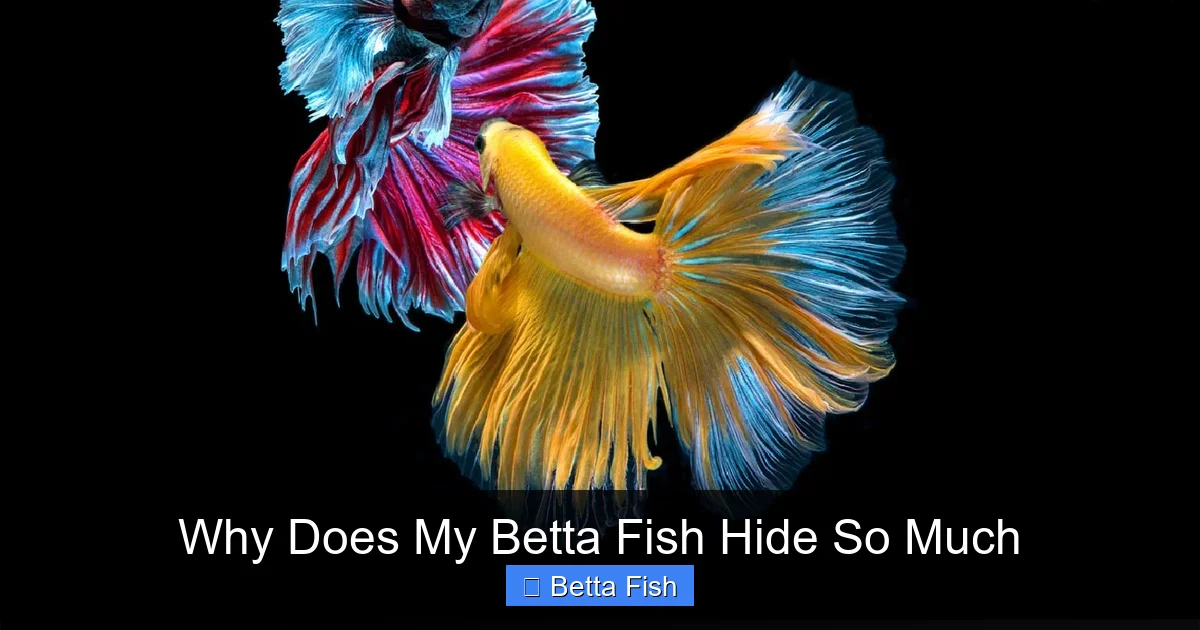
Visual guide about Why Does My Betta Fish Hide So Much
Image source: buildyouraquarium.com
1.2 Bright or flickering lights
Many bettas prefer dim lighting that mimics the shaded streams of their native Thailand. Fluorescent lights that flicker or a sunny window that shines directly on the tank can cause stress. A simple solution is a dimmable LED or a floating plant that diffuses the light.
1.3 Aggressive tank mates
Even though bettas are often kept alone, some owners house them with peaceful species. If a curious dwarf cichlid or a fast‑swimming tetra darts too close, the betta may hide. Remember, male bettas are especially territorial. If you must share the tank, choose slow‑moving, non‑fin‑nipping companions and provide plenty of visual barriers.
2. Water Quality: The Foundation of Health
2.1 Ammonia, nitrite, and nitrate spikes
Bad water chemistry is a silent killer. Ammonia and nitrite are toxic even at low levels, while high nitrate can stress fish over time. Test your water weekly with a reliable kit. If you see spikes, perform a partial water change of 25‑30% and check your filter.
2.2 Temperature fluctuations
Betta fish thrive at 76‑82°F (24‑28°C). Sudden drops or rises make them feel unsafe, prompting them to hide. Use a reliable aquarium heater and a thermometer. If your room temperature changes a lot, consider a tank cover to keep the water stable.
2.3 pH and hardness
Wild bettas live in slightly acidic to neutral water (pH 6.5‑7.5). A sudden shift can cause discomfort. Aim for a stable pH within this range and avoid using tap water with extreme hardness unless you treat it.
3. Tank Size and Layout: Giving Them Space to Explore
3.1 Is your tank big enough?
Many beginners think a 2‑gallon bowl is sufficient, but research shows a betta does best in at least 5 gallons of gently filtered water. A larger tank dilutes waste, stabilizes temperature, and provides more room for hiding spots. Read more about how much water a betta fish needs for detailed guidelines.
3.2 Adding plants and décor
Live or silk plants, driftwood, and caves give your betta places to rest. Avoid sharp plastic decorations that can tear delicate fins. A simple setup might include a small Java fern, a piece of smooth driftwood, and a floating leaf.
3.3 Open swimming area vs. hiding zones
Betta fish love to show off their fins, but they also need a secure retreat. Balance open space for display with shaded corners for privacy. Observe where your betta spends most of its time and adjust décor accordingly.
4. Health Issues That Cause Hiding
4.1 Parasites and internal infections
Internal parasites can make a betta feel weak and cause it to hide. Look for signs like reduced appetite, weight loss, or abnormal swimming. A vet who specializes in fish can prescribe antiparasitic medication.
4.2 Fin rot and bacterial infections
Fin rot starts as frayed edges and can quickly spread. If your betta’s fins look shredded, see why does my betta fish fins look shredded for treatment steps. Infections cause pain, so the fish may withdraw to a corner.
4.3 Swim bladder disorder
A compromised swim bladder makes a betta float oddly or sink to the bottom. This condition often follows over‑feeding or constipation. Adjust feeding amounts and consider a fasting day to help the bladder recover.
4.4 External parasites and skin irritations
Ich, velvet, or fungal growth can irritate the skin, prompting the fish to hide. Look for white spots, cotton‑like growth, or a dusty appearance. Prompt treatment with appropriate medication is crucial.
5. Behavioral Roots: Natural Instincts and Personality
5.1 Wild instincts
In the wild, bettas hide among rice paddies, dense vegetation, and root systems to avoid predators. Domestic bettas retain this instinct, so a completely open tank can feel exposed. Providing “root tunnels” made from cork bark satisfies this natural need.
5.2 Individual temperament
Just like people, bettas have personalities. Some are bold and love to flare their fins, while others are shy and prefer to stay under a leaf. Pay attention to your fish’s unique quirks and respect its comfort zone.
5.3 Breeding behavior
Male bettas create bubble nests when they are ready to breed. If your betta is building a nest, you might notice him staying near the water’s surface and hiding under the nest. Learn more about bubble nests at why does my betta fish make bubbles.
6. Practical Steps to Encourage a Happier, More Visible Betta
6.1 Test and stabilize water
- Test weekly for ammonia, nitrite, nitrate, pH, and temperature.
- Perform 25‑30% water changes with conditioned water when parameters are off.
- Keep the heater set within the ideal range and avoid drafts.
6.2 Optimize tank décor
- Add at least two live or silk plants.
- Include a smooth driftwood or cork root for hiding.
- Use a dimmable LED light on a 10‑12 hour cycle.
6.3 Adjust feeding routine
- Feed high‑quality betta pellets once or twice daily, no more than the size of the fish’s eye.
- Offer occasional treats like frozen brine shrimp or daphnia.
- Fast one day per week to prevent digestive issues.
6.4 Reduce stressors
- Place the tank away from doors, windows, and loud appliances.
- Cover the tank partially to dampen sudden light changes.
- Limit handling and avoid tapping on the glass.
6.5 Monitor health closely
- Check fins daily for fraying or discoloration.
- Observe swimming patterns; a sudden change may signal illness.
- Consult a fish‑savvy vet if you notice persistent hiding, loss of appetite, or abnormal growths.
Conclusion: From Hidden to Highlighted
Understanding why does my betta fish hide so much is the first step toward a healthier, more confident pet. Most hiding is a response to stress, poor water, or natural instinct. By providing a stable environment, proper tank size, enriching décor, and attentive care, you can coax your betta out of its hiding spots and into the spotlight where its brilliant colors belong.
Remember, a happy betta is a visible betta. Keep testing water, adjust lighting, and respect your fish’s personality. With these simple, consistent actions, you’ll turn those shy moments into lively displays that make every day a joy for both you and your finned companion.
Frequently Asked Questions
Why is my betta fish hiding after a water change?
Sudden changes in temperature or chemistry can stress a betta. Make sure the new water matches the tank’s temperature and is properly dechlorinated.
Can a betta’s hiding indicate illness?
Yes. Persistent hiding combined with loss of appetite, faded colors, or fin damage often points to an underlying health problem.
How many hiding spots should I provide?
At least two secure spots—like a plant leaf and a piece of driftwood—are ideal. This gives your betta options without overcrowding the tank.
Is it normal for a male betta to hide while building a bubble nest?
Absolutely. Males focus on the surface and may stay near the nest, appearing hidden from view. This is a natural breeding behavior.
What temperature range helps reduce hiding?
Maintain a steady 76‑82°F (24‑28°C). Consistency is key; avoid drafts and sudden temperature spikes.
Should I add more fish to reduce my betta’s hiding?
Usually not. Betta fish are territorial, especially males. Adding more fish can increase stress unless you choose very peaceful, non‑aggressive species and provide ample space.