Do Betta Fish Breathe Oxygen Or Do They Need Air Too

Betta fish have a special organ called the labyrinth that lets them breathe air directly from the surface. While they can also take in oxygen through their gills, they need access to air to survive. This means your betta needs a shallow tank where they can easily reach the top for air.
This is a comprehensive guide about do betta fish breathe oxygen.
Key Takeaways
- Betta fish have a labyrinth organ: This special breathing organ lets them gulp air directly from the surface, making them one of the few fish that can breathe atmospheric oxygen.
- They still use their gills: While bettas can survive without surface air for a while, they also extract oxygen from water through their gills for additional respiratory support.
- Access to air is essential: Bettas must be able to reach the water’s surface easily; otherwise, they risk suffocating even in well-oxygenated water.
- Tank depth matters: A shallow tank (no more than 8 inches deep) is ideal because it allows your betta to swim to the surface quickly for an air breath.
- Water quality affects breathing: Poor water conditions reduce dissolved oxygen levels, forcing bettas to rely more heavily on their air-breathing ability.
- They don’t need air pumps: Unlike many fish, bettas don’t require additional aeration since they can breathe air directly, though clean water is still important.
[FEATURED_IMAGE_PLACEHOLDER]
Do Betta Fish Breathe Oxygen Or Do They Need Air Too
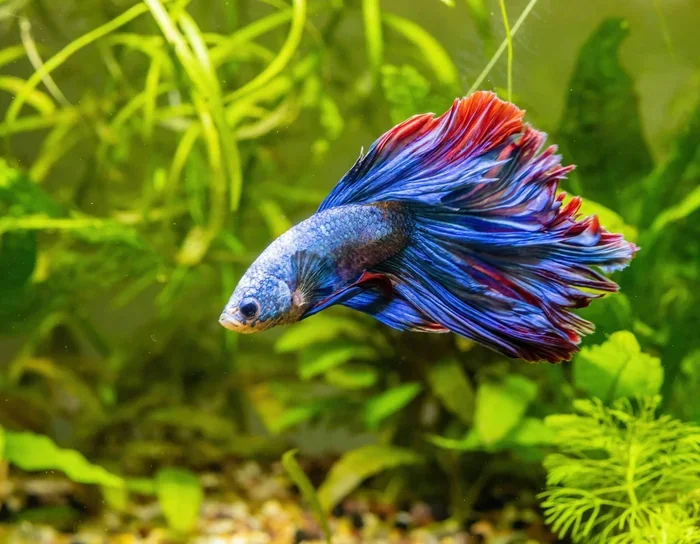
If you’re new to betta fish care, you might wonder: do betta fish breathe oxygen from water or do they need air too? The answer is both. But here’s the thing – bettas aren’t like most fish in your aquarium.
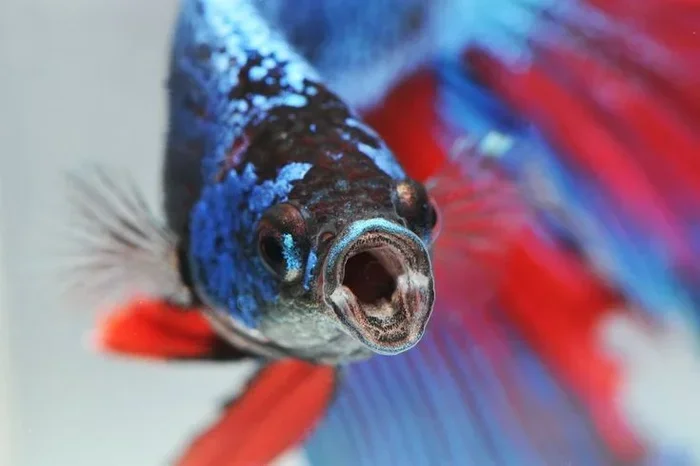
These beautiful, colorful fish have a secret weapon: a special organ called the labyrinth organ. Thanks to this unique feature, bettas can actually breathe air directly from the surface of the water. Yes, you read that right – they gulp air just like a dog or cat!
This makes them fascinating pets. But it also means you need to understand how they breathe to keep them healthy. Let’s dive into everything you need to know about how betta fish breathe oxygen.
Understanding the Labyrinth Organ
So what exactly is this labyrinth organ that makes bettas so special? Think of it as a built-in snorkel, but way more advanced.
What Is the Labyrinth Organ?
The labyrinth organ is a paired respiratory structure found in bettas and some other fish like gouramis. It’s located right behind the gills and looks like a maze – hence the name “labyrinth.”
This organ is filled with blood vessels and acts like a lung. When a betta swims to the surface and takes a breath, the air travels to the labyrinth organ instead of staying in the gills. The blood vessels in the organ then absorb the oxygen directly.
Why Did Evolution Give Them This Ability?
In the wild, bettas often live in shallow puddles, rice paddies, and slow-moving streams. These waters can get warm and low in oxygen, especially during dry seasons.
Having the ability to breathe air gave bettas an incredible survival advantage. When water conditions became harsh, they could simply swim to the surface and take a breath. This adaptation allowed them to thrive in environments where other fish would struggle.
How Does It Work?
Here’s the step-by-step process:
- The betta swims to the water’s surface.
- It opens its mouth and gulps in a small amount of air.
- The air travels to the labyrinth organ.
- Blood vessels in the organ absorb the oxygen.
- The unused air and carbon dioxide are expelled.
This whole process takes just seconds, and you might actually see your betta doing it. They’ll swim to the top, take a quick breath, and dive back down.
Do Betta Fish Breathe Through Their Gills?
You might assume that since bettas can breathe air, they don’t need their gills at all. But that’s not true. Betta fish do breathe through their gills, and this plays an important role in their overall health.
The Role of Gills in Betta Respiration
Just like other fish, bettas extract oxygen from water through their gills. The gills work by pulling oxygen dissolved in the water and releasing carbon dioxide waste.
However, the amount of oxygen they get from their gills is usually much less than what they get from air. That’s because water holds far less oxygen than air. In fact, water can only hold about 1/30th of the oxygen that the same volume of air contains.
When Do They Rely More on Gills?
Betta fish tend to rely more on their gills when:
- The water is well-oxygenated and clean.
- They’re active and swimming regularly.
- The temperature is cooler (oxygen dissolves better in cold water).
But even in these conditions, they still need to surface for air periodically. The labyrinth organ is their backup system, and sometimes their primary source of oxygen.
Signs Your Betta Is Getting Enough Oxygen
Here are some signs your betta is breathing properly:
- Regular trips to the surface for air.
- Active swimming and normal behavior.
- Bright, vibrant colors.
- Normal appetite and energy levels.
If you notice your betta gasping at the surface frequently or hanging near the top, it could indicate a problem with water quality or oxygen levels.
Do Betta Fish Need Access to Air?
Absolutely, yes. Betta fish need access to air to survive long-term. Even though they can extract some oxygen from water, they cannot survive without regular access to the surface.
Why Surface Access Is Critical
If a betta can’t reach the surface, it will eventually suffocate. Here’s why:
- The labyrinth organ requires atmospheric air to function properly.
- Water alone doesn’t provide enough oxygen for long-term survival.
- Without air, the fish becomes stressed and weakened.
This is why tank depth is so important. A betta should never be kept in a deep aquarium where reaching the surface is difficult or exhausting.
Ideal Tank Setup for Air Breathing
To make sure your betta can breathe easily:
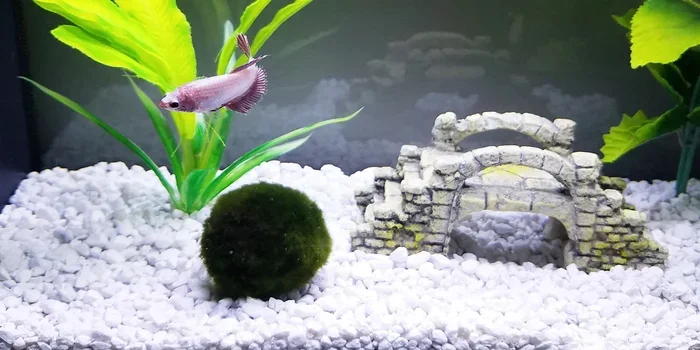
- Use a shallow tank (under 8 inches deep).
- Keep the water level stable so the surface is always accessible.
- Avoid tall decorations that block access to the surface.
- Make sure there are no tight spaces where your betta could get trapped.
Some people worry that a shallow tank looks less appealing, but your betta’s health comes first. You can still create a beautiful setup with plants and decorations while keeping things shallow.
What Happens Without Air Access?
If a betta is unable to reach the surface for air:
- It becomes stressed very quickly.
- Its immune system weakens.
- It may develop breathing problems or infections.
- In severe cases, it can die within hours or days.
This is why it’s crucial to check your tank setup regularly and ensure nothing is blocking your betta’s path to the surface.
Do Betta Fish Breathe Water?
Yes, but not in the way you might think. Betta fish do breathe water, but it’s more accurate to say they extract oxygen from water through their gills rather than “breathing” it like mammals do.
The Science Behind Gill Breathing
When a betta breathes through its gills, here’s what happens:
- Water enters the mouth.
- It passes over the gill filaments.
- Oxygen dissolves into the bloodstream.
- Carbon dioxide is released back into the water.
This process works best when the water is rich in dissolved oxygen. Warm, stagnant water has much less oxygen, which is why bettas turn to their labyrinth organ as a backup.
Environmental Factors That Affect Gill Breathing
Several factors influence how well your betta can breathe through its gills:
- Temperature: Warmer water holds less oxygen.
- Water movement: Stagnant water has lower oxygen levels.
- Pollutants: Ammonia and nitrites damage gill tissue.
- Plants: Live plants actually help increase oxygen levels.
Maintaining good water quality is essential for supporting your betta’s gill function alongside its air-breathing ability.
Do All Betta Fish Breathe Air?
Yes, all betta fish have the ability to breathe air thanks to their labyrinth organ. This isn’t a trait that varies between individual bettas or different types – it’s universal across the species.
Different Types of Bettas
There are many varieties of betta fish, including:
- Halfmoon
- Veiltail
- Delta
- Crowntail
- Dumbo
- Plakat
No matter which type you have, they all share the same basic respiratory system. The labyrinth organ is present in every betta, regardless of their appearance or fin shape.
Baby Bettas and Air Breathing
Even baby bettas can breathe air. In fact, this ability is crucial for fry survival. In the wild, young bettas often live in tiny pools where water quality is poor and oxygen levels are low.
Being able to surface for air gives them a significant advantage over other small fish species that can only rely on gill breathing.
Exceptions and Special Cases
While all bettas can breathe air, some may struggle more than others due to:
- Genetic issues affecting the labyrinth organ.
- Injury or disease that damages the organ.
- Extremely poor water conditions that cause gill damage.
However, these are exceptions rather than the rule. Healthy bettas of all types should be able to breathe air normally.
Do Betta Fish Like Air Pump Circulation?
This is a common question among betta owners. While bettas can breathe air, they don’t necessarily need extra water movement from air pumps. In fact, too much circulation can be stressful for them.
Understanding Betta Preferences
Betta fish are native to slow-moving waters. They prefer calm environments where they can rest easily. Strong water currents from air pumps or filters can make it harder for them to swim comfortably.
When Air Pumps Can Help
That said, there are some situations where gentle aeration is beneficial:
- In larger tanks where water can become stagnant.
- When keeping bettas with other peaceful community fish.
- In very warm water conditions where oxygen levels drop.
If you do use an air pump, choose one with adjustable flow and use a sponge filter or air stone to keep the current gentle.
Signs Your Betta Doesn’t Like the Current
Watch for these warning signs:
- Struggling against the current instead of swimming freely.
- Hiding constantly or appearing stressed.
- Fins getting damaged by strong water movement.
Your betta’s comfort should always come first. If they seem bothered by water movement, it’s better to remove the air pump than risk stressing them out.
Do Betta Fish Like Air Filters?
Like air pumps, air-driven filters can provide some benefits but also pose risks for bettas. The key is choosing the right type and setting it up properly.
Types of Air-Driven Filters
Popular options include:
- Sponge filters: Gentle and excellent for biological filtration.
- Undergravel filters: Provide good mechanical filtration but create more current.
- Corner filters: Compact and suitable for small tanks.
Sponge filters are often the best choice for bettas because they provide filtration without creating strong currents.
Setting Up Filters for Bettas
Here are some tips for safe filtration:
- Use a gentle flow rate or adjustable settings.
- Place the filter outlet away from where your betta swims most.
- Check regularly to make sure nothing is blocking the flow.
- Consider using a pre-filter sponge to protect delicate fins.
Remember, bettas come from environments with minimal water movement. Mimicking those conditions as closely as possible will keep them happiest and healthiest.
Caring for Your Air-Breathing Betta
Now that you understand how bettas breathe, let’s talk about practical care tips to support their unique respiratory needs.
Water Quality Maintenance
Even though bettas can breathe air, they still need clean water. Here’s what to focus on:
- Perform weekly partial water changes (25-30%).
- Test water parameters regularly for ammonia, nitrites, and pH.
- Keep the water temperature between 76-82°F.
- Avoid overfeeding, which pollutes the water quickly.
Good water quality supports both gill function and overall health, reducing stress on your betta’s respiratory system.
Tank Setup Essentials
Create an environment that works with your betta’s breathing habits:
- Keep tanks shallow (5-10 gallons is ideal).
- Add floating plants like water lettuce for shade and security.
- Include resting spots near the surface.
- Use soft, rounded decorations to prevent injury.
Feeding Considerations
When feeding, consider your betta’s breathing needs:
- Feed near the surface where they spend time breathing.
- Use sinking pellets sparingly – they can pollute the water.
- Offer variety with occasional treats like bloodworms.
- Don’t overfeed – uneaten food degrades water quality.
Common Breathing Problems and Solutions
Even with perfect care, bettas can sometimes experience breathing difficulties. Here’s how to spot and address common issues.
Signs of Respiratory Distress
Watch for these red flags:
- Excessive surface gasping.
- Lethargy or loss of appetite.
- Labored breathing or rapid gill movement.
- Losing color or becoming pale.
Troubleshooting Tips
If you notice breathing problems:
- Check water parameters immediately.
- Perform an emergency water change.
- Ensure the surface is unobstructed.
- Consider adding an air stone for extra oxygen.
- Consult a veterinarian if symptoms persist.
Expert Insights
According to Dr. Martin Bramley, a leading aquatic veterinarian, “The labyrinth organ is one of nature’s most remarkable adaptations. Betta fish essentially have a dual respiratory system that gives them incredible resilience.”
He continues, “However, this doesn’t mean they can survive in poor conditions indefinitely. Owners still need to maintain good water quality and provide proper care.”
Marine biologist Dr. Sarah Chen adds, “Many people misunderstand bettas because they think these fish don’t need much care since they can breathe air. Nothing could be further from the truth. They require just as much attention as any other pet.”
Key Takeaways
Let’s recap the most important points about betta fish breathing:
- Betta fish have a labyrinth organ that lets them breathe air from the surface.
- They also use their gills to extract oxygen from water.
- Access to air is essential – they cannot survive without it.
- All bettas, regardless of type, have this air-breathing ability.
- While they can handle some water movement, strong currents can be stressful.
- Maintaining good water quality supports both breathing methods.
Conclusion
So, do betta fish breathe oxygen from air or water? The answer is both. These remarkable creatures have evolved a unique labyrinth organ that allows them to breathe air directly from the surface, while their gills continue to extract oxygen from the water.
This dual respiratory system makes bettas incredibly resilient, but it also means they have specific needs. They require access to the water’s surface, prefer calm water conditions, and still need clean, well-maintained aquariums to stay healthy.
By understanding how betta fish breathe oxygen, you can create the perfect environment for your pet. Remember to keep their tank shallow, maintain excellent water quality, and watch for signs of respiratory distress. With the right care, your betta will thrive and show off their beautiful colors and lively personalities for years to come.
Your betta’s unique breathing ability is one of the many reasons these fish make such fascinating and rewarding pets. Just remember – that trip to the surface isn’t playtime; it’s life-sustaining behavior that you need to support with proper care.
Frequently Asked Questions
Can betta fish survive without reaching the surface for air?
No, betta fish cannot survive long without access to air. While they can extract some oxygen through their gills, they need to surface regularly to breathe atmospheric oxygen through their labyrinth organ. Without surface access, they will eventually suffocate.
How often do healthy bettas go to the surface to breathe?
Healthy bettas typically visit the surface several times per day to breathe air. This behavior is completely normal and indicates they’re getting enough oxygen. You might notice them doing this during feeding time or whenever they need a quick breath.
Is it normal for bettas to gulp air at the surface frequently?
Yes, this is perfectly normal behavior. Bettas regularly visit the surface to breathe air, and this is how they’re supposed to function. However, excessive gasping or appearing distressed at the surface could indicate poor water quality or other health issues.
Do betta fish need air pumps in their tanks?
Betta fish do not require air pumps since they can breathe air directly from the surface. However, in larger tanks or warm conditions, a gentle air stone can help maintain oxygen levels in the water. If using one, make sure it doesn’t create strong currents that stress your betta.
Can betta fish breathe in completely still water?
Yes, betta fish can survive in still water because they can breathe air from the surface. In fact, they prefer calm water conditions. However, some gentle water movement helps distribute oxygen and nutrients, so a small filter or air stone with very low flow can be beneficial.
What should I do if my betta is gasping at the surface constantly?
Constant surface gasping usually indicates poor water quality or low oxygen levels. Test your water parameters immediately and perform a partial water change. Check that nothing is blocking access to the surface. If the problem persists, consider adding a gentle air stone or consulting an aquatic veterinarian.
Frequently Asked Questions
What is do betta fish breathe oxygen?
do betta fish breathe oxygen is an important topic with many practical applications.