Betta fish are generally considered silent pets, but they can produce subtle sounds under certain circumstances. While they lack vocal cords, bettas communicate through body language, fin movements, and occasional low-frequency sounds. Understanding how betta fish “talk” helps owners better interpret their pet’s mood, health, and needs.
Key Takeaways
- Bettas lack vocal cords: Unlike mammals, betta fish do not have the anatomy to produce traditional vocal sounds like barking or meowing.
- Subtle sounds are possible: Betta fish can create faint clicking, croaking, or buzzing sounds through muscle contractions and jaw movements.
- Communication is mostly visual: Bettas rely heavily on fin flaring, color changes, and body posture to express themselves.
- Stress can trigger sounds: Some bettas produce noise when stressed, agitated, or during territorial disputes.
- Hearing is limited but present: Betta fish can detect vibrations and low-frequency sounds through their lateral line system and inner ear.
- Environmental factors matter: Tank conditions, water quality, and the presence of other fish can influence whether a betta makes noise.
- Silence is normal: Most betta fish are completely quiet, and a silent betta is typically a healthy, content betta.
📑 Table of Contents
- Can Betta Fish Make Noise? The Surprising Truth About Betta Vocalizations
- The Science Behind Betta Fish Sounds
- What Sounds Do Betta Fish Make?
- How Betta Fish Communicate Without Sound
- What Makes a Betta Fish More Likely to Make Noise?
- Can Betta Fish Hear?
- Common Misconceptions About Betta Fish Noise
- Creating a Peaceful Environment for Your Betta
- Conclusion
Can Betta Fish Make Noise? The Surprising Truth About Betta Vocalizations
If you have ever sat quietly next to your betta fish tank and wondered whether your little friend could make a sound, you are not alone. It is one of the most common questions new and experienced betta owners ask. The short answer is yes, but not in the way you might expect. Betta fish do not bark, chirp, or sing like other pets. Their world of sound is far more subtle and fascinating than most people realize.
Understanding whether betta fish can make noise opens up a whole new way of appreciating these beautiful creatures. When you know what to listen for and what triggers certain behaviors, you become a much better betta parent. You can read your fish’s mood, spot early signs of stress, and create a happier home for your aquatic companion. So let us dive deep into the world of betta fish sounds and find out exactly what is going on beneath the surface of that tank.
The Science Behind Betta Fish Sounds
Do Betta Fish Have Vocal Cords?
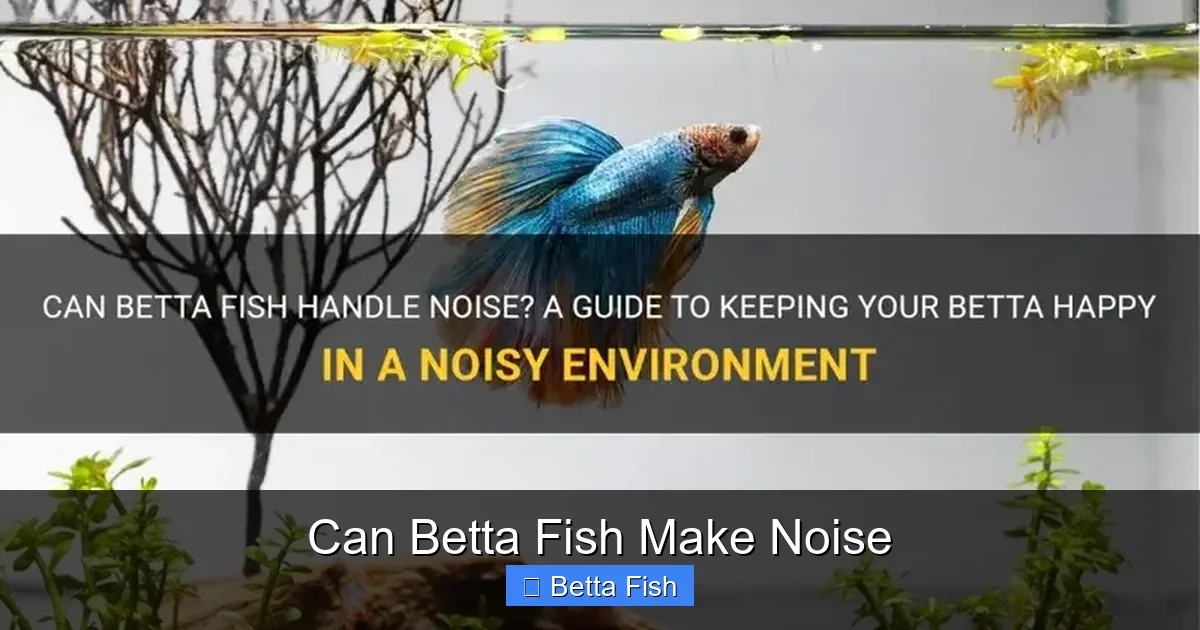
Here is the first thing you need to know. Betta fish do not have vocal cords. They do not have lungs or a larynx like mammals do. This means they cannot produce sound the way a dog, cat, or even a bird can. Their anatomy is completely different. Fish live in water, and sound travels through water in a very different way than it does through air.
Visual guide about Can Betta Fish Make Noise
Image source: petshun.com
Instead of vocal cords, betta fish have a swim bladder. This is a gas-filled organ that helps them control their buoyancy. Some fish species use their swim bladder to produce sounds by vibrating it with special muscles. Bettas can do something similar, though the sounds they create are extremely faint. You would need to be in a very quiet room, with your ear close to the tank, to even have a chance of hearing anything.
How Do Betta Fish Produce Sound Without Vocal Cords?
Even without vocal cords, betta fish have a few tricks up their fins. They can produce low-frequency sounds through a process called sonic muscle contraction. Tiny muscles attached to the swim bladder can contract rapidly, creating a faint drumming or buzzing sound. This is the same mechanism used by many other fish species, though bettas are not particularly loud about it.
Another way bettas create sound is through jaw movements. When a betta clenches or grinds its jaws, it can produce a soft clicking noise. This is most commonly observed during feeding time or when a betta is feeling territorial. Some owners report hearing a faint croaking sound when their betta is flaring at its reflection or at another fish. While it might seem like your betta is trying to talk to you, it is more likely expressing dominance or frustration.
What Sounds Do Betta Fish Make?
Clicking and Croaking
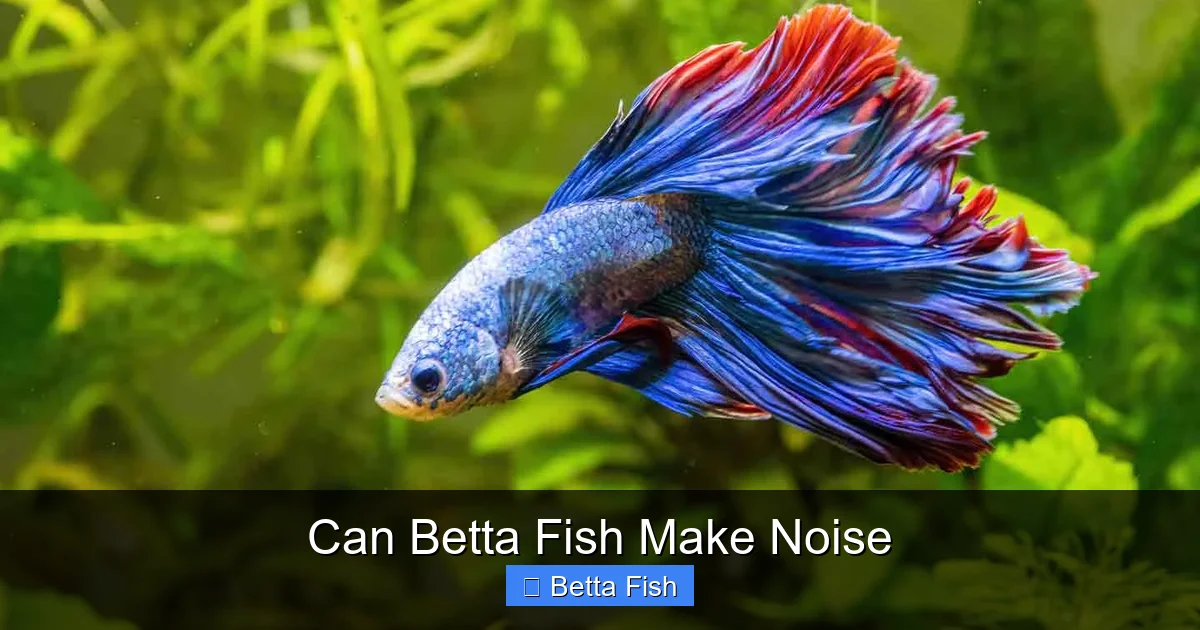
The most commonly reported sound from betta fish is a soft clicking or croaking noise. This usually happens during moments of high emotion. Think of it like a betta’s version of a growl. When your betta sees its reflection in the glass and starts flaring its gills, you might hear a faint clicking sound. This is the fish expressing territorial aggression.
Visual guide about Can Betta Fish Make Noise
Image source: pet-health-content-media.chewy.com
Some betta owners have also reported hearing clicking during feeding. When a betta grabs a pellet, the jaw movement can create a tiny snapping sound. It is completely normal and nothing to worry about. In fact, it is a good sign that your betta is healthy and eating well.
Buzzing and Humming
A few betta owners have described hearing a faint buzzing or humming sound coming from their tank. This is likely caused by the sonic muscles around the swim bladder contracting. It is extremely rare and very quiet. Most people never hear it. If you do hear something like this, it is usually during breeding behavior or when a betta is particularly excited.
It is important to note that sometimes what sounds like a buzzing fish is actually the aquarium equipment. Filters, air pumps, and heaters can all produce low-frequency hums that might be mistaken for fish sounds. Always check your equipment before assuming your betta is making noise.
Splashing and Surface Sounds
While not a vocalization, betta fish are known for creating surface noise. Bettas are labyrinth fish, which means they can breathe air directly from the surface. When your betta comes up for a gulp of air, you might hear a soft popping or splashing sound. This is completely normal behavior and a sign that your betta is using its labyrinth organ as nature intended.
Some bettas are also enthusiastic jumpers. If your betta is feeling energetic or stressed, it might splash around at the surface. This can create quite a bit of noise, especially in a quiet room. Always keep a lid on your betta tank to prevent any accidental escapes.
How Betta Fish Communicate Without Sound
Body Language and Fin Displays
Since betta fish are mostly silent, they have evolved incredible ways to communicate visually. A betta’s body language is like a secret language that tells you everything about how it is feeling. Learning to read these signals is one of the most important skills a betta owner can develop.
Visual guide about Can Betta Fish Make Noise
Image source: cdn.shopify.com
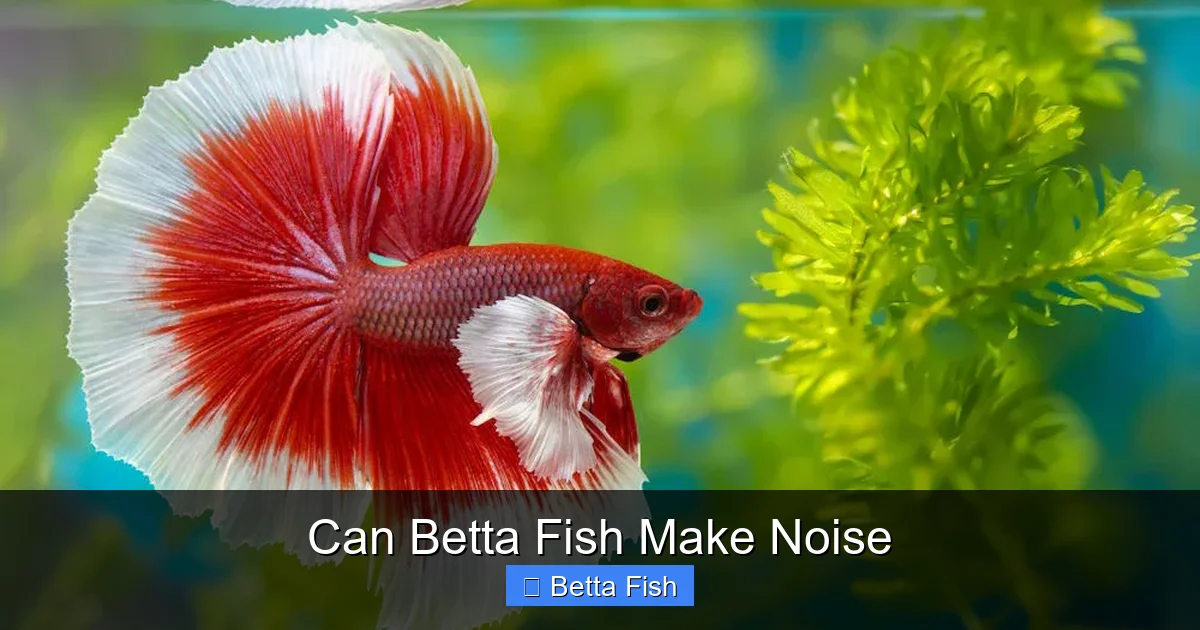
When a betta flares its gills and spreads its fins wide, it is saying “back off.” This is a territorial display meant to intimidate rivals. A happy, relaxed betta will have smooth, flowing fins and smooth swimming patterns. A stressed betta might clamp its fins close to its body and hide in a corner. These visual cues tell you far more about your betta’s mood than any sound ever could.
Color Changes
Betta fish are famous for their vibrant colors, but did you know those colors can change based on mood and health? A healthy, happy betta will display rich, deep colors. A stressed or sick betta might become pale or develop stress stripes. These are horizontal lines that run along the body and are a clear sign that something is wrong.
Male bettas tend to show the most dramatic color changes. During breeding season, a male betta’s colors can become incredibly intense as he tries to attract a female. If you notice your betta’s colors suddenly changing, it is worth checking the water quality and making sure the tank environment is optimal.
Bubble Nests
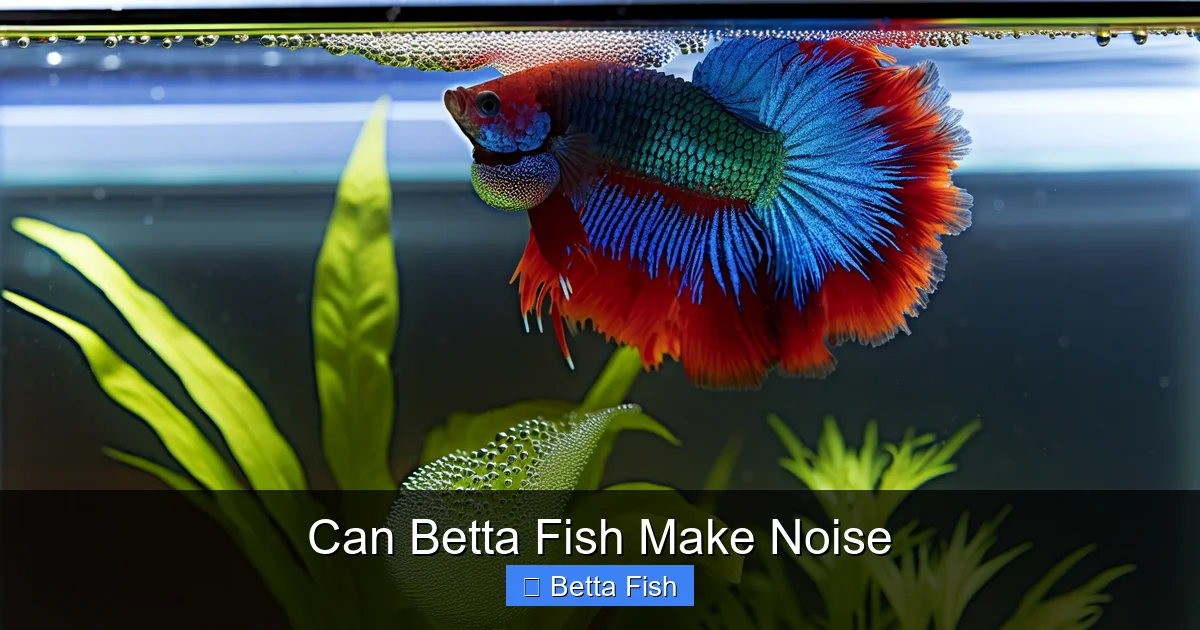
One of the most fascinating forms of betta communication is the bubble nest. Male bettas build these clusters of bubbles at the water’s surface as part of their breeding behavior. A bubble nest is a sign that a male betta is healthy, comfortable, and ready to mate. It is his way of saying “I am here and I am ready.”
Not all male bettas build bubble nests, and that is okay. Some are just less interested in breeding than others. However, if your male betta suddenly starts building a bubble nest after not doing so before, it could be a sign that conditions in the tank have improved. Maybe the water temperature is perfect, or the diet has gotten better. Either way, it is a positive sign.
What Makes a Betta Fish More Likely to Make Noise?
Stress and Aggression
Stress is one of the biggest triggers for betta fish noise. When a betta feels threatened or agitated, it is more likely to produce clicking or croaking sounds. This usually happens during territorial disputes. If you have your betta in a tank where it can see its reflection clearly, it might spend hours flaring at what it thinks is a rival. This constant stress is not healthy for your fish.
Visual guide about Can Betta Fish Make Noise
Image source: images.surferseo.art
To reduce stress-related noise, make sure your betta tank is set up properly. Use a tank that is at least 5 gallons, provide plenty of hiding spots with plants and decorations, and avoid placing the tank in front of a mirror or highly reflective surface. A calm betta is a quiet betta, and a quiet betta is usually a happy one.
Feeding Time Excitement
Feeding time is when many betta owners report hearing the most sounds. The excitement of seeing food can cause a betta to click its jaws, splash at the surface, and generally act more animated than usual. This is completely normal and actually a great sign. It means your betta is healthy, hungry, and engaged with its environment.
If you want to keep your betta happy and well-fed, offer a varied diet. High-quality pellets should be the staple, but you can supplement with frozen or live foods like bloodworms and brine shrimp. Just remember that overfeeding can cause health problems, so stick to small portions. If you are wondering what betta fish can eat for a balanced diet, there are plenty of great options to explore.
Breeding Behavior
Breeding season can bring out the most vocal side of a betta fish. Males become more active, more colorful, and more likely to produce sounds. The combination of bubble nest building, courtship displays, and territorial defense can create a betta that seems much more “talkative” than usual. If you are interested in breeding bettas, this is the time when you are most likely to hear those faint clicking and buzzing sounds.
Breeding bettas is a complex process that requires careful planning and separate tanks. If you are not prepared for the responsibility, it is best to keep your betta as a solo pet. A single betta in a well-maintained tank can live a long, happy life without ever needing a mate.
Can Betta Fish Hear?
The Lateral Line System
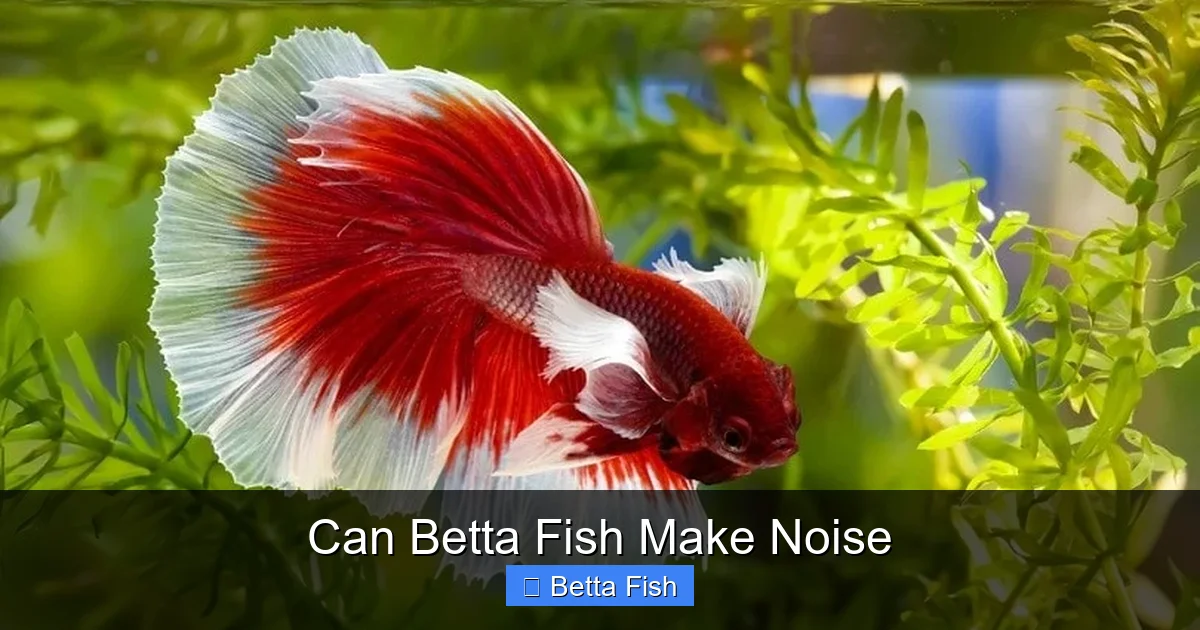
Even though betta fish are mostly silent, they can definitely detect sound and vibration. Bettas have a special sensory system called the lateral line. This is a row of tiny sensory organs that runs along each side of the fish’s body. The lateral line detects changes in water pressure and vibration, allowing the betta to sense movement and sound in its environment.
Visual guide about Can Betta Fish Make Noise
Image source: hepper.com
This system is incredibly sensitive. Your betta can detect the vibrations from your footsteps, the hum of the filter, and even the sound of you tapping on the glass. This is why it is important to avoid tapping on the tank. While it might seem like a fun way to get your betta’s attention, it actually causes stress and confusion for the fish.
Inner Ear Function
Bettas also have an inner ear, just like humans do. However, their inner ear is much simpler. It is primarily used for balance and detecting low-frequency sounds. Bettas cannot hear high-pitched sounds the way we can, but they are very sensitive to low-frequency vibrations. This is another reason why the subtle clicking and buzzing sounds they produce are effective for communication.
The combination of the lateral line and the inner ear gives betta fish a surprisingly good awareness of their surroundings. They might not hear you talking to them, but they can definitely feel the vibrations from your voice. Some betta owners swear that their fish respond to their voice over time. While there is no scientific proof of this, it is a fun thought.
Common Misconceptions About Betta Fish Noise
“My Betta Is Singing”
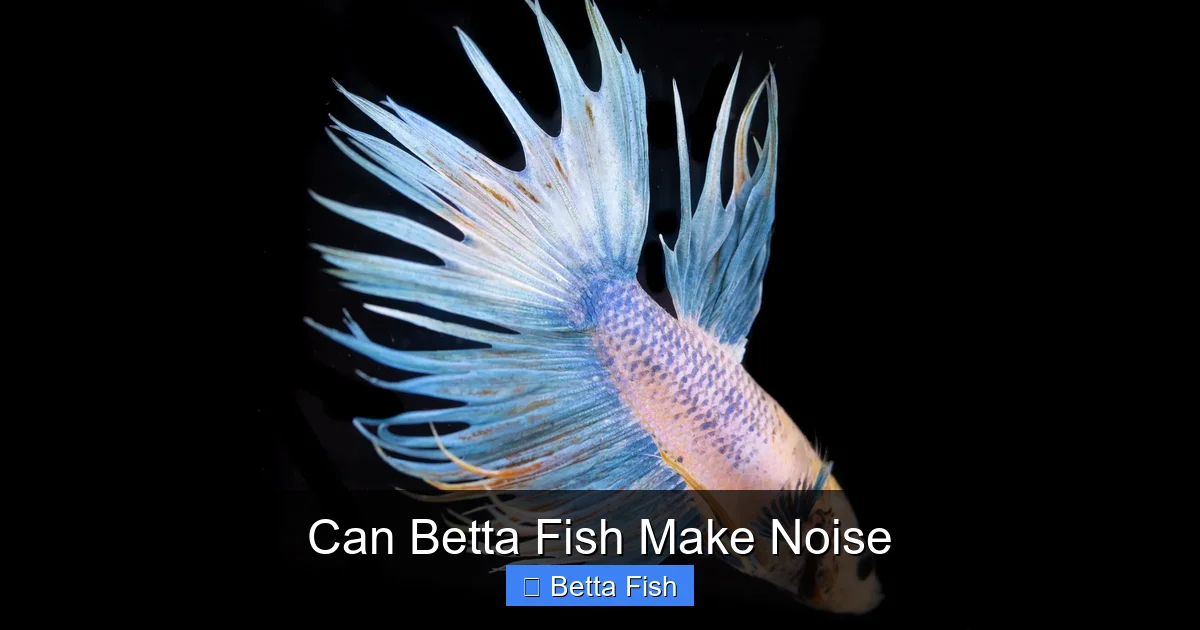
Some betta owners report hearing what sounds like singing or humming coming from their tank. In almost every case, this is not the fish making the noise. It is usually the aquarium equipment. Filters, air stones, and water pumps can all produce sounds that might be mistaken for fish vocalizations. Before you conclude that your betta has learned to sing, turn off all the equipment and listen again.
Visual guide about Can Betta Fish Make Noise
Image source: splashyfishstore.com
If the noise stops when you turn off the filter, you have found your culprit. If the noise continues, it could be the tank itself resonating with vibrations from the room. This is common with glass tanks placed on wooden surfaces. A simple foam pad under the tank can often solve this problem.
“A Noisy Betta Means Something Is Wrong”
This is not necessarily true. While stress can cause a betta to make more noise, a quiet betta is not always a happy betta, and a noisy betta is not always a stressed one. Every betta has its own personality. Some are naturally more active and expressive than others. The best way to judge your betta’s health is to look at the overall picture. Check the water quality, observe the body language, and monitor eating habits.
If your betta is making noise but otherwise seems healthy, active, and well-fed, there is probably nothing to worry about. However, if the noise is accompanied by other symptoms like lethargy, loss of appetite, or color changes, it might be time to investigate further. Poor water quality is the number one cause of health problems in betta fish, so always start there.
“Bettas Are Completely Silent”
This is the most common misconception of all. While bettas are certainly not the noisiest pets, they are not completely silent either. As we have discussed, they can produce faint clicking, croaking, and buzzing sounds. The reason most people think bettas are silent is that these sounds are so quiet that they are easily missed. You need a very quiet environment and a bit of patience to hear them.
If you want to try hearing your betta make noise, wait until the house is completely quiet. Turn off the TV, the music, and any other noise sources. Sit next to the tank and watch your betta during a moment of excitement, like feeding time or when it sees its reflection. You might just be rewarded with a faint click or croak.
Creating a Peaceful Environment for Your Betta
Tank Setup Matters
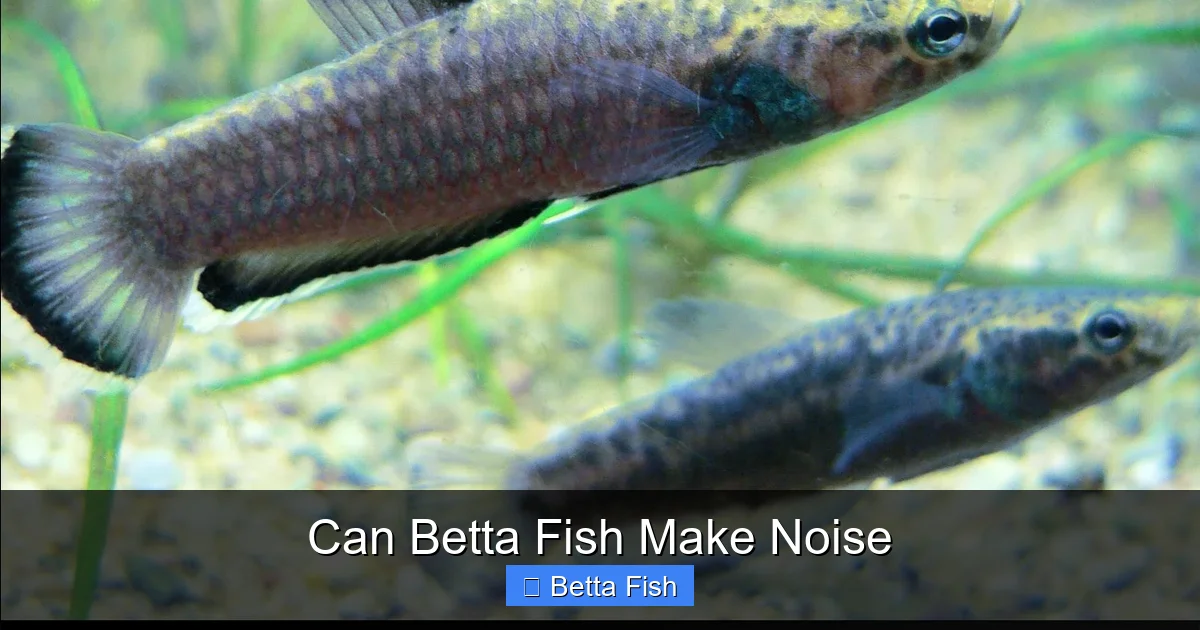
A well-designed tank is the foundation of a happy, healthy betta. When your betta feels safe and comfortable, it is less likely to experience stress-related noise and behavior. Start with a tank that is at least 5 gallons. While you might see bettas kept in tiny bowls at the store, this is not an appropriate long-term home. If you want to learn more about proper tank setup, check out our guide on how to make betta fish happy.
Visual guide about Can Betta Fish Make Noise
Image source: buildyouraquarium.com
Add plenty of live or silk plants to provide hiding spots and reduce stress. Avoid plastic plants with sharp edges, as these can tear a betta’s delicate fins. A gentle filter is also important, as bettas prefer calm water. Strong currents can stress your betta and make it harder for them to swim comfortably.
Water Quality and Temperature
Clean water is essential for betta health. Ammonia, nitrite, and nitrate levels should be monitored regularly. A good water testing kit is one of the best investments you can make as a betta owner. Perform partial water changes of about 25% every week to keep the water fresh and clean.
Water temperature is equally important. Bettas are tropical fish and prefer water between 76 and 82 degrees Fahrenheit. A reliable aquarium heater is a must. Fluctuating temperatures can stress your betta and lead to health problems. A stressed betta is more likely to exhibit unusual behaviors, including making noise.
Choosing Tank Mates Carefully
If you are thinking about adding tank mates for your betta, proceed with caution. Bettas are territorial and can be aggressive toward other fish. However, some peaceful species can coexist with bettas in a properly sized tank. If you are curious about what other fish can live with betta fish, it is important to research compatibility carefully before introducing any new tank mates.
Good tank mates for bettas include small, peaceful species like corydoras catfish, neon tetras, and certain types of shrimp. Avoid fish with long, flowing fins, as bettas may see them as rivals. Also avoid aggressive or fin-nipping species. Always have a backup plan in case the betta does not accept its new tank mates.
Conclusion
So, can betta fish make noise? The answer is a qualified yes. While they lack vocal cords and are mostly silent, bettas can produce faint clicking, croaking, and buzzing sounds through muscle contractions and jaw movements. These sounds are subtle and easy to miss, but they are real. More importantly, bettas communicate primarily through visual signals like fin flaring, color changes, and bubble nest building.

Visual guide about Can Betta Fish Make Noise
Image source: buildyouraquarium.com
Understanding the ways your betta communicates, both through sound and body language, makes you a better fish owner. You can spot stress early, provide a better environment, and build a stronger bond with your aquatic friend. Whether your betta is a chatty one or a silent swimmer, the most important thing is that it is healthy, happy, and well-cared for. Give your betta a clean tank, good food, a warm home, and plenty of love, and you will have a wonderful companion for years to come.
Frequently Asked Questions
Can betta fish make noise that humans can hear?
Yes, but the sounds are extremely faint. Betta fish can produce soft clicking, croaking, or buzzing sounds through jaw movements and muscle contractions. You would need to be in a very quiet room with your ear close to the tank to hear them.
Why is my betta fish making clicking sounds?
Clicking sounds in betta fish are usually caused by jaw movements during feeding or territorial displays. It is a normal behavior and not a cause for concern. If your betta is otherwise healthy and active, the clicking is just part of its natural communication.
Do betta fish make noise when they are stressed?
Yes, stress can cause betta fish to produce more noise than usual. Clicking and croaking sounds may increase when a betta feels threatened or agitated. Reducing stressors like reflections, aggressive tank mates, or poor water quality can help minimize this behavior.
Can betta fish hear their owners?
Betta fish cannot hear in the same way humans do, but they can detect vibrations and low-frequency sounds through their lateral line system and inner ear. They may respond to the vibrations from your voice or footsteps, even if they cannot hear the actual sound.
Is it normal for a betta fish to be completely silent?
Yes, it is completely normal. Most betta fish are silent the majority of the time. Silence is not a sign of illness or unhappiness. A quiet betta that is eating well, swimming actively, and displaying vibrant colors is typically a healthy, content fish.
What should I do if my betta fish is making unusual noises?
First, check your aquarium equipment to make sure the noise is not coming from the filter or pump. If the noise is definitely coming from your betta, observe for other signs of stress or illness like lethargy, loss of appetite, or color changes. Test your water quality and make any necessary adjustments to keep your betta healthy.

