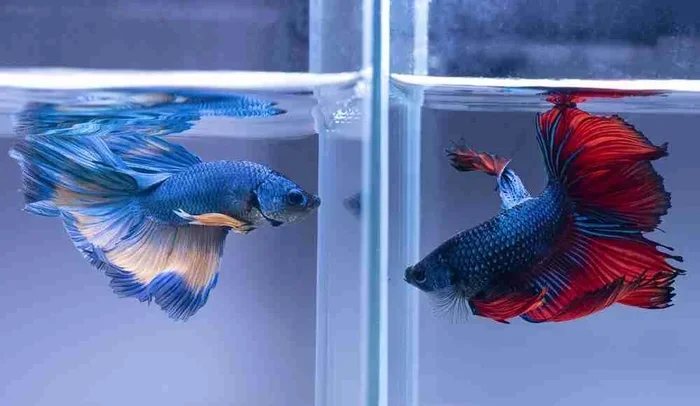
Do Betta Fish Breathe Air Surface Find Out The Real Reason

Do betta fish breathe air surface is a common question among new betta owners. The short answer is yes – bettas have a special labyrinth organ that lets them gulp oxygen from the water surface. Understanding this behavior helps you create a healthier tank and spot potential problems early.
Many betta enthusiasts pause when they see their fish darting to the top of the tank and taking a quick gulp. This behavior raises the question: do betta fish breathe air surface? The answer lies in a unique adaptation that separates bettas from most other aquarium fish. In the sections below, we’ll explore how this works, why it matters, and what you can do to keep your betta thriving.
Understanding surface breathing isn’t just trivia; it directly impacts tank setup, water maintenance, and overall fish welfare. By recognizing normal versus abnormal gulping, you can prevent stress, detect illness early, and provide an environment that mirrors the betta’s natural habitat. Let’s dive into the science and practical tips behind this fascinating trait.
Key Takeaways
- Point 1: Bettas possess a labyrinth organ that allows them to breathe atmospheric oxygen directly from the surface.
- Point 2: Surface breathing is natural and essential, especially in low‑oxygen or stagnant water.
- Point 3: A well‑maintained tank with easy surface access supports healthy breathing habits.
- Point 4: Excessive gulping can signal poor water quality, high temperature, or stress.
- Point 5: Labyrinth function complements gill respiration; bettas still need dissolved oxygen in water.
- Point 6: Avoid strong currents that make surface access difficult for bettas.
- Point 7: Observing your betta’s breathing patterns offers early clues to health issues.
📑 Table of Contents
What Does Do Betta Fish Breathe Air Surface Mean?
When keepers ask do betta fish breathe air surface, they are really asking about the betta’s ability to use atmospheric oxygen. This ability comes from a specialized organ called the labyrinth. Unlike gills, which extract oxygen dissolved in water, the labyrinth allows bettas to take in air directly from the surface.
The Labyrinth Organ Explained
The labyrinth is a folded, bony structure located behind the betta’s gills. It contains many thin layers filled with blood vessels. When a betta gulps surface air, oxygen passes into these vessels and is transported throughout the body. This process is similar to how lungs work in terrestrial vertebrates, though far simpler.
Because of the labyrinth, bettas can survive in oxygen‑poor waters that would suffocate many other fish. In the wild, they often inhabit shallow rice paddies, slow‑moving streams, and stagnant ponds where dissolved oxygen levels fluctuate.
Why Surface Breathing Matters
Surface breathing serves as a backup system. When water oxygen drops, the betta can rise to the top and gulp air to meet its metabolic needs. This adaptation also lets bettas survive short periods outside water, which is why they can sometimes be found lingering on wet leaves or tank rims.
However, relying too heavily on surface gulping can be a warning sign. If your betta is constantly gasping at the top, it may indicate low dissolved oxygen, high temperature, or pollutants like ammonia. Monitoring this behavior helps you maintain optimal water conditions.
How Betta Fish Use Surface Breathing in the Wild
In their native Southeast Asian habitats, bettas experience variable water conditions. During the dry season, shallow pools can become warm and stagnant, reducing oxygen solubility. The labyrinth organ gives bettas a competitive edge in these challenging environments.
Natural Habitat and Oxygen Levels
Wild bettas often live in waters with oxygen concentrations as low as 2 mg/L. At these levels, gill respiration alone would be insufficient. By supplementing with surface air, bettas maintain adequate oxygen delivery to tissues.
Additionally, the warm temperatures common in their habitats increase metabolic demand while decreasing oxygen solubility. Surface breathing helps balance this equation, allowing bettas to stay active and defend territories.
Behavioral Adaptations
Bettas have evolved specific behaviors to maximize surface access. They often hover near the waterline, dart upward for a quick gulp, then return to mid‑water or the bottom. This “sipping” pattern minimizes exposure to predators while still securing needed oxygen.
In aquariums, you may notice similar patterns, especially during feeding or when the tank lights turn on. Recognizing these natural rhythms helps you distinguish normal behavior from distress signals.
Surface Breathing in the Home Aquarium
Replicating a betta’s natural environment means providing easy surface access and maintaining good water quality. A tank that is too deep, overly turbulent, or cluttered with floating plants can hinder the betta’s ability to gulp air efficiently.
Tank Setup Tips for Easy Access
Choose a tank with a relatively shallow depth—12 to 18 inches works well for most bettas. Ensure the water surface is calm; strong currents from powerful filters or air pumps can push the betta away from the top.
Use a gentle sponge filter or a low‑flow hang‑on‑back filter. If you prefer an air pump, place the stone near the bottom and adjust the flow so surface agitation remains minimal.
Floating plants like duckweed or frogbit can provide cover, but keep them from forming a thick mat that blocks the surface. A thin layer allows the betta to break through easily for a gulp.
Signs Your Betta Is Breathing Properly
Normal surface breathing looks like occasional, quick gulps—perhaps a few times per minute when the fish is active or after eating. The betta should return to its usual swimming pattern immediately afterward.
Abnormal signs include:
- Continuous gasping with the mouth wide open.
- Lethargy or hanging at the surface without movement.
- Rapid gill movement combined with surface gulping.
- Loss of appetite or faded coloration.
If you observe any of these, test water parameters right away. High ammonia, nitrite, or nitrate levels, as well as elevated temperature, can impair oxygen exchange and force the betta to rely more heavily on surface air.
Quick Tips for Healthy Surface Breathing
- Tip 1: Keep water temperature between 76‑80 °F (24‑27 °C).
- Tip 2: Perform weekly water changes of 20‑30 % to maintain low toxins.
- Tip 3: Use a gentle filter flow; aim for a surface ripple, not a whirlpool.
- Tip 4: Provide a clear, unobstructed path to the water surface.
- Tip 5: Observe your betta’s breathing during feeding; note any changes.
Common Myths About Betta Breathing
Misconceptions about do betta fish breathe air surface abound. Let’s debunk a few of the most persistent myths so you can care for your betta with confidence.
Myth: Bettas Need Constant Air Pump
Some believe bettas require a bubbling air pump to survive. While gentle surface agitation helps oxygen exchange, bettas do not need a constant stream of bubbles. In fact, strong currents can stress them and make surface gulping difficult.
Myth: Surface Breathing Means Poor Water Quality
Occasional gulping is normal and healthy. Only when gulping becomes frequent or is accompanied by other symptoms should you suspect water issues. A betta that occasionally sips air is simply using its labyrinth organ as intended.
Myth: Bettas Can Live in Unfiltered Bowls
The labyrinth organ allows bettas to tolerate low oxygen, but it does not eliminate the need for clean water. Ammonia and nitrite build up quickly in small, unfiltered containers, leading to poisoning regardless of breathing ability.
How to Support Healthy Surface Breathing
Promoting proper surface breathing involves a combination of water management, tank design, and attentive observation. Below are practical steps you can take today.
Water Quality Maintenance
Test ammonia, nitrite, nitrate, and pH weekly. Aim for ammonia and nitrite at 0 ppm, nitrate below 20 ppm, and pH between 6.5‑7.5. Use a reliable liquid test kit for accuracy.
Perform regular water changes to dilute toxins. If you notice increased surface gulping after a change, check the temperature of the new water—cold water can temporarily reduce oxygen solubility.
Feeding and Stress Reduction
Feed a varied diet of high‑quality betta pellets, frozen or live brine shrimp, and occasional bloodworms. Overfeeding leads to waste accumulation, which degrades water quality and can trigger excess gulping.
Reduce stress by providing hiding spots (caves, smooth rocks) and avoiding aggressive tank mates. Bettas are territorial; a calm environment encourages natural breathing patterns.
Common Mistakes to Avoid
- Mistake 1: Using a powerful filter that creates a strong downdraft, pushing the betta away from the surface.
- Mistake 2: Covering the tank with a tight lid that leaves no air gap; bettas need access to humid air above the water.
- Mistake 3: Ignoring temperature spikes; warm water holds less oxygen, increasing reliance on surface air.
- Mistake 4: Adding too many floating plants that form a solid blanket.
- Mistake 5: Skipping water changes because the betta “seems fine” despite visible gulping.
Expert Insights and Final Thoughts
Experienced betta keepers often emphasize that observing breathing habits is as important as checking water tests. A betta that occasionally visits the surface, takes a quick gulp, and returns to normal activity is displaying healthy labyrinth use.
If you ever doubt whether your betta’s breathing is normal, compare it to the baseline you established when the fish first arrived. Note the frequency, duration, and any accompanying changes in behavior or appearance.
Remember, the labyrinth organ is a remarkable evolutionary tool that lets bettas thrive in conditions that would challenge many other fish. By respecting this ability and providing a supportive environment, you ensure your betta lives a vibrant, colorful life.
Conclusion
To answer the central question: do betta fish breathe air surface—yes, they do, thanks to their labyrinth organ. This adaptation allows them to supplement gill respiration with atmospheric oxygen, especially in low‑oxygen or warm waters. Healthy surface breathing appears as occasional, quick gulps, while frequent or labored gulping can signal water quality issues, temperature stress, or illness.
By maintaining clean water, offering gentle filtration, ensuring easy surface access, and watching for changes in behavior, you support your betta’s natural respiratory strategy. Use the tips and insights shared above to create a thriving habitat where your betta can flourish, displaying the brilliant colors and lively personality that make them such beloved pets.
Apply what you’ve learned today, and enjoy watching your betta confidently sip air at the surface—a sign of a well‑adapted, happy fish.
Frequently Asked Questions
Do betta fish need to come up for air to survive?
Yes, bettas can survive in low‑oxygen water because they possess a labyrinth organ that lets them gulp air from the surface. However, they still rely on dissolved oxygen in water for most of their respiration, so surface visits are supplemental, not a constant requirement.
Is it normal for my betta to breathe air while sleeping?
Bettas often reduce their activity at night, but they may still take occasional surface gulps if oxygen levels drop. If you notice frequent gasping while the fish appears to be resting, check water temperature and quality.
Do betta fish breathe through their gills as well as the surface?
Absolutely. Bettas use their gills to extract oxygen from water under normal conditions. The labyrinth organ provides an additional route for oxygen when water oxygen is low, allowing them to thrive in varied environments.
Can an air pump harm my betta’s ability to breathe air?
A strong air pump creates excessive surface turbulence and currents that can push a betta away from the top, making it harder to gulp air. Use a gentle flow or position the pump’s stone near the bottom to minimize surface disturbance.
What should I do if my betta is constantly gasping at the surface?
First, test ammonia, nitrite, nitrate, and pH. Perform a partial water change if toxins are elevated. Ensure the temperature stays between 76‑80 °F and that filter flow is not too strong. If the problem persists, look for signs of illness and consider consulting a veterinarian experienced with fish.