How Much Do I Feed a Betta Fish
Feeding a betta isn’t about over‑indulging; it’s about giving the right amount at the right times. A typical adult betta needs just a few tiny bites once or twice daily, and over‑feeding can cause water problems and health issues. Follow these simple guidelines to keep your finned friend thriving.
Key Takeaways
- Portion size matters: Only 2‑3 small pellets or a pea‑sized amount of frozen food per feeding.
- Feed 1‑2 times daily: More frequent, tiny meals can be okay for juveniles, but adults do best with once or twice a day.
- Watch the water: Cloudy water or leftover food signals you’re feeding too much.
- Adjust for activity: Active bettas may need a bit more; sluggish ones need less.
- Seasonal changes count: In cooler months metabolism slows, so reduce portions.
- Variety is key: Rotate pellets, frozen, and occasional live foods for balanced nutrition.
- Regular monitoring: Observe appetite and body condition to fine‑tune feeding amounts.
📑 Table of Contents
Introduction: Why Feeding Matters
If you’ve ever wondered “how much do i feed a betta fish?” you’re not alone. New owners often think a bigger bite means a happier fish, but the opposite is true. Over‑feeding leads to cloudy water, digestive problems, and even fatal infections. Under‑feeding, on the other hand, can cause stunted growth and a weak immune system.
Betta fish are small, tropical predators that evolved to hunt insects on the surface of slow‑moving waters. Their stomachs are tiny—about the size of a pea—so they can’t handle large meals. Understanding their natural diet and metabolism helps you answer the feeding question with confidence.
1. Understanding Betta Metabolism
Natural diet vs. captive diet
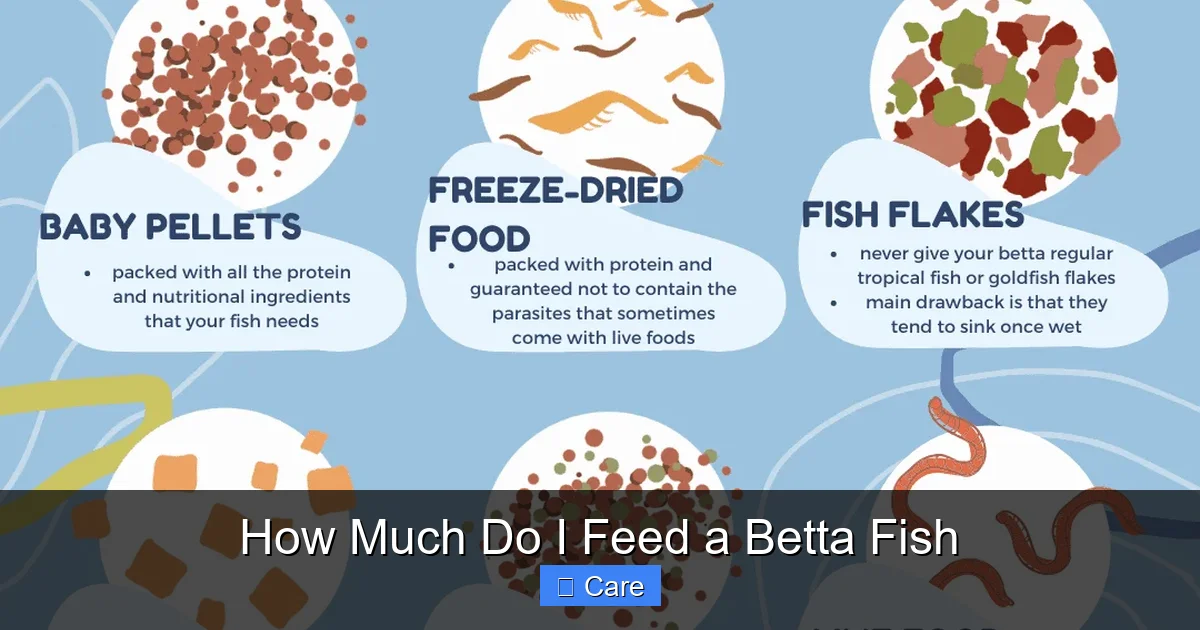
In the wild, bettas eat fly larvae, mosquito eggs, and tiny crustaceans. These foods are high in protein but low in bulk. In captivity, we replace them with specially formulated pellets, frozen bloodworms, and occasional live foods.

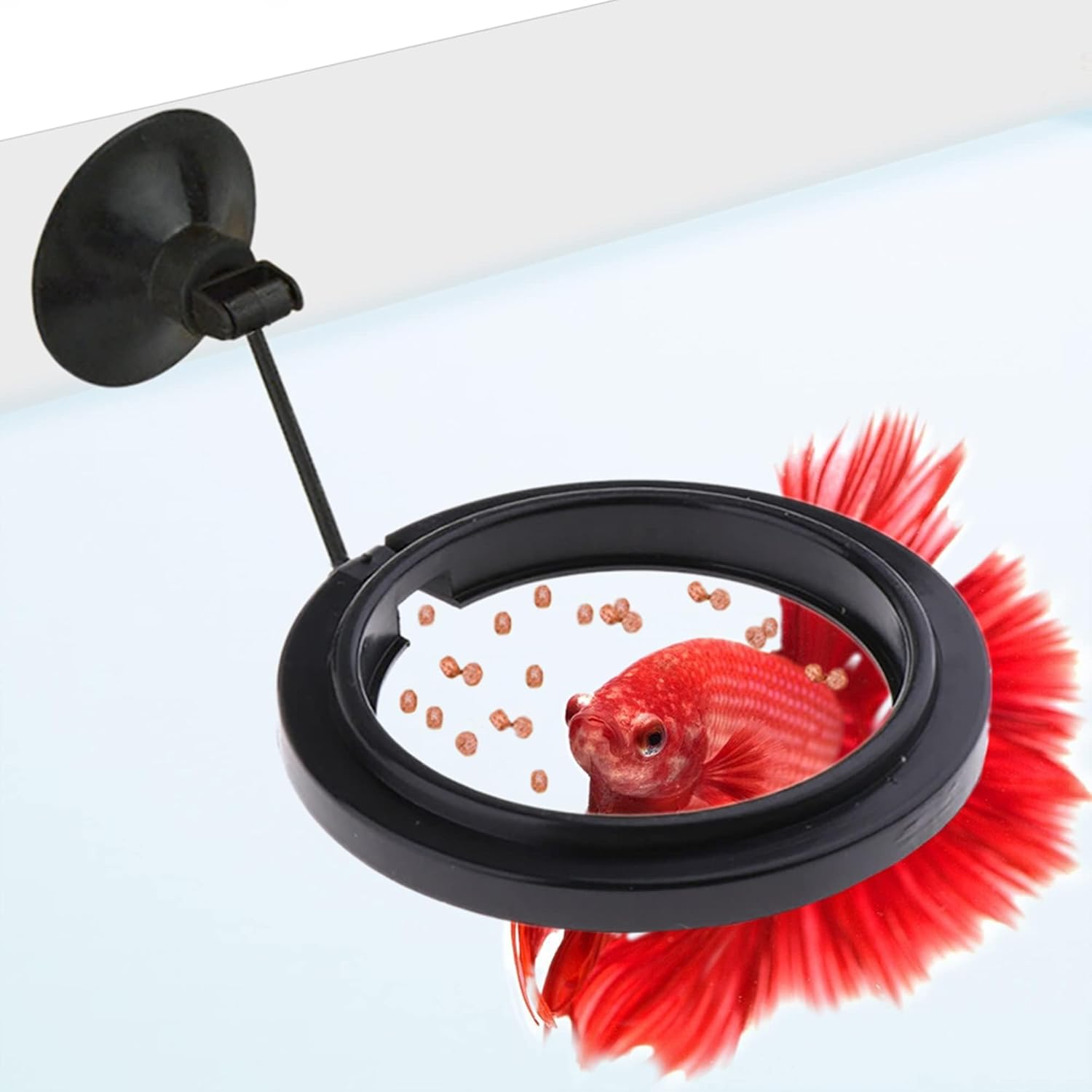
Visual guide about How Much Do I Feed a Betta Fish
Image source: i.pinimg.com
How fast does a betta digest?
Betta digestion is rapid—usually 30‑45 minutes. That’s why you’ll often see them gulp a pellet and then dart away. Because food passes quickly, they benefit from small, frequent meals rather than one large feast.
2. Determining the Right Portion Size
Pellets, flakes, and frozen foods
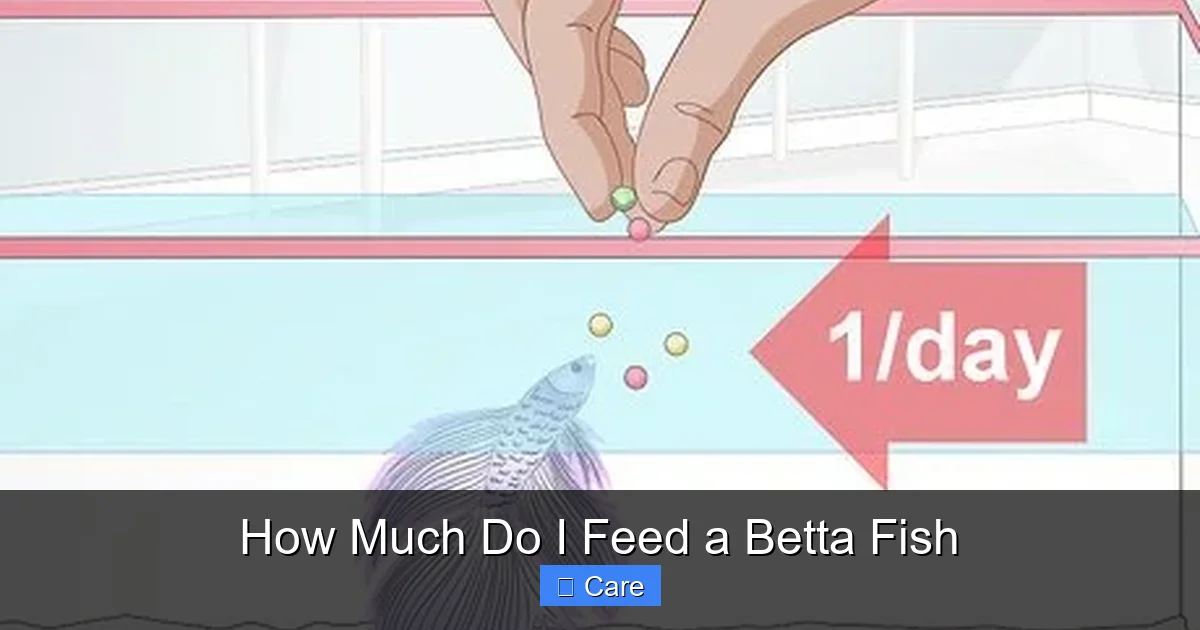
For most adult bettas, 2‑3 pellets (about the size of a pinhead) per feeding is sufficient. If you’re using frozen or live foods, aim for a pea‑sized portion. The rule of thumb: the food should disappear within 2‑3 minutes.
Visual guide about How Much Do I Feed a Betta Fish
Image source: koala.sh
Juveniles need more
Fry and young bettas have faster metabolisms. Feed them 4‑5 tiny pellets 3‑4 times a day until they reach adult size (about 2 inches). Once they’re fully grown, transition to the adult schedule.
Practical tip: the “finger test”
Hold a pellet between your thumb and forefinger. If it’s larger than a grain of rice, break it into smaller pieces. This simple test prevents accidental over‑portioning.
3. How Often Should You Feed?
Standard schedule
Most experts recommend feeding once or twice daily. Morning and early evening works well because bettas are most active during low‑light periods.
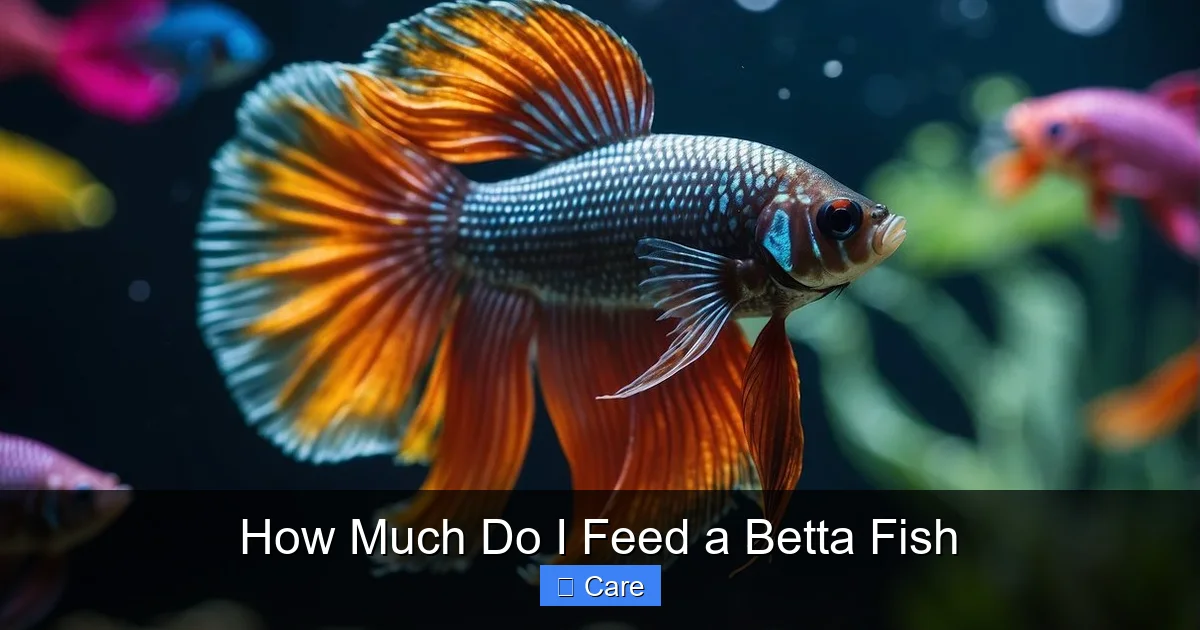
Visual guide about How Much Do I Feed a Betta Fish
Image source: tankarium.com
Link to related guide
For a deeper dive on timing, see our article on how often do i feed a betta fish.
Special situations
- Breeding pairs: Feed 4‑5 small pellets twice a day to support egg production.
- Ill bettas: Offer very tiny amounts (a single pellet) 2‑3 times a day to avoid stressing the digestive tract.
4. Signs You’re Feeding Too Much—or Too Little
Too much food
Watch for floating debris, cloudy water, or a bloated belly. Over‑feeding also attracts fungus and promotes ammonia spikes.
Too little food
If your betta looks thin, is less active, or swims near the surface looking for food, you may need to increase the portion slightly.
Monitoring tools
Use a clear container to pre‑measure pellets. Keep a feeding log for a week; note the amount, time, and any changes in behavior or water clarity.
5. Adjusting Feeding Based on Environment
Temperature effects
Betta metabolism speeds up at higher temperatures (around 80°F/27°C) and slows down when it drops below 75°F/24°C. In cooler months, reduce portions by about 25%.
Tank size and filtration
Smaller tanks accumulate waste faster. If you have a 2‑gallon bowl, be extra careful not to over‑feed. In a well‑filtered 5‑gallon tank, you have a little more leeway, but the rule of “no leftovers” still applies.
Link to water care article
Proper water parameters are essential; read more in our guide on how do you change a betta fish water.
6. Creating a Balanced Diet
Rotating foods
Offer pellets 4 days a week, frozen bloodworms or daphnia 2 days, and a live or brine shrimp treat once a week. This mimics the variety bettas would find in the wild.
Supplements and treats
A tiny amount of boiled peas once a week helps prevent constipation. Avoid over‑reliance on treats; they should never exceed 10% of the weekly diet.
Link to feeding methods
Need tips on how to actually feed your betta? Check out how do you feed a betta fish for practical techniques.
Conclusion: Feeding Made Simple
Answering “how much do i feed a betta fish?” boils down to three core ideas: tiny portions, limited frequency, and constant observation. By giving 2‑3 small pellets once or twice a day, keeping the water clean, and adjusting for temperature and activity, you’ll provide a diet that keeps your betta bright, active, and healthy for years to come.
Remember, every betta is an individual. Use the guidelines as a starting point, then fine‑tune based on your fish’s appetite, behavior, and the conditions of your tank. Happy feeding!
Frequently Asked Questions
How many pellets should I feed my betta each time?
Generally 2‑3 small pellets (about the size of a pinhead) per feeding is enough for an adult betta.
Can I feed my betta once a day instead of twice?
Yes, as long as the portion is adequate and the fish eats it within a few minutes. Some bettas do well with a single daily feeding.
What should I do if my betta leaves food uneaten?
Remove the leftovers immediately to prevent water fouling. Reduce the portion size at the next feeding.
Do bettas need live food?
Live food is a great occasional treat but not required. Frozen or high‑quality pellets provide complete nutrition.
How does water temperature affect feeding?
Warmer water speeds up metabolism, so your betta may need slightly more food. In cooler water, reduce the amount by about a quarter.
Is it okay to feed my betta treats like peas?
Yes, a small boiled pea once a week can help with digestion, but keep treats to less than 10% of the overall diet.