What to Do If My Betta Fish Won’t Eat
When a betta fish stops eating, it’s a clear sign something’s off in its environment or health. This guide walks you through the most common reasons, quick checks, and proven fixes to get your finned friend back to regular feeding. Follow these simple steps and watch your betta thrive again.
Key Takeaways
- Check water quality first: Poor parameters are the top cause of loss of appetite.
- Observe behavior: Lethargy, hiding, or frantic swimming can signal stress or illness.
- Offer variety: Switching to live or frozen foods often re‑stimulates a picky eater.
- Temperature matters: Betta metabolism slows below 76 °F (24 °C), reducing hunger.
- Stress reduction: Over‑crowding, bright lights, and aggressive tank mates can suppress feeding.
- Seek veterinary help: Persistent refusal to eat may mean an underlying disease.
- Prevent future issues: Regular water changes, proper diet, and a stable environment keep appetite steady.
📑 Table of Contents
Introduction: When Your Betta Stops Eating
Betta fish are known for their bright colors and feisty personalities, but they can be surprisingly sensitive. If you’ve ever wondered “what to do if my betta fish won’t eat?” you’re not alone. A sudden loss of appetite can make any fish keeper panic, especially because bettas have small stomachs and can starve quickly.
In this article we’ll walk through the most common reasons a betta refuses food, how to troubleshoot each one, and practical steps to coax it back to a healthy eating routine. Think of it as a friendly chat over a cup of tea—simple language, clear actions, and plenty of real‑world examples.
1. Test the Basics: Water Quality and Temperature
Why water matters
Betta fish are “labyrinth” fish that breathe air from the surface, but they still need clean, stable water. Ammonia spikes, high nitrite, or a pH that’s too low/high can stress a betta and shut down its appetite.
Visual guide about What to Do If My Betta Fish Won’t Eat
Image source: global-uploads.webflow.com
How to check
- Use a liquid test kit to measure ammonia, nitrite, nitrate, and pH.
- Make sure temperature stays between 76‑82 °F (24‑28 °C). Below 76 °F, metabolism slows and the fish may simply not feel hungry.
If any parameter is out of range, perform a partial water change (25‑30 %) and retest after a few hours.
Internal link example
For a deeper dive into ideal water conditions, see our guide on what water to use for betta fish.
2. Look for Signs of Stress or Illness
Behavior clues
Stress often shows up before a betta stops eating. Watch for:

Visual guide about What to Do If My Betta Fish Won’t Eat
Image source: e3f49eaa46b57.cdn.sohucs.com
- Lethargic swimming or staying at the bottom.
- Rapid, frantic darting (possible sign of discomfort).
- Faded colors or ragged fins.
Common health issues
Internal parasites, fungal infections, and swim‑bladder disease can all reduce appetite. If you notice bloating, white spots, or abnormal floating, it’s time to act.
When to seek help
If your betta refuses food for more than 48‑72 hours despite clean water and proper temperature, consult a vet who specializes in fish. Early treatment improves outcomes.
Internal link example
Learn how to spot a sick betta in our article how to tell if my betta fish is sick.
3. Evaluate the Diet: Is the Food Right?
What bettas normally eat
In the wild, bettas hunt insects and larvae. In captivity, they thrive on a mix of high‑quality pellets, frozen or live foods, and occasional treats.
Common feeding mistakes
- Over‑feeding pellets that become stale.
- Feeding only one type of food for weeks.
- Using food that’s too large for their tiny mouths.
Switch it up
Try offering a small amount of live or frozen brine shrimp, daphnia, or bloodworms. Warm the food slightly (to about room temperature) to enhance scent, which can trigger feeding instincts.
Internal link example
Read more about proper nutrition at what can betta fish eat.
4. Adjust Feeding Routine and Presentation
Feeding frequency
Adult bettas generally eat 2‑3 small meals per day. Feeding too much at once can lead to leftover food, water fouling, and reduced appetite.
Portion size
Offer a pea‑sized amount of pellets or a few frozen chirps. If the fish eats within 2‑3 minutes, remove any uneaten food.
Feeding tricks
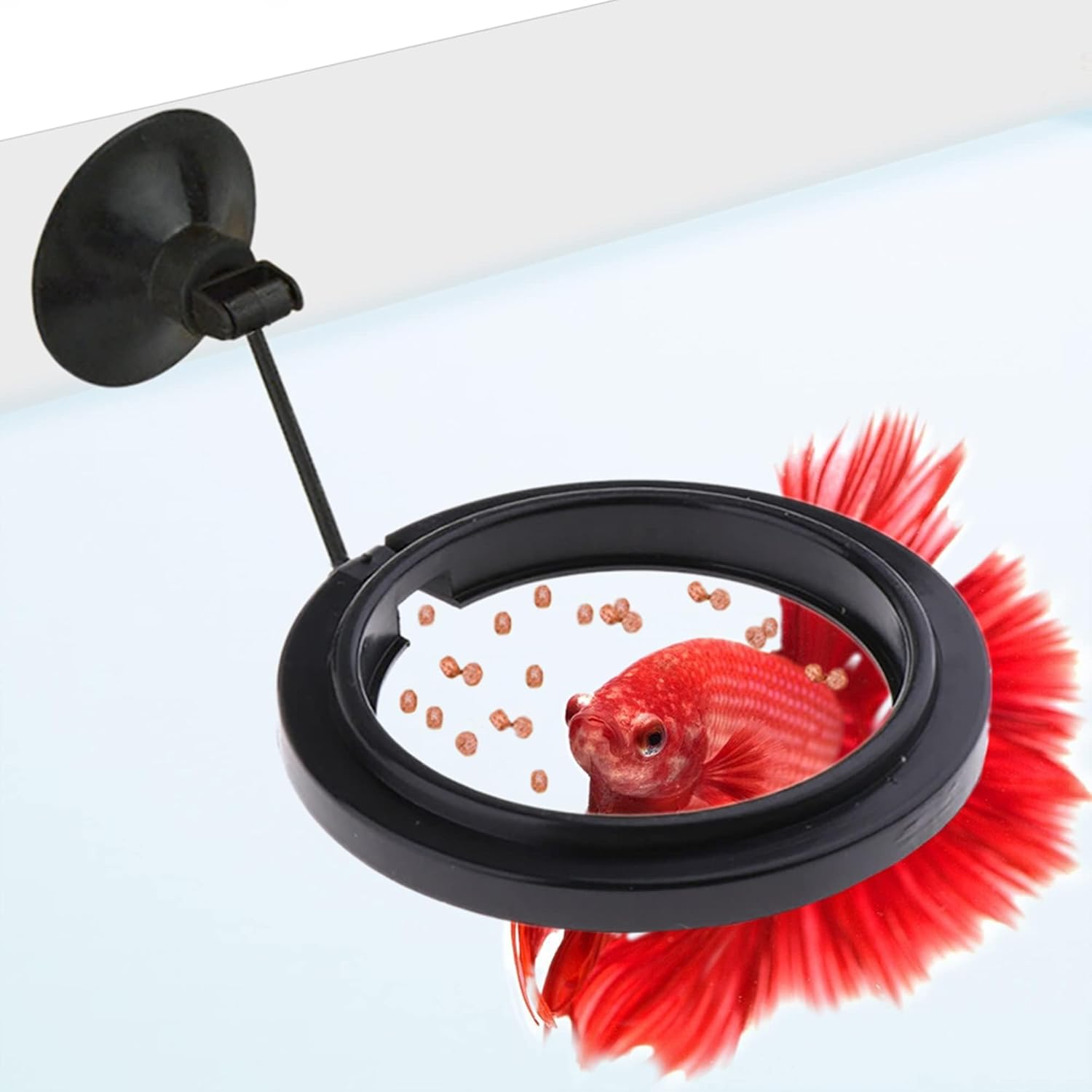
- Use a feeding stick to gently tap the surface, encouraging the betta to come up.
- Float a tiny piece of food on a leaf or a piece of aquarium-safe plastic to make it more visible.
- Feed in a dimly lit environment; bright lights can make bettas shy away.
5. Reduce Environmental Stressors
Tank size and décor
Betas need at least 2.5‑5 gallons of space. A cramped bowl can cause stress, leading to a loss of appetite. Provide plenty of hiding spots with silk plants or caves.
Tank mates
While bettas can coexist with certain peaceful species, aggressive or fast‑moving fish may intimidate them. If you suspect bullying, consider a solo tank.
Lighting and noise
Keep lights on for 8‑10 hours a day and avoid constant vibrations (e.g., from nearby speakers). A stable day‑night cycle supports natural feeding rhythms.
6. When All Else Fails: Emergency Care
Short‑term solutions
If your betta still won’t eat after checking water, health, diet, and environment, try a “fast‑track” feeding method:
- Warm a small amount of frozen bloodworm in a cup of tank water (no more than 30 seconds).
- Use a syringe (without needle) to gently drip the liquid onto the water surface.
- Observe if the betta snaps at the moving food.
Long‑term plan
Continue water quality maintenance, offer varied live foods, and monitor for any signs of disease. If the fish still refuses food after 24 hours of these intensive efforts, seek professional veterinary care.
Conclusion
Finding out what to do if my betta fish won’t eat can feel overwhelming, but most issues boil down to three core areas: water quality, health, and diet. By systematically checking each factor, you can quickly identify the problem and take corrective action. Remember, bettas are resilient; with clean water, proper temperature, a balanced diet, and a stress‑free environment, they’ll usually bounce back within a day or two.
Keep a simple log of water parameters and feeding attempts—it makes spotting patterns easier and helps you become a more confident betta keeper. Happy fish, happy you!
Frequently Asked Questions
Why is my betta fish not eating but looks fine?
Even a healthy‑looking betta can stop eating due to subtle water quality issues or a temporary temperature dip. Check ammonia, nitrite, and temperature first.
Can I feed my betta fish human food?
No. Human foods lack the nutrients bettas need and can pollute the tank. Stick to specially formulated pellets, frozen, or live foods.
How long can a betta survive without food?
Adult bettas can survive 2‑3 weeks without eating, but stress and illness increase quickly. Aim to restore feeding within 48‑72 hours.
Is it okay to give my betta fish vitamins?
Occasional vitamin supplements can help a recovering betta, but over‑supplementation may harm them. Use products designed for tropical fish and follow label directions.
My betta hides all day—should I be worried?
Hiding can indicate stress, illness, or unsuitable tank conditions. Verify water parameters, temperature, and check for signs of disease.
What should I do if my betta won’t eat after a water change?
Give the water a few hours to settle, then re‑test parameters. Offer a small amount of live or frozen food to entice feeding. If refusal continues, investigate health issues.