Why Is My Betta Fish Swimming Frantically

Betta fish may dart around their tank for many reasons, from water problems to stress triggers. Identifying the cause quickly can prevent illness and keep your finned friend happy.
Key Takeaways
- Water quality matters: Poor parameters are the top cause of frantic swimming.
- Stress triggers: Aggressive tank mates, sudden temperature changes, and bright lights can spook bettas.
- Health signs: Look for clamped fins, gasping, or loss of appetite as warning signs.
- Tank setup: Proper size, filtration, and hiding spots reduce anxiety.
- Routine checks: Test water weekly and observe behavior daily.
- Quick fixes: A water change, temperature adjustment, or adding a plant can calm a frantic swimmer.
- When to seek help: Persistent frantic swimming may need veterinary attention.
📑 Table of Contents
Introduction: The Panic Swim
Imagine you’re watching your betta fish glide gracefully, then—suddenly—he’s zipping from one side of the tank to the other like a tiny torpedo. It’s unsettling, and most owners wonder, “Why is my betta fish swimming frantically?” The good news is that frantic swimming is usually a symptom, not a disease. By understanding the underlying causes, you can act fast and restore calm to your aquatic companion.
In this guide we’ll break down the most common reasons for frantic swimming, show you how to diagnose the problem, and give you step‑by‑step solutions you can try today. Think of it as a friendly chat with a fellow betta enthusiast who wants your fish to live a long, colorful life.
1. Water Quality – The Silent Saboteur
Why water matters
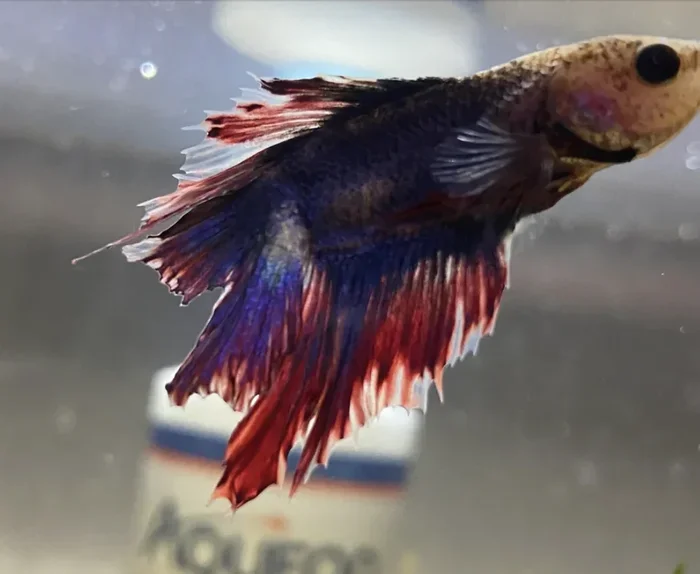
Betta fish are highly sensitive to ammonia, nitrite, and nitrate spikes. Even a small rise in ammonia can make a betta gasp, dart, and act erratically. Poor water also affects the fish’s gill function, leading to rapid breathing and frantic movement.

Visual guide about Why Is My Betta Fish Swimming Frantically
Image source: fishtanksetups.com
How to test and fix
- Test weekly: Use a liquid test kit to check ammonia, nitrite, nitrate, and pH.
- Partial water changes: Replace 25‑30 % of the water with dechlorinated, temperature‑matched water.
- Clean substrate: Vacuum the gravel to remove waste that feeds bacteria.
For a deeper dive into water‑related oddities, see our article on why is my betta fish water cloudy.
2. Temperature Fluctuations – The Heat Shock
Betta’s comfort zone
Betta fish thrive at 76‑82 °F (24‑28 °C). A sudden drop or rise can cause stress, leading to frantic swimming as the fish tries to find a more comfortable spot.
Visual guide about Why Is My Betta Fish Swimming Frantically
Image source: todomecanica.com
Stabilizing the tank
- Use a reliable aquarium heater with an automatic shut‑off.
- Place the tank away from drafts, windows, and direct sunlight.
- Check the temperature twice a day with a calibrated thermometer.
3. Stress From Tank Environment
Overcrowding and aggressive mates
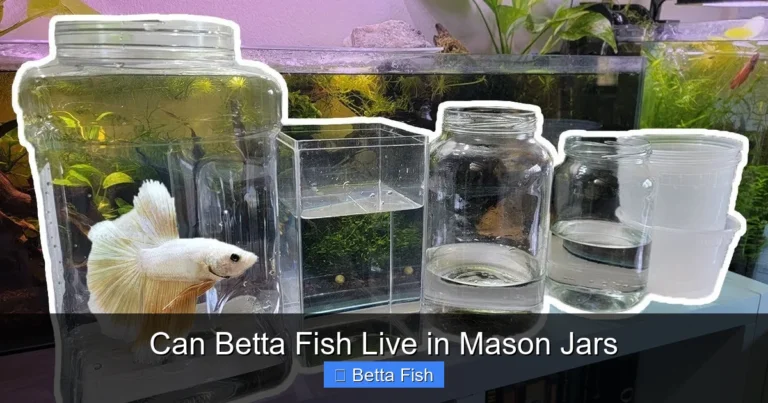
Betta fish are solitary by nature. Adding too many tank mates, especially other males, can trigger constant darting as the betta defends its territory.

Visual guide about Why Is My Betta Fish Swimming Frantically
Image source: i.ytimg.com
Lighting and reflections
Bright overhead lights or reflections on the glass can startle a betta, making it swim erratically. Dim the lights or use a background to reduce visual stress.
Enrichment and hiding spots
- Provide live or silk plants, caves, and driftwood.
- Arrange decorations so there are clear “safe zones.”
4. Health Issues – When the Body Calls for Help
Parasites and infections
Internal parasites can cause abdominal discomfort, prompting the fish to swim frantically. External infections often show as clamped fins, white spots, or ragged edges.
Swim bladder disorders
A compromised swim bladder makes it hard for the fish to maintain balance, resulting in sudden bursts of movement. If you notice your betta floating sideways, read our guide on why is my betta fish floating sideways for treatment tips.
What to look for
- Loss of appetite (see why is my betta fish not eating)
- Clamped fins or faded colors
- Excessive mucus or visible ulcers
5. Feeding Problems – The Food Connection
Overfeeding and water quality
Uneaten food decomposes quickly, raising ammonia levels and prompting frantic swimming. Feed small amounts twice a day and remove leftovers after five minutes.
Wrong diet
Low‑quality pellets can cause digestive upset. Switch to high‑protein betta‑specific flakes or frozen brine shrimp.
6. Quick Troubleshooting Checklist
Step‑by‑step response
- Check water temperature and adjust if needed.
- Test water parameters; perform a 25 % water change if ammonia or nitrite is present.
- Inspect the tank for aggressive tank mates or excessive reflections.
- Look for signs of disease: clamped fins, discoloration, or mucus.
- Reduce feeding to a small portion and remove uneaten food.
- Add a live plant or a piece of smooth driftwood for a hiding spot.
- Observe for 24‑48 hours; if frantic swimming persists, consider a vet visit.
Conclusion: Calm Waters Ahead
Frantic swimming is a clear alarm bell from your betta. Most of the time the cause is something you can fix at home—water quality, temperature, or stressors in the environment. By keeping a regular maintenance schedule, providing a stable habitat, and watching for early health signs, you’ll keep your betta swimming peacefully for years to come. Remember, a happy betta is a healthy betta, and a little attention now can prevent big problems later.
Frequently Asked Questions
Why does my betta fish dart around the tank suddenly?
Sudden darting is usually a response to stress, poor water quality, or a rapid temperature change. Checking these factors first can often solve the problem.
Can a betta’s diet cause frantic swimming?
Yes. Overfeeding or low‑quality food can pollute the water and upset the fish’s stomach, leading to erratic movement.
Is it normal for a betta to swim fast after a water change?
A brief burst of activity is normal as the fish explores the refreshed water, but it should settle down quickly. If it continues, re‑test the water parameters.
What should I do if my betta keeps swimming upside down?
Upside‑down swimming often points to a swim bladder issue or severe water quality problems. Perform a water change and monitor for other signs of illness.
Could my betta be trying to breed when it swims frantically?
During breeding, male bettas may become more active, building bubble nests and displaying. However, frantic, panicked swimming is usually a stress sign, not breeding behavior.
When is frantic swimming a sign that I need a vet?
If the behavior lasts more than 48 hours, is accompanied by loss of appetite, clamped fins, or discoloration, seek professional advice promptly.